





Miscarriage is one of the most common complications of early pregnancy. Most pregnancy losses occur during the first trimester, particularly within the first eight weeks. While the experience can be emotionally overwhelming, it is important to understand that many miscarriages happen because of factors that are beyond a woman's control. Learning about the possible causes can help reduce guilt, anxiety, and common misconceptions.
_11zon.jpg)
A miscarriage refers to the spontaneous loss of a pregnancy before 20 weeks. Most early miscarriages happen during the first trimester, while later losses happen after this period. Studies show that a significant proportion of pregnancy losses occur during the first 12 weeks. The reasons for miscarriages vary, so doctors usually recommend tests to look for any hidden issues. This helps in understanding what might have caused the loss.
The first eight weeks are when everything is happening at once. The embryo is developing rapidly, the placenta is just beginning to form, and the basic building blocks of every major organ are being laid down. It's the most transformative and most fragile window of an entire pregnancy.
A lot of women want to know about the factors or things that can cause a miscarriage in the first 8 weeks. It's crucial to realise that most early miscarriages occur because the pregnancy is not developing normally and are rarely caused by something the mother did.
This is the most common cause of early miscarriage. Random genetic errors can occur when the embryo forms, hampering normal development. These abnormalities are usually not inherited and account for many first-trimester pregnancy losses.
Hormones play a vital role in supporting pregnancy. Low progesterone levels, thyroid disorders, and conditions such as PCOS may increase the risk of miscarriage in some women.

Structural issues such as a uterine septum, fibroids, scar tissue, or cervical abnormalities can sometimes interfere with implantation and fetal growth.
Certain medical conditions may raise the risk of pregnancy loss, including diabetes, thyroid disease, autoimmune disorders, kidney disease, and uncontrolled high blood pressure.
Some infections can affect pregnancy health. Examples include rubella, cytomegalovirus, listeriosis, and certain sexually transmitted infections.
Conditions such as antiphospholipid syndrome and inherited thrombophilia can interfere with blood flow to the developing placenta, increasing miscarriage risk.
Smoking, alcohol consumption, recreational drug use, exposure to harmful chemicals, and excessive radiation exposure may negatively affect pregnancy outcomes.
Pregnant women often worry and seek answers to the question: can stress cause a miscarriage?
The answer is simple. While normal daily stress doesn’t directly cause pregnancy loss, most miscarriages happen due to chromosomal issues. Now, severe and long-term stress might harm general health and the pregnancy too. Still, scientists haven’t found a direct link showing that usual stresses result in miscarriages.

Research typically draws a line between everyday stress and serious chronic stress. Although chronic stress can lead to bad habits, like poor sleep or anxiety, but regular day-to-day stress doesn't usually result in a miscarriage, according to most studies. Still, keeping stress levels down is key for a healthy pregnancy.
Many women wonder whether stress during early pregnancy can cause a miscarriage at eight weeks. According to current medical evidence, everyday emotional stress is not considered a direct cause of miscarriage.
While prolonged or extreme stress may indirectly affect pregnancy by contributing to unhealthy habits or overall health issues, it is rarely the primary reason for pregnancy loss.
Healthcare professionals often stress that factors beyond a woman's control commonly cause miscarriages, and self-blame is neither warranted nor helpful.
Symptoms may include:
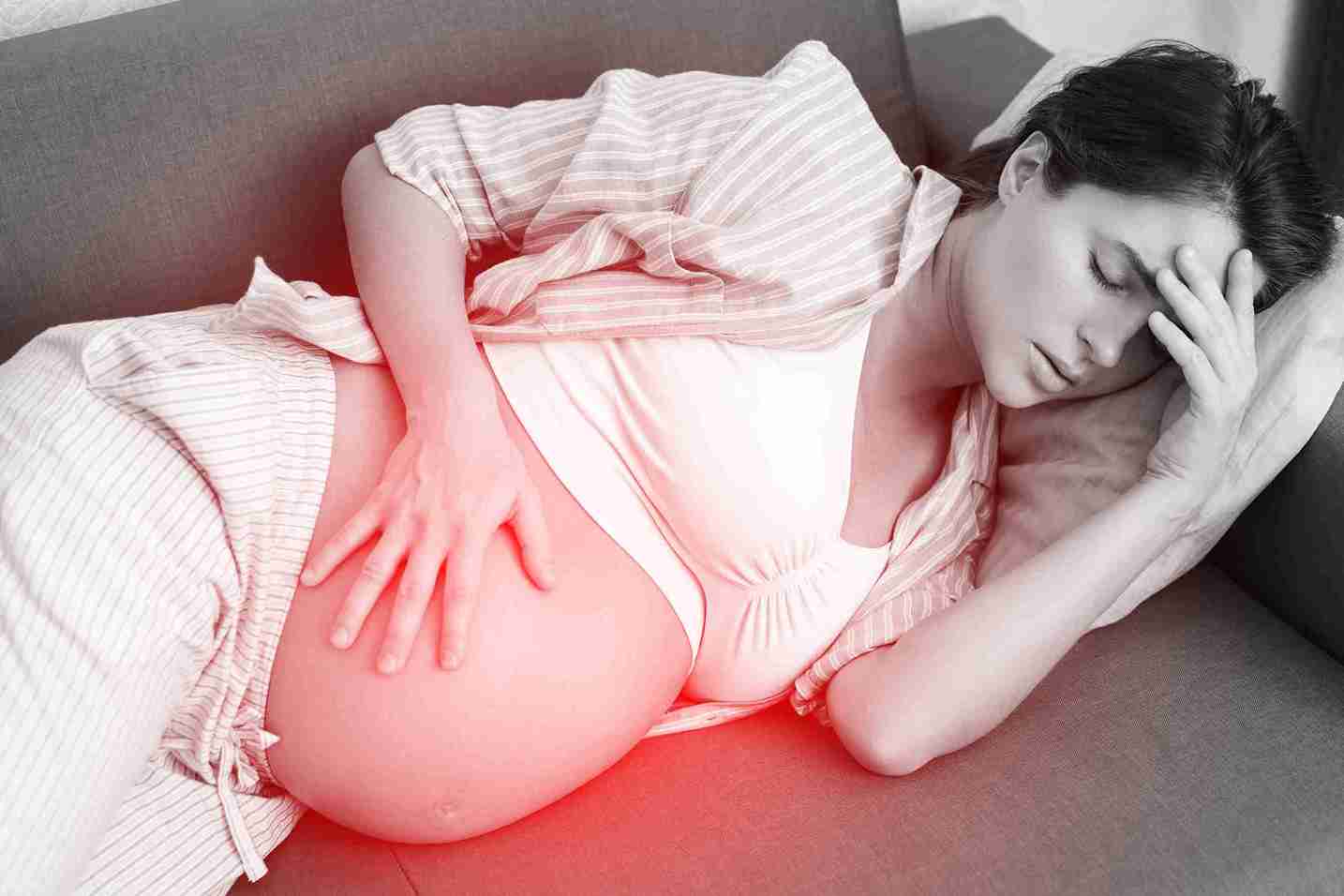
Bleeding or cramping during early pregnancy is frightening, but it doesn't always mean the worst. Mild cramping is fairly common as the uterus begins to stretch and grow, and light spotting can happen in perfectly healthy pregnancies.
That said, any bleeding or pain during pregnancy deserves a proper medical evaluation. Don't try to read it yourself. Talk to a doctor to know what's actually going on.
Several factors may increase miscarriage risk, including advanced maternal age, previous miscarriages, obesity, chronic health conditions, fertility-related concerns, and complications involving multiple pregnancies.
Several common myths continue to worry expectant parents unnecessarily.
Moderate pregnancy-safe exercise does not usually cause miscarriage.
Sex during a healthy pregnancy is generally considered safe unless otherwise advised by a doctor.
Most routine work activities do not increase miscarriage risk.
Nausea and vomiting are common signs of hormonal changes and are not harmful to the pregnancy.
Normal emotional stress and daily worries are not considered direct causes of miscarriage.

Not every miscarriage can be prevented, but there are things within your control that can support a healthier pregnancy. Attending prenatal appointments regularly, managing any existing health conditions, taking folic acid before and during early pregnancy, eating well, maintaining a healthy weight, and avoiding smoking and alcohol all make a real difference. Small, consistent choices matter more than most people realise.
Pregnancy, especially in the early weeks, brings a mix of hope and anxiety that is hard to put into words. At Cloudnine, that emotional reality is taken seriously alongside the medical one. You get access to experienced obstetricians, advanced ultrasound technology, fetal medicine specialists, and a nursing team that actually listens. Concerns don't get dismissed or delayed; they get addressed. Whether it's an early pregnancy assessment or ongoing monitoring through each trimester, the care at Cloudnine is built around you, not just your test results.
A miscarriage, or the fear of one, can be deeply unsettling. But knowing why early pregnancy loss happens and the things that can cause a miscarriage in the first 8 weeks can make it feel a little less like something you did wrong. The truth is, most miscarriages in the first trimester happen because of chromosomal factors that are entirely outside anyone's control. What you can do is show up for your prenatal care, make healthy choices where you can, and seek medical attention when something doesn't feel right.

Want to consult the best gynecologists in India? Please find the links below.
Want to consult the best Maternity Packages in India? Please find the links below.

No specific drink reliably causes miscarriage, but alcohol should be avoided during pregnancy.
Certain high-risk foods, such as unpasteurised dairy products and foods contaminated with listeria, may increase pregnancy risks.
The risk is highest during the first trimester, especially before 12 weeks.
Smoking, alcohol, recreational drugs, unnecessary medications, and exposure to harmful chemicals should be avoided unless approved by a healthcare provider.


 Best Gynecologists in Bellandur Best Gynecologists in Electronic City Best Gynecologists in HRBR LayoutBest Gynecologists in Jayanagar Best Gynecologists in Kanakapura RoadBest Gynecologists in Malleswaram Best Gynecologists in Nagarbhavi Best Gynecologists in Old Airport RoadBest Gynecologists in Sahakarnagar Best Gynecologists in Sarjapur RoadBest Gynecologists in ThanisandraBest Gynecologists in Varthur RoadBest Gynecologists in Whitefield Best Gynecologists in Industrial Area Phase IIBest Gynecologists in OMRBest Gynecologists in T NagarBest Gynecologists in New Industrial TownBest Gynecologists in IndirapuramBest Gynecologists in Golf Course RoadBest Gynecologists in Sector 14Best Gynecologists in Sector 47Best Gynecologists in Banjara HillsBest Gynecologists in GachibowliBest Gynecologists in Hitech CityBest Gynecologists in KompallyBest Gynecologists in Gomti NagarBest Gynecologists in MaladBest Gynecologists in NerulBest Gynecologists in VashiBest Gynecologists in Kailash ColonyBest Gynecologists in PatparganjBest Gynecologists in Punjabi BaghBest Gynecologists in VikaspuriBest Gynecologists in Gaur CityBest Gynecologists in Pari ChowkBest Gynecologists in Sector 51Best Gynecologists in Sector 5 Swastik ViharBest Gynecologists in Kalyani NagarBest Gynecologists in SB RoadBest Gynecologists in Pimple SaudagarBest Pediatricians in BellandurBest Pediatricians in Electronic CityBest Pediatricians in HRBR LayoutBest Pediatricians in JayanagarBest Pediatricians in Kanakapura RoadBest Pediatricians in MalleswaramBest Pediatricians in NagarbhaviBest Pediatricians in Old Airport RoadBest Pediatricians in SahakarnagarBest Pediatricians in Sarjapur RoadBest Pediatricians in ThanisandraBest Pediatricians in Varthur RoadBest Pediatricians in WhitefieldBest Pediatricians in Industrial Area Phase IIBest Pediatricians in OMRBest Pediatricians in T NagarBest Pediatricians in New Industrial TownshipBest Pediatricians in IndirapuramBest Pediatricians in Golf Course RoadBest Pediatricians in Sector 14Best Pediatricians in Sector 47Best Pediatricians in Hitech CityBest Pediatricians in Banjara HillsBest Pediatricians in GachibowliBest Pediatricians in KompallyBest Pediatricians in Gomti NagarBest Pediatricians in MaladBest Pediatricians in NerulBest Pediatricians in VashiBest Pediatricians in Kailash ColonyBest Pediatricians in PatparganjBest Pediatricians in Punjabi BaghBest Pediatricians in VikaspuriBest Pediatricians in Gaur CityBest Pediatricians in Pari ChowkBest Pediatricians in Sector 51Best Pediatricians in Sector 5 Swastik ViharBest Pediatricians in Kalyani NagarBest Pediatricians in SB RoadBest Pediatricians in Pimple Saudagar


