





Getting to know that you have uterine fibroids is a huge burden, especially if you are not aware of what fibroids are and what it means for your health as well as fertility. For many Indian women, the diagnosis comes after months of heavy periods, pelvic pain, or difficulty conceiving, and by that point, the idea of surgery can feel like both a relief and a source of fresh anxiety.
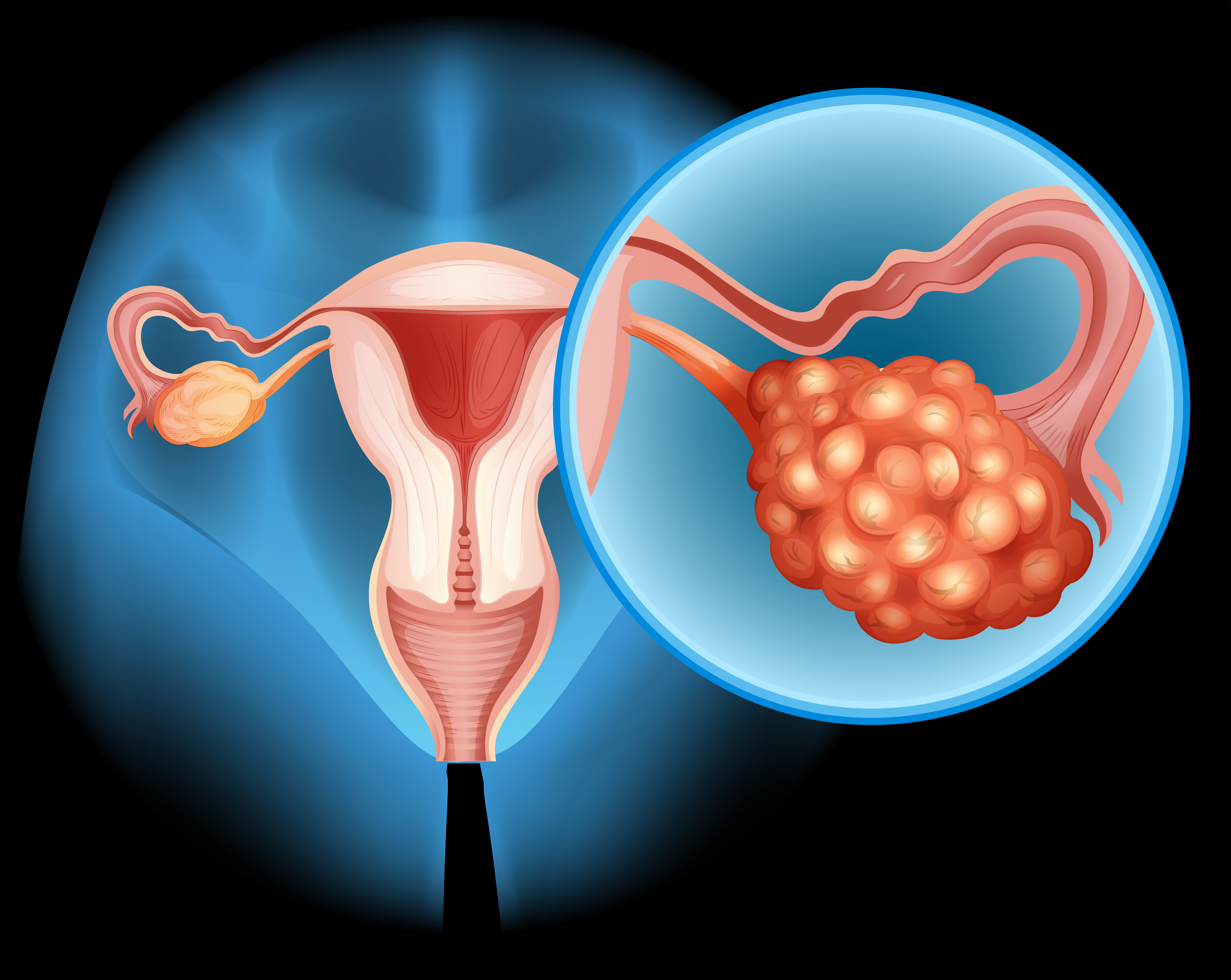
Myomectomy is a fibroid removal surgery that prevents the removal of the entire uterus. It is the preferred option for women who want to preserve their fertility or simply prefer to keep their uterus. It is different from a hysterectomy, which removes the uterus entirely. Understanding exactly what the procedure involves and what the recovery asks of you helps you go into those conversations with your gynaecologist knowing what questions to ask.
The procedure has been performed for decades and is well-established in gynaecological surgery. The approach used depends on the size, number, and location of the fibroids.
There is no single way to perform myomectomy. The surgical approach is chosen based on where the fibroids are sitting and how many there are.
This is the least invasive approach and is used for submucosal fibroids, those that grow into the uterine cavity. A thin camera called a hysteroscope is passed through the cervix into the uterine cavity, and the fibroid is removed without any external incision at all. There is no cut on the abdomen, recovery is fast, and most women can go home the same day. Hysteroscopic myomectomy is relevant for women struggling to conceive due to submucosal fibroids that distort the uterine cavity and directly interfere with implantation. Removing them often improves conception rates.
Laparoscopic myomectomy uses small incisions in the abdomen through which a camera and surgical instruments are inserted. The surgeon removes the fibroids and closes the uterine incisions while viewing the procedure on a screen. This is a minimally invasive approach suitable for fibroids within the uterine wall or on the outer surface, provided they are not excessively large or numerous. Recovery from laparoscopic myomectomy is comparatively faster than open surgery, and scarring is minimal. It is increasingly the preferred approach at centres with the right surgical expertise, which is now available at major hospitals in Indian metros.
Similar to laparoscopic surgery, but using robotic instruments that offer greater precision and range of motion, robotic myomectomy is available at a limited number of advanced surgical centres in India. It is useful for complex cases involving fibroids in difficult locations.
Also called laparotomy, this involves a horizontal incision across the lower abdomen, similar to a caesarean section incision. It is used when fibroids are very large, numerous, or in positions that cannot be safely managed laparoscopically. Open myomectomy is the most invasive approach and carries the longest recovery time, but it remains necessary in certain clinical situations.
Uterine fibroids treatment is recommended for women who:
Not all fibroids need to be removed. Small fibroids without symptoms are only monitored. The decision is based on the size, location of the fibroids, symptoms, and the woman's fertility plans.
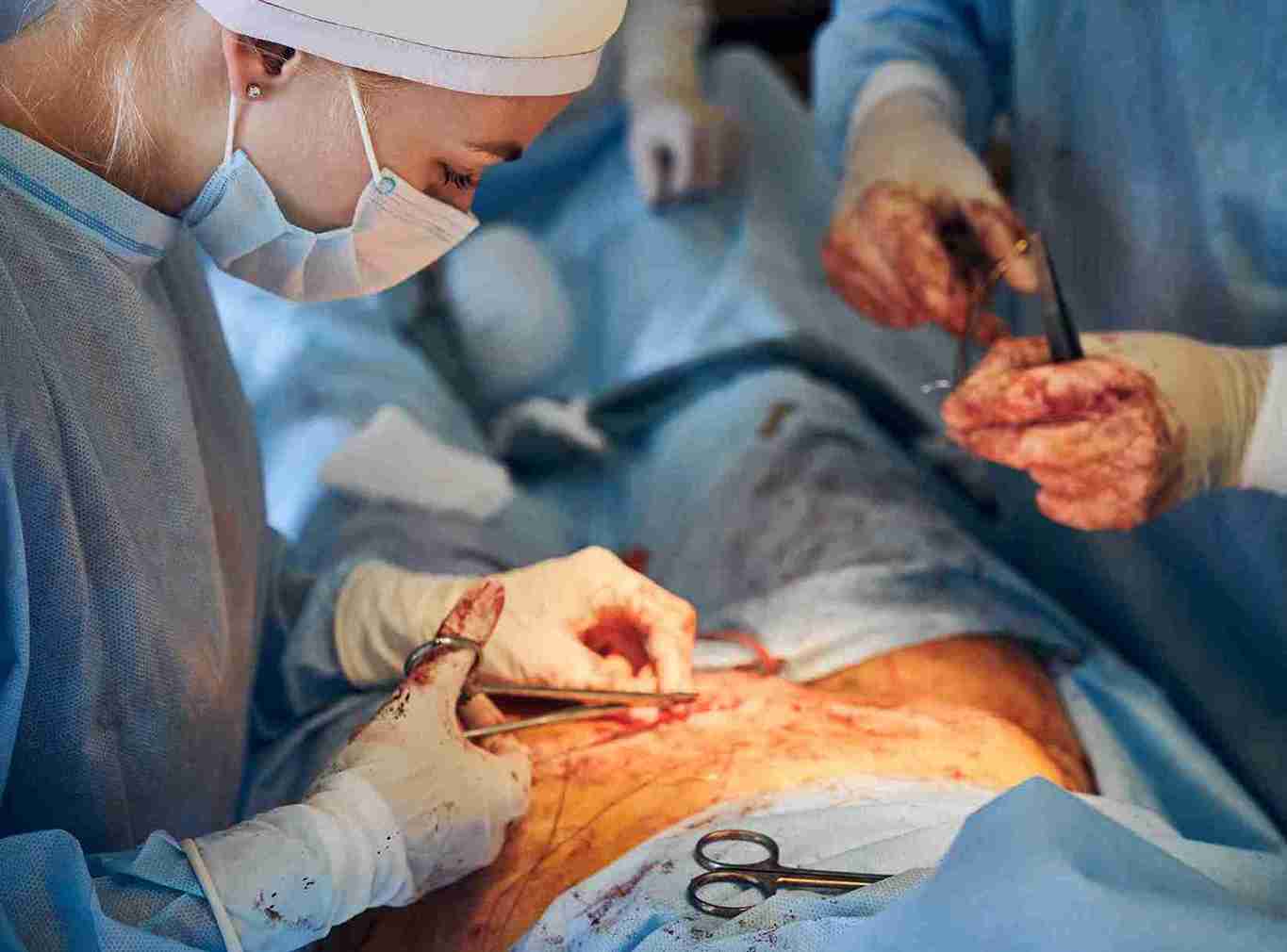
The benefits of myomectomy surgery are meaningful and well-documented, which is why it remains the procedure of choice for women who want to address fibroid symptoms without losing their uterus.
Uterine preservation is in itself a benefit that matters deeply to many women. Knowing that the uterus is intact and functional, whether or not another pregnancy is planned, is important for a significant number of women who are not ready for or do not want a hysterectomy.
Recovery from myomectomy varies based on the surgical approach used.
Practical fibroid surgery recovery tips that apply across all approaches are:
Discuss the timing of any planned pregnancy with your gynaecologist. Most surgeons recommend waiting at least three to six months after myomectomy before trying to conceive, to allow the uterine incisions to heal adequately.
Myomectomy gives women a path to relief from fibroid symptoms without ending the possibility of pregnancy or losing the uterus. The recovery asks for patience and rest, but for most women, the improvement in symptoms and quality of life is considerable. If fibroids have been affecting your periods, your pain levels, or your fertility, a conversation with your gynaecologist about fibroid removal surgery and whether myomectomy is appropriate for your specific situation is the right starting point.

Want to consult the best gynecologists in India? Please find the links below.
Want to consult the best Maternity Packages in India? Please find the links below.

It depends on the approach. Hysteroscopic myomectomy is minimally invasive with a fast recovery and is not considered major surgery. Laparoscopic myomectomy is moderately invasive. Open or abdominal myomectomy is a major surgical procedure involving general anaesthesia, a hospital stay, and a recovery of four to six weeks. The benefits of myomectomy surgery make it worthwhile for most women with significant symptoms, but the approach is chosen based on fibroid size, number, and location.
Yes, and for many women, that is the primary reason for choosing fibroid removal surgery over hysterectomy. Pregnancy rates after myomectomy are generally good when the fibroids being removed were distorting the uterine cavity or blocking the fallopian tubes. Most gynaecologists recommend waiting three to six months after surgery before trying to conceive, to allow the uterine incisions to heal adequately. IVF results also improve after myomectomy when cavity-distorting fibroids are removed.
Recurrence is possible. Myomectomy removes existing fibroids but does not prevent new ones from forming. Recurrence rates are higher in women who had multiple fibroids at the time of surgery and lower in those with a single fibroid. Regular ultrasound monitoring is recommended after surgery. If fibroids do recur, treatment decisions are made based on whether they are causing symptoms and what the woman's fertility intentions are at that point.
Recovery depends on the type of treatment approach used for uterine fibroids. Hysteroscopic myomectomy involves a few days of rest. Laparoscopic myomectomy requires two to four weeks before returning to full activity. Open myomectomy takes 4 to 6 weeks. Fibroid surgery recovery tips need genuine rest in the first two to three weeks, avoiding lifting more than two to three kilograms, eating iron-rich foods, and attending all follow-up appointments as scheduled.


 Best Gynecologists in Bellandur Best Gynecologists in Electronic City Best Gynecologists in HRBR LayoutBest Gynecologists in Jayanagar Best Gynecologists in Kanakapura RoadBest Gynecologists in Malleswaram Best Gynecologists in Nagarbhavi Best Gynecologists in Old Airport RoadBest Gynecologists in Sahakarnagar Best Gynecologists in Sarjapur RoadBest Gynecologists in ThanisandraBest Gynecologists in Varthur RoadBest Gynecologists in Whitefield Best Gynecologists in Industrial Area Phase IIBest Gynecologists in OMRBest Gynecologists in T NagarBest Gynecologists in New Industrial TownBest Gynecologists in IndirapuramBest Gynecologists in Golf Course RoadBest Gynecologists in Sector 14Best Gynecologists in Sector 47Best Gynecologists in Banjara HillsBest Gynecologists in GachibowliBest Gynecologists in Hitech CityBest Gynecologists in KompallyBest Gynecologists in Gomti NagarBest Gynecologists in Phase 3, Sector 58Best Gynecologists in MaladBest Gynecologists in NerulBest Gynecologists in VashiBest Gynecologists in Kailash ColonyBest Gynecologists in PatparganjBest Gynecologists in Punjabi BaghBest Gynecologists in VikaspuriBest Gynecologists in Gaur CityBest Gynecologists in Pari ChowkBest Gynecologists in Sector 51Best Gynecologists in Sector 5 Swastik ViharBest Gynecologists in Kalyani NagarBest Gynecologists in SB RoadBest Gynecologists in Pimple SaudagarBest Pediatricians in BellandurBest Pediatricians in Electronic CityBest Pediatricians in HRBR LayoutBest Pediatricians in JayanagarBest Pediatricians in Kanakapura RoadBest Pediatricians in MalleswaramBest Pediatricians in NagarbhaviBest Pediatricians in Old Airport RoadBest Pediatricians in SahakarnagarBest Pediatricians in Sarjapur RoadBest Pediatricians in ThanisandraBest Pediatricians in Varthur RoadBest Pediatricians in WhitefieldBest Pediatricians in Industrial Area Phase IIBest Pediatricians in OMRBest Pediatricians in T NagarBest Pediatricians in New Industrial TownshipBest Pediatricians in IndirapuramBest Pediatricians in Golf Course RoadBest Pediatricians in Sector 14Best Pediatricians in Sector 47Best Pediatricians in Hitech CityBest Pediatricians in Banjara HillsBest Pediatricians in GachibowliBest Pediatricians in KompallyBest Pediatricians in Gomti NagarBest Pediatricians in Phase 3, Sector 58Best Pediatricians in MaladBest Pediatricians in NerulBest Pediatricians in VashiBest Pediatricians in Kailash ColonyBest Pediatricians in PatparganjBest Pediatricians in Punjabi BaghBest Pediatricians in VikaspuriBest Pediatricians in Gaur CityBest Pediatricians in Pari ChowkBest Pediatricians in Sector 51Best Pediatricians in Sector 5 Swastik ViharBest Pediatricians in Kalyani NagarBest Pediatricians in SB RoadBest Pediatricians in Pimple Saudagar


