
Polycystic Ovary Syndrome (PCOS) is one of the most common hormonal conditions affecting women of reproductive age and a leading cause of ovulation-related infertility. The condition can disrupt hormone levels, cause irregular menstrual cycles, which can make getting pregnant more challenging. However, PCOS does not mean pregnancy is impossible. Many women with PCOS successfully conceive and have healthy pregnancies.
If you are wondering how to get pregnant with PCOS quickly, understanding your ovulation patterns and making targeted lifestyle changes can improve your chances of conception.
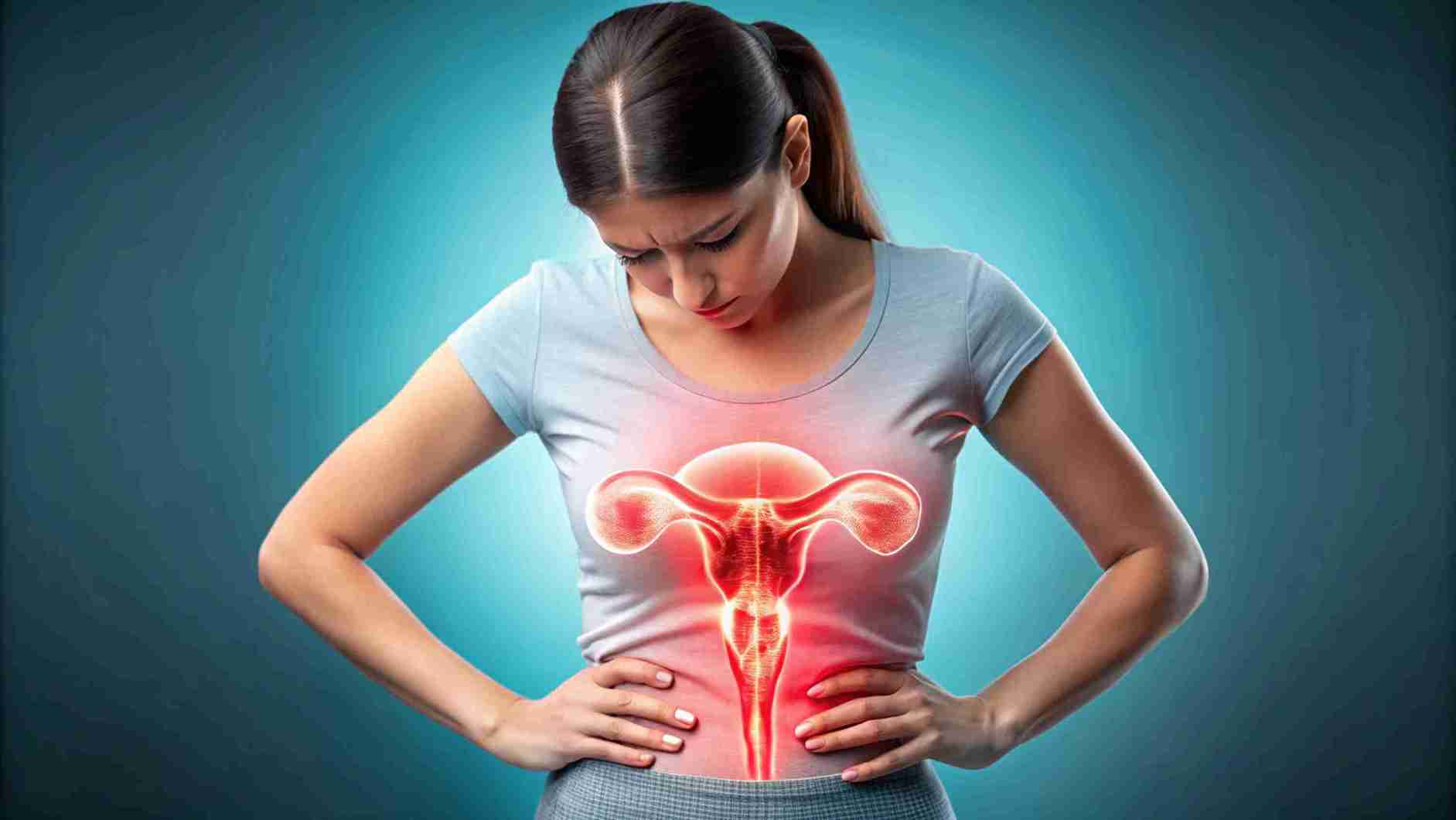
Yes, pregnancy is possible with PCOS. The main reason PCOS affects fertility is that it can cause irregular or absent ovulation. Without ovulation, an egg is not released regularly for fertilisation.
It is necessary to be aware of the symptoms, manage your PCOS, and track ovulation to enhance your chances of conceiving. Some women may conceive naturally, while others need fertility treatment to achieve conception.
For most women, it is recommended that you get pregnant during the days when ovulation is most likely to occur.
It is important to know that there is a high probability that ovulation could become irregular in cases of PCOS. For this reason, using fertility-tracking techniques like OPK, basal body temperature monitoring, and cervical mucus tracking is beneficial. Having intercourse every one to two days during the fertile window can improve pregnancy chances.
For women looking for ways to how to get pregnant with pcos quickly naturally, consider the following factors:
Even moderate weight loss has been shown to increase the chances of becoming pregnant in overweight women by restoring ovulation, correcting hormonal imbalances, and improving insulin sensitivity. Insulin regulation leads to more regular periods and better fertility.
A fertility-focused diet requires that you consume protein foods, green vegetables that contain lots of fibre, low-GI carbs, and healthy fat foods. Examples of these foods include fish, eggs, legumes, dark-green vegetables, oats, nuts, and seeds.
Insulin resistance is one of the key factors associated with PCOS and often results in reduced ovarian function. You can reduce insulin resistance by cutting down on sugars, eating balanced meals, eating at regular times, and exercising regularly.
Exercising regularly will help to increase insulin sensitivity and weight management. Options like walking, strength exercises, yoga, cycling, and running are some good forms of exercise. Consistency is key rather than exerting too much effort.
Tracking ovulation can be very useful as it will allow you to know the best days for conception. Women suffering from PCOS can track their fertility with OPKs, track basal body temperature changes, and track cervical mucus changes. However, since OPKs sometimes yield false positives in women with PCOS, other forms of monitoring ovulation should be practised as well.
Stress hormones affect your ability to conceive. Getting enough sleep, practising yoga, meditation, and relaxation can be very useful in controlling cortisol levels.
Taking prenatal vitamins will supply the body with essential nutrients like folic acid, iron, vitamin D, and omega-3 fats.

Ovulation might be rare or nonexistent, thereby limiting chances for pregnancy.
Increased androgens may hinder the proper development and release of eggs.
Too much insulin may cause problems with hormones and fertility.
Being overweight can lead to inflammation and other issues that affect fertility.
Egg maturation in follicles may be affected by PCOS.
These medications include Letrozole and Clomiphene Citrate and assist in ovulation induction as their primary role.
This helps improve insulin resistance and regulates ovulation in patients with PCOS.
IUI is when processed sperm is placed in the uterus at the time of ovulation.
When other simpler options fail, then IVF becomes an option when dealing with other fertility issues.
If women want to know about pregnancy PCOS fast or quick pregnancy PCOS, they can be assisted by fertility treatment options.
_11zon.jpg)
Early intervention often improves fertility outcomes.
Without identifying ovulation, timing intercourse becomes difficult.
Managing insulin resistance is a key part of improving fertility.
Fertility depends on hormone balance, ovulation, nutrition, and overall health, not weight alone.
Using supplements or medications without professional guidance may delay appropriate treatment.
Cloudnine offers comprehensive fertility care through experienced specialists, nutrition experts, and reproductive health professionals. Women with PCOS receive personalised treatment plans focused on ovulation health, hormonal balance, and fertility optimisation. From lifestyle guidance to advanced fertility treatments, Cloudnine provides coordinated support throughout the conception journey.
PCOS can make pregnancy more challenging, but it does not prevent conception. By improving lifestyle habits, tracking ovulation accurately, and seeking timely medical support, many women successfully achieve pregnancy. Understanding how to get pregnant fast with PCOS naturally and following evidence-based strategies can help improve fertility outcomes.

Want to consult the best gynecologists in India? Please find the links below.
Want to consult the best Maternity Packages in India? Please find the links below.

A balanced diet, regular exercise, adequate sleep, stress management, and recommended supplements may support egg quality.
Not always. PCOS primarily affects ovulation, and many women with PCOS have healthy eggs.
PCOS does not prevent age-related fertility decline, though some women may ovulate later in life.
No fruit is completely prohibited, but high-sugar fruits should be consumed in moderation as part of a balanced diet.







 Best Gynecologists in Bellandur Best Gynecologists in Electronic City Best Gynecologists in HRBR LayoutBest Gynecologists in Jayanagar Best Gynecologists in Kanakapura RoadBest Gynecologists in Malleswaram Best Gynecologists in Nagarbhavi Best Gynecologists in Old Airport RoadBest Gynecologists in Sahakarnagar Best Gynecologists in Sarjapur RoadBest Gynecologists in ThanisandraBest Gynecologists in Varthur RoadBest Gynecologists in Whitefield Best Gynecologists in Industrial Area Phase IIBest Gynecologists in OMRBest Gynecologists in T NagarBest Gynecologists in New Industrial TownBest Gynecologists in IndirapuramBest Gynecologists in Golf Course RoadBest Gynecologists in Sector 14Best Gynecologists in Sector 47Best Gynecologists in Banjara HillsBest Gynecologists in GachibowliBest Gynecologists in Hitech CityBest Gynecologists in KompallyBest Gynecologists in Gomti NagarBest Gynecologists in MaladBest Gynecologists in NerulBest Gynecologists in VashiBest Gynecologists in Kailash ColonyBest Gynecologists in PatparganjBest Gynecologists in Punjabi BaghBest Gynecologists in VikaspuriBest Gynecologists in Gaur CityBest Gynecologists in Pari ChowkBest Gynecologists in Sector 51Best Gynecologists in Sector 5 Swastik ViharBest Gynecologists in Kalyani NagarBest Gynecologists in SB RoadBest Gynecologists in Pimple SaudagarBest Pediatricians in BellandurBest Pediatricians in Electronic CityBest Pediatricians in HRBR LayoutBest Pediatricians in JayanagarBest Pediatricians in Kanakapura RoadBest Pediatricians in MalleswaramBest Pediatricians in NagarbhaviBest Pediatricians in Old Airport RoadBest Pediatricians in SahakarnagarBest Pediatricians in Sarjapur RoadBest Pediatricians in ThanisandraBest Pediatricians in Varthur RoadBest Pediatricians in WhitefieldBest Pediatricians in Industrial Area Phase IIBest Pediatricians in OMRBest Pediatricians in T NagarBest Pediatricians in New Industrial TownshipBest Pediatricians in IndirapuramBest Pediatricians in Golf Course RoadBest Pediatricians in Sector 14Best Pediatricians in Sector 47Best Pediatricians in Hitech CityBest Pediatricians in Banjara HillsBest Pediatricians in GachibowliBest Pediatricians in KompallyBest Pediatricians in Gomti NagarBest Pediatricians in MaladBest Pediatricians in NerulBest Pediatricians in VashiBest Pediatricians in Kailash ColonyBest Pediatricians in PatparganjBest Pediatricians in Punjabi BaghBest Pediatricians in VikaspuriBest Pediatricians in Gaur CityBest Pediatricians in Pari ChowkBest Pediatricians in Sector 51Best Pediatricians in Sector 5 Swastik ViharBest Pediatricians in Kalyani NagarBest Pediatricians in SB RoadBest Pediatricians in Pimple Saudagar


