
Pregnancy comes with a lot of appointments. Some feel routine, like blood pressure checks, weight, and a quick listen to the heartbeat. Others carry more weight. Prenatal screening tests sit in that second category for most women.
These are tests performed during pregnancy to assess the baby's development and identify any chromosomal conditions, structural abnormalities, or infections that require attention. They do not diagnose a problem on their own; they assess risk and flag what needs a closer look. For many women, the results are reassuring. For some, opening the door leads to further testing and important decisions. Either way, knowing what these tests are, when they are done, and what they are actually looking for takes a lot of the anxiety out of the process.

The goal of pregnancy screening is not to look for problems to worry about. The purpose is to detect any issues as early as possible so that action can be taken, or at the very least, preparations can be made.
Some conditions identified during screening can be treated before or shortly after birth. In other cases, these results may require making decisions regarding the pregnancy. A normal result gives couples the reassurance they need to stop worrying and enjoy the pregnancy.
The first major window for prenatal screening tests is between weeks 11 and 13 of pregnancy. Two things happen here that are closely connected.
This is an ultrasound that measures the fluid at the back of the baby's neck. A thicker-than-normal measurement can indicate a higher risk of chromosomal conditions such as Down, Edwards, or Patau syndromes. You also get a clear first look at the baby's overall development and can confirm the due date.
The NT scan is safe, non-invasive, and takes about 20 to 30 minutes. Timing is crucial: the scan must be performed between 11 weeks and 13 weeks 6 days, as the measurement is only accurate within this period.
Done alongside the NT scan, this blood test measures two hormones — PAPP-A (pregnancy-associated plasma protein A) and free beta-hCG. Together with the NT measurement and the mother's age, these results are combined into a risk score for chromosomal abnormalities. This combined approach, called the combined first-trimester screen, is more accurate than either test done alone.
The NIPT test (Non-Invasive Prenatal Testing) is a blood test done after week 10 of pregnancy. It checks small fragments of the baby's DNA that circulate in the mother's blood. It can detect chromosomal conditions like Down syndrome, Edwards syndrome, and Patau syndrome with a very high degree of accuracy; higher than the combined first-trimester screen.
The NIPT test can also identify sex chromosome conditions and, with some versions, microdeletion syndromes, small missing pieces of chromosomes that can cause developmental and intellectual problems.
It is important to understand that NIPT is a screening test, not a diagnostic test. A high-risk result on NIPT means further testing - either chorionic villus sampling (CVS) or amniocentesis is needed to confirm the finding. A low-risk result is highly reassuring but does not rule out every possible condition.
NIPT is recommended for women over 35, those with a high-risk first trimester screen result, a previous pregnancy affected by a chromosomal condition, or a family history of genetic disorders.
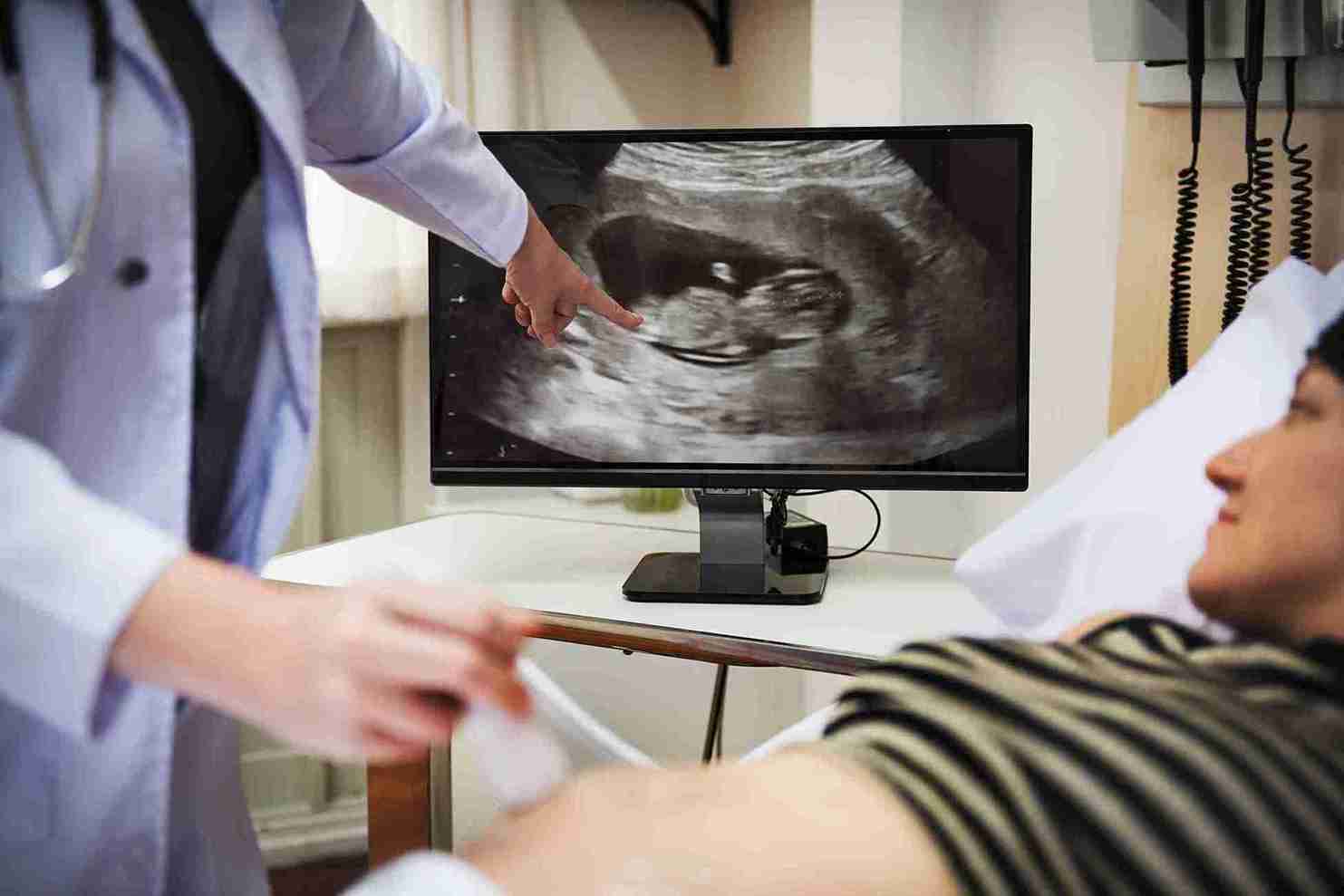
The anomaly scan is also called the mid-pregnancy scan. It is also referred to as the Level 2 scan and is done between weeks 18 and 22. It is one of the most important pregnancy screening tests in the entire antenatal schedule. This is a detailed ultrasound that checks the baby's anatomy from head to toe. The scan checks for:
The facial features, brain and spine.
The heart, if the structure is good and if all four chambers are present and are formed as required.
The limbs and their length.
The kidneys, bladder, stomach, and abdominal wall.
The placenta's position and the amniotic fluid levels.
While the anomaly scan cannot detect every possible issue, it does identify most major structural abnormalities, such as neural tube defects, heart defects, cleft lip, and limb abnormalities. These findings often guide planning, necessary interventions, or referrals for specialist care after birth.
In India, the anomaly scan is required under the PC-PNDT Act, but the sex of the baby is not legally disclosed. The scan is about the baby's health and not the gender.
If something is flagged on the anomaly scan, you will usually be referred to a fetal medicine specialist for a more detailed assessment. This does not automatically mean something is seriously wrong; some findings on a routine scan turn out to be normal variations when examined more thoroughly.
For women who did not have first-trimester screening or an NIPT, the quadruple marker test (also called the quad screen) offers another opportunity to screen for chromosomal conditions. It is done between weeks 15 and 20 and measures four substances in the blood - AFP, hCG, estriol, and inhibin A.
Like the first-trimester screen, it gives a risk score rather than a diagnosis. Its detection rate for Down syndrome is lower than that of NIPT, but it is more accessible and less expensive, making it a practical option for women who cannot access earlier testing.
Alongside the scans and chromosomal screening, standard antenatal blood tests form an important part of pregnancy care:
Blood group and Rh factor testing to identify Rh incompatibility between mother and baby, which is managed with injections if needed.
Complete blood count to check for anaemia, which is very common in Indian women during pregnancy.
Blood glucose testing for gestational diabetes is done between weeks 24 and 28.
The thyroid function test (TSH) is used to detect thyroid problems, which are common in India and can affect pregnancy outcomes if left untreated.
Infection screening, such as hepatitis B, HIV, syphilis, and rubella immunity, are checked early in pregnancy.
These are not optional extras. They are the baseline of safe antenatal care.

Prenatal screening tests are not about finding things to worry about. They are about making sure you have the information you need at the right time. Most results are normal. When they are not, knowing early makes a real difference for planning, decision-making, and sometimes to the baby's treatment and outcome. Go to your tests. Ask your doctor to explain the results. You are entitled to understand every number on that report.
Want to consult the best gynecologists in India? Please find the links below.
Want to consult the best Maternity Packages in India? Please find the links below.

At minimum, every pregnant woman should have the NT scan and double marker between weeks 11 and 13, the anomaly scan between weeks 18 and 22, routine blood tests for anaemia, blood group, thyroid, and infections, and a glucose tolerance test between weeks 24 and 28. These prenatal screening tests form the foundation of safe antenatal care. Additional tests, such as NIPT, may be recommended based on age, history, or first-trimester results.
Yes. The scans and blood tests used in standard pregnancy screening are safe for both mother and baby. Ultrasound does not use radiation. The NIPT test is a simple blood draw with no risk to the pregnancy. Diagnostic tests like amniocentesis and CVS carry a small procedural risk, but these are only done when screening results suggest they are needed, even though they are not part of routine pregnancy screening.
Prenatal screening follows a clear timeline. The NT scan and double marker are done between weeks 11 and 13. The NIPT test can be done from week 10 onwards. The anomaly scan is done between weeks 18 and 22. The quadruple marker, if needed, is done between weeks 15 and 20. Glucose testing is done between weeks 24 and 28. Missing these windows means some tests can no longer be done accurately.
The NIPT test is a blood test done from week 10 of pregnancy. It looks at fragments of the baby's DNA in the mother's blood and screens for chromosomal conditions like Down syndrome with high accuracy. It is a screening test, not a definitive diagnosis; a high-risk result needs to be confirmed with CVS or amniocentesis. It is available privately across most Indian cities and is recommended for women at higher risk.







 Best Gynecologists in Bellandur Best Gynecologists in Electronic City Best Gynecologists in HRBR LayoutBest Gynecologists in Jayanagar Best Gynecologists in Kanakapura RoadBest Gynecologists in Malleswaram Best Gynecologists in Nagarbhavi Best Gynecologists in Old Airport RoadBest Gynecologists in Sahakarnagar Best Gynecologists in Sarjapur RoadBest Gynecologists in ThanisandraBest Gynecologists in Varthur RoadBest Gynecologists in Whitefield Best Gynecologists in Industrial Area Phase IIBest Gynecologists in OMRBest Gynecologists in T NagarBest Gynecologists in New Industrial TownBest Gynecologists in IndirapuramBest Gynecologists in Golf Course RoadBest Gynecologists in Sector 14Best Gynecologists in Sector 47Best Gynecologists in Banjara HillsBest Gynecologists in GachibowliBest Gynecologists in Hitech CityBest Gynecologists in KompallyBest Gynecologists in Gomti NagarBest Gynecologists in MaladBest Gynecologists in NerulBest Gynecologists in VashiBest Gynecologists in Kailash ColonyBest Gynecologists in PatparganjBest Gynecologists in Punjabi BaghBest Gynecologists in VikaspuriBest Gynecologists in Gaur CityBest Gynecologists in Pari ChowkBest Gynecologists in Sector 51Best Gynecologists in Sector 5 Swastik ViharBest Gynecologists in Kalyani NagarBest Gynecologists in SB RoadBest Gynecologists in Pimple SaudagarBest Pediatricians in BellandurBest Pediatricians in Electronic CityBest Pediatricians in HRBR LayoutBest Pediatricians in JayanagarBest Pediatricians in Kanakapura RoadBest Pediatricians in MalleswaramBest Pediatricians in NagarbhaviBest Pediatricians in Old Airport RoadBest Pediatricians in SahakarnagarBest Pediatricians in Sarjapur RoadBest Pediatricians in ThanisandraBest Pediatricians in Varthur RoadBest Pediatricians in WhitefieldBest Pediatricians in Industrial Area Phase IIBest Pediatricians in OMRBest Pediatricians in T NagarBest Pediatricians in New Industrial TownshipBest Pediatricians in IndirapuramBest Pediatricians in Golf Course RoadBest Pediatricians in Sector 14Best Pediatricians in Sector 47Best Pediatricians in Hitech CityBest Pediatricians in Banjara HillsBest Pediatricians in GachibowliBest Pediatricians in KompallyBest Pediatricians in Gomti NagarBest Pediatricians in MaladBest Pediatricians in NerulBest Pediatricians in VashiBest Pediatricians in Kailash ColonyBest Pediatricians in PatparganjBest Pediatricians in Punjabi BaghBest Pediatricians in VikaspuriBest Pediatricians in Gaur CityBest Pediatricians in Pari ChowkBest Pediatricians in Sector 51Best Pediatricians in Sector 5 Swastik ViharBest Pediatricians in Kalyani NagarBest Pediatricians in SB RoadBest Pediatricians in Pimple Saudagar


