
You have been sleeping enough, eating reasonably well, and not doing anything dramatically different, yet something feels off. Your jeans are tighter, your mood is all over the place, your skin is breaking out like you are 16 again, and you are exhausted by 3 in the afternoon. Sound familiar?
For millions of Indian women, this is not just a bad week. It is the body quietly waving a red flag, and more often than not, hormones are behind it.
Hormones are chemical messengers that govern nearly everything, right from your sleep to your weight, your mood to your periods and even your skin. When they are out of sync, the effects ripple across your entire body. The frustrating part? Many of these signs get dismissed as stress or ageing, and years can pass before anyone connects the dots.

A hormonal imbalance simply means there is too much or too little of a specific hormone in your bloodstream. It does not take a dramatic shift; even a subtle change in estrogen, progesterone, thyroid hormones, insulin, or cortisol can throw your body into chaos. In women, these imbalances tend to show up in ways that feel deeply personal, like your body, your emotions, your sense of self.
If your cycle used to be like clockwork but is now anyone's guess, that shift matters. Irregular, missed, unusually heavy, or painfully crampy periods are among the most common signs of hormone imbalance in women. Estrogen and progesterone govern your cycle; when either fluctuates, your periods feel it first. Do not chalk it up to a one-off stressful month if it keeps happening.
You have not changed what you eat. You are still sticking to your daily schedule of a 5 km brisk walk. Yet you find your weight gradually increasing and notice a build-up of belly fat. This kind of unexplained weight gain is a textbook hormonal imbalance symptom. An underactive thyroid can quietly slow down your metabolism. At the same time, long-term stress raises cortisol levels, which can lead to fat being stored—especially around the abdomen. It’s not a lack of willpower; it’s your hormones at play.
There is normal tiredness, and then there is the kind of exhaustion where you wake up after eight hours of sleep and still feel like you haven't rested at all. The latter is one of the most draining signs of hormone imbalance, and one of the most commonly ignored. Low progesterone, sluggish thyroid function, or dysregulated cortisol can all leave you running on empty, day after day.
One moment you are fine, the next you are in tears over something small, or snapping at people you love for no real reason. Before you blame yourself, consider your hormones. Estrogen directly influences serotonin, which is your brain's mood stabiliser. When estrogen dips or swings unpredictably, your emotional resilience tends to go with it. Anxiety, irritability, and low mood that seem to track with your cycle are rarely just in your head.

Stubborn jawline acne that flares around your period, excessive hair falls in the shower in alarming amounts, or new hair growth on your chin and upper lip, none of these are things you should have to just accept. These are classic hormonal imbalance symptoms linked to elevated androgens, thyroid dysfunction, or estrogen shifts. Your skin and hair often reveal what blood tests later confirm.
If you lie awake at night even when exhausted, or wake up drenched in sweat at 2 am, progesterone and estrogen are likely involved. Both hormones play a role in sleep quality. When they drop, especially in the days before your period or during perimenopause, nights can become genuinely difficult. Poor sleep then worsens other symptoms, creating a cycle hard to break without addressing the root cause.
This one rarely gets spoken about openly. A significant drop in sexual desire, often accompanied by vaginal dryness or discomfort, is a recognised hormonal imbalance symptom in women. Falling estrogen and testosterone levels are usually responsible. If this feels like a sudden shift from your normal, it is worth mentioning to your doctor, even if it feels awkward to bring up.
Bloating, constipation, or loose stools that seem to coincide with certain points in your cycle are not a coincidence. Estrogen and progesterone receptors exist throughout the gut, and hormonal shifts affect how quickly or slowly food moves through your digestive system. Many women notice their digestion changes noticeably in the week before their period - this is hormones at work.
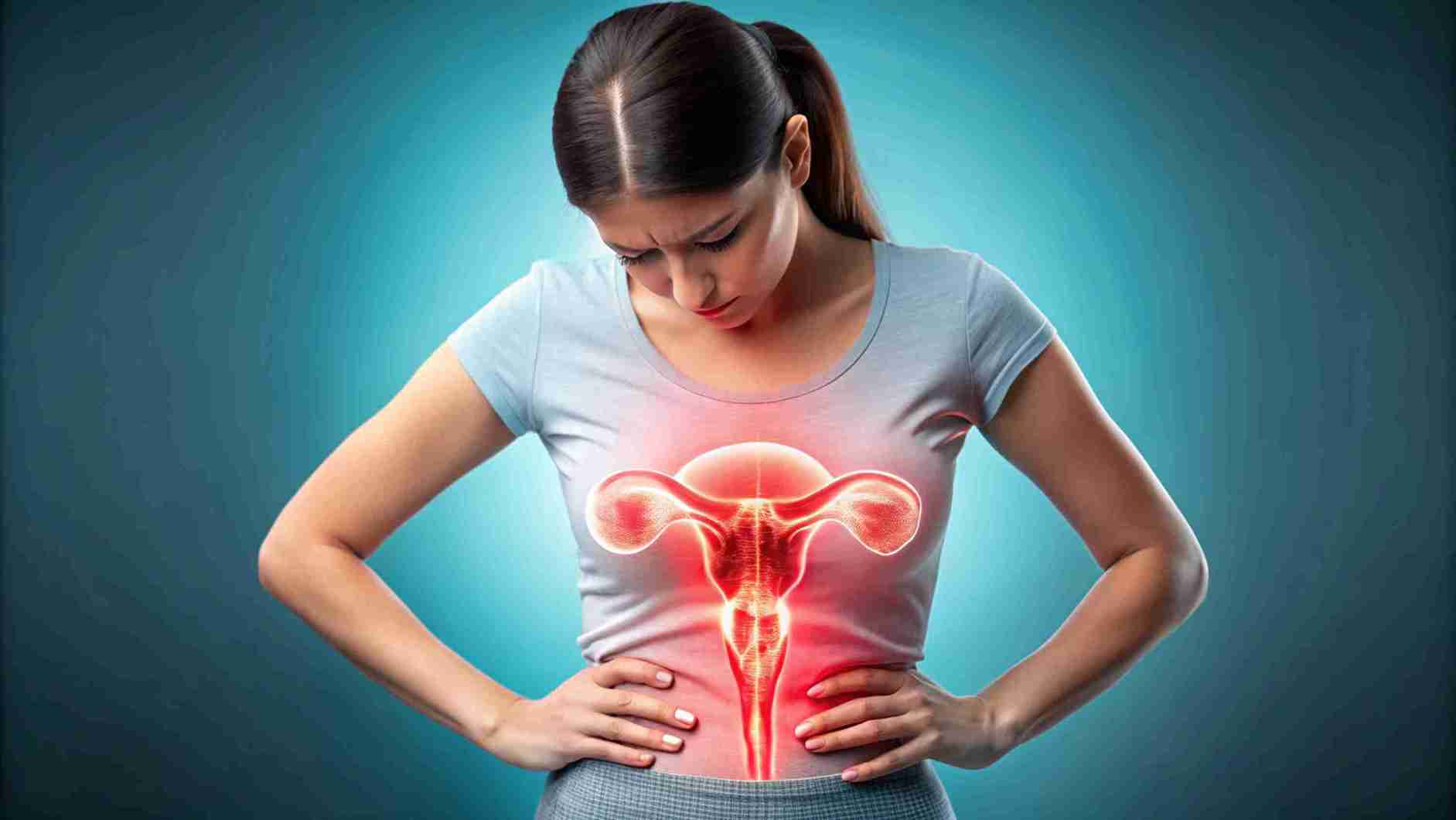
If several of the above symptoms sound familiar, PCOS may be worth discussing with your doctor. Polycystic Ovary Syndrome is one of the most common hormonal conditions among Indian women, affecting an estimated 9% to 22% of women of reproductive age. PCOS symptoms in women, like irregular periods, excess facial hair, acne, weight gain around the belly, and difficulty conceiving, are driven by elevated androgens and insulin resistance. It is vastly underdiagnosed, partly because its signs overlap with so many other things.
Knowing the hormone imbalance causes can help you understand what your body may be reacting to:
Chronic stress keeps cortisol high, which suppresses reproductive hormones over time, a very real consequence of the pressure many Indian women carry daily.
Diet and lifestyle factors, including high sugar intake, ultra-processed foods, irregular meals, and low physical activity, all contribute to insulin resistance, a major hormonal disruptor.
Thyroid disorders are extraordinarily common in women and affect nearly every hormone in the body.
PCOS is itself both a cause and a consequence of hormonal imbalance.
Perimenopause, the transition toward menopause, brings significant shifts in estrogen and progesterone that can begin as early as the late 30s.
Certain medications, including oral contraceptives and corticosteroids, can also alter hormone levels.
If two or more of these symptoms have been present for more than a few weeks, please do not wait it out. See a gynaecologist or endocrinologist. A simple blood test measuring FSH, LH, estrogen, progesterone, testosterone, and thyroid hormones can reveal a great deal. The earlier an imbalance is caught, the easier it is to treat, and the less likely it is to develop into something more complex, like thyroid disease, infertility, or metabolic syndrome. You know your body. If something feels different, trust that instinct.

Hormonal imbalance is not rare, and it is not something you simply have to live with. Whether it is your periods, your mood, your sleep, or your skin sending signals, your body is worth listening to. The right diagnosis and support can genuinely change how you feel day to day. Start the conversation with your doctor sooner rather than later.
Want to consult the best gynecologists in India? Please find the links below.
Want to consult the best Maternity Packages in India? Please find the links below.

Pay attention to patterns, not just single episodes. Persistent fatigue, mood shifts, irregular periods, skin changes, and unexplained weight gain are common hormonal imbalance symptoms worth tracking. If multiple signs are present over several weeks, a blood test to check key hormone levels is the most reliable next step. Do not dismiss what your body is consistently telling you.
Changes in the menstrual cycle are often the earliest signs of hormone imbalance, periods becoming irregular, heavier, or skipped altogether. Mood shifts, persistent tiredness, and skin changes, like acne or dryness, also tend to surface early. Because these overlap with everyday stress, they are frequently missed until the pattern becomes impossible to ignore.
If symptoms persist or worsen, or affect your daily routine, do not delay. Specifically, seek medical advice if your periods have been irregular for three or more consecutive months, if mood-related symptoms are significantly impacting your relationships or work, or if you are experiencing unexplained weight changes. Early evaluation makes a meaningful difference in outcomes.
Absolutely, the menstrual cycle is entirely hormone-driven. Estrogen, progesterone, FSH, and LH must work in precise coordination for a regular cycle. When any of these are disrupted due to PCOS, thyroid dysfunction, chronic stress, or other hormone imbalance causes, periods become irregular, heavier, lighter, or stop altogether. A disrupted cycle is rarely just an inconvenience; it is information.







 Best Gynecologists in Bellandur Best Gynecologists in Electronic City Best Gynecologists in HRBR LayoutBest Gynecologists in Jayanagar Best Gynecologists in Kanakapura RoadBest Gynecologists in Malleswaram Best Gynecologists in Nagarbhavi Best Gynecologists in Old Airport RoadBest Gynecologists in Sahakarnagar Best Gynecologists in Sarjapur RoadBest Gynecologists in ThanisandraBest Gynecologists in Varthur RoadBest Gynecologists in Whitefield Best Gynecologists in Industrial Area Phase IIBest Gynecologists in OMRBest Gynecologists in T NagarBest Gynecologists in New Industrial TownBest Gynecologists in IndirapuramBest Gynecologists in Golf Course RoadBest Gynecologists in Sector 14Best Gynecologists in Sector 47Best Gynecologists in Banjara HillsBest Gynecologists in GachibowliBest Gynecologists in Hitech CityBest Gynecologists in KompallyBest Gynecologists in Gomti NagarBest Gynecologists in MaladBest Gynecologists in NerulBest Gynecologists in VashiBest Gynecologists in Kailash ColonyBest Gynecologists in PatparganjBest Gynecologists in Punjabi BaghBest Gynecologists in VikaspuriBest Gynecologists in Gaur CityBest Gynecologists in Pari ChowkBest Gynecologists in Sector 51Best Gynecologists in Sector 5 Swastik ViharBest Gynecologists in Kalyani NagarBest Gynecologists in SB RoadBest Gynecologists in Pimple SaudagarBest Pediatricians in BellandurBest Pediatricians in Electronic CityBest Pediatricians in HRBR LayoutBest Pediatricians in JayanagarBest Pediatricians in Kanakapura RoadBest Pediatricians in MalleswaramBest Pediatricians in NagarbhaviBest Pediatricians in Old Airport RoadBest Pediatricians in SahakarnagarBest Pediatricians in Sarjapur RoadBest Pediatricians in ThanisandraBest Pediatricians in Varthur RoadBest Pediatricians in WhitefieldBest Pediatricians in Industrial Area Phase IIBest Pediatricians in OMRBest Pediatricians in T NagarBest Pediatricians in New Industrial TownshipBest Pediatricians in IndirapuramBest Pediatricians in Golf Course RoadBest Pediatricians in Sector 14Best Pediatricians in Sector 47Best Pediatricians in Hitech CityBest Pediatricians in Banjara HillsBest Pediatricians in GachibowliBest Pediatricians in KompallyBest Pediatricians in Gomti NagarBest Pediatricians in MaladBest Pediatricians in NerulBest Pediatricians in VashiBest Pediatricians in Kailash ColonyBest Pediatricians in PatparganjBest Pediatricians in Punjabi BaghBest Pediatricians in VikaspuriBest Pediatricians in Gaur CityBest Pediatricians in Pari ChowkBest Pediatricians in Sector 51Best Pediatricians in Sector 5 Swastik ViharBest Pediatricians in Kalyani NagarBest Pediatricians in SB RoadBest Pediatricians in Pimple Saudagar


