Implantation is one of the most important milestones in early pregnancy. It occurs when a fertilised egg attaches itself to the lining of the uterus, creating the foundation for the embryo to grow and develop. Without successful implantation, pregnancy cannot continue. Understanding the 4 stages of implantation can help you better understand what happens during the earliest days of pregnancy and what symptoms, if any, you may experience.
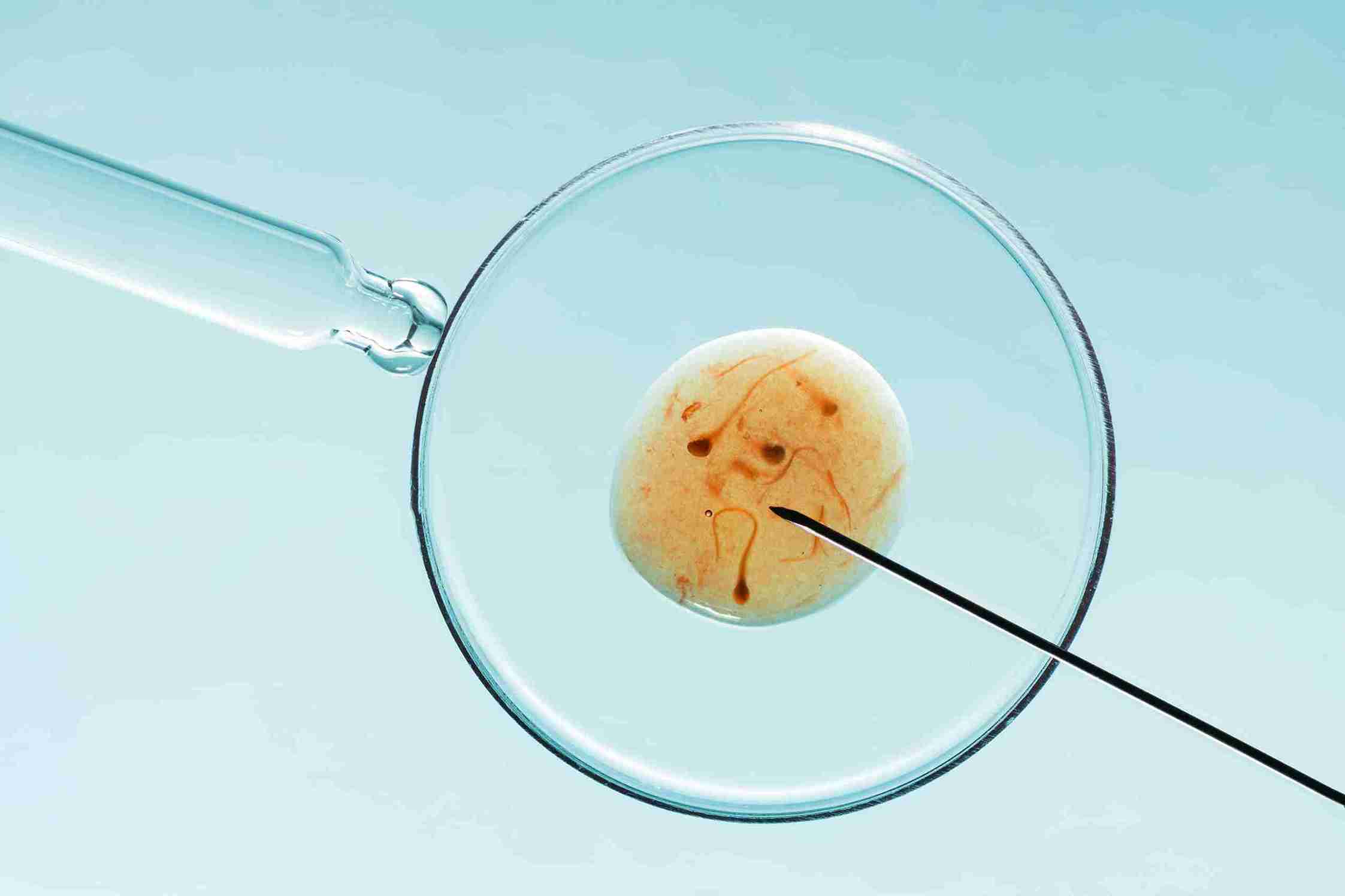
Implantation refers to the procedure in which the fertilised egg (blastocyst) becomes attached to and implanted in the uterine wall (endometrium). This step establishes pregnancy and allows the embryo to receive oxygen and nutrients from the mother.
The process of fertilisation normally takes place in the fallopian tube. After fertilisation, the embryo travels toward the uterus, where implantation occurs. Once implanted, the body begins producing pregnancy hormones that support fetal development and maintain the pregnancy.
Many women wonder what week of pregnancy implantation is. Implantation usually occurs 6–10 days after ovulation and fertilisation. Since pregnancy is dated from the first day of the last menstrual period, implantation usually takes place during Week 3 of pregnancy.
However, timing can vary slightly from person to person depending on ovulation patterns and embryo development.
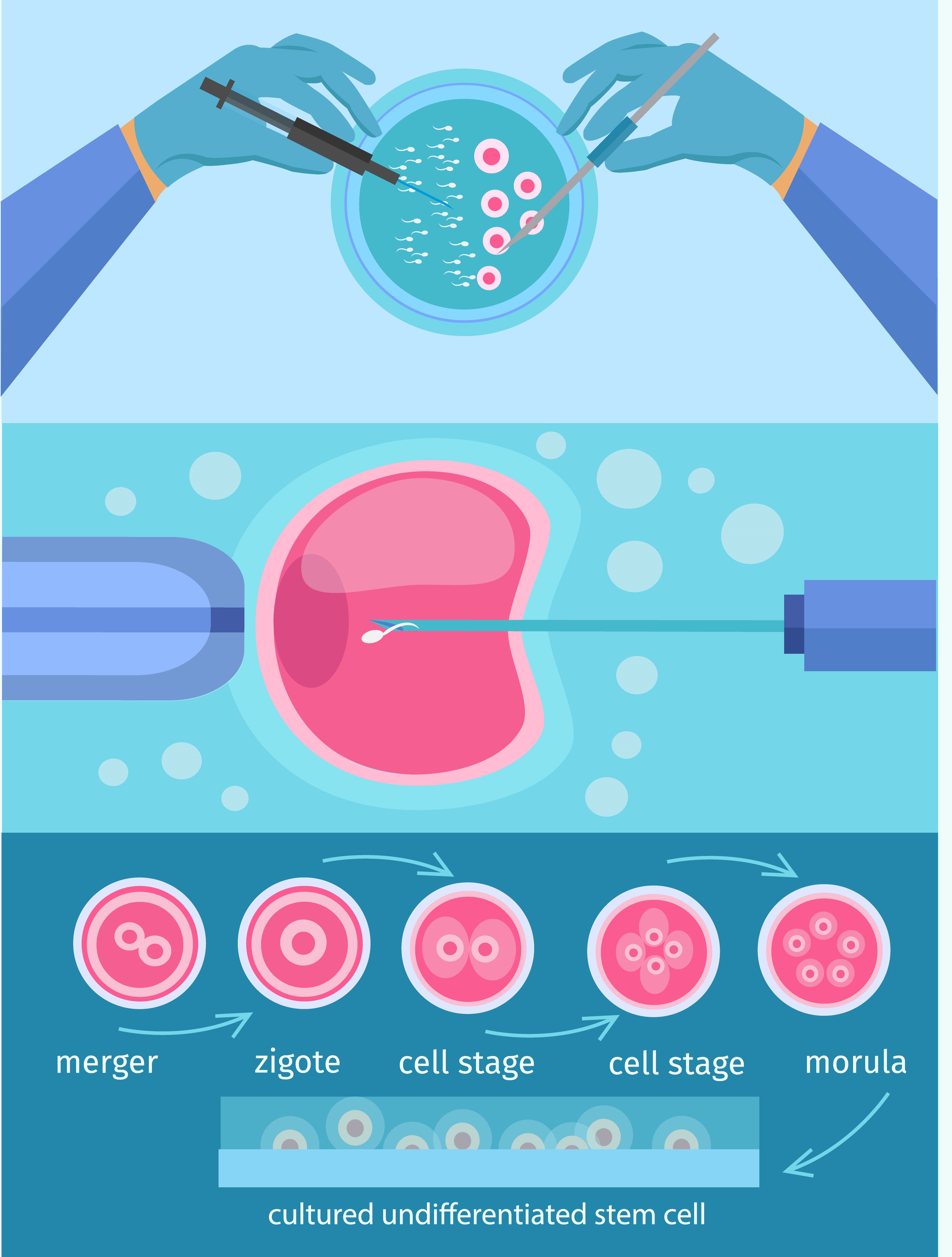
The four stages of implantation take place progressively rather than all at once.
Before the process of implantation starts, the blastocyst must break out of its protective outer shell, known as the zona pellucida. This process, called hatching, allows the embryo to interact directly with the uterine lining.
This involves loosely positioning the blastocyst against the endometrium. In this process, the embryo is temporarily in contact with the endometrium in an attempt to find an ideal implantation site.
In this stage, the blastocyst begins to form a more permanent attachment to the lining of the uterus. Cells of the blastocyst and endometrium work together to make this possible.
This is the last phase of implantation where the blastocyst implants deeply within the lining of the uterus. Here, placental development takes place, with blood vessel formation taking place as well.
Here is the whole glimpse of the implantation process day by day:
The fertilised egg undergoes rapid cell division while travelling through the fallopian tube. It develops into a morula and then continues growing.
The embryo becomes a blastocyst and reaches the uterus. It prepares for implantation by shedding its outer shell.
The blastocyst makes its first contact with the uterine lining and begins the attachment process.
The embryo embeds deeper into the endometrium while early placental structures begin forming.
Hormone production increases, particularly human chorionic gonadotropin (hCG), which supports the pregnancy and eventually becomes detectable on pregnancy tests.

The following question often comes up: What are positive signs of implantation? But the answer is that not all women experience symptoms, and their absence doesn’t necessarily indicate that implantation is unsuccessful.
It is uncommon to feel implantation directly because most women do not have any implantation symptoms. Although some women feel mild cramps or spotting, others experience nothing at all. Implantation symptoms differ widely, just like each pregnancy is unique.

Factors Contributing To The Successful Implantation:
A thick and receptive endometrium is necessary for a healthy implantation.
Sufficient progesterone and estrogen hormones aid in implantation.
Embryos' quality will determine if they will attach themselves successfully.
Existing medical problems might affect your reproductive health.
Smoking cigarettes, excessive drinking, unhealthy diet, and stress can interfere with implantation.
hCG production begins only after implantation occurs. Testing too early can result in a false-negative result because hormone levels may not yet be high enough for detection.
For the most accurate results, take a pregnancy test after a missed period or approximately 10–14 days after ovulation.
Consult a healthcare provider if you experience:
Cloudnine offers comprehensive fertility, reproductive health, and pregnancy care under one roof. With experienced obstetricians, fertility specialists, advanced diagnostic facilities, and personalised treatment plans, Cloudnine supports women at every stage of their reproductive journey. Whether you are trying to conceive, navigating fertility challenges, or seeking expert pregnancy care, the focus remains on evidence-based treatment and individualised attention.
Implantation is a remarkable biological process that marks the beginning of pregnancy. Understanding the implantation process day by day, recognising possible symptoms, and knowing the 4 stages of implantation can help you better interpret the early changes occurring in your body. While implantation symptoms may vary, successful implantation lays the foundation for a healthy pregnancy.

Want to consult the best gynecologists in India? Please find the links below.
Want to consult the best Maternity Packages in India? Please find the links below.

Implantation most commonly occurs between 6 and 10 days after ovulation, with many pregnancies implanting around day 8 or 9.
Many women experience no implantation bleeding. A positive pregnancy test after a missed period is usually the earliest confirmation.
Avoid smoking, excessive alcohol consumption, recreational drugs, and unnecessary stress. Follow your doctor's recommendations if undergoing fertility treatment.
Focus on a balanced diet rich in fruits, vegetables, whole grains, lean proteins, healthy fats, and adequate hydration to support overall reproductive health.







 Best Gynecologists in Bellandur Best Gynecologists in Electronic City Best Gynecologists in HRBR LayoutBest Gynecologists in Jayanagar Best Gynecologists in Kanakapura RoadBest Gynecologists in Malleswaram Best Gynecologists in Nagarbhavi Best Gynecologists in Old Airport RoadBest Gynecologists in Sahakarnagar Best Gynecologists in Sarjapur RoadBest Gynecologists in ThanisandraBest Gynecologists in Varthur RoadBest Gynecologists in Whitefield Best Gynecologists in Industrial Area Phase IIBest Gynecologists in OMRBest Gynecologists in T NagarBest Gynecologists in New Industrial TownBest Gynecologists in IndirapuramBest Gynecologists in Golf Course RoadBest Gynecologists in Sector 14Best Gynecologists in Sector 47Best Gynecologists in Banjara HillsBest Gynecologists in GachibowliBest Gynecologists in Hitech CityBest Gynecologists in KompallyBest Gynecologists in Gomti NagarBest Gynecologists in MaladBest Gynecologists in NerulBest Gynecologists in VashiBest Gynecologists in Kailash ColonyBest Gynecologists in PatparganjBest Gynecologists in Punjabi BaghBest Gynecologists in VikaspuriBest Gynecologists in Gaur CityBest Gynecologists in Pari ChowkBest Gynecologists in Sector 51Best Gynecologists in Sector 5 Swastik ViharBest Gynecologists in Kalyani NagarBest Gynecologists in SB RoadBest Gynecologists in Pimple SaudagarBest Pediatricians in BellandurBest Pediatricians in Electronic CityBest Pediatricians in HRBR LayoutBest Pediatricians in JayanagarBest Pediatricians in Kanakapura RoadBest Pediatricians in MalleswaramBest Pediatricians in NagarbhaviBest Pediatricians in Old Airport RoadBest Pediatricians in SahakarnagarBest Pediatricians in Sarjapur RoadBest Pediatricians in ThanisandraBest Pediatricians in Varthur RoadBest Pediatricians in WhitefieldBest Pediatricians in Industrial Area Phase IIBest Pediatricians in OMRBest Pediatricians in T NagarBest Pediatricians in New Industrial TownshipBest Pediatricians in IndirapuramBest Pediatricians in Golf Course RoadBest Pediatricians in Sector 14Best Pediatricians in Sector 47Best Pediatricians in Hitech CityBest Pediatricians in Banjara HillsBest Pediatricians in GachibowliBest Pediatricians in KompallyBest Pediatricians in Gomti NagarBest Pediatricians in MaladBest Pediatricians in NerulBest Pediatricians in VashiBest Pediatricians in Kailash ColonyBest Pediatricians in PatparganjBest Pediatricians in Punjabi BaghBest Pediatricians in VikaspuriBest Pediatricians in Gaur CityBest Pediatricians in Pari ChowkBest Pediatricians in Sector 51Best Pediatricians in Sector 5 Swastik ViharBest Pediatricians in Kalyani NagarBest Pediatricians in SB RoadBest Pediatricians in Pimple Saudagar