





Heavy menstrual bleeding, menorrhagia, affects many women in India. Studies show that menorrhagia accounts for 15 to 20% of all gynaecological hospital admissions in India. About 43% of these patients are aged 20 to 40 years. This condition is worsening because of the high rates of anaemia among Indian women. Understanding menorrhagia helps you know when to seek medical care.

Menorrhagia is the medical term for very heavy or prolonged menstrual bleeding. It means losing more blood during periods than usual. Women with menorrhagia bleed for more than 7 days and lose more than 80 mL of blood per cycle. That's twice the normal amount or more.
The condition differs from regular periods in a few ways. With menorrhagia, you might need to change pads or tampons every hour, wake up at night to change sanitary products, pass large blood clots, feel exhausted and weak, and skip work or school because of your period.
Many things can cause menorrhagia. The three main causes are hormone problems, uterine issues, and bleeding disorders.
Estrogen and progesterone control your menstrual cycle. If these hormones get out of balance, the uterine lining can grow thicker than usual. When it finally sheds, bleeding is very heavy. Conditions that cause hormone imbalance include PCOS, thyroid problems, obesity, diabetes, and perimenopause.
Several conditions affecting the uterus can cause menorrhagia. Uterine fibroids are non-cancerous growths that can make periods heavier and longer. Adenomyosis happens when uterine tissue grows into the muscular wall, causing heavy, painful periods. Endometrial polyps are small growths on the inner lining of the uterus. Endometrial hyperplasia means the uterine lining becomes too thick. In rare cases, uterine cancer and cervical cancer can cause heavy bleeding.
Some women have problems with blood clotting. Von Willebrand disease is the most common inherited bleeding disorder, affecting about 1% of the population. Among women with menorrhagia, up to 13% have this condition. Low platelet counts or deficiencies in clotting factors can also lead to heavy bleeding.
Some medicines can cause or worsen heavy bleeding. Blood thinners like aspirin, warfarin, and heparin reduce clotting. Some hormone therapies can affect menstrual bleeding.
Non-hormonal copper IUDs can cause heavier periods. Pregnancy complications like miscarriage or ectopic pregnancy can cause heavy bleeding. Pelvic inflammatory disease can lead to abnormal bleeding. In many cases, doctors may not be able to find a specific cause. This is called abnormal uterine bleeding, menorrhagia.

The main symptom is very heavy bleeding. But menorrhagia in women causes other problems too.
You might have menorrhagia if you:
Heavy bleeding can lead to anaemia, which, in turn, lowers iron levels in the body. This makes you feel tired, weak, and short of breath. Your skin might look pale. You might feel dizzy or have headaches. Anaemia is common in Indian women, and menorrhagia makes it worse.
Many treatments can help reduce heavy bleeding. The right treatment for menorrhagia depends on what's causing it, how severe it is, your age, and whether you want to have children.
Doctors usually try medicine first. Several types can help:
Non-steroidal anti-inflammatory drugs (NSAIDs): Ibuprofen and naproxen reduce menstrual bleeding by 20 to 45%. They also help with cramps. Take them at the start of your period.
Tranexamic acid: This medicine helps blood clot. It can reduce bleeding by 40 to 50%. You take it only during your period.
Hormonal birth control: Birth control pills, patches, and vaginal rings can make periods lighter and more regular. They balance hormones and thin the uterine lining.
Progesterone therapy: Taking progesterone for part of your cycle can reduce bleeding. This works well for hormone-related menorrhagia.
Levonorgestrel IUD: This hormonal IUD is very effective. It releases small amounts of progesterone directly into the uterus. It can reduce bleeding by 74 to 97% within 3 to 12 months. The device lasts 5 years.
Iron supplements: These don't stop bleeding but help treat anaemia. Most women with menorrhagia need iron supplements.
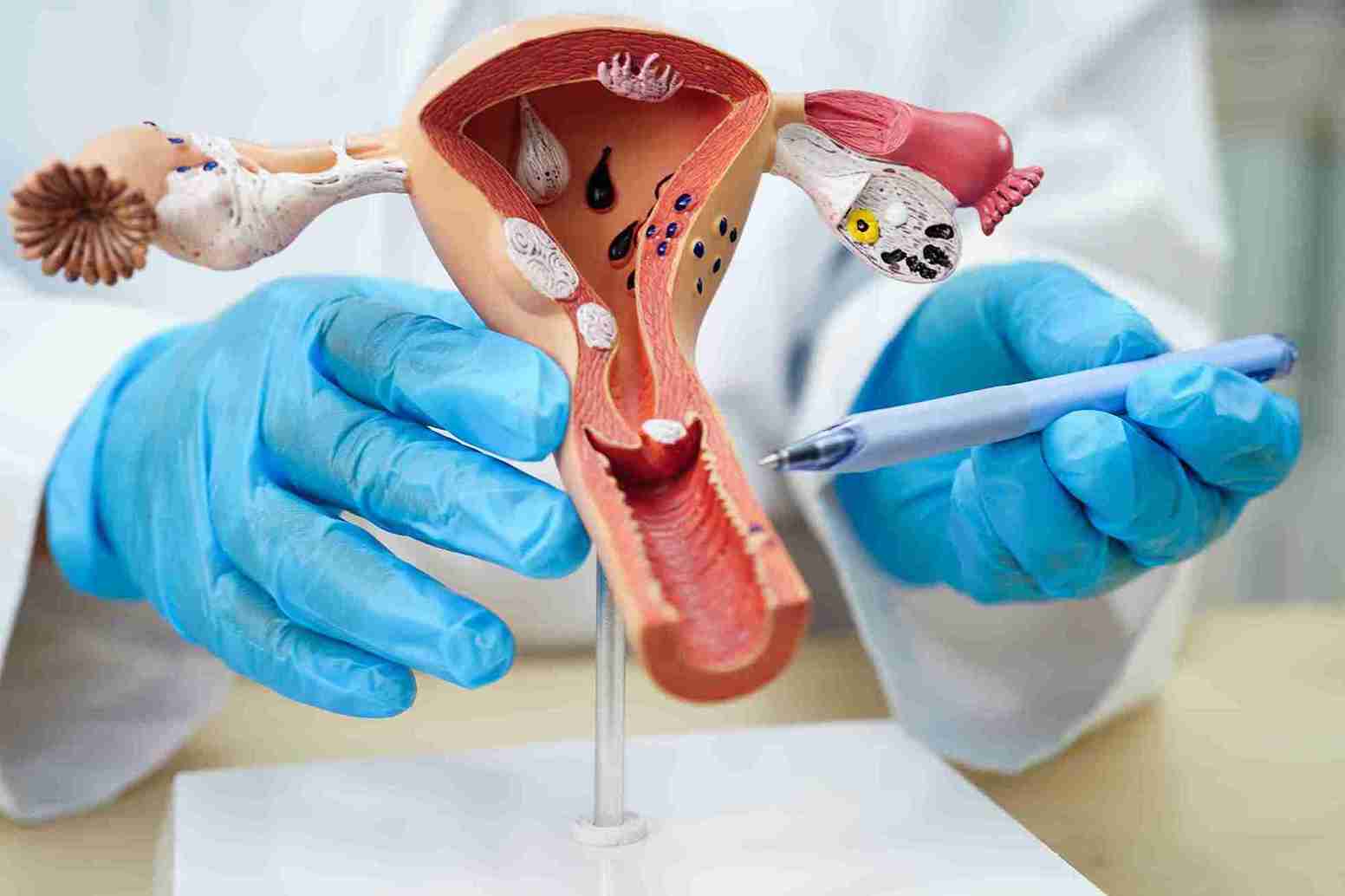
If medicines don't work, surgery might be needed:
Endometrial ablation: This procedure destroys the uterine lining. It reduces or stops menstrual bleeding. The procedure takes 30 to 45 minutes. Most women have much lighter periods afterwards. Some stop having periods completely. You should not get pregnant after this procedure.
Uterine artery embolisation: Tiny particles are injected to block blood flow to fibroids. This shrinks fibroids and reduces bleeding. It's an option if fibroids cause your menorrhagia.
Myomectomy: This surgery removes fibroids while leaving the uterus intact. It is done if you want to preserve fertility.
Hysterectomy: This surgery removes the uterus. It's the only permanent cure for menorrhagia. It is recommended when other treatments fail or if cancer is present. You can't get pregnant after a hysterectomy. The procedure can be done through the vagina, abdomen, or with minimally invasive techniques.
See your doctor if you have any signs of heavy menstrual bleeding. Don't wait or assume heavy periods are normal. Many Indian women delay seeking care, which can lead to severe anaemia and other problems. Get medical help right away if you:
Even if bleeding isn't an emergency, schedule an appointment if periods interfere with your life. Treatment can make a big difference.

Menorrhagia is more than just heavy periods. It is a medical condition that can affect your quality of life and health. If your periods are very heavy, last more than 7 days, or stop you from doing day-to-day activities, see a doctor. Many treatment options can help, from medications to surgical procedures. With proper care, most women find relief and can return to normal activities.
Want to consult the best gynecologists in India? Please find the links below.

Menorrhagia is very heavy or prolonged menstrual bleeding. Normal periods last 4-5 days with 30-40 mL of blood loss. Menorrhagia means bleeding for more than 7 days or losing more than 80 mL per cycle. With normal periods, you can wear a pad for 3-4 hours. With menorrhagia, you need to change pads every hour, pass large clots, and may feel weak or dizzy. The bleeding interferes with daily activities like work and social events.
The three main causes are hormone imbalances, uterine problems, and bleeding disorders. Hormone issues include PCOS, thyroid disease, and perimenopause. Uterine problems include fibroids, polyps, adenomyosis, and endometrial hyperplasia. Bleeding disorders like Von Willebrand disease affect blood clotting. Other causes include certain medications, IUDs, pelvic infections, and pregnancy complications.
Heavy menstrual bleeding, or menorrhagia, symptoms include soaking through pads or tampons every hour, needing to change sanitary products at night, passing blood clots larger than a ₹5 coin, bleeding for more than 7 days, feeling exhausted and weak, having severe cramps, and missing work or activities because of your period. You might also have signs of anaemia like paleness, shortness of breath, dizziness, and headaches. If bleeding disrupts your daily life, see a doctor.
Bleeding for more than 7 days is considered abnormal. A normal menstrual period lasts 4 to 5 days. If your period lasts 8 days or longer, or if you have very heavy flow even for fewer days, this could be menorrhagia. The amount of bleeding matters too. Soaking through a pad every hour for several hours, even if it only lasts a few days, is abnormal. If you're unsure whether your bleeding is normal, talk to your doctor.


 Best Gynecologists in Bellandur Best Gynecologists in Electronic City Best Gynecologists in HRBR LayoutBest Gynecologists in Jayanagar Best Gynecologists in Kanakapura RoadBest Gynecologists in Malleswaram Best Gynecologists in Nagarbhavi Best Gynecologists in Old Airport RoadBest Gynecologists in Sahakarnagar Best Gynecologists in Sarjapur RoadBest Gynecologists in ThanisandraBest Gynecologists in Varthur RoadBest Gynecologists in Whitefield Best Gynecologists in Industrial Area Phase IIBest Gynecologists in OMRBest Gynecologists in T NagarBest Gynecologists in New Industrial TownBest Gynecologists in IndirapuramBest Gynecologists in Golf Course RoadBest Gynecologists in Sector 14Best Gynecologists in Sector 47Best Gynecologists in Banjara HillsBest Gynecologists in GachibowliBest Gynecologists in Hitech CityBest Gynecologists in KompallyBest Gynecologists in Gomti NagarBest Gynecologists in MaladBest Gynecologists in NerulBest Gynecologists in VashiBest Gynecologists in Kailash ColonyBest Gynecologists in PatparganjBest Gynecologists in Punjabi BaghBest Gynecologists in VikaspuriBest Gynecologists in Gaur CityBest Gynecologists in Pari ChowkBest Gynecologists in Sector 51Best Gynecologists in Sector 5 Swastik ViharBest Gynecologists in Kalyani NagarBest Gynecologists in SB RoadBest Gynecologists in Pimple SaudagarBest Pediatricians in BellandurBest Pediatricians in Electronic CityBest Pediatricians in HRBR LayoutBest Pediatricians in JayanagarBest Pediatricians in Kanakapura RoadBest Pediatricians in MalleswaramBest Pediatricians in NagarbhaviBest Pediatricians in Old Airport RoadBest Pediatricians in SahakarnagarBest Pediatricians in Sarjapur RoadBest Pediatricians in ThanisandraBest Pediatricians in Varthur RoadBest Pediatricians in WhitefieldBest Pediatricians in Industrial Area Phase IIBest Pediatricians in OMRBest Pediatricians in T NagarBest Pediatricians in New Industrial TownshipBest Pediatricians in IndirapuramBest Pediatricians in Golf Course RoadBest Pediatricians in Sector 14Best Pediatricians in Sector 47Best Pediatricians in Hitech CityBest Pediatricians in Banjara HillsBest Pediatricians in GachibowliBest Pediatricians in KompallyBest Pediatricians in Gomti NagarBest Pediatricians in MaladBest Pediatricians in NerulBest Pediatricians in VashiBest Pediatricians in Kailash ColonyBest Pediatricians in PatparganjBest Pediatricians in Punjabi BaghBest Pediatricians in VikaspuriBest Pediatricians in Gaur CityBest Pediatricians in Pari ChowkBest Pediatricians in Sector 51Best Pediatricians in Sector 5 Swastik ViharBest Pediatricians in Kalyani NagarBest Pediatricians in SB RoadBest Pediatricians in Pimple Saudagar


