





Morning sickness is one of the earliest and most common symptoms of pregnancy, affecting many women during the first trimester. Despite its name, nausea does not always occur in the morning. It can strike at any time of the day and range from mild queasiness to frequent vomiting that interferes with daily activities.
While morning sickness usually improves as pregnancy progresses, it can be challenging to manage in the early weeks. Fortunately, diet can play an important role in easing symptoms. Choosing the right foods that fight nausea during pregnancy may help settle the stomach, prevent an empty stomach, and provide essential nutrients for both mother and baby.
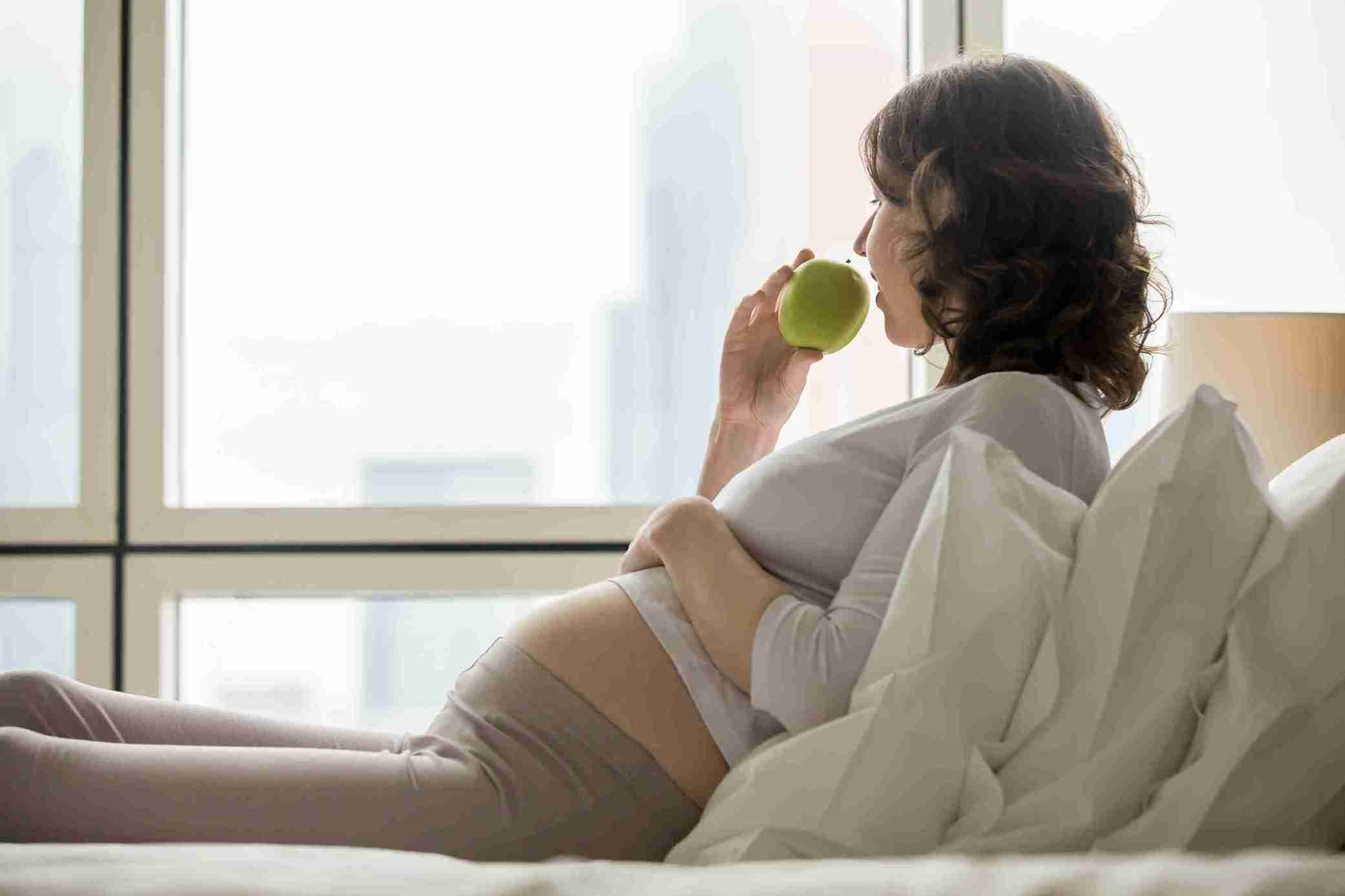
There are a number of reasons for morning sickness, especially at the initial stages of pregnancy.
Pregnancy is characterised by an increase in the levels of hormones. Increased presence of hCG and estrogen hormones is considered to be one of the leading causes of nausea and vomiting.
Pregnant women usually have a strong sense of smell. Even ordinary smells like those of spices, perfumes, and coffee could make the person feel nauseous.
Hormonal changes slow down the process of digestion, which could cause nausea and bloating.
Long gaps between meals can cause blood sugar levels to drop, making nausea worse.
Fatigue and psychological stress can amplify pregnancy-induced nausea.
Morning sickness is often most noticeable between weeks 6 and 12 of pregnancy, although some women may experience symptoms before or after this period.
There are some women who alleviate their nausea through foods that prevent nausea during pregnancy.
● Reasons: Ginger has innate anti-nausea effects.
● How to have it: You can try to have ginger tea, ginger water, or ginger candy.
● Best timing: Early in the morning or when you feel nauseous.
● Reasons: Bland carbohydrates are easy to digest and may absorb stomach acid.
● How to have them: It is preferable to eat plain crackers or dry toast.
● Best timing: Prior to getting out of bed in the morning.
● Reasons: The fruit is high in potassium content.
● How to have them: Either eat them as is or cut them into your oatmeal.
● Best timing: For breakfast or snacking between meals.
● Reasons: Their fibre content facilitates the digestive process while being soft on your stomach.
● How to have them: They can be fresh-cut, sliced, or stewed.
● Best timing: Snack during mid-morning.
● Benefit: Easy-to-digest carbohydrates provide energy without overwhelming the stomach.
● How: Eat plain rice or simple moong dal khichdi.
● When: Best at lunch or dinner time.
● Benefit: Cooling, soothing effect on the body along with good gut bacteria support.
● How: Eat plain yoghurt or curd, or add fruits to it.
● When: Best at lunch or afternoon snacks.
● Benefit: Slow-release energy along with stabilising glucose levels in the blood.
● How: Cook it with milk or water.
● When: Early morning breakfast.
● Benefit: Easy digestion along with mild taste.
● How: Eat plain boiled potatoes with very little flavouring.
● When: Best for lunch or dinner time.
● Why it helps: Protein and healthy fats help keep blood sugar stable.
● How to consume it: Almonds, walnuts, or pumpkin seeds.
● Best time to eat: Between meals.
● Why it helps: The scent and flavour of lemon may reduce nausea.
● How to consume it: Lemon water or lemon slices.
● Best time to eat: Throughout the day.

Breakfast is particularly important because an empty stomach often worsens nausea. Some of the best breakfast foods that fight nausea during pregnancy are light, easy to digest, and rich in nutrients.
● Plain Toast – Simple carbohydrates are gentle on the digestive system and are known to minimise early morning sickness.
● Oatmeal with Banana – A great choice as it supplies fibre, potassium, and steady energy supply.
● Poha – Lightly cooked poha is an easily digestible food item.
● Idlis – Being steamed, these foods contain little amounts of fat.
● Upma – If cooked using a minimum amount of oil, then this dish can prove to be tasty and nutritious.
● Yoghurt with fruits – A delicious combo of protein, probiotics, and water.
● Dry Cereals – Useful on days when stronger flavours seem overwhelming.
These breakfast foods that fight nausea during pregnancy can help start the day on a more comfortable note.
Indian foods have been known to contain simple ingredients that have a gentle effect on the digestive system. Indian foods that can help prevent nausea during pregnancy can be found easily at home.
● Khichdi without any spices – A dish made up of rice and lentils that is easily digestible.
● Curd Rice – Soothing, satisfying, and cooling for the stomach.
● Idli – An easily digested food item that does not cause nausea.
● Dalia – A good source of fibre and a good source of energy too.
● Coconut Water – Helpful in staying hydrated.
● Moong Dal Soup – Easily digestible and healthy.
● Vegetable Soup – Hydrating along with containing essential nutrients.
● Roasted Makhana – A crunchy, nutrient-rich snack that is not heavy on the stomach.
● Jeera Water – Traditionally used to support digestion and reduce bloating.
Including these Indian foods that fight nausea during pregnancy can help manage symptoms while maintaining nutritional intake.
For women who find liquids easier to tolerate than solids, choosing the best juice for nausea during pregnancy may provide relief.
● Lemon Water – Refreshing and often effective in easing nausea.
● Fresh Orange Juice – Provides hydration and vitamin C.
● Watermelon Juice – Light and cooling, making it easy to consume.
● Apple Juice – Mild in taste and generally well tolerated.
● Coconut Water – Naturally hydrating and rich in electrolytes.
● Ginger-Lemon Drink – Combines two ingredients known for their nausea-relieving properties.
Morning sickness is normal; however, there may come a time when you need to seek medical help. Some of these signs include:
● Frequent Vomiting
● Unexpected Weight Loss
● Hyperemesis Gravidarum ( a condition associated with nausea and vomiting in pregnant women.
Cloudnine offers comprehensive maternity care designed to support women throughout pregnancy, childbirth, and postpartum recovery. Its multidisciplinary team includes obstetricians, fetal medicine specialists, neonatologists, nutritionists, and lactation consultants who work together to provide personalised care. The hospital also offers advanced fetal monitoring services, round-the-clock medical assistance, and dedicated maternity nurses at reception who answer patient calls directly, ensuring expectant mothers receive timely guidance and support whenever they need it.

Morning sickness can be an uncomfortable part of pregnancy, but dietary adjustments can often make symptoms easier to manage. Including bland, nutrient-rich foods, staying hydrated, and eating smaller meals more frequently may help reduce nausea and support a healthier pregnancy. If symptoms become severe or interfere with daily life, seeking medical advice is important.
Want to consult the best gynecologists in India? Please find the links below.
Want to consult the best Maternity Packages in India? Please find the links below.

Not necessarily, but many women find that eating every 2–3 hours helps prevent nausea and maintain stable blood sugar levels.
Morning sickness is often most intense between weeks 8 and 10, although experiences vary.
Nausea is common in healthy pregnancies, but its presence or absence does not determine fetal health.
Yes. Staying hydrated can help reduce nausea and prevent dehydration, especially when fluids are consumed in small, frequent sips.


 Best Gynecologists in Bellandur Best Gynecologists in Electronic City Best Gynecologists in HRBR LayoutBest Gynecologists in Jayanagar Best Gynecologists in Kanakapura RoadBest Gynecologists in Malleswaram Best Gynecologists in Nagarbhavi Best Gynecologists in Old Airport RoadBest Gynecologists in Sahakarnagar Best Gynecologists in Sarjapur RoadBest Gynecologists in ThanisandraBest Gynecologists in Varthur RoadBest Gynecologists in Whitefield Best Gynecologists in Industrial Area Phase IIBest Gynecologists in OMRBest Gynecologists in T NagarBest Gynecologists in New Industrial TownBest Gynecologists in IndirapuramBest Gynecologists in Golf Course RoadBest Gynecologists in Sector 14Best Gynecologists in Sector 47Best Gynecologists in Banjara HillsBest Gynecologists in GachibowliBest Gynecologists in Hitech CityBest Gynecologists in KompallyBest Gynecologists in Gomti NagarBest Gynecologists in MaladBest Gynecologists in NerulBest Gynecologists in VashiBest Gynecologists in Kailash ColonyBest Gynecologists in PatparganjBest Gynecologists in Punjabi BaghBest Gynecologists in VikaspuriBest Gynecologists in Gaur CityBest Gynecologists in Pari ChowkBest Gynecologists in Sector 51Best Gynecologists in Sector 5 Swastik ViharBest Gynecologists in Kalyani NagarBest Gynecologists in SB RoadBest Gynecologists in Pimple SaudagarBest Pediatricians in BellandurBest Pediatricians in Electronic CityBest Pediatricians in HRBR LayoutBest Pediatricians in JayanagarBest Pediatricians in Kanakapura RoadBest Pediatricians in MalleswaramBest Pediatricians in NagarbhaviBest Pediatricians in Old Airport RoadBest Pediatricians in SahakarnagarBest Pediatricians in Sarjapur RoadBest Pediatricians in ThanisandraBest Pediatricians in Varthur RoadBest Pediatricians in WhitefieldBest Pediatricians in Industrial Area Phase IIBest Pediatricians in OMRBest Pediatricians in T NagarBest Pediatricians in New Industrial TownshipBest Pediatricians in IndirapuramBest Pediatricians in Golf Course RoadBest Pediatricians in Sector 14Best Pediatricians in Sector 47Best Pediatricians in Hitech CityBest Pediatricians in Banjara HillsBest Pediatricians in GachibowliBest Pediatricians in KompallyBest Pediatricians in Gomti NagarBest Pediatricians in MaladBest Pediatricians in NerulBest Pediatricians in VashiBest Pediatricians in Kailash ColonyBest Pediatricians in PatparganjBest Pediatricians in Punjabi BaghBest Pediatricians in VikaspuriBest Pediatricians in Gaur CityBest Pediatricians in Pari ChowkBest Pediatricians in Sector 51Best Pediatricians in Sector 5 Swastik ViharBest Pediatricians in Kalyani NagarBest Pediatricians in SB RoadBest Pediatricians in Pimple Saudagar


