
Cravings during pregnancy are very common and sometimes quite surprising. Pregnant women often crave foods they normally wouldn’t eat, and sometimes even pair unusual flavours, such as pickles with ice cream. Wondering why these sudden cravings happen? Let’s explore what may be influencing these unexpected food preferences during pregnancy.

There is no single definitive explanation, but several strong contributing factors.
● Hormones are the biggest drivers: Estrogen, progesterone, and hCG rise sharply and quickly, especially in the first trimester. These hormones affect the senses: smell becomes more acute, taste changes, and foods that previously seemed neutral can suddenly feel either irresistible or revolting. These cravings are caused by hormonal changes in the brain's reward mechanisms.
● Changes in nutritional needs are vital: When expecting a baby, one requires considerably higher amounts of specific nutrients, including iron, calcium, folic acid, calories, protein, and others. Still, although some researchers suggest food cravings stem from nutrient deficiencies, there is no concrete scientific evidence explaining why we crave specific foods. In fact, food cravings can sometimes run contrary to what the body actually needs since they do not necessarily make sense.
● Lastly, mental alterations are quite significant: Being pregnant sometimes involves experiencing a great deal of stress. As a result, foods that evoke memories of childhood or home become especially appealing during pregnancy.
Food cravings during pregnancy usually arise in the first trimester. The two can coexist in ways that seem contradictory, like feeling sick while simultaneously wanting very specific foods. Many women find that the foods they crave in early pregnancy are those that do not trigger nausea, which may partly explain why bland, starchy, or sour foods are so commonly craved.
Cravings tend to be strongest in the second trimester and ease off by the third, though this varies. Some women experience specific cravings for the entire pregnancy, while others only have them early on before they disappear. Neither pattern is cause for concern.
Food cravings during pregnancy vary enormously from woman to woman and across regions and cultures. Some of the most frequently reported ones include:
● Sour and tangy foods: Raw mango, tamarind and pickle are extremely common cravings. The exact reason sour foods are so often desired during pregnancy is not fully understood, but it may be related to how they cut through nausea or to how an altered sense of taste makes sour flavours more pleasurable.
● Spicy food: Heavily spiced snacks are common cravings, even in women who previously did not eat much spice. This can worsen heartburn, which tends to increase in the second and third trimesters, something worth keeping in mind even if the craving feels strong.
● Cold things: Ice cream, chilled lime juice, and cold curd are frequently craved, possibly because cool foods are soothing on a system that feels overheated.
● Salty snacks: Salty snacks like chips and salted crackers are commonly craved, especially in early pregnancy when nausea often makes sweet foods less appealing.
● Specific combinations: The classic pairing of something sweet with something salty, or something sour with something creamy, is very common. There’s often no logical explanation for why certain food combinations are craved—sometimes, cravings simply don’t make sense.
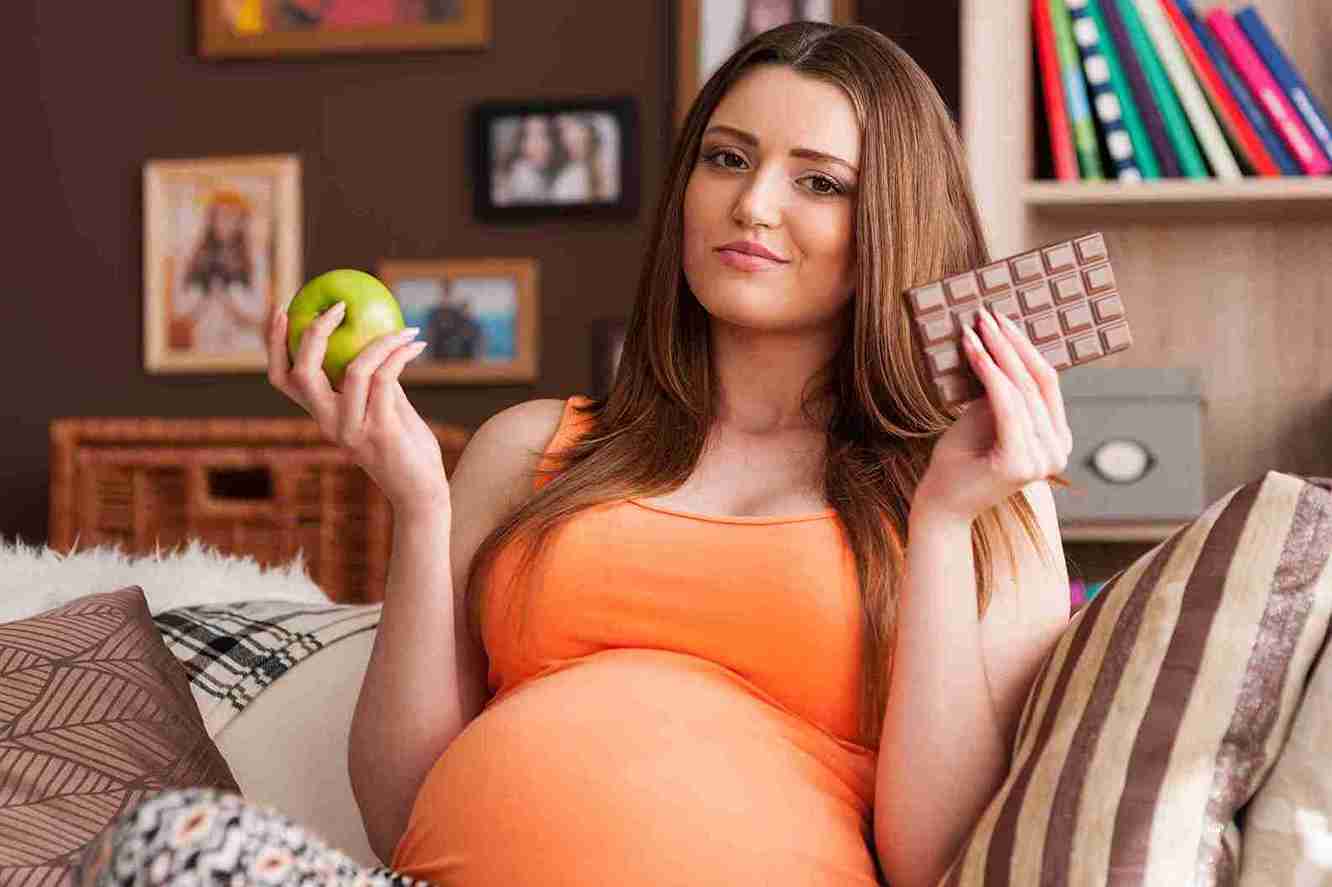
This is one of the most common questions, and the answer is: sometimes—but not reliably.
A craving for red meat, eggs, or lentils may reflect the body's increased need for iron and protein. A strong desire for dairy products like milk, paneer, curd, or ice cream might indicate a need for calcium. A craving for salty foods sometimes reflects low sodium levels, which can occur when the body's blood volume expands rapidly. However, pregnancy nutrition is far more complex than what cravings alone might suggest. Many cravings involve foods with no clear link to any specific nutrient, and an intense craving for chips is probably not the body asking for a specific micronutrient. Cravings are influenced by many factors, such as hormones, emotions, smells, memories, and nausea.
A more reliable way to assess nutrient needs during pregnancy is through regular blood tests during antenatal checkups, which measure levels of iron, haemoglobin, vitamin D, and calcium. This is far more accurate than using cravings as a guide for what may be lacking.
A separate and more medically significant phenomenon is pica, a craving for non-food substances. This includes a desire to eat mud or clay (a condition called geophagia), chalk, raw rice, ice in large amounts, or even soap.
Pica is not the same as a food craving. It is strongly associated with iron-deficiency anaemia, which is extremely common among pregnant women. When the body is severely iron-depleted, it sometimes generates these unusual urges.
If you find yourself wanting to eat something that is not food, tell your doctor. Do not be embarrassed; it is a recognised medical phenomenon with a known cause and is treatable. A blood test will check your iron levels, and appropriate supplementation usually reduces or resolves the urge.
Giving in to pregnancy cravings in moderation is generally fine. There’s no need to treat your body as if it’s under lockdown or extreme restriction. But a few things are worth keeping in mind.
● Some cravings are for foods that need to be limited: Very salty or spicy foods eaten in large quantities can worsen swelling and heartburn. Excessive sugar is relevant for women managing gestational diabetes. Raw or undercooked foods, including certain street food preparations, carry a risk of infection. Giving in to cravings is fine; making them an everyday indulgence is not always the best idea.
● Substituting with healthy food: If the craving is for something cold and sweet, curd with a little honey is a better choice than ice cream every day. If salt is what the body wants, a small amount of salted roasted chana is a better option.
● Do not let cravings crowd out pregnancy nutrition: The most common nutritional failure during pregnancy is not eating badly, but eating one or two foods excessively and not getting enough variety. Iron-rich foods, protein, calcium, and fresh vegetables need to stay in the picture alongside whatever is being craved.
Book an online appointment with Dr. Neethimala Mekala for Pregnancy & Gynecology related issues.Some foods remain off-limits during pregnancy, no matter how strong the craving:
● Raw or undercooked meat, eggs, and seafood
● Unpasteurised dairy and soft cheese from local vendors
● Papaya in large quantities, especially raw or semi-ripe papaya
● Excessive caffeine intake
● Alcohol

Pregnancy cravings are normal, real, and sometimes very intense. They are shaped by hormones, emotions, and the body's changing biology, and for most women, following them in moderation is perfectly fine. Keep an eye on the unusual ones, make sure your overall pregnancy nutrition stays balanced, and if something feels very off, such as a craving for non-food substances, inform your doctor.
Want to consult the best gynecologists in India? Please find the links below.
Want to consult the best Maternity Packages in India? Please find the links below.

Pregnancy cravings are driven mainly by the sharp hormonal changes of early pregnancy; rising hCG, estrogen, and progesterone affect taste, smell, and the brain's reward system. The body's increased nutritional needs may also play a role. Emotional factors and comfort-seeking behaviour add to the mix. There is no single cause, as it is a combination of the body's biology and the mind responding to a significant physical change.
Yes, most pregnant women experience some form of craving during pregnancy, whether mild preferences or intense, specific urges. They are most common in the first and second trimesters. Craving during pregnancy is not a cause for concern on its own. The exception is pica, a craving for non-food substances like mud, chalk, or raw rice, which requires medical attention, as it is linked to iron deficiency and anaemia.
Occasionally, though it's not always reliable. A craving for red meat or lentils may reflect an iron need; a desire for dairy could point to a calcium need. But many cravings have no clear nutritional logic. Food cravings during pregnancy are influenced by too many factors to be read as a precise signal of nutritional deficiencies. Routine antenatal blood tests, checking iron, haemoglobin, vitamin D, and calcium, are a far more reliable way to identify actual deficiencies.
The most common pregnancy cravings include sour and tangy foods like raw mango, pickle, and tamarind; street food; cold things like ice cream; salty snacks; and specific combinations of sweet and salty or sour and creamy. These vary widely between women and regions. Pregnancy nutrition should not be built entirely around cravings; variety and balance matter alongside whatever the body is asking for.







 Best Gynecologists in Bellandur Best Gynecologists in Electronic City Best Gynecologists in HRBR LayoutBest Gynecologists in Jayanagar Best Gynecologists in Kanakapura RoadBest Gynecologists in Malleswaram Best Gynecologists in Nagarbhavi Best Gynecologists in Old Airport RoadBest Gynecologists in Sahakarnagar Best Gynecologists in Sarjapur RoadBest Gynecologists in ThanisandraBest Gynecologists in Varthur RoadBest Gynecologists in Whitefield Best Gynecologists in Industrial Area Phase IIBest Gynecologists in OMRBest Gynecologists in T NagarBest Gynecologists in New Industrial TownBest Gynecologists in IndirapuramBest Gynecologists in Golf Course RoadBest Gynecologists in Sector 14Best Gynecologists in Sector 47Best Gynecologists in Banjara HillsBest Gynecologists in GachibowliBest Gynecologists in Hitech CityBest Gynecologists in KompallyBest Gynecologists in Gomti NagarBest Gynecologists in MaladBest Gynecologists in NerulBest Gynecologists in VashiBest Gynecologists in Kailash ColonyBest Gynecologists in PatparganjBest Gynecologists in Punjabi BaghBest Gynecologists in VikaspuriBest Gynecologists in Gaur CityBest Gynecologists in Pari ChowkBest Gynecologists in Sector 51Best Gynecologists in Sector 5 Swastik ViharBest Gynecologists in Kalyani NagarBest Gynecologists in SB RoadBest Gynecologists in Pimple SaudagarBest Pediatricians in BellandurBest Pediatricians in Electronic CityBest Pediatricians in HRBR LayoutBest Pediatricians in JayanagarBest Pediatricians in Kanakapura RoadBest Pediatricians in MalleswaramBest Pediatricians in NagarbhaviBest Pediatricians in Old Airport RoadBest Pediatricians in SahakarnagarBest Pediatricians in Sarjapur RoadBest Pediatricians in ThanisandraBest Pediatricians in Varthur RoadBest Pediatricians in WhitefieldBest Pediatricians in Industrial Area Phase IIBest Pediatricians in OMRBest Pediatricians in T NagarBest Pediatricians in New Industrial TownshipBest Pediatricians in IndirapuramBest Pediatricians in Golf Course RoadBest Pediatricians in Sector 14Best Pediatricians in Sector 47Best Pediatricians in Hitech CityBest Pediatricians in Banjara HillsBest Pediatricians in GachibowliBest Pediatricians in KompallyBest Pediatricians in Gomti NagarBest Pediatricians in MaladBest Pediatricians in NerulBest Pediatricians in VashiBest Pediatricians in Kailash ColonyBest Pediatricians in PatparganjBest Pediatricians in Punjabi BaghBest Pediatricians in VikaspuriBest Pediatricians in Gaur CityBest Pediatricians in Pari ChowkBest Pediatricians in Sector 51Best Pediatricians in Sector 5 Swastik ViharBest Pediatricians in Kalyani NagarBest Pediatricians in SB RoadBest Pediatricians in Pimple Saudagar


