
It is 2 AM. Your toddler wakes up crying, but the cry sounds different. Hoarse, barky, almost like a seal. Then comes the cough. Loud, harsh, nothing like a normal cough. And with each breath in, there is a strange, high-pitched sound. Your heart is racing.
This is croup. And while it sounds absolutely terrifying at 2 AM, knowing what it is and what to do next makes all the difference.
Croup cough in children is one of those conditions that is far more alarming to hear than it usually is to treat. Most cases are managed at home. But there are situations where it becomes a medical emergency, and knowing the difference is what this guide is for.
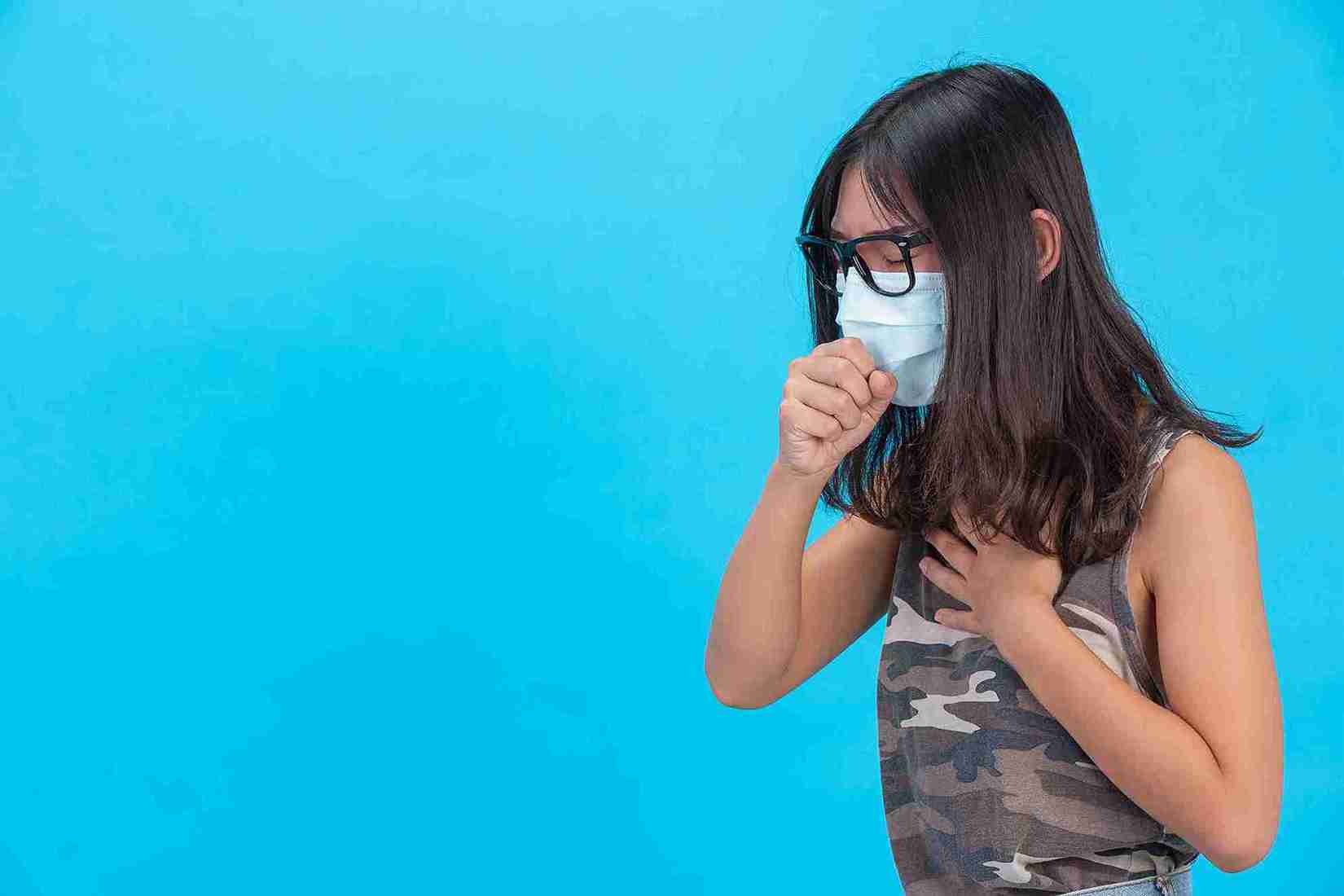
Croup is a viral infection that causes swelling in the upper airway, especially around the voice box (larynx) and the windpipe (trachea). This swelling narrows the airway, which is why the cough sounds so different from a regular cough and why breathing can become noisy.
The classic sound of a croup cough in children is a barking cough, often compared to the bark of a dog or the honk of a seal. Alongside this, many children develop a hoarse voice and a high-pitched stridor on breathing in. Stridor is the sound of air being pulled through a narrowed airway, and it is the sign that gets doctors' attention.
Croup is most common in children between 6 months and 5 years. It is mostly caused by the parainfluenza virus. It is the most common culprit, though other viruses, such as RSV and influenza, can also cause it.
This is not your imagination. Barking cough at night is a hallmark of croup, and there is a real reason for it.
During the day, an upright or sitting position helps keep the airway more open. When a child lies down to sleep, the swollen tissues shift slightly and the airway narrows further. Cooler night air can also irritate the airway. And when a child cries, as they inevitably do when they wake up frightened, the agitation and increased breathing effort worsen the symptoms.
A child coughing at night with a barky sound is almost diagnostic of croup. The good news is that symptoms often ease by morning, only to return the next night. Croup typically lasts three to five days, with the second and third nights usually being the worst.
Croup does not usually arrive without warning. It starts as an ordinary cold: runny nose, mild fever, a bit of a cough. Then, usually overnight, the cough changes character dramatically.
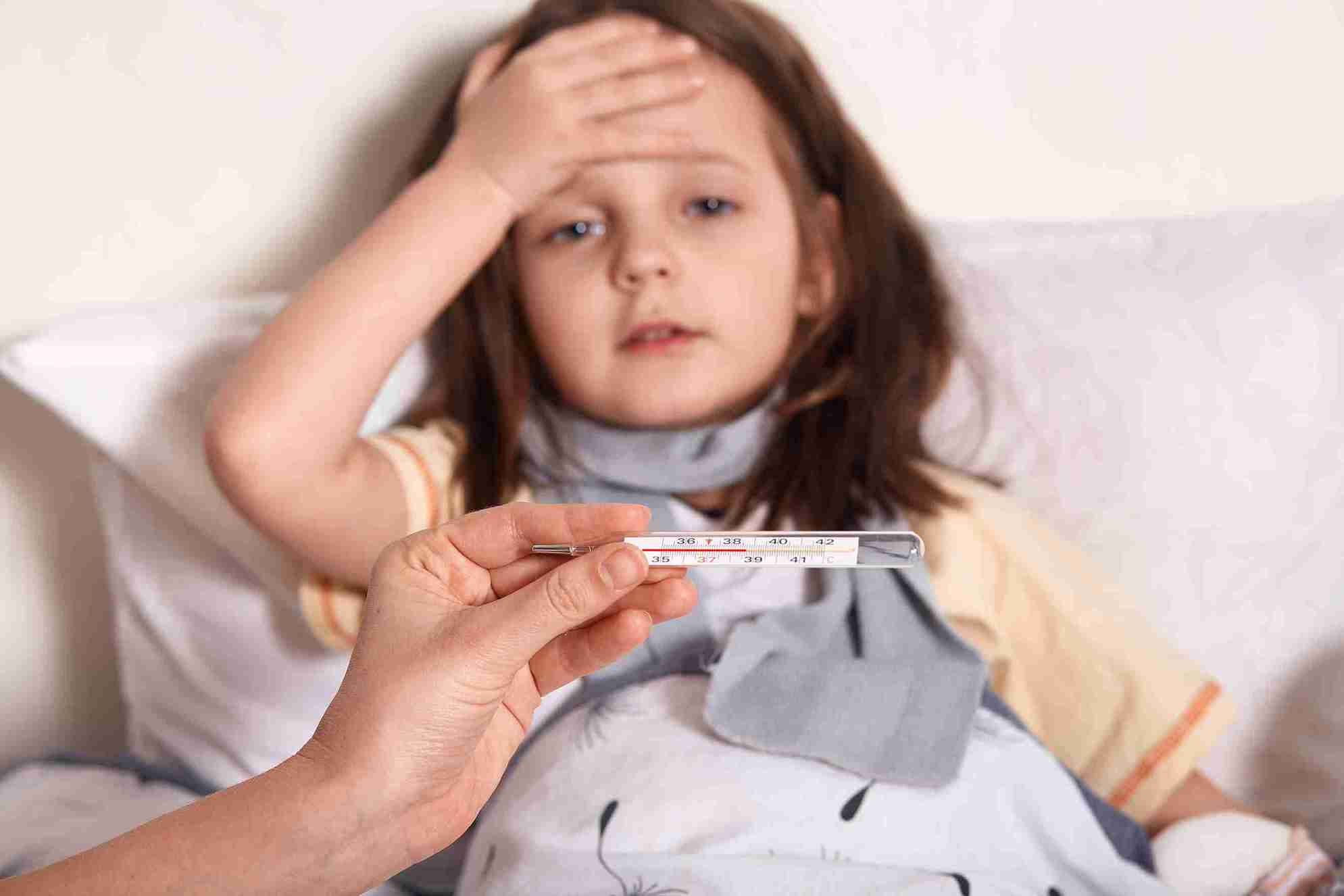
Croup symptoms in toddlers often look like this:
Stridor at rest, meaning the child is making that noisy breathing sound even when calm and not crying, is the sign that the airway is significantly narrowed and needs medical assessment. Stridor that appears only when the child is crying or agitated is less alarming but still warrants monitoring.
If your child wakes up with a barking cough at night and you are fairly sure it is croup, here is what to do before anything else.
In most cases of a child coughing at night with croup, the steps above resolve the cough. But certain signs indicate you need to go to the hospital immediately.
Go now if your child:
Drooling and difficulty swallowing should be flagged separately. These can sometimes indicate epiglottitis, a different and more serious condition that can look like croup, but needs urgent hospital treatment. If your child is drooling and holding their neck in an unusual position, do not wait.
In the hospital, croup is treated with a single dose of oral or injected corticosteroid, which reduces airway swelling quickly and effectively. For severe cases, nebulised adrenaline may be given to open the airway while the steroid takes effect. Most children improve significantly within a few hours of treatment.
Some children get croup repeatedly: three, four, or more episodes over a few years. This is called recurrent croup and while it sounds alarming, it is not uncommon. Some children simply have airways that are more reactive to viral infections.
Recurrent croup symptoms in toddlers follow the same pattern each time: a cold that turns into a barking cough overnight. Most children grow out of it as their airways get larger with age. If your child has had more than 2 or 3 episodes, mention this to your paediatrician. They may want to investigate if there is an underlying airway issue.
Croup sounds worse than usual, but it still deserves your full attention at 2 AM. Stay calm, sit your child upright, try cool air, and watch their breathing carefully. Know the warning signs that mean a hospital. Most children with croup are back to normal within a few days, and most parents who have been through it once feel much more confident the second time around.
Want to consult the best pediatrician in India? Please find the links below

Croup cough in children is a harsh, barking cough caused by viral swelling in the upper airway around the voice box and windpipe. It sounds like a dog barking or a seal honking and often comes with a hoarse voice and noisy breathing. It is most common in children under five and tends to start suddenly at night after a few days of cold symptoms.
A barking cough at night worsens because lying down shifts the swollen airway tissue, further narrowing it. Cooler night temperatures can also irritate the airway. When children wake up frightened and cry, their increased breathing effort worsens the narrowing. This is why croup often seems manageable during the day but becomes alarming after midnight.
Croup symptoms in toddlers start with a few days of typical cold symptoms, such as a runny nose, mild fever, and a normal cough. The first sign that croup has set in is usually an overnight change in the cough. It becomes harsh and barking, the voice goes hoarse, and some children develop a high-pitched sound when breathing in, called stridor.
Keep the child upright, stay calm yourself, and try taking them out into cool night air, even a few minutes on the balcony can ease symptoms. Cool mist in the room helps. Do not give cough syrups. Paracetamol at the correct dose for their weight in kg can help with fever. If stridor is present at rest or breathing looks very laboured, head to the hospital rather than continuing to manage at home.







 Best Gynecologists in Bellandur Best Gynecologists in Electronic City Best Gynecologists in HRBR LayoutBest Gynecologists in Jayanagar Best Gynecologists in Kanakapura RoadBest Gynecologists in Malleswaram Best Gynecologists in Nagarbhavi Best Gynecologists in Old Airport RoadBest Gynecologists in Sahakarnagar Best Gynecologists in Sarjapur RoadBest Gynecologists in ThanisandraBest Gynecologists in Varthur RoadBest Gynecologists in Whitefield Best Gynecologists in Industrial Area Phase IIBest Gynecologists in OMRBest Gynecologists in T NagarBest Gynecologists in New Industrial TownBest Gynecologists in IndirapuramBest Gynecologists in Golf Course RoadBest Gynecologists in Sector 14Best Gynecologists in Sector 47Best Gynecologists in Banjara HillsBest Gynecologists in GachibowliBest Gynecologists in Hitech CityBest Gynecologists in KompallyBest Gynecologists in Gomti NagarBest Gynecologists in MaladBest Gynecologists in NerulBest Gynecologists in VashiBest Gynecologists in Kailash ColonyBest Gynecologists in PatparganjBest Gynecologists in Punjabi BaghBest Gynecologists in VikaspuriBest Gynecologists in Gaur CityBest Gynecologists in Pari ChowkBest Gynecologists in Sector 51Best Gynecologists in Sector 5 Swastik ViharBest Gynecologists in Kalyani NagarBest Gynecologists in SB RoadBest Gynecologists in Pimple SaudagarBest Pediatricians in BellandurBest Pediatricians in Electronic CityBest Pediatricians in HRBR LayoutBest Pediatricians in JayanagarBest Pediatricians in Kanakapura RoadBest Pediatricians in MalleswaramBest Pediatricians in NagarbhaviBest Pediatricians in Old Airport RoadBest Pediatricians in SahakarnagarBest Pediatricians in Sarjapur RoadBest Pediatricians in ThanisandraBest Pediatricians in Varthur RoadBest Pediatricians in WhitefieldBest Pediatricians in Industrial Area Phase IIBest Pediatricians in OMRBest Pediatricians in T NagarBest Pediatricians in New Industrial TownshipBest Pediatricians in IndirapuramBest Pediatricians in Golf Course RoadBest Pediatricians in Sector 14Best Pediatricians in Sector 47Best Pediatricians in Hitech CityBest Pediatricians in Banjara HillsBest Pediatricians in GachibowliBest Pediatricians in KompallyBest Pediatricians in Gomti NagarBest Pediatricians in MaladBest Pediatricians in NerulBest Pediatricians in VashiBest Pediatricians in Kailash ColonyBest Pediatricians in PatparganjBest Pediatricians in Punjabi BaghBest Pediatricians in VikaspuriBest Pediatricians in Gaur CityBest Pediatricians in Pari ChowkBest Pediatricians in Sector 51Best Pediatricians in Sector 5 Swastik ViharBest Pediatricians in Kalyani NagarBest Pediatricians in SB RoadBest Pediatricians in Pimple Saudagar


