
Dengue fever is a viral infection transmitted by mosquitoes, particularly the Aedes aegypti species. It poses a significant health risk in many tropical and subtropical regions worldwide. Understanding dengue is essential for parents to recognize symptoms, take preventive measures, and ensure timely treatment for their children.
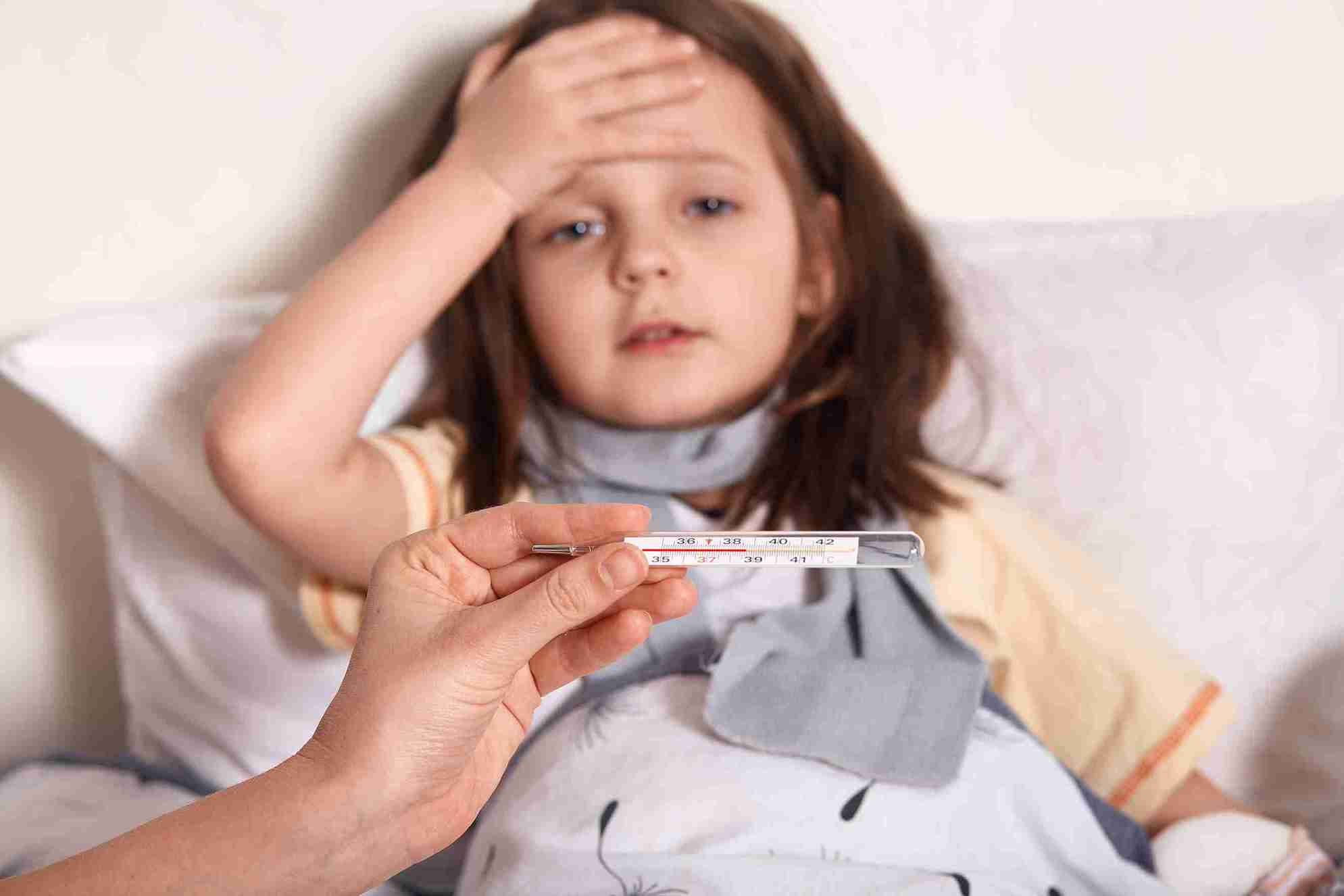
Dengue fever is caused by the dengue virus, which has four different serotypes. Infection with one type provides immunity only to that specific type, so a child can be infected multiple times. The disease can range from mild to severe, with severe dengue potentially leading to serious complications, including hemorrhagic fever and shock.
Symptoms of dengue typically appear 4 to 10 days after being bitten by an infected mosquito. Common signs include:
High Fever: Sudden onset of high fever (often above 102°F or 39°C).
Severe Headache: Intense headaches, particularly behind the eyes.
Joint and Muscle Pain: Often referred to as “breakbone fever” due to the severity of pain.
Rash: A rash may develop a few days after the fever begins.
Fatigue and Weakness: General tiredness and weakness are common.
Nausea and Vomiting: Some children may experience gastrointestinal symptoms.
In severe cases, symptoms can progress to bleeding, organ impairment, and difficulty breathing, necessitating immediate medical attention.
Parents should monitor their child closely for worsening symptoms. Seek medical help if:
High Fever Persists: A fever lasting more than two days without improvement.
Severe Symptoms Develop: Look for severe abdominal pain, persistent vomiting, bleeding gums, or nosebleeds.
Signs of Shock: Cold, clammy skin; rapid pulse; or difficulty breathing require immediate evaluation.
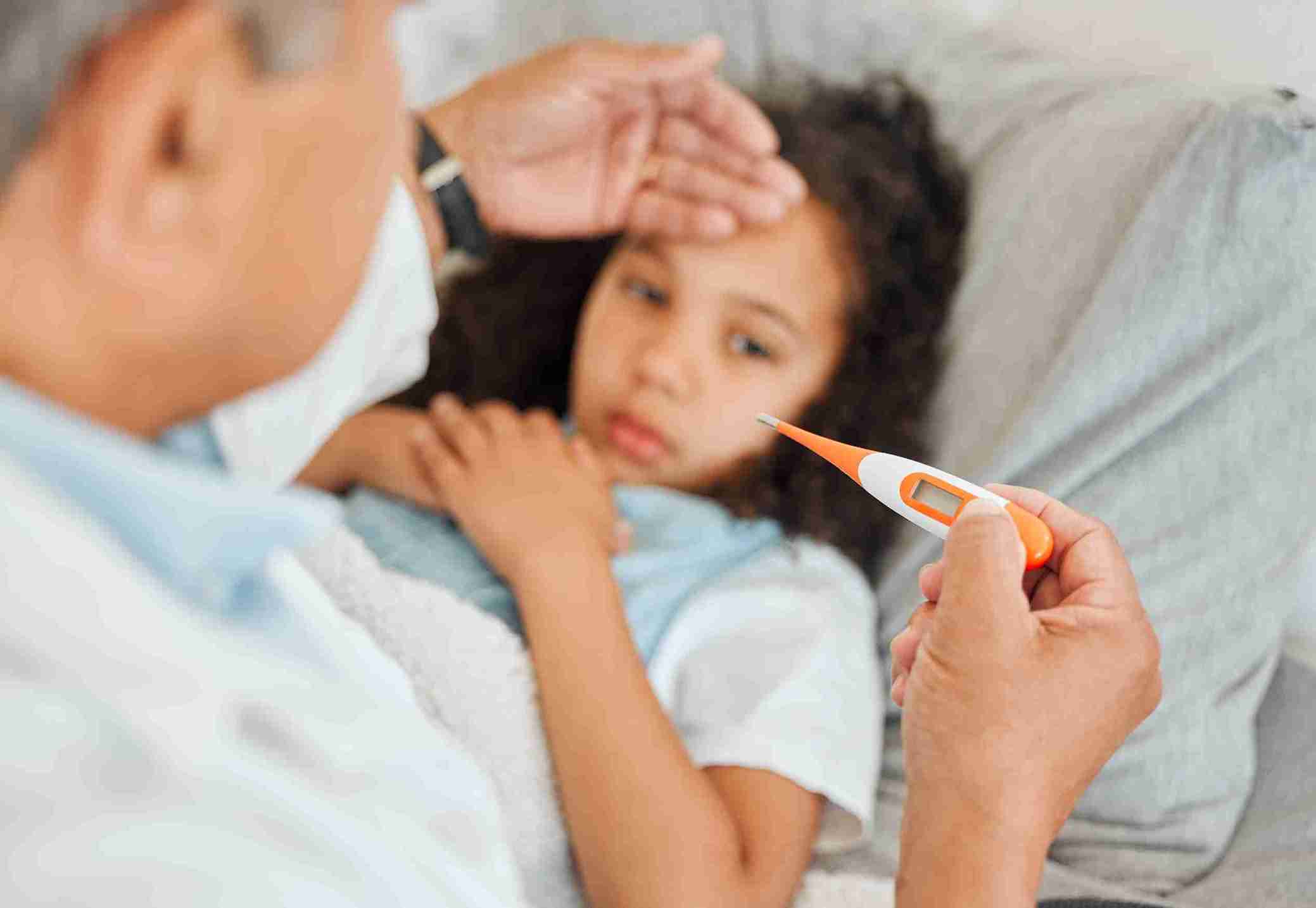
While there is no specific antiviral treatment for dengue, managing symptoms is crucial:
1. Hydration: Encourage your child to drink plenty of fluids to prevent dehydration. Oral rehydration solutions can be beneficial.
2. Pain Relief: Use acetaminophen (Tylenol) to relieve pain and reduce fever. Avoid ibuprofen and aspirin, as they can increase bleeding risk.
3. Rest: Ensure your child gets ample rest to help their body recover.
4. Monitor Symptoms: Keep track of your child’s symptoms and seek medical advice if they worsen or fail to improve.
Prevention is key to reducing the risk of dengue, especially in areas where the virus is prevalent:
1. Mosquito Control: Reduce mosquito breeding sites by eliminating standing water in and around your home (e.g., flower pots, buckets, and old tires).
2. Use Mosquito Repellent: Apply mosquito repellent on exposed skin, especially during peak mosquito activity times (early morning and late afternoon).
3. Protective Clothing: Dress your child in long-sleeved shirts and long pants to minimize skin exposure.
4. Screen Windows and Doors: Use screens on windows and doors to keep mosquitoes out of your home.
5. Community Awareness: Participate in community clean-up efforts to eliminate mosquito breeding sites and promote awareness about dengue.
Dengue fever can pose serious health risks to children, but with the right knowledge, parents can effectively manage and prevent the disease. Recognizing symptoms early and ensuring prompt medical care can significantly improve outcomes. By adopting preventive measures, parents can help protect their children from dengue, especially in high-risk areas. Always consult with your healthcare provider for personalized advice regarding dengue and other health concerns.

Want to consult the best pediatrician in India? Please find the links below

In general, dengue fever symptoms include high fever, intense headache, fever-associated rash, vomiting, and general tiredness. When these symptoms are mild in nature, dengue fever can be managed at home. Checking proper hydration through high water intake, medication with pain-relievers like acetaminophen (Tylenol), and good rest can yield fruitful results. If these symptoms aggravate, with bleeding, breathing difficulties, one should seek immediate medical attention.
Yes! Every child with a dengue infection carries the risk of a low platelet count, a condition called ‘thrombocytopenia’. The normal platelet levels of a healthy child vary between 165,000 and 473,000 platelets per μL of blood. However, a lower level count itself may not indicate the severity of the sickness.
A combination of supportive care with an attentive diet and hydration can surely help the child in the recovery process. Children diagnosed with dengue should avoid fried, oily, highly processed, and acidic foods, as they are hard to digest. Sugary beverages should also be restricted as they will trigger dehydration.
Yes, in some cases, dengue symptoms pop up again at regular intervals. Post-Dengue Syndrome (PDS) is a condition where persistent dengue symptoms continue long after the initial recovery. Such a condition can even cause other health issues. With continuous medical assistance, comprehensive treatment, a customised diet plan, and personal care, one can deal with the PSD effectively and build a good life.







 Best Gynecologists in Bellandur Best Gynecologists in Electronic City Best Gynecologists in HRBR LayoutBest Gynecologists in Jayanagar Best Gynecologists in Kanakapura RoadBest Gynecologists in Malleswaram Best Gynecologists in Nagarbhavi Best Gynecologists in Old Airport RoadBest Gynecologists in Sahakarnagar Best Gynecologists in Sarjapur RoadBest Gynecologists in ThanisandraBest Gynecologists in Varthur RoadBest Gynecologists in Whitefield Best Gynecologists in Industrial Area Phase IIBest Gynecologists in OMRBest Gynecologists in T NagarBest Gynecologists in New Industrial TownBest Gynecologists in IndirapuramBest Gynecologists in Golf Course RoadBest Gynecologists in Sector 14Best Gynecologists in Sector 47Best Gynecologists in Banjara HillsBest Gynecologists in GachibowliBest Gynecologists in Hitech CityBest Gynecologists in KompallyBest Gynecologists in Gomti NagarBest Gynecologists in MaladBest Gynecologists in NerulBest Gynecologists in VashiBest Gynecologists in Kailash ColonyBest Gynecologists in PatparganjBest Gynecologists in Punjabi BaghBest Gynecologists in VikaspuriBest Gynecologists in Gaur CityBest Gynecologists in Pari ChowkBest Gynecologists in Sector 51Best Gynecologists in Sector 5 Swastik ViharBest Gynecologists in Kalyani NagarBest Gynecologists in SB RoadBest Gynecologists in Pimple SaudagarBest Pediatricians in BellandurBest Pediatricians in Electronic CityBest Pediatricians in HRBR LayoutBest Pediatricians in JayanagarBest Pediatricians in Kanakapura RoadBest Pediatricians in MalleswaramBest Pediatricians in NagarbhaviBest Pediatricians in Old Airport RoadBest Pediatricians in SahakarnagarBest Pediatricians in Sarjapur RoadBest Pediatricians in ThanisandraBest Pediatricians in Varthur RoadBest Pediatricians in WhitefieldBest Pediatricians in Industrial Area Phase IIBest Pediatricians in OMRBest Pediatricians in T NagarBest Pediatricians in New Industrial TownshipBest Pediatricians in IndirapuramBest Pediatricians in Golf Course RoadBest Pediatricians in Sector 14Best Pediatricians in Sector 47Best Pediatricians in Hitech CityBest Pediatricians in Banjara HillsBest Pediatricians in GachibowliBest Pediatricians in KompallyBest Pediatricians in Gomti NagarBest Pediatricians in MaladBest Pediatricians in NerulBest Pediatricians in VashiBest Pediatricians in Kailash ColonyBest Pediatricians in PatparganjBest Pediatricians in Punjabi BaghBest Pediatricians in VikaspuriBest Pediatricians in Gaur CityBest Pediatricians in Pari ChowkBest Pediatricians in Sector 51Best Pediatricians in Sector 5 Swastik ViharBest Pediatricians in Kalyani NagarBest Pediatricians in SB RoadBest Pediatricians in Pimple Saudagar


