
Pregnancy is a journey filled with excitement, care, and regular health check-ups to keep track of both the mother's and the baby’s health. Monitoring fetal development throughout pregnancy is one of the most important parts of prenatal care. Among the various scans recommended by doctors, the growth scan in pregnancy plays a major role in assessing the baby’s development and overall well-being. This ultrasound helps doctors evaluate fetal growth, amniotic fluid levels, placenta health, and the baby’s position inside the womb.

A growth scan in pregnancy refers to an ultrasound test done to track the fetus' growth and development throughout pregnancy. The procedure is done in the second or third trimesters to help doctors check if the baby is growing normally based on the estimated age of pregnancy.
During a growth scan, the fetus’ head, abdomen, and thigh bone are measured to determine its weight and growth pattern. The test can also help check the heartbeat of the baby, movements, and general well-being.
Growth scans are essential because they give vital information regarding the health status of the baby during pregnancy. Some of the major reasons why growth scans should be conducted during pregnancy include:
Continuous monitoring allows the doctor to take necessary measures when abnormalities are identified.
One of the most frequent questions parents ask is how to perform a growth scan and at what week. In most cases, doctors recommend performing a growth scan between weeks 28 and 32 of gestation.
Nevertheless, in some cases, the timing of this scan may differ and depend on the overall health state of the mother and her child. For women with a high-risk pregnancy, additional scans in later pregnancy periods may be required.
Furthermore, patients often want to know in which week doctors normally recommend carrying out a growth scan. In uncomplicated pregnancies, only one scan carried out in the third trimester may be sufficient. Nevertheless, multiple scans might be needed in case of concern related to child development.
Another important point regarding growth scan in pregnancy which week is that the timing can differ for twins or pregnancies complicated by diabetes, hypertension, or reduced fetal movement.

One question that is most commonly search is: For a growth scan, how many weeks pregnant should one be? Typically, growth scans are done towards the end of the third trimester, after 28 weeks pregnant.
The answer to this question also depends on whether the pregnancy is low-risk or high-risk. Some women may need only one scan, while others may require repeated monitoring every few weeks to track fetal growth and placental function.
High-risk pregnancies, including twin pregnancies or pregnancies affected by gestational diabetes, often require closer observation and more frequent scans.
The head circumference, abdominal circumference, and femur length of the fetus are measured to estimate the fetal weight. The measurements are compared with the growth charts for determining if the baby is developing adequately.
An assessment of the amniotic fluid around the baby is made through the growth scan. An excess or insufficient quantity of amniotic fluid indicates pregnancy disorders.
The placenta plays an essential role in providing nutrition and oxygen to the baby. A growth scan helps in evaluating the condition of the placenta.
The scan can help determine whether the baby is in a head-down or breech position, especially during the later weeks of pregnancy.
Sometimes, the doctor may perform Doppler scans in order to monitor the blood flow from the placenta to the baby. This approach is especially important in case of high-risk pregnancies.
A growth scan can be conducted using an ultrasound test.
The procedure involves:
The entire procedure takes about 20 to 30 minutes to complete. The doctor or sonographer analyses the images and measurements carefully.
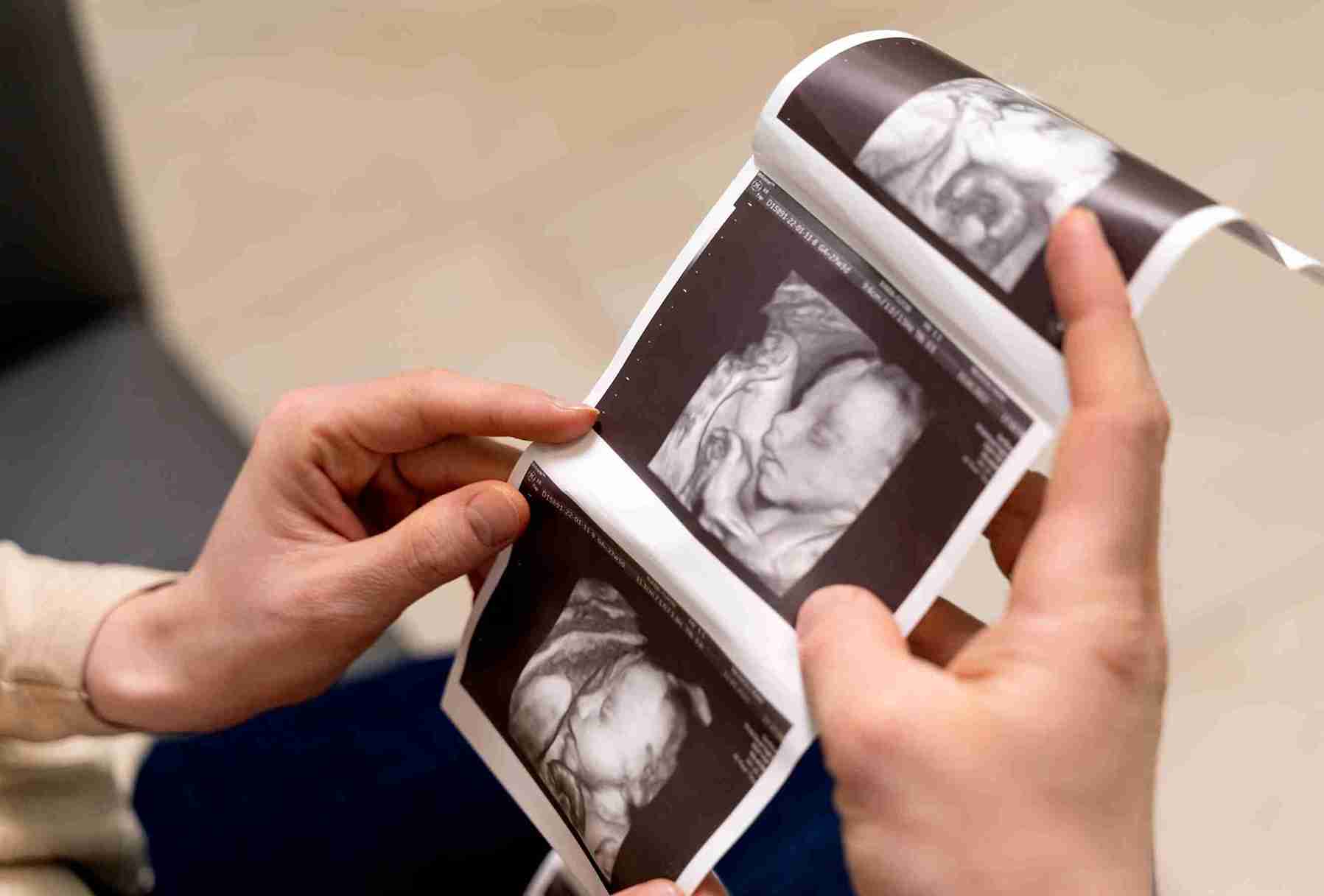
Yes ultrasound scans are deemed safe in pregnancy as long as they are conducted by professionals.
A growth scan:
It is advisable for doctors to conduct growth scans only if absolutely necessary.
Some women may require extra monitoring during pregnancy.
Additional growth scans may be advised in cases of:
Frequent scans help doctors monitor the baby’s health more closely.
In case the test raises issues regarding fetal development or the amount of amniotic fluid, further evaluation may be advised by the physician.
Some of the procedures that could be recommended include:
It should be noted that most of these conditions can be effectively handled when treated properly.
_11zon.jpg)
The preparation process for a growth scan is relatively simple.
Below are some recommendations:
Staying relaxed during the procedure can also help improve the experience.
Both types of scans are very significant but they have different purposes.
Some of the concerns that parents have prior to the scan include:
These inquiries help parents know more about their baby’s development.
You should see your doctor when you experience:
Medical intervention is imperative for the well-being of mothers and their babies.

Cloudnine is a leading maternity hospital that holistically takes care of your pregnancy. We place special emphasis on the maternal and fetal monitoring of patients with the latest diagnostic technology, fetal medicine specialists, and patient-centred approaches. From routine ultrasound to specialised fetal monitoring for complex pregnancies, Cloudnine ensures expert care through every step of your pregnancy journey.
Growth scanning is a crucial aspect of pre-birth care since it assists in determining the fetus’ growth, development, and general well-being throughout pregnancy. Through regular monitoring, doctors can get information regarding fetal weight, placental health, amniotic fluid, and the fetal position. This helps detect any possible complications that need to be addressed in time.
If you have concerns about your pregnancy, it is essential to consult your doctor about when to have the scan performed.
Want to consult the best gynecologists in India? Please find the links below.
Want to consult the best Maternity Packages in India? Please find the links below.

A growth scan is usually done during the seventh or eighth month of pregnancy, commonly between 28 and 32 weeks.
It helps monitor fetal growth, estimate baby weight, assess amniotic fluid levels, and detect complications early.
Yes, a growth scan at 32 weeks is very common and helps evaluate the baby’s development during the third trimester.
The scan provides an estimated fetal weight based on ultrasound measurements. The expected weight depends on the gestational age of the baby.







 Best Gynecologists in Bellandur Best Gynecologists in Electronic City Best Gynecologists in HRBR LayoutBest Gynecologists in Jayanagar Best Gynecologists in Kanakapura RoadBest Gynecologists in Malleswaram Best Gynecologists in Nagarbhavi Best Gynecologists in Old Airport RoadBest Gynecologists in Sahakarnagar Best Gynecologists in Sarjapur RoadBest Gynecologists in ThanisandraBest Gynecologists in Varthur RoadBest Gynecologists in Whitefield Best Gynecologists in Industrial Area Phase IIBest Gynecologists in OMRBest Gynecologists in T NagarBest Gynecologists in New Industrial TownBest Gynecologists in IndirapuramBest Gynecologists in Golf Course RoadBest Gynecologists in Sector 14Best Gynecologists in Sector 47Best Gynecologists in Banjara HillsBest Gynecologists in GachibowliBest Gynecologists in Hitech CityBest Gynecologists in KompallyBest Gynecologists in Gomti NagarBest Gynecologists in MaladBest Gynecologists in NerulBest Gynecologists in VashiBest Gynecologists in Kailash ColonyBest Gynecologists in PatparganjBest Gynecologists in Punjabi BaghBest Gynecologists in VikaspuriBest Gynecologists in Gaur CityBest Gynecologists in Pari ChowkBest Gynecologists in Sector 51Best Gynecologists in Sector 5 Swastik ViharBest Gynecologists in Kalyani NagarBest Gynecologists in SB RoadBest Gynecologists in Pimple SaudagarBest Pediatricians in BellandurBest Pediatricians in Electronic CityBest Pediatricians in HRBR LayoutBest Pediatricians in JayanagarBest Pediatricians in Kanakapura RoadBest Pediatricians in MalleswaramBest Pediatricians in NagarbhaviBest Pediatricians in Old Airport RoadBest Pediatricians in SahakarnagarBest Pediatricians in Sarjapur RoadBest Pediatricians in ThanisandraBest Pediatricians in Varthur RoadBest Pediatricians in WhitefieldBest Pediatricians in Industrial Area Phase IIBest Pediatricians in OMRBest Pediatricians in T NagarBest Pediatricians in New Industrial TownshipBest Pediatricians in IndirapuramBest Pediatricians in Golf Course RoadBest Pediatricians in Sector 14Best Pediatricians in Sector 47Best Pediatricians in Hitech CityBest Pediatricians in Banjara HillsBest Pediatricians in GachibowliBest Pediatricians in KompallyBest Pediatricians in Gomti NagarBest Pediatricians in MaladBest Pediatricians in NerulBest Pediatricians in VashiBest Pediatricians in Kailash ColonyBest Pediatricians in PatparganjBest Pediatricians in Punjabi BaghBest Pediatricians in VikaspuriBest Pediatricians in Gaur CityBest Pediatricians in Pari ChowkBest Pediatricians in Sector 51Best Pediatricians in Sector 5 Swastik ViharBest Pediatricians in Kalyani NagarBest Pediatricians in SB RoadBest Pediatricians in Pimple Saudagar


