
Honey is often seen as a natural and healthy sweetener for adults and older children. It is commonly added to warm drinks, desserts, and even home remedies because of its taste and nutritional value. However, when it comes to babies under 12 months, honey is not considered safe.
One of the biggest reasons doctors advise against giving honey to newborn babies is that an infant’s digestive system is still developing. Their immature gut and immune system may not be strong enough to handle certain bacteria found in honey. Understanding the connection between honey and infant health is important for every parent, especially during the first year of life. Avoiding honey during infancy is a simple but essential safety guideline that can help prevent serious illness.

Infants below the age of one can get infected with Clostridium botulinum bacteria found in honey. Although these bacteria cause no harm to older children and adults, infants do not have a developed immune system to fight them. These spores will multiply in the infant’s intestines and release certain toxins. Such toxins can impair the functioning of the nervous and muscular systems of an infant.
This is the reason why doctors warn against giving honey to young infants. Even small doses of honey can prove to be dangerous since the digestive system has not yet reached maturity.
Infant botulism is an extremely rare disease found in infants under one year old, which happens due to the multiplication of botulinum bacteria in the intestines along with the production of toxic substances. Such a toxin blocks the ability of nerve cells to connect to muscle fibres, causing muscle weakness and difficulty eating. Proper early treatment helps babies improve quickly.
Reasons why infants are at risk:
Underdeveloped bacteria in their intestines
Poor ability to cope with bacteria in the digestive system
It is important to understand that infant botulism is different from food poisoning botulism seen in adults. In babies, the bacteria grow inside the intestines rather than causing illness from toxins already present in food.
Yes, feeding honey to infants can be harmful since even minimal amounts can include spores that cause botulism. Honey here refers to raw honey, organic honey, or honey-based products. Parents believe that natural or organic honey is harmless to feed. However, honey in any form is not advisable for consumption by infants below the age of 12 months.
Using honey in cooking or baked foods does not necessarily make infants free from the dangers of the bacteria, since spores can survive such conditions. Foods with honey content need not be served until the baby is over one year old.
Some families may also hear advice about feeding honey to infants as a natural remedy for cough or digestion, but paediatricians do not recommend this practice.
Honey is mostly accepted as a suitable food after a child has turned one year old because by then, the digestive system has developed enough to resist any bacterial spores.
It is safe for parents to introduce honey slowly and in small amounts to their children after the first year of life.
Safe Methods of Introduction
After one year, you can safely use honey in your toddler’s diet in the following ways:
Stirring it into warm meals
Stirring it into oats and yoghurt
Occasional substitute for sugar
Honey is generally considered safe after a child turns one year old. By this age, the digestive system has become more mature and can usually handle bacterial spores without problems.
Parents can introduce honey gradually and in small amounts after the first birthday.
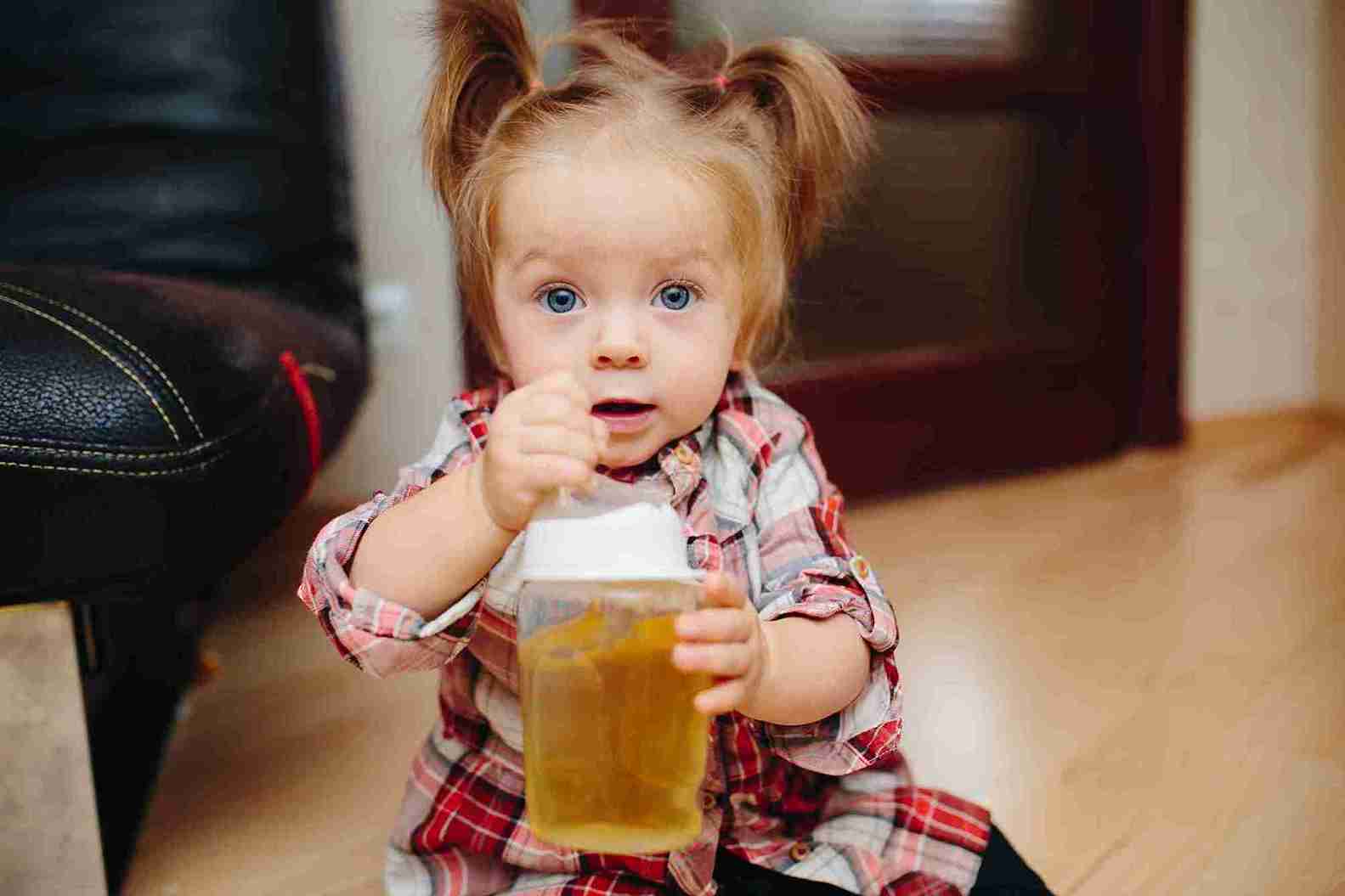
For toddlers older than one year, honey can be used in moderation by:
Mixing small amounts into warm foods
Adding honey to oatmeal or yoghurt
Using it occasionally instead of refined sugar
Even after age one, honey should still be consumed in moderation because it is high in sugar.
Parents should also remember:
Do not use honey as a remedy for infants under one year
Avoid excessive sugary foods in toddlers
Focus on balanced nutrition and healthy eating habits
Parents should know the warning signs of infant botulism so they can seek medical help quickly if needed.
Common symptoms include:
Weak cry
Poor feeding
Lethargy or unusual sleepiness
Floppy body movements
Drooping eyelids
Weak sucking reflex
Symptoms may develop gradually over several hours or days. Some babies may first appear tired or feed poorly before muscle weakness becomes more noticeable.
If parents notice concerning symptoms, they should contact a paediatrician immediately.
Many parents wonder if certain types of honey are safer than others. Unfortunately, the answer is no.
Organic honey is not considered safer for infants
Raw honey may still contain spores
Processed honey can also carry risk
No type of honey is recommended for babies under one year of age.
This includes homemade honey products, local honey, and imported honey varieties.

Honey may sometimes be hidden in foods or products parents do not immediately suspect. Reading labels carefully is important.
Examples include:
Breakfast cereals
Biscuits and cookies
Herbal syrups
Baked snacks
Pacifiers dipped in honey
Traditional home remedies
Some cultural remedies may include honey for soothing infants, but these practices should be avoided during the first year.
Babies do not need honey for healthy growth or taste development. There are many safer options that provide natural sweetness.
Parents can try:
Mashed banana
Apple puree
Mashed fruits
Breast milk or formula in recipes
Other age-appropriate natural foods
It is also best to avoid added sugars whenever possible during infancy.
Healthy feeding habits during infancy support proper growth and reduce unnecessary risks.
Helpful tips include:
Follow age-appropriate feeding guidelines
Introduce solids gradually
Read food labels carefully
Avoid unsafe home remedies
Consult a paediatrician before introducing new foods
Simple precautions can go a long way in protecting infant health.
If a baby accidentally consumes honey, parents should try not to panic. A single exposure does not always lead to illness.
Instead:
Monitor the baby closely over the next several days
Watch for symptoms such as constipation, poor feeding, or weakness
Contact a paediatrician if any concerning signs develop
Most importantly, avoid fear-based assumptions and seek medical guidance if needed.
Cloudnine Hospitals is known for its comprehensive paediatric and newborn care approach, helping parents navigate every stage of infant nutrition and development with confidence. The expert paediatricians at Cloudnine offer guidance and help monitor the child’s developmental milestones, and assist parents with any problems associated with their infant’s health. Cloudnine Hospitals emphasises prevention and educates parents, enabling them to make smart choices for their baby’s well-being.

Honey may be healthy for adults and older children, but it is not safe for babies under one year of age. Infants have immature digestive systems; exposure to botulinum spores can increase the risk of infant botulism. Understanding the link between honey and infant and completely avoiding honey during the first year is an important precaution that helps protect babies during a vulnerable stage of development. With safe feeding practices and proper awareness, parents can confidently support their baby’s healthy growth and nutrition.
best pediatricians in hyderabad
best pediatricians near me in bangalore
top pediatricians in chennai
best child specialist in chandigarh
best child specialist doctor in faridabad
Top pediatricians near me in gurugram
top child specialist in ludhiana
best pediatricians in lucknow
best pediatricians near me in new delhi
best child specialist in noida
best child specialist doctor in panchkula
Top pediatricians near me in pune

Yes, honey is generally considered safe after 12 months of age when introduced in small amounts.
Symptoms of infant botulism may appear gradually over several hours or days after exposure.
Doctors still recommend avoiding foods containing honey before age one because cooking may not completely destroy spores.
No. Organic honey is not considered safe for babies under 12 months.







 Best Gynecologists in Bellandur Best Gynecologists in Electronic City Best Gynecologists in HRBR LayoutBest Gynecologists in Jayanagar Best Gynecologists in Kanakapura RoadBest Gynecologists in Malleswaram Best Gynecologists in Nagarbhavi Best Gynecologists in Old Airport RoadBest Gynecologists in Sahakarnagar Best Gynecologists in Sarjapur RoadBest Gynecologists in ThanisandraBest Gynecologists in Varthur RoadBest Gynecologists in Whitefield Best Gynecologists in Industrial Area Phase IIBest Gynecologists in OMRBest Gynecologists in T NagarBest Gynecologists in New Industrial TownBest Gynecologists in IndirapuramBest Gynecologists in Golf Course RoadBest Gynecologists in Sector 14Best Gynecologists in Sector 47Best Gynecologists in Banjara HillsBest Gynecologists in GachibowliBest Gynecologists in Hitech CityBest Gynecologists in KompallyBest Gynecologists in Gomti NagarBest Gynecologists in MaladBest Gynecologists in NerulBest Gynecologists in VashiBest Gynecologists in Kailash ColonyBest Gynecologists in PatparganjBest Gynecologists in Punjabi BaghBest Gynecologists in VikaspuriBest Gynecologists in Gaur CityBest Gynecologists in Pari ChowkBest Gynecologists in Sector 51Best Gynecologists in Sector 5 Swastik ViharBest Gynecologists in Kalyani NagarBest Gynecologists in SB RoadBest Gynecologists in Pimple SaudagarBest Pediatricians in BellandurBest Pediatricians in Electronic CityBest Pediatricians in HRBR LayoutBest Pediatricians in JayanagarBest Pediatricians in Kanakapura RoadBest Pediatricians in MalleswaramBest Pediatricians in NagarbhaviBest Pediatricians in Old Airport RoadBest Pediatricians in SahakarnagarBest Pediatricians in Sarjapur RoadBest Pediatricians in ThanisandraBest Pediatricians in Varthur RoadBest Pediatricians in WhitefieldBest Pediatricians in Industrial Area Phase IIBest Pediatricians in OMRBest Pediatricians in T NagarBest Pediatricians in New Industrial TownshipBest Pediatricians in IndirapuramBest Pediatricians in Golf Course RoadBest Pediatricians in Sector 14Best Pediatricians in Sector 47Best Pediatricians in Hitech CityBest Pediatricians in Banjara HillsBest Pediatricians in GachibowliBest Pediatricians in KompallyBest Pediatricians in Gomti NagarBest Pediatricians in MaladBest Pediatricians in NerulBest Pediatricians in VashiBest Pediatricians in Kailash ColonyBest Pediatricians in PatparganjBest Pediatricians in Punjabi BaghBest Pediatricians in VikaspuriBest Pediatricians in Gaur CityBest Pediatricians in Pari ChowkBest Pediatricians in Sector 51Best Pediatricians in Sector 5 Swastik ViharBest Pediatricians in Kalyani NagarBest Pediatricians in SB RoadBest Pediatricians in Pimple Saudagar


