
Pregnancy is 40 weeks of constant change, not just for the mother, but for the tiny person growing inside. Every week, something new is forming, developing, or switching on. A heartbeat appears. Fingers form and separate. Eyes open. The brain moulds into its final shape.
Most parents know the broad strokes: first trimester is the most critical, the bump shows in the second, and the baby puts on weight in the third. But the detail of what is actually happening week by week is far more remarkable than that summary suggests.
Here is a clear look at fetal growth milestones across all three trimesters: what is developing, when it happens, and what the scans and measurements are tracking along the way.
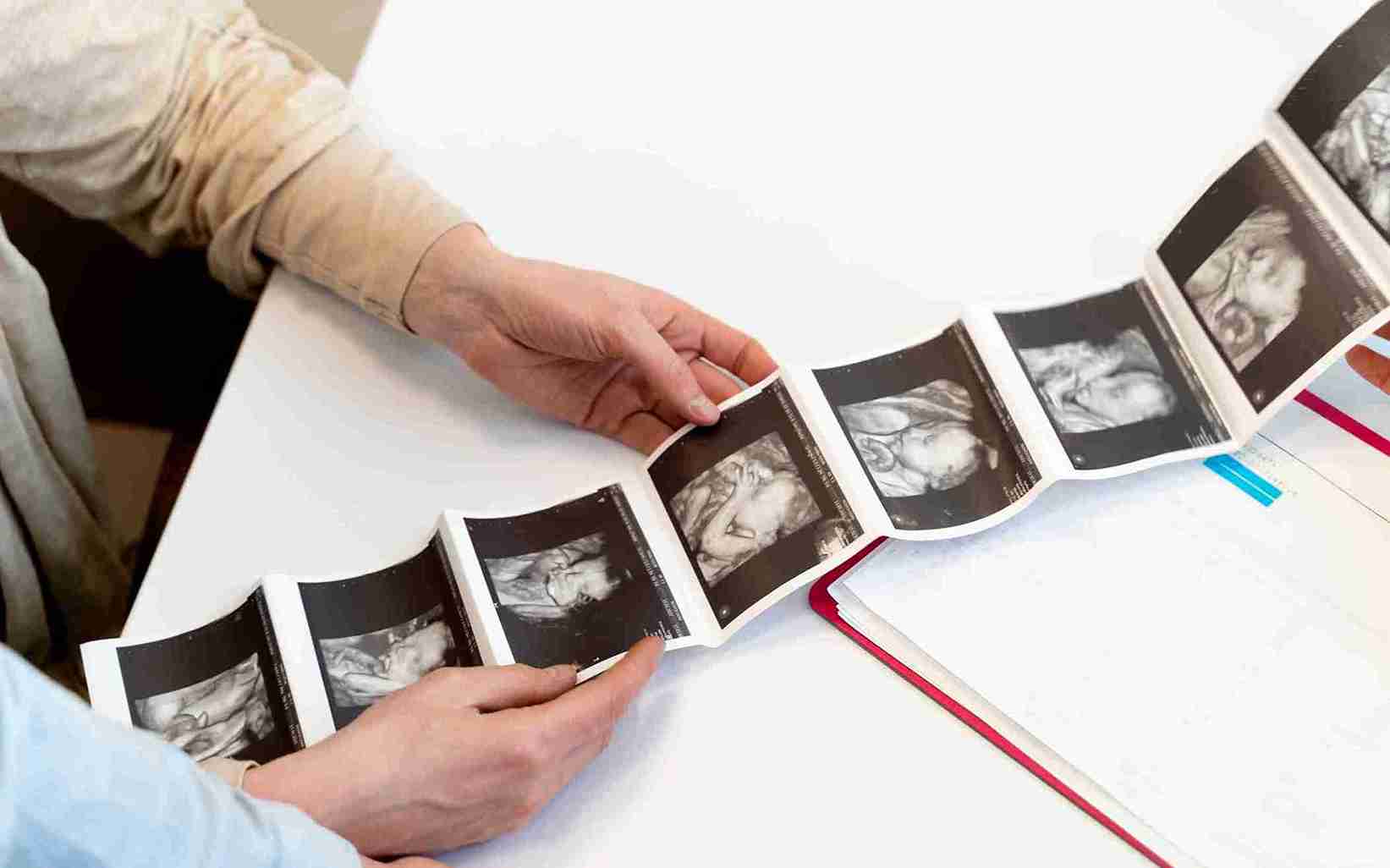
The first trimester is the most biologically intense period of the entire pregnancy. Almost every organ and structure that the baby will ever have is formed during these twelve weeks. This is why the first trimester carries the highest risk.
Conception happens around week two. By week three, the fertilised egg has implanted in the uterine lining and is now called an embryo. At this point, it is smaller than a poppy seed, but the cells are already dividing rapidly and beginning to organise into layers, each layer destined to become a different part of the body.
By week four, the neural tube, which will become the brain and spinal cord, begins to form. This is why folic acid is so important before conception and in the first weeks of pregnancy. It directly supports neural tube formation.
This is when fetal development accelerates dramatically.
The heart begins beating around weeks five to six, sometimes visible on an early scan as a rapid flicker.
The brain divides into its main regions.
Tiny buds appear that will become the arms and legs.
The eyes, ears, and nostrils begin to form as small pits on the head.
The intestines begin developing inside the umbilical cord before moving into the abdomen.
By week eight, the embryo is about 1.6 cm long, roughly the size of a kidney bean, and has recognisable human features, even at this early stage.
From week nine, the baby is no longer called an embryo. It is now called a fetus.
Fingers and toes separate.
The genitals start to form.
The kidneys produce urine, which enters the amniotic fluid.
Bones get harder.
The baby makes small, jerky movements.
By week 12, the baby is about 5 to 6 cm long and weighs around 14 grams.
The NT scan happens between weeks 11 and 13. It checks the baby's growth and looks for chromosomal conditions.

The second trimester is usually when women start feeling like themselves again. The nausea subsides, energy returns, and the belly shows. For the baby, these weeks are about the body growing and learning to work.
The face gets clearer, and the eyes move from the sides of the head to the front.
Soft hair called lanugo grows all over the body. It keeps the baby warm and falls off before or just after birth.
The baby swallows amniotic fluid, which helps the gut grow.
Facial muscles form, and the baby can frown, squint and grimace.
By week 16, the baby is around 11 to 12 cm long and weighs about 100 grams.
This is one of the most significant windows for pregnancy milestones.
The first movements felt by the mother are called quickening. This happens somewhere between weeks 18 and 22. First-time mothers feel it later than others. It feels like a faint flutter and is often mistaken for gas.
The baby starts hearing sounds from outside, like voices, music and loud noises.
A white, waxy coating called vernix grows over the skin to protect it from the amniotic fluid.
The anomaly scan is done between weeks 18 and 22. It looks at the baby from head to toe and is the most thorough scan in the whole pregnancy.
The lungs start to grow.
The brain grows rapidly and begins to form its folds and grooves.
The baby settles into a sleep-and-wake pattern. You may notice movement more at certain times of the day.
Fingerprints form.
By week 27, the baby is around 36 to 37 cm long and weighs between 900 grams and 1 kg.
The scan at this stage measures head width, thigh bone length and belly size. These are marked on a growth chart to see that the baby is growing as it should.

The hard structural work is largely done. The third trimester is mostly about the baby putting on weight, maturation of the organ systems, especially the lungs and brain, and getting into position for birth.
The lungs produce surfactant, a substance that prevents the air sacs from collapsing after birth. This is why babies born after 32 weeks have a significantly higher chance of survival.
The brain develops rapidly; this is a critical period for brain growth and folding.
The baby's eyes open and close, and it can respond to light.
Rapid weight gain begins: the baby is putting on fat under the skin, which will help regulate body temperature after birth.
By week 32, the baby weighs around 1.7-1.8 kg.
The bones harden further, though the skull remains soft and flexible for delivery.
Most babies turn head-down by 34 to 36 weeks in preparation for birth.
The baby is filling out: the skin, which was previously wrinkled, smooths out as fat deposits increase.
By week 36, the baby is considered late preterm; born at this stage, most do well with appropriate support.
From week 37, the pregnancy is considered full term.
The baby is largely fully formed but continues to put on weight, roughly 200 grams a week, in these final weeks.
The lungs are mature. The digestive and immune systems continue preparing.
The average baby at 40 weeks weighs between 2.8 and 3.5 kg and is around 48-52 cm long.
The baby settles lower into the pelvis, called engagement or lightening, in preparation for labour.

Every trimester brings a new set of changes that are easy to overlook when the focus is on how the mother is feeling. But fetal growth milestones tell their own story, one of extraordinary complexity unfolding in real time. Going for your scans, understanding what is being measured, and knowing what each trimester brings makes the experience of pregnancy richer and the antenatal appointments more meaningful.
Want to consult the best gynecologists in India? Please find the links below.
Want to consult the best Maternity Packages in India? Please find the links below.
=

In the first trimester, all major organs form from scratch: this is the most critical period of fetal development. The second trimester is about growth and refinement; the baby starts moving, hearing develops, and features become more defined. The third trimester focuses on weight gain and organ maturation, especially the lungs and brain.
Key fetal growth milestones include a heartbeat at around week six, visible limb buds by week eight, first movements felt between weeks 18-22, eyes opening around week 28, and head engagement in the pelvis by 34-36 weeks. Weight milestones include approximately 14 grams at 12 weeks, approximately 1 kg at 27 weeks, and between 2.8 and 3.5 kg at full term.
The baby starts making small movements from around week eight, but the mother cannot feel these. The first movements the mother feels usually occur between weeks 18 and 22. First-time mothers often feel it closer to week 22, while women who have been pregnant before may notice it as early as week 16-18. Movement becomes stronger and more regular through the third trimester.
Fetal growth is measured through ultrasound scans that track the head width, head circumference, abdominal circumference, and femur length. These are combined to estimate the baby's weight and plotted on a growth chart. Fundal height, the distance from the pubic bone to the top of the uterus, is also measured at each antenatal visit from around 20 weeks as a quick check on pregnancy milestones.







 Best Gynecologists in Bellandur Best Gynecologists in Electronic City Best Gynecologists in HRBR LayoutBest Gynecologists in Jayanagar Best Gynecologists in Kanakapura RoadBest Gynecologists in Malleswaram Best Gynecologists in Nagarbhavi Best Gynecologists in Old Airport RoadBest Gynecologists in Sahakarnagar Best Gynecologists in Sarjapur RoadBest Gynecologists in ThanisandraBest Gynecologists in Varthur RoadBest Gynecologists in Whitefield Best Gynecologists in Industrial Area Phase IIBest Gynecologists in OMRBest Gynecologists in T NagarBest Gynecologists in New Industrial TownBest Gynecologists in IndirapuramBest Gynecologists in Golf Course RoadBest Gynecologists in Sector 14Best Gynecologists in Sector 47Best Gynecologists in Banjara HillsBest Gynecologists in GachibowliBest Gynecologists in Hitech CityBest Gynecologists in KompallyBest Gynecologists in Gomti NagarBest Gynecologists in MaladBest Gynecologists in NerulBest Gynecologists in VashiBest Gynecologists in Kailash ColonyBest Gynecologists in PatparganjBest Gynecologists in Punjabi BaghBest Gynecologists in VikaspuriBest Gynecologists in Gaur CityBest Gynecologists in Pari ChowkBest Gynecologists in Sector 51Best Gynecologists in Sector 5 Swastik ViharBest Gynecologists in Kalyani NagarBest Gynecologists in SB RoadBest Gynecologists in Pimple SaudagarBest Pediatricians in BellandurBest Pediatricians in Electronic CityBest Pediatricians in HRBR LayoutBest Pediatricians in JayanagarBest Pediatricians in Kanakapura RoadBest Pediatricians in MalleswaramBest Pediatricians in NagarbhaviBest Pediatricians in Old Airport RoadBest Pediatricians in SahakarnagarBest Pediatricians in Sarjapur RoadBest Pediatricians in ThanisandraBest Pediatricians in Varthur RoadBest Pediatricians in WhitefieldBest Pediatricians in Industrial Area Phase IIBest Pediatricians in OMRBest Pediatricians in T NagarBest Pediatricians in New Industrial TownshipBest Pediatricians in IndirapuramBest Pediatricians in Golf Course RoadBest Pediatricians in Sector 14Best Pediatricians in Sector 47Best Pediatricians in Hitech CityBest Pediatricians in Banjara HillsBest Pediatricians in GachibowliBest Pediatricians in KompallyBest Pediatricians in Gomti NagarBest Pediatricians in MaladBest Pediatricians in NerulBest Pediatricians in VashiBest Pediatricians in Kailash ColonyBest Pediatricians in PatparganjBest Pediatricians in Punjabi BaghBest Pediatricians in VikaspuriBest Pediatricians in Gaur CityBest Pediatricians in Pari ChowkBest Pediatricians in Sector 51Best Pediatricians in Sector 5 Swastik ViharBest Pediatricians in Kalyani NagarBest Pediatricians in SB RoadBest Pediatricians in Pimple Saudagar


