





Pelvic Inflammatory Disease (PID) is a significant health problem for Indian women. Studies from rural and urban areas show high rates of gynaecological infections. Many women don't know they have PID. The infection can damage your reproductive organs and make it hard to get pregnant if left untreated. Knowing the early signs of pelvic inflammatory disease helps you get treatment before serious problems develop.
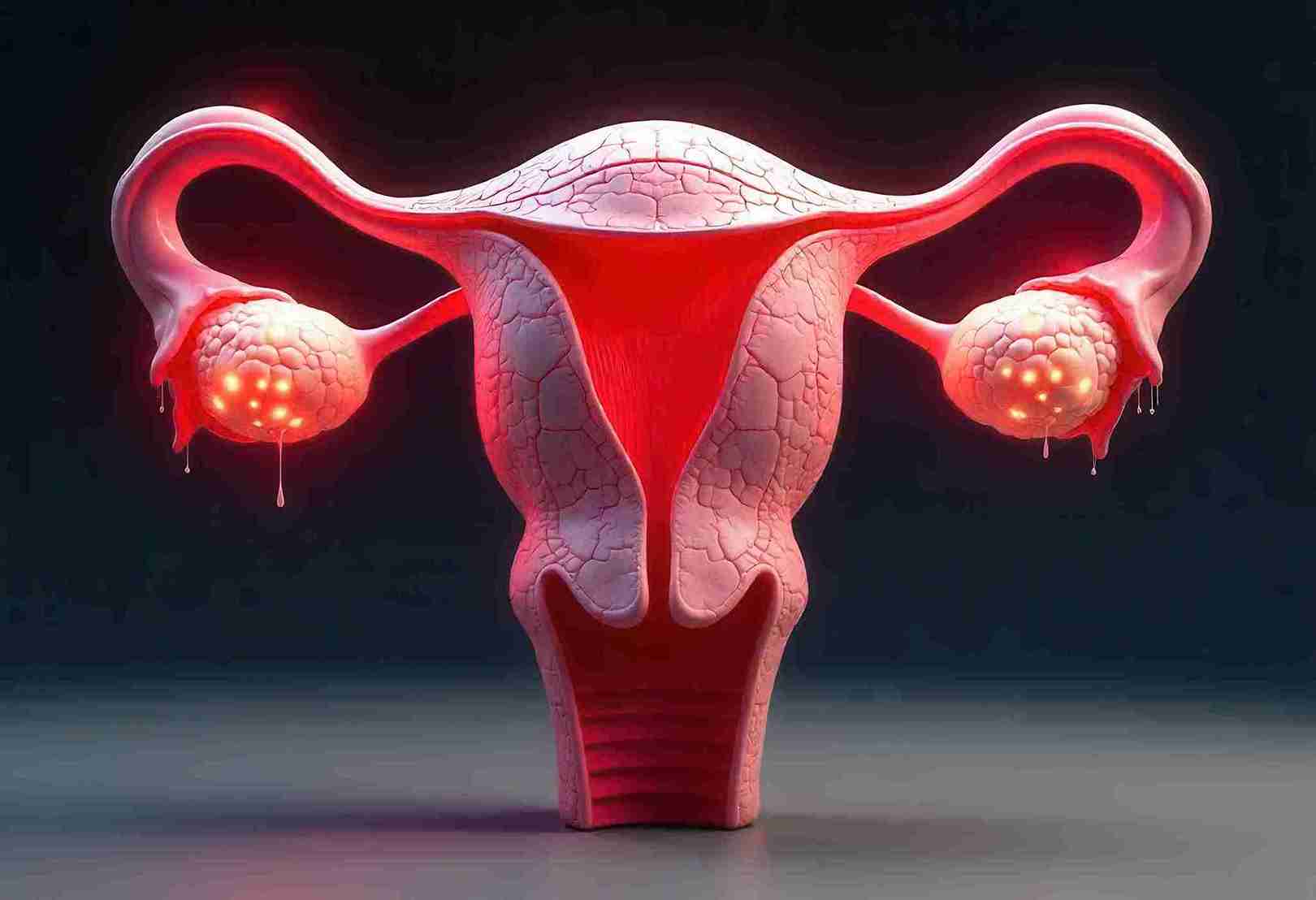
Pelvic inflammatory disease is an infection of the reproductive organs in women that affects the ovaries, uterus and fallopian tubes. The infection starts when bacteria move from the vagina and cervix upward into these organs. In India, the causes of PID differ from those in Western countries. Research from Mumbai and other cities shows that bacterial vaginosis is very common. Studies have also found bacteria like Staphylococcus aureus, E. coli, and Klebsiella pneumoniae in many PID cases. Chlamydia trachomatis was found in about 26 per cent of PID patients in Indian hospitals. In rural areas, women often don't recognise symptoms until the infection becomes severe.
The tricky part about PID is that symptoms can be very mild. Some women have no symptoms at all. About 70 per cent of women with PID experience few or no symptoms. This is why PID is often called a "silent infection." When early symptoms of PID do show up, they can be vague. Women might mistake them for other problems. Here are the warning signs to watch for:
Pain in the lower belly is the most common symptom of pelvic inflammatory disease. The pain can range from mild to severe. It might feel like a dull ache or sharp cramping. The pain usually appears on both sides of the lower abdomen. However, it can be worse on one side, even when both fallopian tubes are infected. Some women have pain that comes and goes. Others have constant discomfort. The pain often gets worse during sex. It might also hurt more during your period or when urinating. Some women feel pain toward the end of their menstrual period or in the days right after.
Changes in vaginal discharge are a common sign of PID in women. The discharge might be heavier than normal. It can look yellow, green, or greyish. Many women notice a bad smell, often described as fishy or foul. The discharge comes from inflammation in the cervix and uterus. As the infection spreads, the discharge can become more noticeable and have a stronger odour.
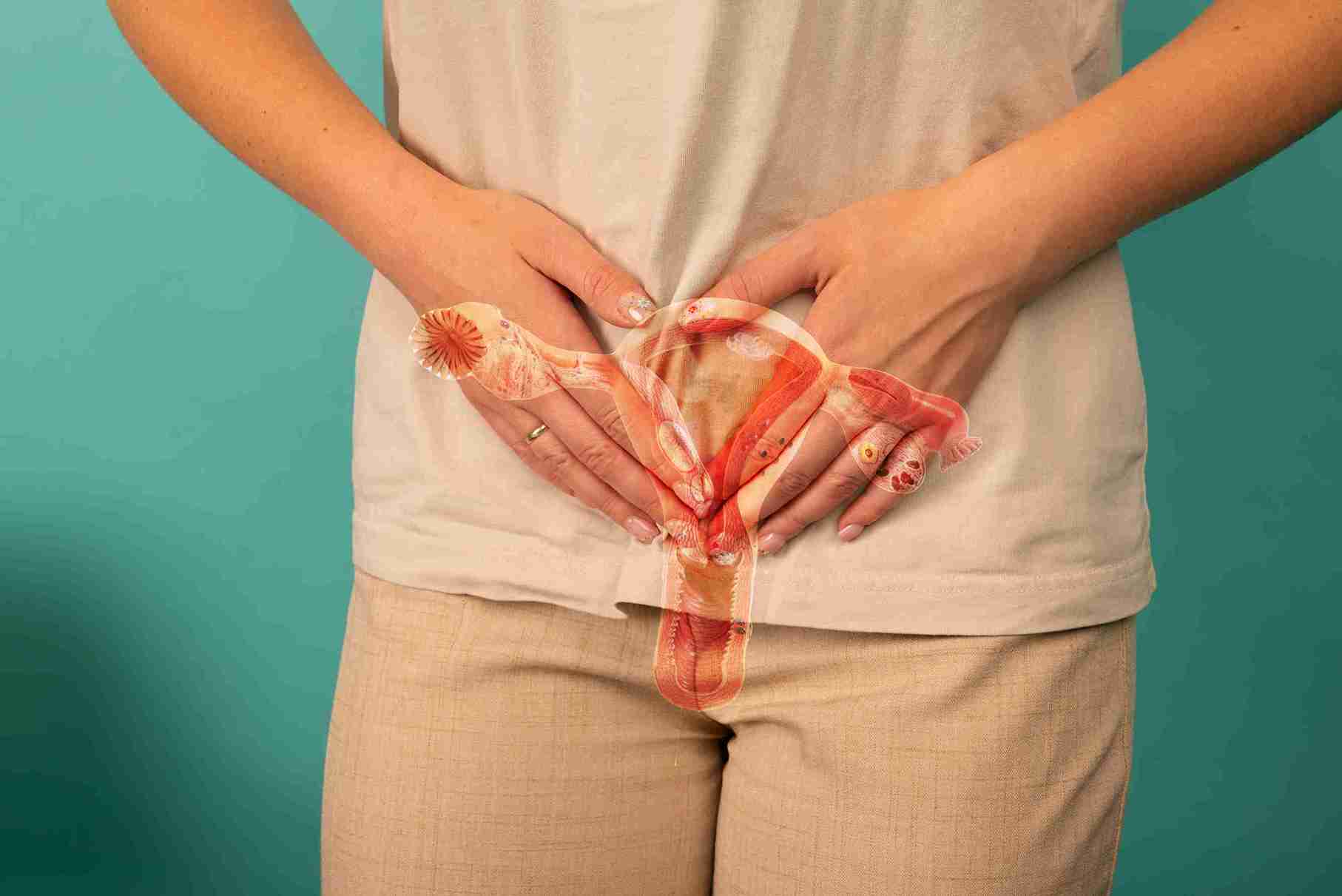
Bleeding between periods is another early warning sign. Some women have bleeding after sex. Others notice spotting that happens at unexpected times in their cycle. The bleeding happens because PID causes inflammation of the uterine lining. This is called endometritis. It can destabilise the lining and cause it to shed at irregular intervals.
Pain or burning during urination can indicate PID. The infection can irritate the urinary tract. This makes urination uncomfortable. Many women think they have a urinary tract infection. While UTIs are different from PID, having pain when you pee along with pelvic pain or unusual discharge should make you see a doctor.
Painful intercourse, called dyspareunia, affects many women with PID. The pain might happen during sex or right after. It can feel like deep pressure or sharp pain in the pelvis. This happens because infected organs are tender and inflamed. Movement during sex causes discomfort.
Some women develop a low-grade fever with PID. The fever is usually below 101°F (38.3°C). However, in more severe cases, the fever can go higher. A fever shows your body is fighting an infection. If you have a fever along with pelvic pain and abnormal discharge, PID is a strong possibility.
.jpg)
In rare cases, PID spreads to the liver. This causes pain in the upper right abdomen. The pain gets worse with movement and breathing. This condition is called Fitz-Hugh-Curtis syndrome or perihepatitis. It happens when the infection spreads from the pelvis to the tissues around the liver.
If PID is not treated early, symptoms can become severe. PID warning signs in women that need immediate medical care include:
These symptoms mean the infection has spread or worsened. You need to go to the hospital right away. Severe PID can cause tubo-ovarian abscess, pelvic peritonitis or sepsis.
Certain factors increase your chances of getting PID:
You can take steps to protect yourself from PID by using protection during sex, getting tested for STIs and not douching. You need to get treated for bacterial vaginosis promptly and always maintain good hygiene. Keep the genital area clean and dry. Change pads or tampons regularly during periods.
See your doctor if you notice any pelvic inflammatory disease symptoms:
Don't wait to see if symptoms go away. Go to the hospital right away if you have severe abdominal pain, high fever, severe vomiting, or feel faint.

Recognising the warning signs of PID can protect your reproductive health. Lower belly pain, unusual discharge, abnormal bleeding, and pain during sex or urination are common symptoms. Many women have mild symptoms or no symptoms, which makes this infection dangerous. If you notice any changes, see your doctor right away. Early treatment clears the infection and prevents serious problems.

PID is an infection of the reproductive organs in women, including the uterus, fallopian tubes or ovaries. It can occur when bacteria move from the vagina and cervix upward into these organs. In India, bacterial vaginosis, E. coli, Staphylococcus aureus, and Chlamydia trachomatis cause most cases. The infection causes inflammation and can create scar tissue that damages reproductive organs, leading to infertility, chronic pelvic pain, and ectopic pregnancy if untreated.
The early signs of pelvic inflammatory disease include lower abdominal or pelvic pain (most common), abnormal vaginal discharge with a bad smell, bleeding between periods or after sex, pain during sex, painful urination, and low-grade fever. However, many women have very mild symptoms or no symptoms at all. This makes PID dangerous because it can cause serious damage even without obvious warning signs. See your doctor if you notice any unusual pelvic symptoms.
Yes, about 70 per cent of women with PID have few or no symptoms. The pelvic inflammatory disease symptoms can be so mild that women don't realise they have an infection. Some women have slight pelvic discomfort that they ignore or vague symptoms that they mistake for other problems. Even a silent PID with no symptoms can cause serious damage like scarring of the fallopian tubes, leading to infertility and ectopic pregnancy. This is why seeing a doctor for any unusual symptoms is needed.
No, lower belly pain has many causes. Appendicitis, ovarian cysts, ectopic pregnancy, UTIs, endometriosis, and digestive problems can all cause pelvic pain. However, if you're sexually active and have pelvic pain along with other PID warning signs in women, like abnormal discharge, unusual bleeding, pain during sex, or fever, PID is a strong possibility. Don't assume the pain is normal. See your doctor for proper diagnosis and treatment, especially if pain is new or getting worse.


 Best Gynecologists in Bellandur Best Gynecologists in Electronic City Best Gynecologists in HRBR LayoutBest Gynecologists in Jayanagar Best Gynecologists in Kanakapura RoadBest Gynecologists in Malleswaram Best Gynecologists in Nagarbhavi Best Gynecologists in Old Airport RoadBest Gynecologists in Sahakarnagar Best Gynecologists in Sarjapur RoadBest Gynecologists in ThanisandraBest Gynecologists in Varthur RoadBest Gynecologists in Whitefield Best Gynecologists in Industrial Area Phase IIBest Gynecologists in OMRBest Gynecologists in T NagarBest Gynecologists in New Industrial TownBest Gynecologists in IndirapuramBest Gynecologists in Golf Course RoadBest Gynecologists in Sector 14Best Gynecologists in Sector 47Best Gynecologists in Banjara HillsBest Gynecologists in GachibowliBest Gynecologists in Hitech CityBest Gynecologists in KompallyBest Gynecologists in Gomti NagarBest Gynecologists in MaladBest Gynecologists in NerulBest Gynecologists in VashiBest Gynecologists in Kailash ColonyBest Gynecologists in PatparganjBest Gynecologists in Punjabi BaghBest Gynecologists in VikaspuriBest Gynecologists in Gaur CityBest Gynecologists in Pari ChowkBest Gynecologists in Sector 51Best Gynecologists in Sector 5 Swastik ViharBest Gynecologists in Kalyani NagarBest Gynecologists in SB RoadBest Gynecologists in Pimple SaudagarBest Pediatricians in BellandurBest Pediatricians in Electronic CityBest Pediatricians in HRBR LayoutBest Pediatricians in JayanagarBest Pediatricians in Kanakapura RoadBest Pediatricians in MalleswaramBest Pediatricians in NagarbhaviBest Pediatricians in Old Airport RoadBest Pediatricians in SahakarnagarBest Pediatricians in Sarjapur RoadBest Pediatricians in ThanisandraBest Pediatricians in Varthur RoadBest Pediatricians in WhitefieldBest Pediatricians in Industrial Area Phase IIBest Pediatricians in OMRBest Pediatricians in T NagarBest Pediatricians in New Industrial TownshipBest Pediatricians in IndirapuramBest Pediatricians in Golf Course RoadBest Pediatricians in Sector 14Best Pediatricians in Sector 47Best Pediatricians in Hitech CityBest Pediatricians in Banjara HillsBest Pediatricians in GachibowliBest Pediatricians in KompallyBest Pediatricians in Gomti NagarBest Pediatricians in MaladBest Pediatricians in NerulBest Pediatricians in VashiBest Pediatricians in Kailash ColonyBest Pediatricians in PatparganjBest Pediatricians in Punjabi BaghBest Pediatricians in VikaspuriBest Pediatricians in Gaur CityBest Pediatricians in Pari ChowkBest Pediatricians in Sector 51Best Pediatricians in Sector 5 Swastik ViharBest Pediatricians in Kalyani NagarBest Pediatricians in SB RoadBest Pediatricians in Pimple Saudagar


