
Finding a bump down there can be worrying, but most of the time it is harmless. A vaginal pimple is common, usually clears up on its own, and does not mean you have done anything wrong. If you are asking yourself, how do I get rid of pimples on my pubic area, the answer starts with gentle care and patience. This guide explains what these bumps are, what else they could be, how to care for them safely, and when to see a doctor.

A vaginal pimple is a small pimple on the vulva, the skin at the vaginal opening. It does not form inside the vagina, which is the internal canal.
A typical pimple is a small, raised bump that may be red, brown, or the same colour as your skin. Bumps here can also be ingrown hairs, folliculitis, cysts, blisters, sores, or infection-related lesions. Most minor bumps settle by themselves. See a doctor if a bump is painful, lasts long, keeps growing, keeps coming back, comes with sores, blisters, or unusual discharge, or if you are unsure what it is.
A vaginal pimple may look and feel like this:
Some bumps cause no pain at all. These signs can overlap with other genital conditions, so how a bump looks cannot confirm that it is a pimple.
Any bump on the vulva is not a pimple. Here are few others that look like it:
Please do not try to diagnose these on your own from appearance alone. This matters most when a bump is painful, lasts long, keeps coming back, looks like a blister, or comes with other symptoms.

An STI does not always cause a "pimple". Different infections cause different bumps, sores, blisters, or growths.
Other symptoms can include unusual discharge or discomfort while urinating. Appearance alone cannot confirm an STI. If you suspect one, or your symptoms are unusual or do not go away, get tested and see a doctor.
There are many pimples on private parts female causes, and poor hygiene is not usually one of them. In fact, over-washing can make things worse.
Look at how the bump appears and what comes with it, such as pain, itching, pus, blisters, discharge, or bumps that keep returning. These clues help narrow down the pimples on private parts female causes in your case. Do not squeeze or pop genital bumps. Seek medical advice if they are painful, recurring, spreading, linked with sores, discharge, or fever, or do not improve.
Pimples on private parts female treatment depends on the cause. Most pimples on the genitals clear up with simple care and need no treatment. Your doctor may diagnose folliculitis, ingrown hairs, a skin condition, or an infection, and each is treated differently.
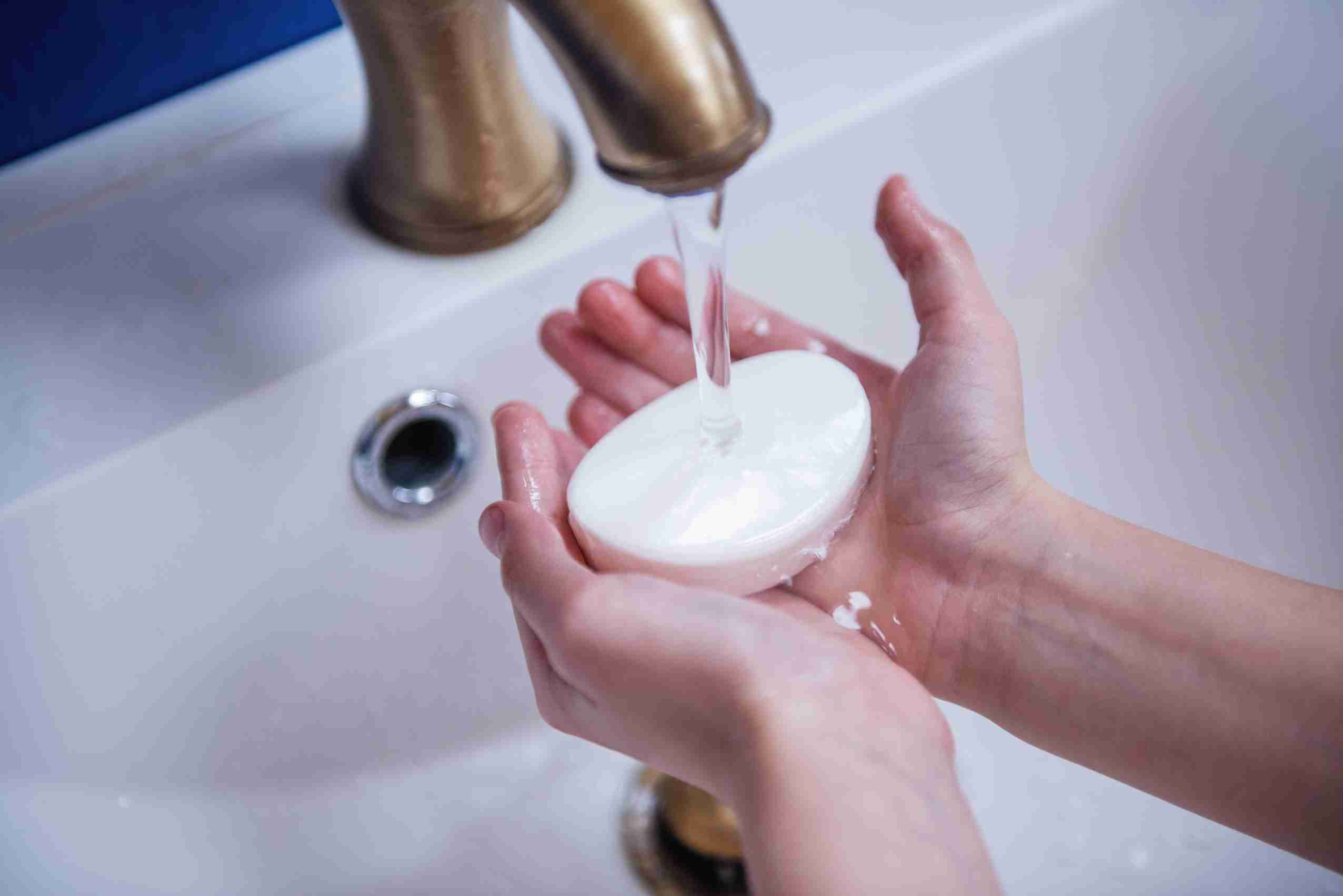
Many women search for cyst pimples on private parts female home remedies, but the aim of home care is only to reduce irritation and let the skin heal. A true cyst, such as a Bartholin cyst, needs a doctor's check.
Tea tree oil, vinegar, and witch hazel can sting and burn sensitive genital skin, so it is best to avoid them.
No. If you are wondering how do I get rid of pimples on my pubic area quickly, popping is not the answer. If you pop it, the irritation may increase, the infection may worsen, healing may be delayed, and leave a scar.
Not every genital bump can be prevented, as some are linked to skin conditions, infections, or hormonal changes.
In the majority of instances, pimples on sensitive locations are not a dire situation and can be treated with home remedies or over-the-counter solutions. There are, however, some situations where medical intervention is required:
Medical professionals at Cloudnine provide expert consultation to assist you with vaginal hygiene and health concerns. If you require diagnosis or tailored treatment solutions, Cloudnine physicians are at your disposal.

Vaginal pimples, though most commonly annoying and uncomfortable, are typically benign and can be taken care of with basic home care or over-the-counter medication. However, if the pimples continue to cause discomfort, pain or unusual symptoms, don’t delay seeking professional help. With proper attention to cleanliness, adhering to soft treatment, and with professional guidance where needed, one can prevent pimples in vaginal regions.

A pimple is usually small, near a hair follicle, and often has a white or yellow tip. A cyst, such as a Bartholin cyst, is a deeper lump that can grow larger and feel painful. Looks alone can be misleading, so if a lump is growing, painful, or lasts more than a few days, have a gynaecologist examine it.
Yes, it is quite common. The vulva has hair follicles and oil glands, so pimples can form just as they do elsewhere on the body. Sweat, friction, shaving, and hormonal changes are common triggers. Most settle on their own. See a doctor if the bump is painful, keeps returning, or comes with sores or discharge.
Some bumps may fade without treatment, but that does not mean the infection has gone. Herpes can come back, and HPV and syphilis need medical care. Do not wait for it to pass. If you think a bump may be related to an STI, get tested and seek medical advice.
Yes, it can. Shaving may cause ingrown hairs. In some cases, the bacteria may enter the irritated skin and form as a pus-filled lump. Always use a clean, sharp razor, shave in the direction of hair growth, and avoid shaving irritated skin. See a doctor if the lump is large or painful.


 Best Gynecologists in Bellandur Best Gynecologists in Electronic City Best Gynecologists in HRBR LayoutBest Gynecologists in Jayanagar Best Gynecologists in Kanakapura RoadBest Gynecologists in Malleswaram Best Gynecologists in Nagarbhavi Best Gynecologists in Old Airport RoadBest Gynecologists in Sahakarnagar Best Gynecologists in Sarjapur RoadBest Gynecologists in ThanisandraBest Gynecologists in Varthur RoadBest Gynecologists in Whitefield Best Gynecologists in Industrial Area Phase IIBest Gynecologists in OMRBest Gynecologists in T NagarBest Gynecologists in New Industrial TownBest Gynecologists in IndirapuramBest Gynecologists in Golf Course RoadBest Gynecologists in Sector 14Best Gynecologists in Sector 47Best Gynecologists in Banjara HillsBest Gynecologists in GachibowliBest Gynecologists in Hitech CityBest Gynecologists in KompallyBest Gynecologists in Jawahar NagarBest Gynecologists in Gomti NagarBest Gynecologists in Phase 3, Sector 58Best Gynecologists in MaladBest Gynecologists in NerulBest Gynecologists in VashiBest Gynecologists in Kailash ColonyBest Gynecologists in PatparganjBest Gynecologists in Punjabi BaghBest Gynecologists in RohiniBest Gynecologists in VikaspuriBest Gynecologists in Gaur CityBest Gynecologists in Pari ChowkBest Gynecologists in Sector 51Best Gynecologists in Sector 5 Swastik ViharBest Gynecologists in Kalyani NagarBest Gynecologists in SB RoadBest Gynecologists in Pimple SaudagarBest Pediatricians in BellandurBest Pediatricians in Electronic CityBest Pediatricians in HRBR LayoutBest Pediatricians in JayanagarBest Pediatricians in Kanakapura RoadBest Pediatricians in MalleswaramBest Pediatricians in NagarbhaviBest Pediatricians in Old Airport RoadBest Pediatricians in SahakarnagarBest Pediatricians in Sarjapur RoadBest Pediatricians in ThanisandraBest Pediatricians in Varthur RoadBest Pediatricians in WhitefieldBest Pediatricians in Industrial Area Phase IIBest Pediatricians in OMRBest Pediatricians in T NagarBest Pediatricians in New Industrial TownshipBest Pediatricians in IndirapuramBest Pediatricians in Golf Course RoadBest Pediatricians in Sector 14Best Pediatricians in Sector 47Best Pediatricians in Hitech CityBest Pediatricians in Banjara HillsBest Pediatricians in GachibowliBest Pediatricians in KompallyBest Pediatricians in Jawahar NagarBest Pediatricians in Gomti NagarBest Pediatricians in Phase 3, Sector 58Best Pediatricians in MaladBest Pediatricians in NerulBest Pediatricians in VashiBest Pediatricians in Kailash ColonyBest Pediatricians in PatparganjBest Pediatricians in Punjabi BaghBest Pediatricians in RohiniBest Pediatricians in VikaspuriBest Pediatricians in Gaur CityBest Pediatricians in Pari ChowkBest Pediatricians in Sector 51Best Pediatricians in Sector 5 Swastik ViharBest Pediatricians in Kalyani NagarBest Pediatricians in SB RoadBest Pediatricians in Pimple Saudagar


