
You wake up, look in the mirror, and see another painful pimple on your chin. You wonder why this keeps happening, even though you are no longer a teenager. You wash your face, try new products, and still the breakouts return. If this sounds familiar, you are not alone. Understanding why hormonal acne in women happens is the first step toward clearer skin.
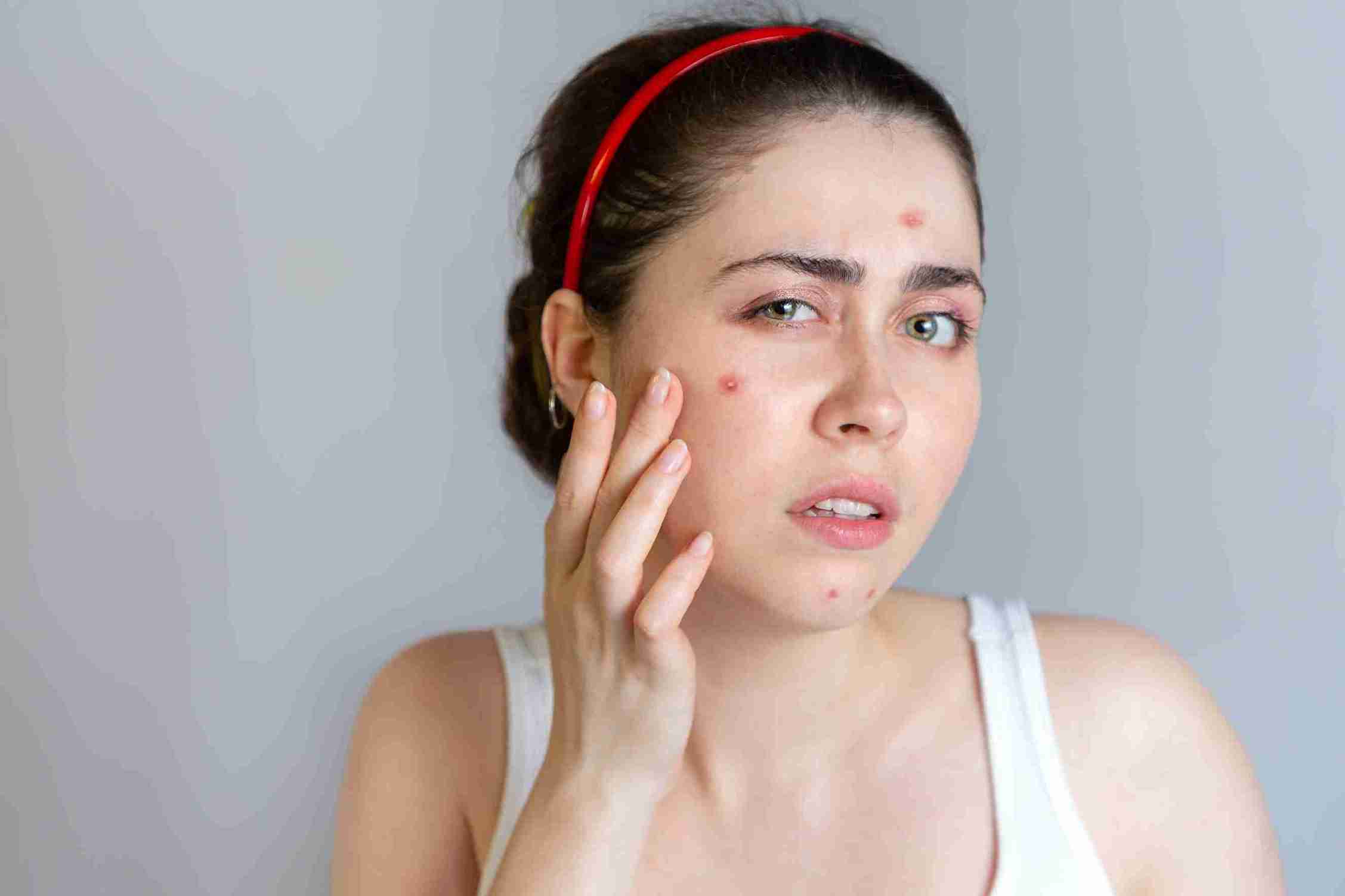
Hormonal acne is acne linked to changes in hormones. It usually appears in adulthood and affects women more than men. These breakouts range from blackheads and whiteheads to deep, painful cysts. Hormonal acne forms when your skin produces too much sebum, the natural oil made by your skin glands. When it mixes with dead skin cells and bacteria, pores become blocked and pimples form. It often appears on the lower face (chin, jawline, cheeks), neck, chest and back. Many women notice flare-ups around their period.
Your acne may be hormone-related if it follows a clear pattern.
If several of these sound familiar, hormones are likely playing a role.
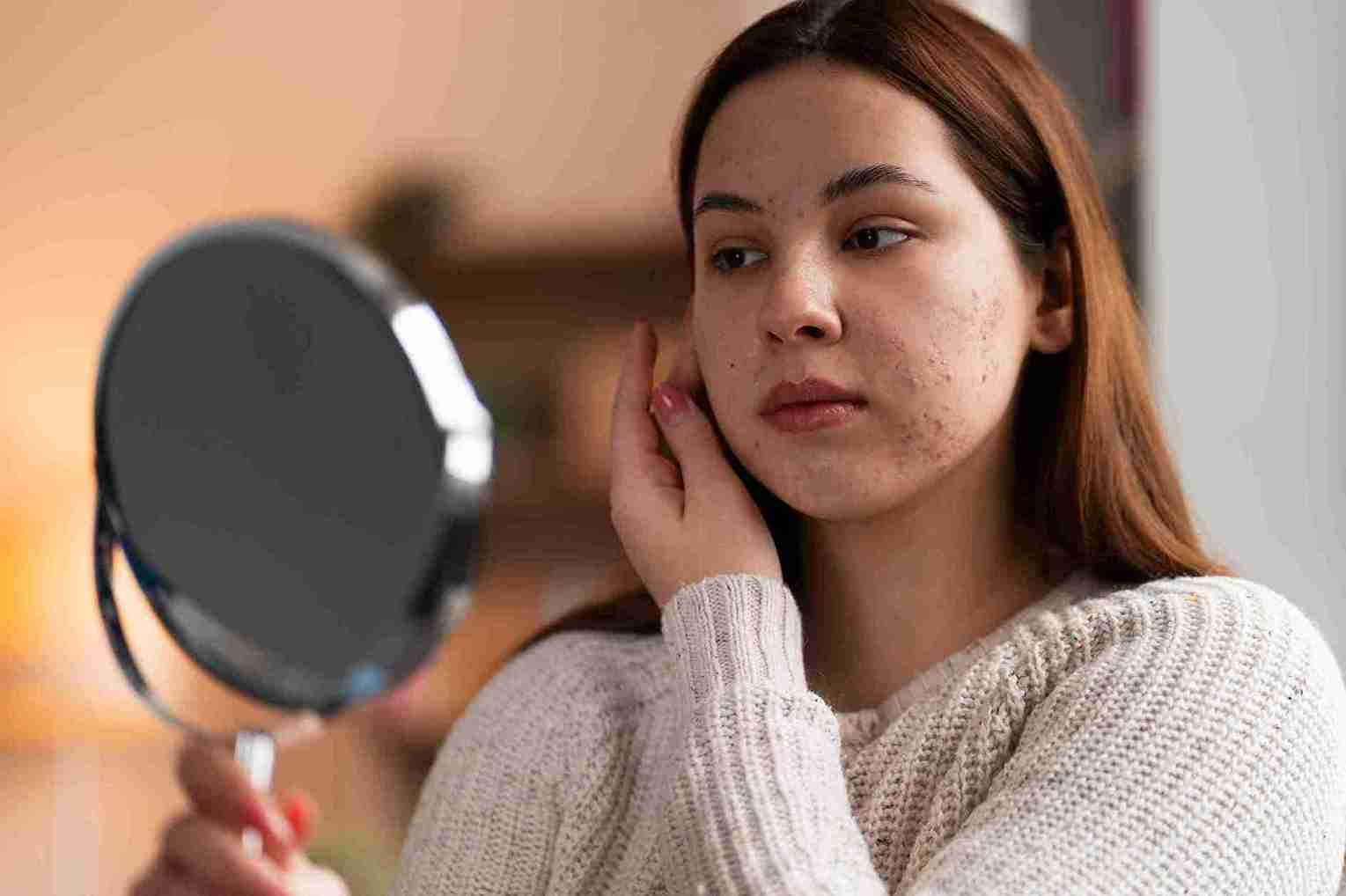
Hormonal acne affects both men and women. It is, however, far more common in women.
Studies show that about 50 per cent of women in their 20s and 25 per cent of women in their 40s experience hormonal acne. It often appears during:
Hormonal acne does not look the same for everyone. The type and severity vary.
These breakouts usually cluster around the chin, jawline, and lower face. Many women notice flare-ups from female acne due to hormones just before their period.
Now, let’s see what the causes of hormonal acne in women are. Hormonal acne occurs when hormone changes affect the skin. There will be an increase in sebum production, which leads to blocked pores. This triggers breakouts. Several factors play a role.

Androgens, such as testosterone, stimulate oil glands in the skin. When these hormones rise or become imbalanced, your skin produces more oil. The excess oil mixes with dead skin cells and bacteria, leading to clogged pores and acne.
Hormone levels change throughout the month. Before your period, estrogen levels drop while oil production increases. This is why many women notice pimples appearing in the days leading up to menstruation.
Pregnancy causes strong hormonal fluctuations. In early pregnancy, acne may worsen as the body adjusts. For many women, breakouts settle later as hormones stabilise.
During menopause, women's estrogen levels drop. Even if testosterone remains normal, this change can cause acne. Some women actually experience breakouts for the first time at this stage.
PCOS affects hormone balance and often raises androgen levels. This leads to increased oil production and persistent acne. Irregular periods and excess hair growth may appear alongside breakouts.
Cortisol levels are elevated by stress. This hormone tells oil glands to increase their sebum production. Ongoing stress and lack of sleep can worsen inflammation and make acne harder to control.

A doctor diagnoses hormonal acne through a skin examination. They look at acne type, location, and severity. You may be asked about your menstrual cycle, stress levels, sleep, skincare products, and medications. Blood tests are sometimes used if a hormonal condition is suspected.
Simple care, patience, and the right treatment approach make hormonal acne manageable. Start treatment for hormonal acne as soon as acne appears. Waiting allows breakouts to persist and increases the risk of scarring. If acne does not improve or keeps returning, seeing a dermatologist helps you find the right plan.
Good skincare supports all acne treatments
Mild acne includes blackheads and whiteheads. These are usually not painful.
Doctors often suggest topical creams that help keep pores clear and reduce new breakouts. Over-the-counter products such as benzoyl peroxide help control bacteria. Consistent use matters more than using many products at once.
Inflamed acne looks red, swollen, and sore. This type needs stronger care. Treatment often includes topical retinoids combined with topical antibiotics or benzoyl peroxide. These reduce inflammation and control bacteria in the pores. Results improve with regular use over several weeks.
Moderate to severe acne involves many inflamed pimples and deeper lesions. Doctors may prescribe oral antibiotics for a limited period to calm inflammation. In severe cases, a medicine called isotretinoin is used. This treatment needs close medical monitoring and must not be used during pregnancy.
Cystic acne causes deep, painful lumps under the skin. These can scar if not treated. Doctors may use steroid injections directly into the cyst. This reduces pain, swelling, and the risk of scarring. Results are often quick, but this treatment is done only by trained professionals.

Some women benefit from hormone-based treatment. Birth control pills help balance hormone levels and reduce oil production. These treatments suit women with persistent acne linked to their menstrual cycle. Regular medical follow-up is needed to ensure safety.
For stubborn acne, dermatologists may suggest laser or light therapy. These treatments target inflammation and oil glands. They are usually used alongside medical treatment, not on their own.
Diet does not cause acne alone, but it influences hormones. Foods high in refined sugar and white flour raise blood sugar. This affects insulin and hormone levels. Frequent spikes can worsen acne. Some studies link skim milk to acne in certain people. The effect varies from person to person.
Helpful dietary habits include:

Hormonal acne cannot always be avoided, but you can reduce flare-ups.
Hormonal acne affects more than your skin. It may impact self-esteem and confidence. Just remember that you are not alone. Many women deal with adult acne at different life stages. Treatment takes patience. Stick with your plan even if results feel slow. Hormonal acne gets better with proper treatment and becomes easier to control in the future.

Want to consult the best gynecologists in India? Please find the links below.

Hormonal acne follows a pattern. It flares around periods, pregnancy, or menopause. It affects the chin and jaw. Pimples feel deep and sore.
High-sugar and refined foods worsen hormone balance. Whole foods support steadier blood sugar and fewer flare-ups.
Make positive lifestyle changes that will help to reduce stress. This, along with a healthy diet and optimal sleep, will help prevent breakouts of hormonal acne.
Without treatment, it may persist for months. With treatment, improvement usually appears within six weeks.







 Best Gynecologists in Bellandur Best Gynecologists in Electronic City Best Gynecologists in HRBR LayoutBest Gynecologists in Jayanagar Best Gynecologists in Kanakapura RoadBest Gynecologists in Malleswaram Best Gynecologists in Nagarbhavi Best Gynecologists in Old Airport RoadBest Gynecologists in Sahakarnagar Best Gynecologists in Sarjapur RoadBest Gynecologists in ThanisandraBest Gynecologists in Varthur RoadBest Gynecologists in Whitefield Best Gynecologists in Industrial Area Phase IIBest Gynecologists in OMRBest Gynecologists in T NagarBest Gynecologists in New Industrial TownBest Gynecologists in IndirapuramBest Gynecologists in Golf Course RoadBest Gynecologists in Sector 14Best Gynecologists in Sector 47Best Gynecologists in Banjara HillsBest Gynecologists in GachibowliBest Gynecologists in Hitech CityBest Gynecologists in KompallyBest Gynecologists in Gomti NagarBest Gynecologists in MaladBest Gynecologists in NerulBest Gynecologists in VashiBest Gynecologists in Kailash ColonyBest Gynecologists in PatparganjBest Gynecologists in Punjabi BaghBest Gynecologists in VikaspuriBest Gynecologists in Gaur CityBest Gynecologists in Pari ChowkBest Gynecologists in Sector 51Best Gynecologists in Sector 5 Swastik ViharBest Gynecologists in Kalyani NagarBest Gynecologists in SB RoadBest Gynecologists in Pimple SaudagarBest Pediatricians in BellandurBest Pediatricians in Electronic CityBest Pediatricians in HRBR LayoutBest Pediatricians in JayanagarBest Pediatricians in Kanakapura RoadBest Pediatricians in MalleswaramBest Pediatricians in NagarbhaviBest Pediatricians in Old Airport RoadBest Pediatricians in SahakarnagarBest Pediatricians in Sarjapur RoadBest Pediatricians in ThanisandraBest Pediatricians in Varthur RoadBest Pediatricians in WhitefieldBest Pediatricians in Industrial Area Phase IIBest Pediatricians in OMRBest Pediatricians in T NagarBest Pediatricians in New Industrial TownshipBest Pediatricians in IndirapuramBest Pediatricians in Golf Course RoadBest Pediatricians in Sector 14Best Pediatricians in Sector 47Best Pediatricians in Hitech CityBest Pediatricians in Banjara HillsBest Pediatricians in GachibowliBest Pediatricians in KompallyBest Pediatricians in Gomti NagarBest Pediatricians in MaladBest Pediatricians in NerulBest Pediatricians in VashiBest Pediatricians in Kailash ColonyBest Pediatricians in PatparganjBest Pediatricians in Punjabi BaghBest Pediatricians in VikaspuriBest Pediatricians in Gaur CityBest Pediatricians in Pari ChowkBest Pediatricians in Sector 51Best Pediatricians in Sector 5 Swastik ViharBest Pediatricians in Kalyani NagarBest Pediatricians in SB RoadBest Pediatricians in Pimple Saudagar


