
Are you aware of your vaginal pH balance? Did you know that various factors can affect this balance and cause infections, irritation, or itching? How can you maintain this pH balance? Come, let’s find out.
A woman’s vagina is prone to infections due to exposure through menstruation, sex, clothing, or even the water used for washing. The vagina has an acidic environment to protect itself from such infections. Vaginal pH refers to the acidity or alkalinity of the vagina. When it is too high or too low, it can lead to complications.
Vaginal pH measures the natural acidity or alkalinity of the vagina. The normal range is about 3.8 – 4.5 for women of reproductive age. For young girls who are yet to attain puberty and older women who have attained menopause, the vaginal pH can be as high as 7.
When the pH levels increase, it indicates the vaginal environment is less acidic. This can happen after exposure to semen through sexual intercourse, blood during menstruation, or due to douching. Certain infections can also cause the pH levels to increase.
When the pH levels decrease, it means the vaginal environment is more acidic than what is ideal. This is common among young girls who have yet to reach puberty and among older women who have attained menopause. The acidity can decrease due to Lactobacilli, a lactic acid-producing bacterium, or due to probiotics.
The vaginal pH levels indicate the acidity of the vaginal environment. It is necessary to maintain the pH balance for the following reasons –
Protect - This acidity is what kills infection-causing pathogens and keeps the vagina safe. A low pH kills harmful bacteria and yeast and protects the vagina from yeast and bacterial infections. It also protects against sexually transmitted infections.
Fertility - The right pH levels in the vagina also help in creating a sperm-friendly environment, which is very important for fertility. Unless the sperm can survive in the vagina on enterineg, they cannot swim up to meet the egg for fertilisation. Many couples struggle with a “hostile vaginal environment,” which is mostly caused by such pH imbalances.
Control Odour - Right pH levels help prevent irritation and odour from the vagina, which is very important for feminine hygiene, confidence, and quality of life.
Pregnancy – An imbalance in vaginal pH levels during pregnancy can increase the risk of an early pregnancy loss.
How can you know when your vaginal pH balance is off? Here are some tell-tale signs –
A strong fishy smell from the vagina
Unusual vagnal discharge – usually in yellow, green, or grey shades)
Vaginal discharge is thicker and stickier than usual, like cottage cheese
Burning sensation when urinating or after sex
Persistent itching, redness, or soreness.

Here are a few vaginal pH balance tips –
Cleansing – Always use water and a mild soap to clean your vaginal opening, known as the vulva. Never use soap to clean the inside of the vagina, as it will disrupt the natural pH balance.
Right Fabrics – Opt for cotton underwear. Cotton facilitates air flow and prevents the build-up of moisture and bacterial growth.
No Douching – Avoid douching as it can disrupt the natural acidic balance. Douching can introduce alkaline solutions found in the water into the vagina and disrupt the delicate pH balance.
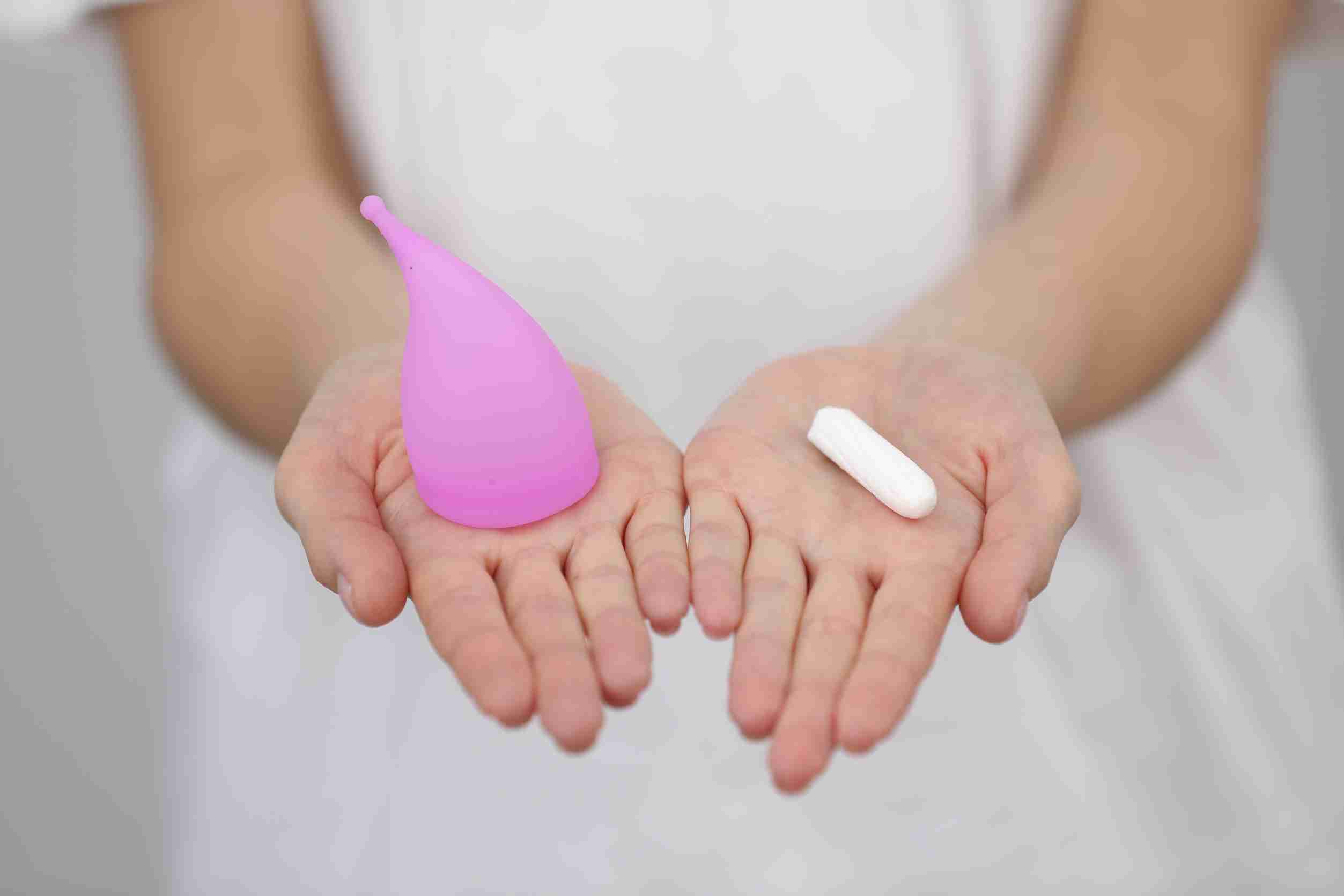
Menstrual Hygiene – Always use good-quality menstrual products. If you are using a menstrual pad or tampon, don’t forget to change it frequently.
Hydration – Stay hydrated by drinking plenty of water, which can flush out the toxins and maintain the moisture in the vagina. Though excess moisture can cause bacterial formation, a certain amount of moisture is always required for good vaginal health.
Probiotics – Eat foods rich in probiotics like yoghurt, kefir, or fermented foods. These foods can introduce “good bacteria”, which can benefit the gut.
Sugar Limit – High sugar intake can promote yeast growth. Avoiding processed foods and sugary drinks can help maintain the pH levels.
Nutrition – Focus on your overall health and nutrition. Including leafy greens, more whole foods, and avocados can be very beneficial.
Protection – Always use a condom when having sex, irrespective of the partner. Semen contains a high pH, and when it comes in contact with the vagina, it can disrupt the vagina’s pH balance. A condom can prevent such an interaction.
Manage Stress – Your stress can cause more harm than just weight gain. Effective stress management can help balance not just the hormones but vaginal pH levels, as well.
Regular Check-Ups – If you experience any itching or irritation, consult your gynaecologist rather than trying to fix it yourself.
When your vaginal pH is out of balance, it does not always lead to complications. When left untreated for too long, such imbalances can lead to the following complications -
It increases the risk of infections caused by bacteria and yeast, like bacterial vaginosis or thrush.
If left untreated, it can lead to pelvic inflammatory disease, which in turn can impact fertility or cause ectopic pregnancy.
During pregnancy, an imbalance in vaginal pH increases the risk of preterm delivery and low birth weight.
Can lead to chronic pain
It can cause severe irritation, odour, or abnormal vaginal discharge.
Small irritations or mild burning sensations when urinating are nothing to worry about. However, if you notice a strong odour or if the vaginal discharge changes colour, you need to consult your doctor at the earliest. If your pain, irritation, or itching intensifies, it can indicate the infection is getting stronger, and you may require doctor-prescribed antibiotics to fight the infection.

Vaginal pH levels are self-balancing and are not easily disrupted. Maintaining this balance is crucial for overall health and fertility. As uncomfortable as it may seem, it is necessary to consult a doctor in time if the vaginal pH levels are off.

A healthy vaginal pH level for a woman of reproductive age ranges from 3.8 to 4.5. For women who have attained menopause, this range can go up to 7.
Yes, your diet can influence the vaginal microbiome and impact the pH levels. Diets high in prebiotics and probiotics can help prevent infections and maintain the pH balance. A diet rich in saturated fats and sugar can increase pH levels, making the body more vulnerable to infections.
Yes, pregnancy can cause mild changes in the vaginal pH. Unless you notice a strong odour, severe itching, or unusual discharge in the vagina, there is nothing to worry about.
Yes, antibiotics can kill Lactobacillus bacteria, which are beneficial to the vagina for maintaining pH balance. This, in turn, can increase the pH levels and make the vagina more acidic and prone to infections.







 Best Gynecologists in Bellandur Best Gynecologists in Electronic City Best Gynecologists in HRBR LayoutBest Gynecologists in Jayanagar Best Gynecologists in Kanakapura RoadBest Gynecologists in Malleswaram Best Gynecologists in Nagarbhavi Best Gynecologists in Old Airport RoadBest Gynecologists in Sahakarnagar Best Gynecologists in Sarjapur RoadBest Gynecologists in ThanisandraBest Gynecologists in Varthur RoadBest Gynecologists in Whitefield Best Gynecologists in Industrial Area Phase IIBest Gynecologists in OMRBest Gynecologists in T NagarBest Gynecologists in New Industrial TownBest Gynecologists in IndirapuramBest Gynecologists in Golf Course RoadBest Gynecologists in Sector 14Best Gynecologists in Sector 47Best Gynecologists in Banjara HillsBest Gynecologists in GachibowliBest Gynecologists in Hitech CityBest Gynecologists in KompallyBest Gynecologists in Gomti NagarBest Gynecologists in MaladBest Gynecologists in NerulBest Gynecologists in VashiBest Gynecologists in Kailash ColonyBest Gynecologists in PatparganjBest Gynecologists in Punjabi BaghBest Gynecologists in VikaspuriBest Gynecologists in Gaur CityBest Gynecologists in Pari ChowkBest Gynecologists in Sector 51Best Gynecologists in Sector 5 Swastik ViharBest Gynecologists in Kalyani NagarBest Gynecologists in SB RoadBest Gynecologists in Pimple SaudagarBest Pediatricians in BellandurBest Pediatricians in Electronic CityBest Pediatricians in HRBR LayoutBest Pediatricians in JayanagarBest Pediatricians in Kanakapura RoadBest Pediatricians in MalleswaramBest Pediatricians in NagarbhaviBest Pediatricians in Old Airport RoadBest Pediatricians in SahakarnagarBest Pediatricians in Sarjapur RoadBest Pediatricians in ThanisandraBest Pediatricians in Varthur RoadBest Pediatricians in WhitefieldBest Pediatricians in Industrial Area Phase IIBest Pediatricians in OMRBest Pediatricians in T NagarBest Pediatricians in New Industrial TownshipBest Pediatricians in IndirapuramBest Pediatricians in Golf Course RoadBest Pediatricians in Sector 14Best Pediatricians in Sector 47Best Pediatricians in Hitech CityBest Pediatricians in Banjara HillsBest Pediatricians in GachibowliBest Pediatricians in KompallyBest Pediatricians in Gomti NagarBest Pediatricians in MaladBest Pediatricians in NerulBest Pediatricians in VashiBest Pediatricians in Kailash ColonyBest Pediatricians in PatparganjBest Pediatricians in Punjabi BaghBest Pediatricians in VikaspuriBest Pediatricians in Gaur CityBest Pediatricians in Pari ChowkBest Pediatricians in Sector 51Best Pediatricians in Sector 5 Swastik ViharBest Pediatricians in Kalyani NagarBest Pediatricians in SB RoadBest Pediatricians in Pimple Saudagar


