
Pregnancy is a time when every meal contributes to the health of both the mother and the growing baby. A balanced diet that includes whole grains, lean proteins, healthy fats, vegetables, and fruits provides the nutrients needed to support a healthy pregnancy. Among these, fruits are particularly valuable because they are naturally rich in vitamins, minerals, fibre, antioxidants, and water. They help boost immunity, improve digestion, promote hydration, and provide natural energy throughout the day.
If you're wondering what fruits are good for pregnancy, the answer is that most fresh fruits can be safely enjoyed when they are washed thoroughly, eaten in appropriate portions, and included as part of a varied diet. However, individual needs may differ depending on conditions such as gestational diabetes or food allergies. Choosing seasonal fruits and maintaining proper food hygiene are equally important. Understanding which fruits offer specific nutritional benefits can help you make healthier choices throughout every stage of pregnancy.

Containing fibre and vitamin C, apples aid in digestion and boost immunity. A single medium apple is a good snack that can be eaten whole or sliced with nut butter.
Bananas have potassium and vitamin B6, making them suitable for muscle health and alleviating nausea. A single medium banana makes for an excellent snack.
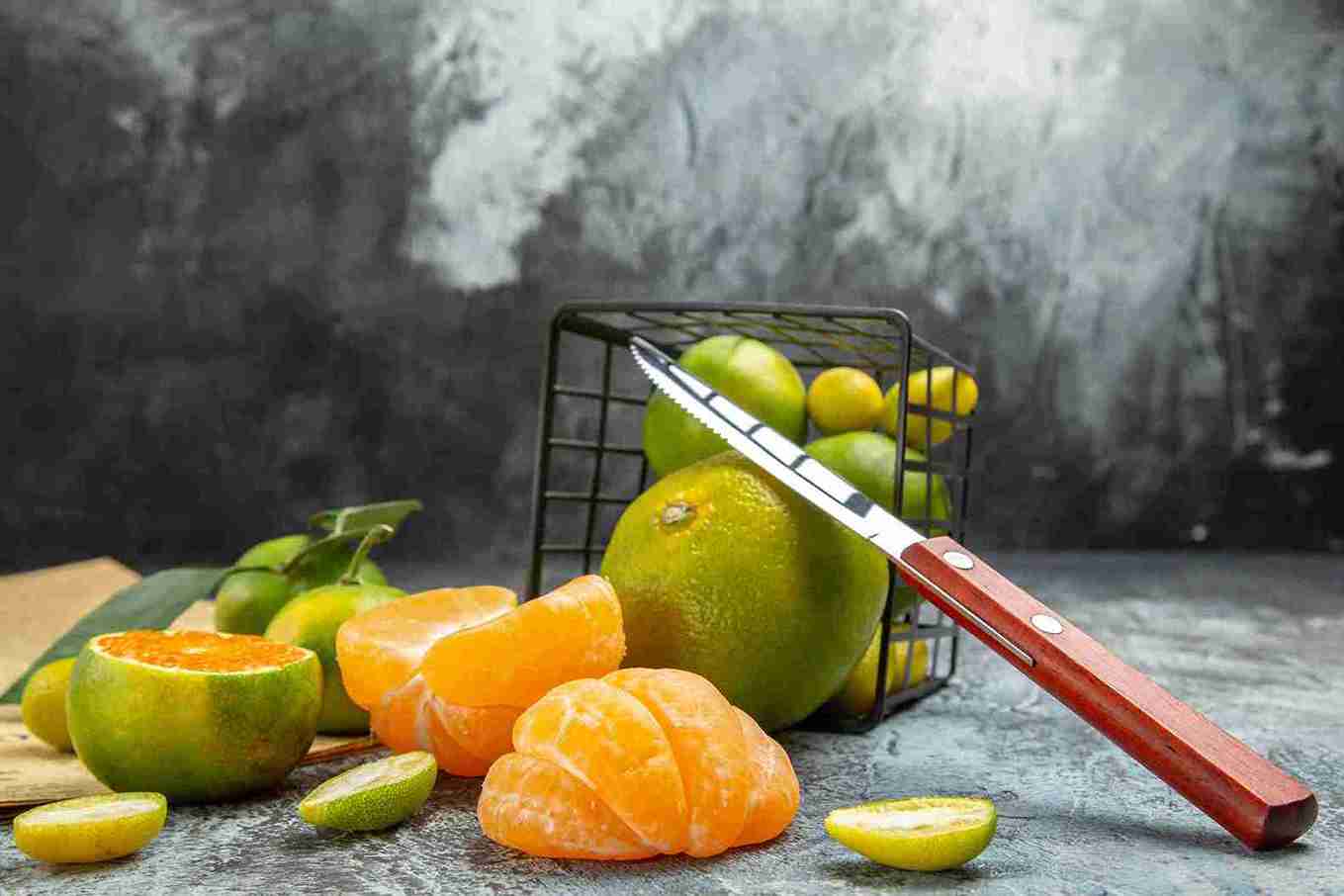
With vitamin C and folate, oranges facilitate better absorption of iron and aid in fetal development. A medium orange or fresh orange slices can make for a delicious snack.
Mosambi has vitamin C and lots of water content, thereby promoting hydration. Whole fruits or fresh juice without any sugar can be considered a healthy option.
Vitamins A and C in mangoes aid in boosting immunity and eye health. An intake of half to one cup of fresh mangoes would be sufficient.
Guavas are particularly rich in vitamin C and fibre, aiding in digestion and boosting immunity. A medium guava is a healthy snack.
Pomegranates contain antioxidants and folic acid, which help maintain the good health of the mother. Half a cup of pomegranate seeds can be used in salads or yoghurts.
The fruit contains vitamin C, folic acid and fibre. One to two kiwi fruits per day can be consumed.
The berries like strawberries, blueberries and raspberries contain antioxidants, vitamin C and fibre. One small bowl will make for great snacks.
Avocado contains healthy fats, folic acid and potassium, which aid in brain development. Half an avocado can be used on bread or in salads.
Being high in water content, watermelon is suitable for rehydration. One cup of watermelon can make a perfect snack.
The fruit contains fibre and vitamin C and helps with digestion. One medium pear makes for a good snack option.
The fruit contains antioxidants, potassium and water. One small bowl of washed grapes makes for a good snack option.
The fully ripened papaya is usually safe to consume and contains vitamin C and folic acid. However, unripened papaya is unsuitable for consumption due to the presence of latex that stimulates uterine contractions.
Chikoo provides natural sugars, fibre, and potassium. One small fruit can be enjoyed in moderation.
Fresh pineapple contains vitamin C and bromelain. There is no scientific evidence that moderate consumption of ripe pineapple causes miscarriage.

During the first trimester, it is recommended to eat such fruits as oranges, bananas, kiwi, and apples. This will keep you hydrated and protect you from morning sickness.
Mangoes, guava, pomegranates, and pears are great during the second trimester. These fruits give you energy, vitamin C, and nutrition, necessary for your baby’s growth. Watermelon, apples, bananas, and grapes help to stay hydrated and have good digestion. They also relieve constipation.
The best fruits for pregnant women provide essential vitamins and minerals that support fetal growth and maternal health. Their fibre promotes healthy digestion, while antioxidants help protect cells from oxidative stress. Fruits also contribute to hydration, strengthen immunity, reduce constipation, and offer natural energy without relying on processed snacks.
Grapes, mangoes, pineapple, chikoo, fruit juices, and dried fruits can all be part of a healthy pregnancy diet. However, portion control is important because some contain higher amounts of natural sugars or concentrated calories. Moderation is more beneficial than complete avoidance.
Avoid unripe papaya because of its latex content. Wash all fruits thoroughly to reduce exposure to bacteria and pesticide residues. Limit fruit juices because they contain less fibre and more concentrated sugar than whole fruits. Avoid spoiled fruits or cut fruits left at room temperature to reduce the risk of foodborne illness.
Fresh fruits support hydration, while dry fruits are useful for quick energy when eaten in moderation.
Pregnant women should have 2 to 4 servings of fruit per day based on their nutritional needs. In general, a serving can consist of one medium-sized fruit, one cup of sliced fruit, or half a cup of berries. Wash fruits thoroughly, peel them when appropriate, refrigerate properly, avoid unhygienic pre-cut fruits, choose seasonal produce, and include a variety of colourful fruits in your meals.
Moderate intake of ripe pineapple does not cause miscarriage. Grapes are safe when eaten in moderation. Only unripe papaya should be avoided, while ripe papaya is generally safe. Eating excessive fruit does not automatically improve nutrition; a balanced diet remains the priority.
This is only an example. Individual dietary requirements may vary.
Seek personalised dietary advice if you have gestational diabetes, food allergies, digestive disorders, a high-risk pregnancy, or concerns about your nutritional intake. The right guidance ensures that fruits for pregnant women are selected according to individual health needs.
Cloudnine combines expert obstetric care with personalised nutrition counselling to help expectant mothers make informed dietary choices throughout pregnancy. Its multidisciplinary team of obstetricians, nutritionists, and fetal medicine specialists provides evidence-based guidance tailored to individual health conditions, ensuring comprehensive care for both mother and baby.

Including a variety of fresh, seasonal fruits in your daily diet is one of the simplest ways to support a healthy pregnancy. From providing essential vitamins and minerals to improving digestion, hydration, and immunity, the best fruits for pregnant women can contribute to both maternal wellbeing and your baby's healthy development. Focus on eating fruits in moderation, practise good food hygiene, and pair them with a balanced diet. If you have gestational diabetes, dietary restrictions, or a high-risk pregnancy, consult your doctor or a qualified nutritionist for personalised dietary advice.

Fruits such as oranges, mangoes, avocados, guava, and pomegranates provide vitamins and minerals that support healthy fetal development.
There is no single best fruit. Eating a variety of seasonal fruits each day offers the widest range of nutrients.
Most women can include 2–4 servings daily as part of a balanced diet.
Oranges, avocados, kiwi, and strawberries contain folate, an important nutrient during pregnancy.







 Best Gynecologists in Bellandur Best Gynecologists in Electronic City Best Gynecologists in HRBR LayoutBest Gynecologists in Jayanagar Best Gynecologists in Kanakapura RoadBest Gynecologists in Malleswaram Best Gynecologists in Nagarbhavi Best Gynecologists in Old Airport RoadBest Gynecologists in Sahakarnagar Best Gynecologists in Sarjapur RoadBest Gynecologists in ThanisandraBest Gynecologists in Varthur RoadBest Gynecologists in Whitefield Best Gynecologists in Industrial Area Phase IIBest Gynecologists in OMRBest Gynecologists in T NagarBest Gynecologists in New Industrial TownBest Gynecologists in IndirapuramBest Gynecologists in Golf Course RoadBest Gynecologists in Sector 14Best Gynecologists in Sector 47Best Gynecologists in Banjara HillsBest Gynecologists in GachibowliBest Gynecologists in Hitech CityBest Gynecologists in KompallyBest Gynecologists in Gomti NagarBest Gynecologists in Phase 3, Sector 58Best Gynecologists in MaladBest Gynecologists in NerulBest Gynecologists in VashiBest Gynecologists in Kailash ColonyBest Gynecologists in PatparganjBest Gynecologists in Punjabi BaghBest Gynecologists in VikaspuriBest Gynecologists in Gaur CityBest Gynecologists in Pari ChowkBest Gynecologists in Sector 51Best Gynecologists in Sector 5 Swastik ViharBest Gynecologists in Kalyani NagarBest Gynecologists in SB RoadBest Gynecologists in Pimple SaudagarBest Pediatricians in BellandurBest Pediatricians in Electronic CityBest Pediatricians in HRBR LayoutBest Pediatricians in JayanagarBest Pediatricians in Kanakapura RoadBest Pediatricians in MalleswaramBest Pediatricians in NagarbhaviBest Pediatricians in Old Airport RoadBest Pediatricians in SahakarnagarBest Pediatricians in Sarjapur RoadBest Pediatricians in ThanisandraBest Pediatricians in Varthur RoadBest Pediatricians in WhitefieldBest Pediatricians in Industrial Area Phase IIBest Pediatricians in OMRBest Pediatricians in T NagarBest Pediatricians in New Industrial TownshipBest Pediatricians in IndirapuramBest Pediatricians in Golf Course RoadBest Pediatricians in Sector 14Best Pediatricians in Sector 47Best Pediatricians in Hitech CityBest Pediatricians in Banjara HillsBest Pediatricians in GachibowliBest Pediatricians in KompallyBest Pediatricians in Gomti NagarBest Pediatricians in Phase 3, Sector 58Best Pediatricians in MaladBest Pediatricians in NerulBest Pediatricians in VashiBest Pediatricians in Kailash ColonyBest Pediatricians in PatparganjBest Pediatricians in Punjabi BaghBest Pediatricians in VikaspuriBest Pediatricians in Gaur CityBest Pediatricians in Pari ChowkBest Pediatricians in Sector 51Best Pediatricians in Sector 5 Swastik ViharBest Pediatricians in Kalyani NagarBest Pediatricians in SB RoadBest Pediatricians in Pimple Saudagar


