
Your baby is born with about 100 billion brain cells. That is more neurons than stars in the Milky Way galaxy. But here is the amazing part: these brain cells are not yet connected. Over the first few years of life, your baby's brain will form over one million new neural connections every single second.
Baby brain development happens faster in the first three years than at any other time in life. By age three, your child's brain will be about 90% of its adult size. The experiences you provide during this time shape how your baby thinks, learns, feels, and behaves for the rest of their life. So the question is not whether you can boost your baby's brain development. You absolutely can. The question is how.
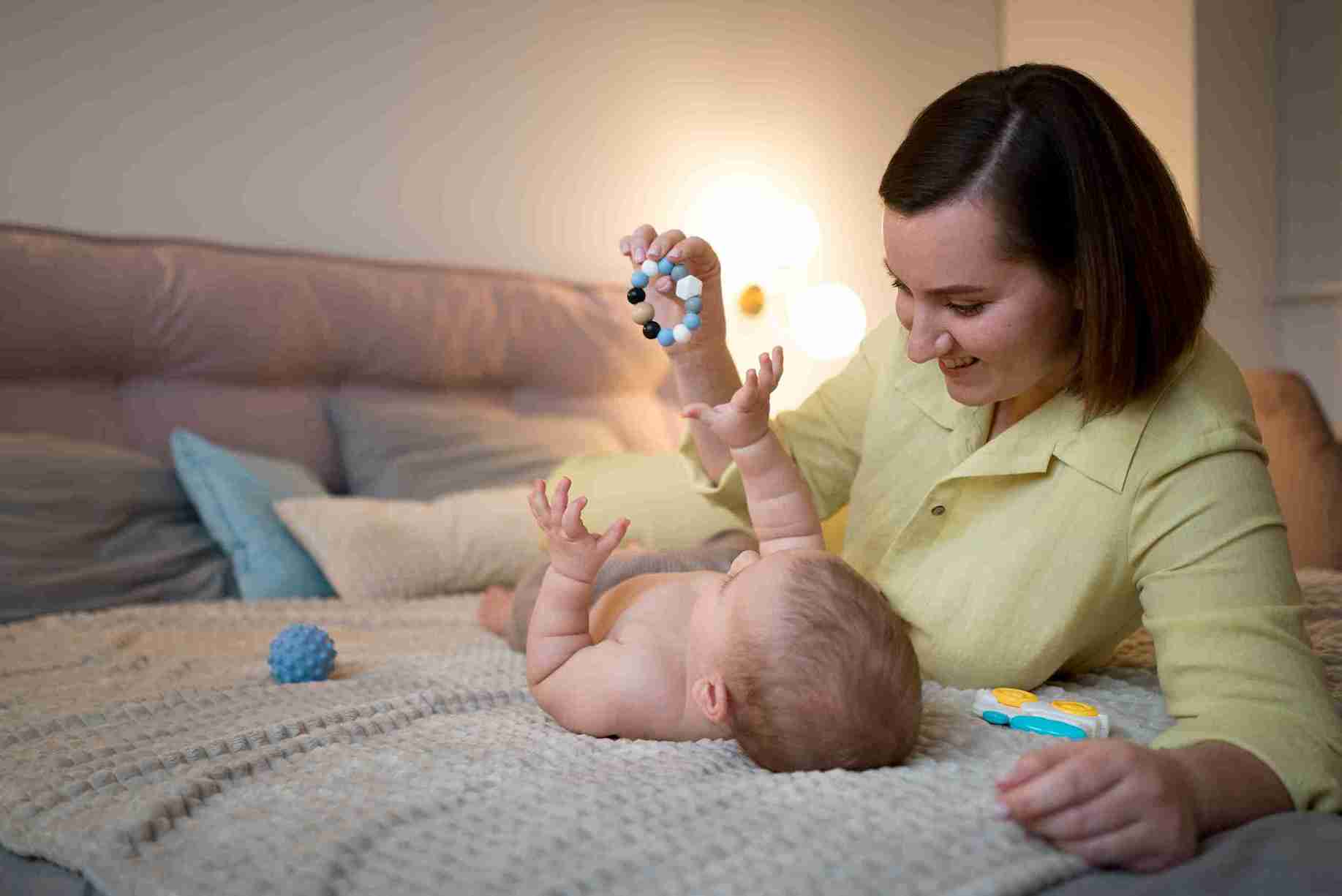
Newborn development tips start with understanding timing. The brain grows explosively fast from birth to age two. During this time, your baby's brain forms over one million new neural connections every second.
The first three months are about survival - eating, sleeping, bonding. But even newborns are learning. They recognise your voice. They can tell your face from a stranger's face.
Between three and six months, babies become curious. They reach for objects, explore textures, and babble. Their brains form connections about cause and effect.
From six to 12 months, the brain enters overdrive. Babies sit, crawl, and maybe walk. They understand simple words. Memory improves.
From 12 to 24 months, language explodes. Motor skills improve. Problem-solving begins.
By age two, toddlers have twice as many brain connections as adults. Over time, the brain prunes unused connections and strengthens used ones.
The earlier you start, the better. But it is never too late.
You do not need expensive toys or classes. What babies need most is you.
Talk, Talk, Talk: From birth, talk to your baby. Narrate what you are doing. Describe the world. The more words they hear, the faster their vocabulary grows. In India, many families speak multiple languages. This is wonderful for brain development. Babies can learn two or three languages at once.
Read Every Day: Start from birth. Newborns hear your voice and see pictures. By three months, choose bright board books. Reading builds vocabulary, teaches sounds, and creates bonding time.
Sing and Play Music: Sing lullabies, nursery rhymes, or folk songs. Play different music. Music helps with language, memory, and emotional regulation.
Respond to Cues: When your baby coos, coo back. When they babble, do the same to them. When you do this back and forth, the baby learns to communicate and the bond becomes stronger. When you respond quickly, your baby may quickly develop emotional regulation.
Play Interactive Games: A simple peek-a-boo or rolling a ball can help. These baby
Give Tummy Time: Place your baby on their tummy for a few minutes several times daily, when awake and supervised. Movement builds neural pathways.
Limit Screen Time: No screens for children under two years. Screens do not help brain development. Real-world interaction does.
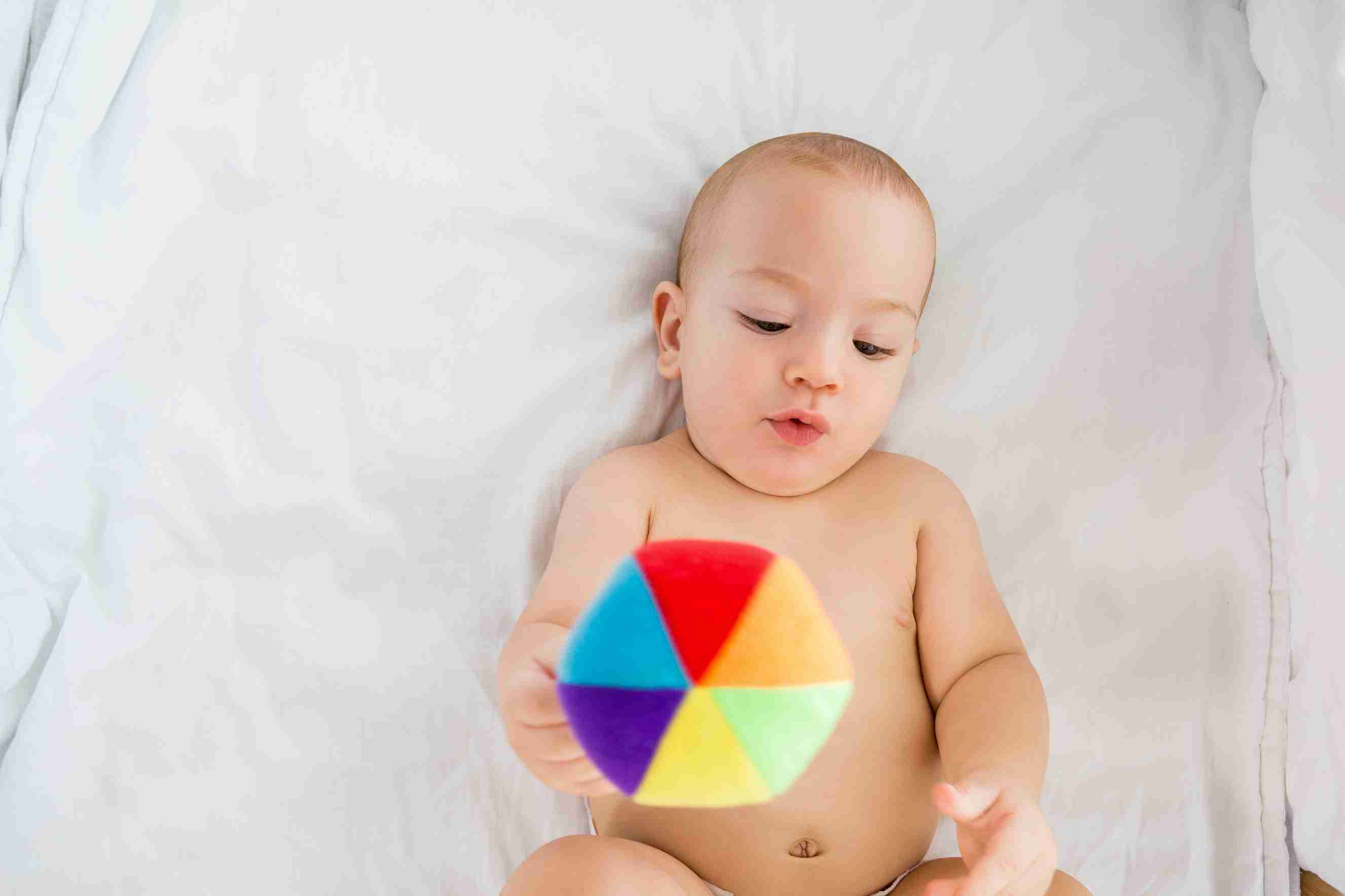
Yes, but not the way you think. You do not need the latest smart toy or battery-operated gadget. Simple, open-ended toys work best.
Good toys for babies:
Soft toys with different textures (velvet, cotton, satin)
Rattles and shakers
Wooden blocks
Stacking rings
Balls of different sizes
Board books
Plastic bowls and spoons
Simple puzzles for older babies
Avoid toys with lights, sounds, and automatic features. These toys do all the work, so your baby's brain does not have to. Better to give a plain wooden block that the baby can bang, throw, stack, and chew. That is real learning. Also, rotate toys. Put some away and bring out different ones every week. This keeps things interesting without buying more.
Brain development foods matter, especially in the first 1000 days.
Breast Milk or Formula: The foundation. As per the World Health Organisation recommendation, feed your baby only breast milk for the first six months.
Iron-Rich Foods: Iron is a key nutrient for brain development. After six months, give dal, eggs, chicken, fish, spinach, and iron-fortified cereal. Many Indian babies are iron-deficient, which affects learning and memory.
Protein: Builds brain cells. Give paneer, dal, eggs, chicken, fish, milk, and curd.
Omega-3 Fatty Acids: Found in fish (mackerel, salmon), walnuts, and flaxseeds. Needed for brain structure.
Healthy Fats: The brain is 60% fat. Babies need ghee, coconut oil, nuts (ground or as butter), and avocado.
Fruits and Vegetables: Provide vitamins and antioxidants. Offer mashed banana, cooked carrot, sweet potato, and apple puree.
Whole Grains: Brown rice, ragi, oats, and whole wheat provide steady energy.
Brain development is about more than activities and food. There is emotional health too. Babies who feel loved, and secure are likely to learn better. Stress hormones like cortisol can damage the baby’s developing brain. Do your best to create a calm, loving home. Respond to your baby's cries. Cuddle them. Show affection.
Postpartum depression affects many Indian mothers but is often hidden. Your mental health can affect your baby's brain development. If you feel sad, hopeless, or disconnected from your baby, talk to a doctor.

Boosting your baby's brain development is not about expensive toys, classes, or pressure. It is about everyday moments: talking during nappy changes, singing whilst cooking, reading before bed, responding when baby coos. Your baby's brain is building itself every single day. You are the architect. The time you spend now shapes their future. So talk to your baby. Read to them. Play with them. Feed them well. Love them deeply. That is all they need.
Best pediatrician in Bangalore
Best pediatrician in Chandigarh
Top pediatrician in faridabad
Top pediatrician in hyderabad
Best pediatrician in Ludhiana
Best pediatrician in New Delhi
Best pediatrician in Panchkula
Best pediatrician in Ghaziabad

Yes, but simple toys work best. Avoid battery-operated toys with lights and sounds that do all the work. Instead, choose open-ended toys like wooden blocks, stacking rings, soft toys with different textures, balls, and board books. Babies learn more from toys that require them to think, problem-solve, and explore. Household items like plastic bowls, wooden spoons, and empty containers also make great toys. Rotate toys weekly to keep things interesting without buying more.
The brain grows fastest from birth to age two, forming over one million new neural connections every second. By age three, your child's brain is about 90% of adult size. The period from six to 12 months sees explosive growth in movement, language, and memory. By age two, toddlers have twice as many brain connections as adults. The brain then prunes unused connections and strengthens used ones. Early experiences during this time shape lifelong learning, behaviour, and emotional health.
Breast milk or iron-fortified formula is the foundation. After six months, offer iron-rich foods (dal, eggs, chicken, fish, spinach, iron-fortified cereal), protein (paneer, dal, eggs, milk, curd), omega-3 fatty acids (fish, walnuts, flaxseeds), healthy fats (ghee, coconut oil, ground nuts), fruits and vegetables (banana, carrot, sweet potato, apple), and whole grains (brown rice, ragi, oats, whole wheat). Avoid sugar, salt, processed foods, and honey before age one.
Talk to your baby constantly, narrating daily activities and describing the world. Read aloud every day from birth. Sing songs and play music. Respond to your baby's coos and babbles. Play simple games like peek-a-boo. Give daily tummy time. Offer varied textures and experiences. Feed nutrient-rich foods after six months. Create a loving, secure environment. Limit screen time to zero before age two. Respond quickly to your baby's needs. These everyday interactions build brain connections more than any expensive toy or class.







 Best Gynecologists in Bellandur Best Gynecologists in Electronic City Best Gynecologists in HRBR LayoutBest Gynecologists in Jayanagar Best Gynecologists in Kanakapura RoadBest Gynecologists in Malleswaram Best Gynecologists in Nagarbhavi Best Gynecologists in Old Airport RoadBest Gynecologists in Sahakarnagar Best Gynecologists in Sarjapur RoadBest Gynecologists in ThanisandraBest Gynecologists in Varthur RoadBest Gynecologists in Whitefield Best Gynecologists in Industrial Area Phase IIBest Gynecologists in OMRBest Gynecologists in T NagarBest Gynecologists in New Industrial TownBest Gynecologists in IndirapuramBest Gynecologists in Golf Course RoadBest Gynecologists in Sector 14Best Gynecologists in Sector 47Best Gynecologists in Banjara HillsBest Gynecologists in GachibowliBest Gynecologists in Hitech CityBest Gynecologists in KompallyBest Gynecologists in Gomti NagarBest Gynecologists in MaladBest Gynecologists in NerulBest Gynecologists in VashiBest Gynecologists in Kailash ColonyBest Gynecologists in PatparganjBest Gynecologists in Punjabi BaghBest Gynecologists in VikaspuriBest Gynecologists in Gaur CityBest Gynecologists in Pari ChowkBest Gynecologists in Sector 51Best Gynecologists in Sector 5 Swastik ViharBest Gynecologists in Kalyani NagarBest Gynecologists in SB RoadBest Gynecologists in Pimple SaudagarBest Pediatricians in BellandurBest Pediatricians in Electronic CityBest Pediatricians in HRBR LayoutBest Pediatricians in JayanagarBest Pediatricians in Kanakapura RoadBest Pediatricians in MalleswaramBest Pediatricians in NagarbhaviBest Pediatricians in Old Airport RoadBest Pediatricians in SahakarnagarBest Pediatricians in Sarjapur RoadBest Pediatricians in ThanisandraBest Pediatricians in Varthur RoadBest Pediatricians in WhitefieldBest Pediatricians in Industrial Area Phase IIBest Pediatricians in OMRBest Pediatricians in T NagarBest Pediatricians in New Industrial TownshipBest Pediatricians in IndirapuramBest Pediatricians in Golf Course RoadBest Pediatricians in Sector 14Best Pediatricians in Sector 47Best Pediatricians in Hitech CityBest Pediatricians in Banjara HillsBest Pediatricians in GachibowliBest Pediatricians in KompallyBest Pediatricians in Gomti NagarBest Pediatricians in MaladBest Pediatricians in NerulBest Pediatricians in VashiBest Pediatricians in Kailash ColonyBest Pediatricians in PatparganjBest Pediatricians in Punjabi BaghBest Pediatricians in VikaspuriBest Pediatricians in Gaur CityBest Pediatricians in Pari ChowkBest Pediatricians in Sector 51Best Pediatricians in Sector 5 Swastik ViharBest Pediatricians in Kalyani NagarBest Pediatricians in SB RoadBest Pediatricians in Pimple Saudagar


