
A transvaginal ultrasound is a diagnostic imaging test applied to analyse female reproductive structures. Unlike a regular abdominal ultrasound, this involves placing a small probe inside the vagina, thus allowing for closer and clearer visualisation of the cervix, ovaries, uterus, fallopian tubes, and the tissues in the vicinity. It plays a crucial role in diagnosing gynaecological diseases and in the monitoring of early pregnancy.
This procedure is especially useful because it yields high-resolution images that allow physicians to detect problems that may otherwise be overlooked. Whether a woman has pelvic pain, abnormal bleeding, infertility issues, or finds herself in the first few weeks of pregnancy, the purpose of a transvaginal ultrasound is to provide valuable information for proper diagnosis and on-time treatment.

Among the most frequently asked questions by patients is: What does a transvaginal ultrasound show? The answer is that a transvaginal ultrasound produces high-quality images of the reproductive organs.
In this test, medical providers can examine the uterus for abnormalities, such as fibroids or structural abnormalities. The ovaries can be checked for cysts or abnormalities that can lead to pain or infertility. The fallopian tubes and the cervix are also checked, aiding in the identification of infection, pelvic inflammatory disease, or blockage that can hinder conception.
Also, the bladder and the surrounding pelvic area can be imaged to exclude other causes of pain. Above all, in suspected pregnancy, the test may identify the gestational sac and fetal heartbeat at an early point. This renders it a necessary tool for diagnosing pregnancy and following its progress.
Essentially, what a transvaginal ultrasound shows is a detailed picture of a woman's reproductive tract, allowing doctors to identify abnormalities early and treat them accordingly.
The purpose of a transvaginal ultrasound depends on a patient's history and symptoms.
The purpose of a transvaginal ultrasound varies from routine check-ups to detailed diagnostic procedures, and therefore, it forms a crucial part of women's health.
The question on every woman's mind is, how early can TVS detect pregnancy? The response is comforting. A transvaginal ultrasound is more sensitive than an abdominal ultrasound and is able to identify early evidence of pregnancy weeks after conception.
This ability to detect early brings reassurance to prospective parents and assists physicians in confirming that the pregnancy is going smoothly. In contrast to abdominal ultrasound, transvaginal imaging yields more distinct and quicker results, especially during the first trimester.
So, how early can TVS diagnose pregnancy? The answer is sooner than most other methods, and it's a great tool for early reassurance and medical advice.
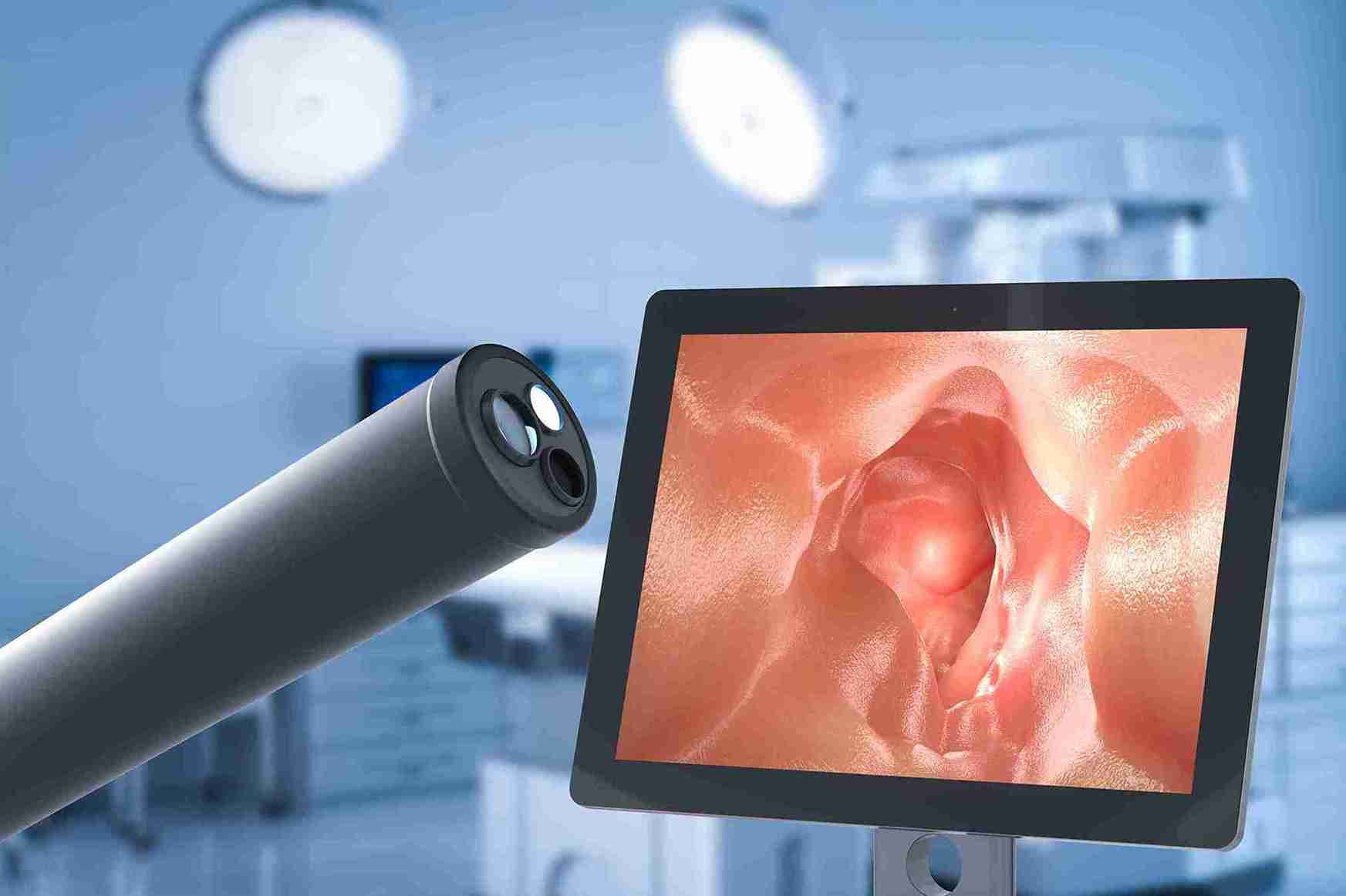
Having a transvaginal ultrasound might sound scary, but the test itself is simple.
As with all medical procedures, a transvaginal ultrasound has advantages and minimal risks.
Advantages:
Risks:
When it comes to sensitive healthcare interventions like transvaginal ultrasound, the right choice of the medical centre is what counts. Cloudnine stands out due to its patient-first policy, which ensures women not only access cutting-edge medical care but also deeply empathetic treatment.
The hospital is equipped with state-of-the-art imaging technology that guarantees precision. The highly trained specialists guide patients through every step of the process with tact and professionalism.
Beyond clinical skill, Cloudnine places strong emphasis on comfort and privacy, as it takes strides to offer a comfortable, intimate space for women. This blend of skill and individualised care is what sets Cloudnine apart from the rest of the healthcare sector.

Transvaginal ultrasound is a crucial diagnostic procedure that offers clear indications of a woman's reproductive health. Ranging from gynaecological disorder detection to monitoring early stages of pregnancy, it delivers accurate indications to guide early and effective treatment.
By understanding its purpose, procedure, and benefits, women can undergo this test confidently and clearly. If you are experiencing symptoms like pelvic pain, abnormal bleeding, or wish to ascertain early pregnancy, speaking with your doctor regarding the TVS test should be the right step to take.

It is an ultrasound diagnostic test done through the vagina to scan reproductive parts like the uterus, ovaries, and cervix.
TVS can indicate pelvic abnormalities, but further investigation, such as hysterosalpingography, may be needed to diagnose blocked tubes.
A physician can prescribe it to investigate pelvic pain, abnormal bleeding, infertility, or to verify and follow up on an early pregnancy.
Though TVS may identify the size and nature of a cyst, more scans like MRI, CT scans, or biopsies, are required to determine whether it is cancerous.







 Best Gynecologists in Bellandur Best Gynecologists in Electronic City Best Gynecologists in HRBR LayoutBest Gynecologists in Jayanagar Best Gynecologists in Kanakapura RoadBest Gynecologists in Malleswaram Best Gynecologists in Nagarbhavi Best Gynecologists in Old Airport RoadBest Gynecologists in Sahakarnagar Best Gynecologists in Sarjapur RoadBest Gynecologists in ThanisandraBest Gynecologists in Varthur RoadBest Gynecologists in Whitefield Best Gynecologists in Industrial Area Phase IIBest Gynecologists in OMRBest Gynecologists in T NagarBest Gynecologists in New Industrial TownBest Gynecologists in IndirapuramBest Gynecologists in Golf Course RoadBest Gynecologists in Sector 14Best Gynecologists in Sector 47Best Gynecologists in Banjara HillsBest Gynecologists in GachibowliBest Gynecologists in Hitech CityBest Gynecologists in KompallyBest Gynecologists in Gomti NagarBest Gynecologists in MaladBest Gynecologists in NerulBest Gynecologists in VashiBest Gynecologists in Kailash ColonyBest Gynecologists in PatparganjBest Gynecologists in Punjabi BaghBest Gynecologists in VikaspuriBest Gynecologists in Gaur CityBest Gynecologists in Pari ChowkBest Gynecologists in Sector 51Best Gynecologists in Sector 5 Swastik ViharBest Gynecologists in Kalyani NagarBest Gynecologists in SB RoadBest Gynecologists in Pimple SaudagarBest Pediatricians in BellandurBest Pediatricians in Electronic CityBest Pediatricians in HRBR LayoutBest Pediatricians in JayanagarBest Pediatricians in Kanakapura RoadBest Pediatricians in MalleswaramBest Pediatricians in NagarbhaviBest Pediatricians in Old Airport RoadBest Pediatricians in SahakarnagarBest Pediatricians in Sarjapur RoadBest Pediatricians in ThanisandraBest Pediatricians in Varthur RoadBest Pediatricians in WhitefieldBest Pediatricians in Industrial Area Phase IIBest Pediatricians in OMRBest Pediatricians in T NagarBest Pediatricians in New Industrial TownshipBest Pediatricians in IndirapuramBest Pediatricians in Golf Course RoadBest Pediatricians in Sector 14Best Pediatricians in Sector 47Best Pediatricians in Hitech CityBest Pediatricians in Banjara HillsBest Pediatricians in GachibowliBest Pediatricians in KompallyBest Pediatricians in Gomti NagarBest Pediatricians in MaladBest Pediatricians in NerulBest Pediatricians in VashiBest Pediatricians in Kailash ColonyBest Pediatricians in PatparganjBest Pediatricians in Punjabi BaghBest Pediatricians in VikaspuriBest Pediatricians in Gaur CityBest Pediatricians in Pari ChowkBest Pediatricians in Sector 51Best Pediatricians in Sector 5 Swastik ViharBest Pediatricians in Kalyani NagarBest Pediatricians in SB RoadBest Pediatricians in Pimple Saudagar


