
Is your baby old enough to start having other foods apart from breastmilk or formula? It must be exciting to introduce a variety of foods to your baby. You must be wondering if they will like the look, texture or smell of certain foods and how you can make them like such foods. Are you aware of what foods you can or can’t give your baby in their first year? Don’t worry, we have a list of foods you ought to avoid in the first year.

WHO recommends feeding babies only milk until they are 6 months old. This can be breast milk or formula only, not animal milk. After the baby turns 6 months old, you can start introducing different textured foods one at a time, giving their body time to adjust to each of these foods.
The first step in introducing solids is consulting your paediatrician. They can guide you on what to start with, the texture, how many days' gap to give before you introduce the next food and what allergic reactions to watch out for.
As a parent, you must remember that each baby is unique and their digestive process is also different. Just because a baby you know ate something or consumed a certain quantity of food, does not mean your baby should too. This difference applies to siblings as well. Let your baby’s body adjust to the new foods and let them decide what they like or don’t like. Don’t try to force-feed them or go by what all the other babies around you are consuming.
If you feel your baby is unable to process certain foods, trust your judgement and give it more time before trying to reintroduce it. There is no time limit here.
Your baby is just starting on foods apart from milk. Their digestive systems require time to adjust to the new demands and function optimally. Introduce a food item in very little quantity and wait a day or two to ensure there are no adverse reactions. Just because your baby likes the taste or eats well, don’t give them the same food multiple times a day. It can become too much for the body to process.
Listen to your baby and stop feeding when they start resisting. They still can’t communicate effectively. Even if you are distracting them while feeding, ensure that you don’t overfeed them. Babies can eat only a little at a time. The frequency of eating will gradually decrease as they age. Pay attention to their hunger cues and feed them when hungry. They will be more receptive to the new food items and may eat more of them as well.
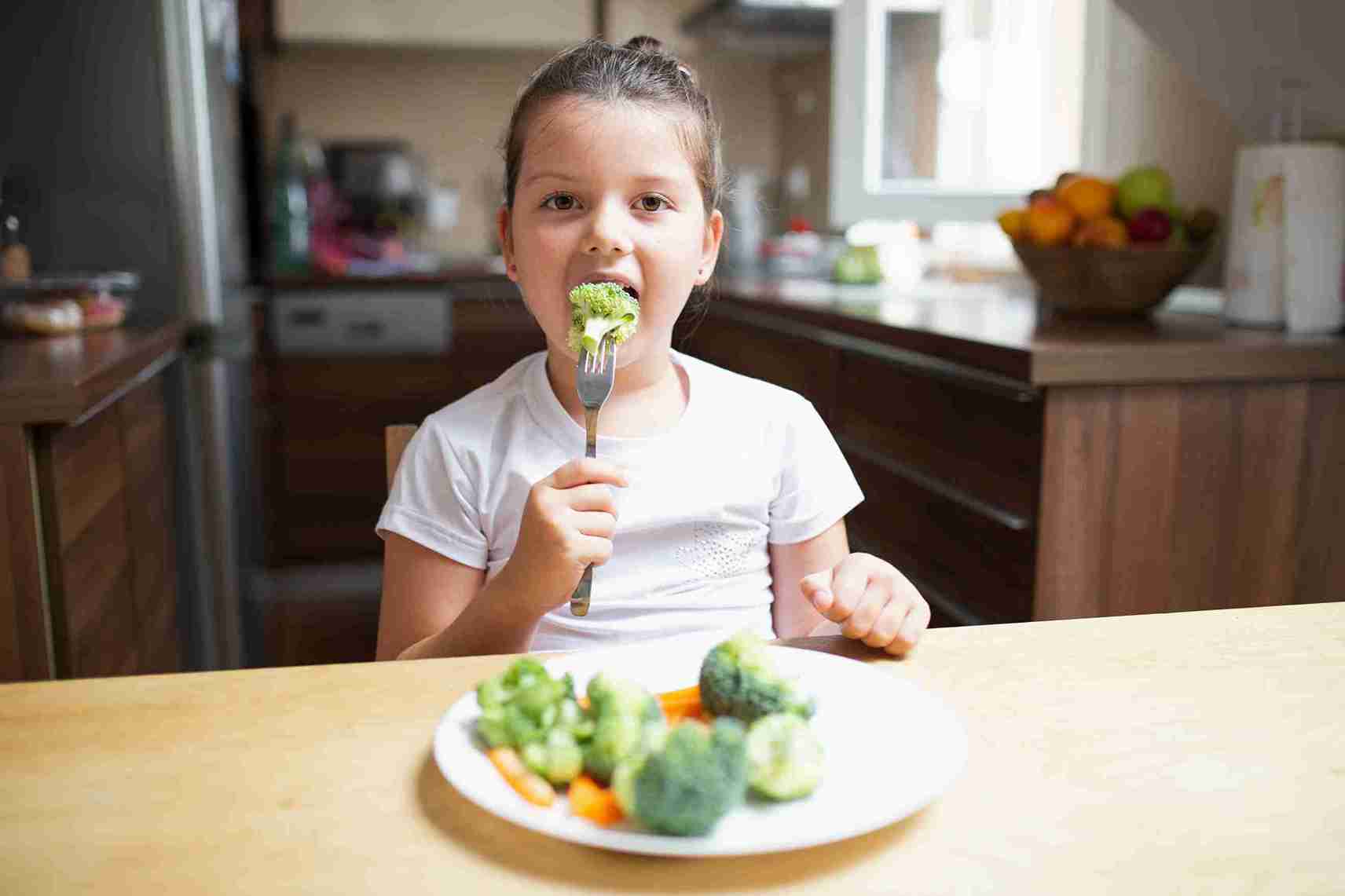
Now that we know how to feed, how much to feed and what not to do during the first year, let’s look at the foods you should not give your baby in their first year.
1. Salt - It is very natural to add salt to all foods when cooking. Avoid giving your baby salt until they are at least one year old. Their kidneys can struggle to process the salt. Although it is advisable to feed your baby the same food as the rest of the family, remember to set aside a portion for the baby before adding salt to the food.
2. Sugar - Adding sugar can tempt the baby into eating the food. It makes feeding so much easier. However, this can lead to early tooth decay. Yes, their teeth are yet to sprout, but giving them sugary foods now can cause damage as the teeth grow. Your baby does not need sugar at this age.
3. Raw Eggs - Babies can eat eggs after they are 6 months old. However, the eggs must be fully cooked to kill any bacteria that may be present in them. Avoid giving your baby any raw or undercooked eggs, including uncooked cake mixtures or desserts containing raw eggs. Also, be cautious of the eggs you give them, even when fully cooked. Opt for fresh eggs from reputed brands.
4. Saturated Fats - Crisps, biscuits and kid-friendly chips can be an easy snack to carry along or let your baby nibble on when you are busy or stepping out. However, their nutritional values are very low. Ensure you do not give too many foods rich in saturated fats. Homemade versions are safer, if feasible.
5. Honey - Honey is a natural food with a high nutritional value. However, babies below the age of 1 cannot digest it well. The natural bacteria present in some honey can produce toxins in the baby’s intestine when ingested. This can lead to a serious issue known as botulism. Wait till your baby is a year old to introduce honey to them.
6. Nuts - Nuts are very nutritious, but they can also be choking hazards. Whole nuts are not safe even for older children, at least until they are 5 years old and can chew their food properly. Babies can also develop nut allergies. Avoid giving mixed or whole nuts. Opt for the crushed or powdered version of the nuts and introduce one variant at a time.
7. Cheese Varieties - Pasteurised cheese is a good source of calcium, protein and other essential nutrients. Soft cheese or blue cheese can carry Listeria, a bacterium that can be dangerous for babies under a year old. Opt for cheese made from pasteurised milk for the best benefits. You can check the label to see what milk the cheese was made from.
8. Animal Milk - Avoid giving animal milk until your baby is a year old. It is very common in Indian households to give babies animal milk even before they turn 6 months old. Many studies suggest fortified formula milk is safer and more nourishing than animal milk until the baby turns one year old. While giving foods cooked with a bit of animal milk is okay, avoid giving your baby animal milk until they are at least one year old.
9. Processed Foods - Avoid processed foods of any kind until your baby is at least a year or 2 old. Processed foods will contain high amounts of salt, sugar and saturated fats, all of which are not safe for a baby. This includes processed meats like ham, salami, pepperoni, bacon, sausages, etc.
10. Seafood Varieties - Raw shellfish, swordfish, shark and a few other varieties of fish must be avoided in the first few years of a baby’s life. These fish varieties contain high levels of mercury and are not safe for consumption by babies. Mercury can affect the baby’s nervous system and lead to other complications.
11. Raw Vegetables – Raw vegetables can contain Listeria and are also a choking hazard. Soft-cook the vegetables and offer them in bite-sized pieces to avoid choking in babies.

When you are introducing foods to your baby in their first year, remember the following –
● Be mindful of the quantity
● Never leave them unattended when eating
● Offer bite-sized foods that are soft to eat
● Avoid foods that can choke. Give them in powdered or puree forms if needed.
● Avoid feeding using force or distractions.
Fist year of feeding a baby is very important. The foods they eat at this age form the nutritional blocks for their development. Be mindful of the foods, texture and quantity you give your baby. Listen to their cues and respect their limits to develop a healthy relationship with food.

Want to consult the best gynecologists in India? Please find the links below.

Although very common in many Indian households, it is advisable to avoid animal milk until the baby is at least one year old. Occasionally, cow’s milk, when mixed with other foods and cooked well, is okay, but giving cow’s milk instead of formula or breastmilk is not recommended.
No, salt and sugar must be avoided until the baby is one year old. Their kidneys are still too fragile to process the salt, and their bodies don’t yet require any artificial sugars.
Wait until your baby is a year old to start introducing allergenic foods. When introducing such foods. Start with a very small quantity and wait for about 3 days to ensure there are no unfavourable reactions. You can feed the same food again after a couple of days to ensure the body is processing it. In case of reactions, you can wait a little longer and reintroduce the food item after a few months.
For babies below a year old, avoid giving sugar, salt, animal milk, honey, raw vegetables, nuts, raw eggs, processed foods, including processed meats and sugary foods







 Best Gynecologists in Bellandur Best Gynecologists in Electronic City Best Gynecologists in HRBR LayoutBest Gynecologists in Jayanagar Best Gynecologists in Kanakapura RoadBest Gynecologists in Malleswaram Best Gynecologists in Nagarbhavi Best Gynecologists in Old Airport RoadBest Gynecologists in Sahakarnagar Best Gynecologists in Sarjapur RoadBest Gynecologists in ThanisandraBest Gynecologists in Varthur RoadBest Gynecologists in Whitefield Best Gynecologists in Industrial Area Phase IIBest Gynecologists in OMRBest Gynecologists in T NagarBest Gynecologists in New Industrial TownBest Gynecologists in IndirapuramBest Gynecologists in Golf Course RoadBest Gynecologists in Sector 14Best Gynecologists in Sector 47Best Gynecologists in Banjara HillsBest Gynecologists in GachibowliBest Gynecologists in Hitech CityBest Gynecologists in KompallyBest Gynecologists in Gomti NagarBest Gynecologists in MaladBest Gynecologists in NerulBest Gynecologists in VashiBest Gynecologists in Kailash ColonyBest Gynecologists in PatparganjBest Gynecologists in Punjabi BaghBest Gynecologists in VikaspuriBest Gynecologists in Gaur CityBest Gynecologists in Pari ChowkBest Gynecologists in Sector 51Best Gynecologists in Sector 5 Swastik ViharBest Gynecologists in Kalyani NagarBest Gynecologists in SB RoadBest Gynecologists in Pimple SaudagarBest Pediatricians in BellandurBest Pediatricians in Electronic CityBest Pediatricians in HRBR LayoutBest Pediatricians in JayanagarBest Pediatricians in Kanakapura RoadBest Pediatricians in MalleswaramBest Pediatricians in NagarbhaviBest Pediatricians in Old Airport RoadBest Pediatricians in SahakarnagarBest Pediatricians in Sarjapur RoadBest Pediatricians in ThanisandraBest Pediatricians in Varthur RoadBest Pediatricians in WhitefieldBest Pediatricians in Industrial Area Phase IIBest Pediatricians in OMRBest Pediatricians in T NagarBest Pediatricians in New Industrial TownshipBest Pediatricians in IndirapuramBest Pediatricians in Golf Course RoadBest Pediatricians in Sector 14Best Pediatricians in Sector 47Best Pediatricians in Hitech CityBest Pediatricians in Banjara HillsBest Pediatricians in GachibowliBest Pediatricians in KompallyBest Pediatricians in Gomti NagarBest Pediatricians in MaladBest Pediatricians in NerulBest Pediatricians in VashiBest Pediatricians in Kailash ColonyBest Pediatricians in PatparganjBest Pediatricians in Punjabi BaghBest Pediatricians in VikaspuriBest Pediatricians in Gaur CityBest Pediatricians in Pari ChowkBest Pediatricians in Sector 51Best Pediatricians in Sector 5 Swastik ViharBest Pediatricians in Kalyani NagarBest Pediatricians in SB RoadBest Pediatricians in Pimple Saudagar


