





Stomach infections are among the most common illnesses affecting babies and young children. Most cases are caused by viruses and improve with rest, fluids, and supportive care. However, babies, particularly newborns and young infants, can become dehydrated much faster than older children, making early recognition of symptoms essential. Knowing when a stomach infection can be managed at home and when medical attention is needed can help prevent complications.
This guide explains the causes, infant stomach infection symptoms, treatment options, warning signs, and ways to reduce the risk of infection.

Stomach infection in infants, alternatively called gastroenteritis or "stomach flu," is the infection of the stomach and bowels that results in vomiting, diarrhoea, and other digestive problems. Although "stomach flu" sounds like influenza, it does not have any association with it.
The most common cause of a stomach infection in babies is viruses, but bacteria and parasites can sometimes be the cause of this infection. While food poisoning happens as a result of consuming food that contains toxins, gastroenteritis is an infection of the digestive tract via viruses, bacteria, or parasites.
Babies are highly susceptible due to the fact that their immune systems are underdeveloped, and even a short episode of vomiting and diarrhoea may cause dehydration.
Several germs can cause stomach infections.
The most frequent causes are viruses such as:
Though rare, bacterial infections may arise from:
Certain parasites like Giardia can sometimes be responsible for long-term cases of diarrhoea, but they do not occur often in infants.
They are transmitted through food and water that is contaminated, poor hand washing, contact with infected persons, and through contaminated objects and surfaces, especially in day care environments.
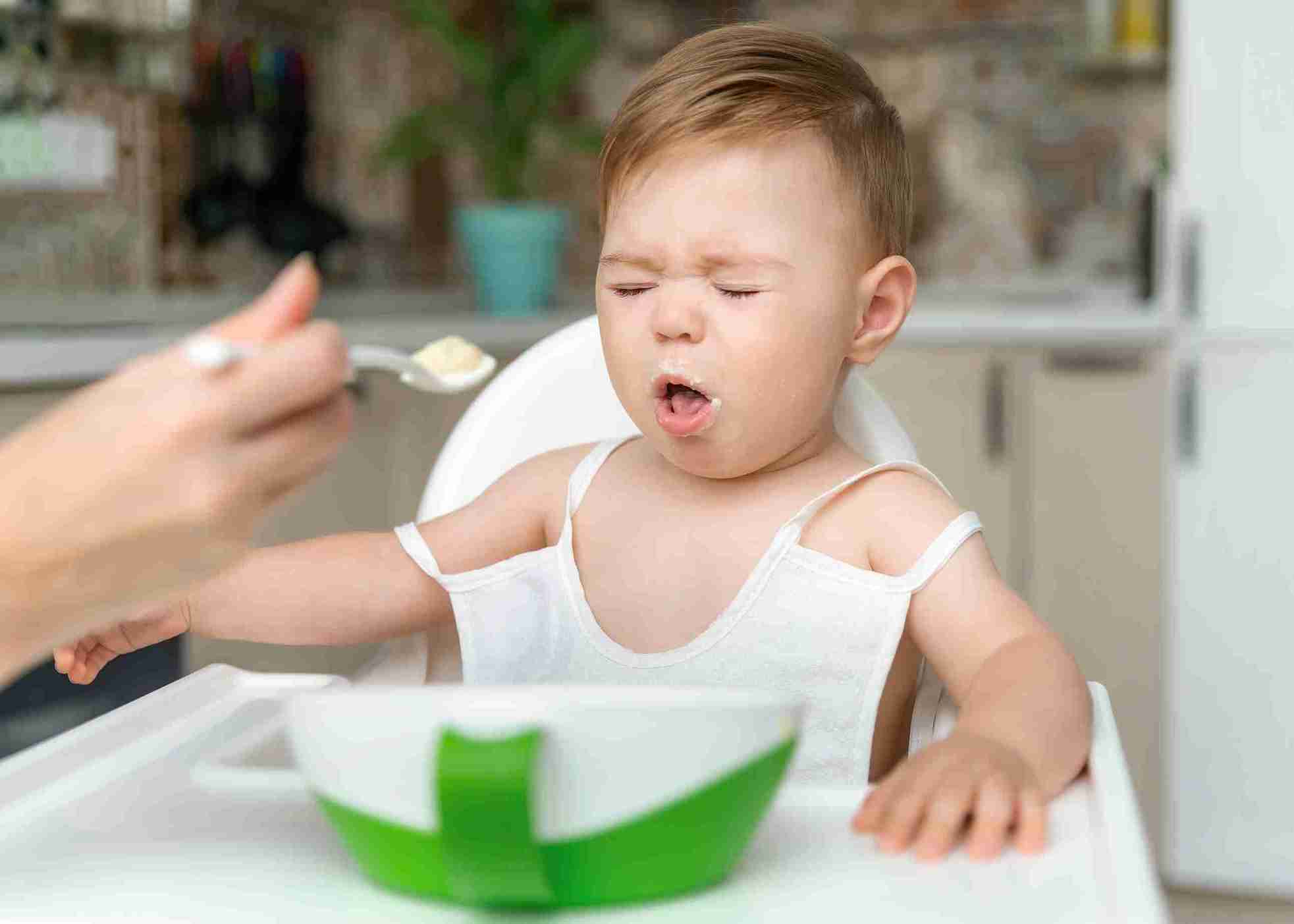
Infant stomach infection symptoms can differ based on the baby’s age and what has caused the infection.
Newborns may develop:
Signs of older infants suffering from stomach viruses may include:
The following signs may be observed:
Since children are unable to express their discomfort verbally, any difference in feeding, behaviour, or activity pattern must be treated as important.

Most cases of gastroenteritis are viral. Some common infant stomach virus symptoms include:
A newborn stomach virus can be more concerning because newborns have immature immune systems and may become dehydrated rapidly. Any newborn with fever, repeated vomiting, or poor feeding should be assessed urgently by a doctor.
Fortunately, most viral stomach infections are self-limiting and improve with supportive care over several days.
It is the most common complication of stomach problems.
These include:
Gastroenteritis can often be diagnosed in babies based on their symptoms and physical findings. Further testing may be suggested in cases where symptoms are severe or persistent. These tests include:
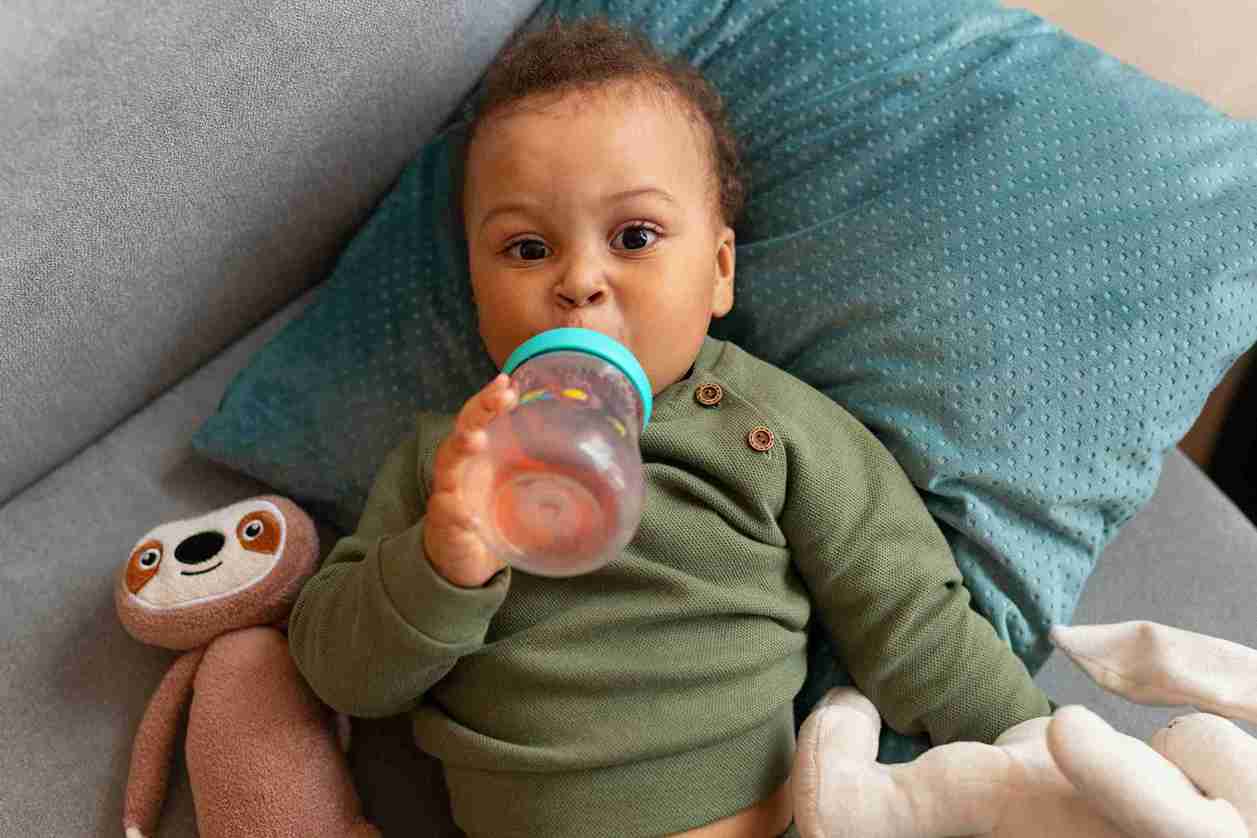
The main aspects of treatment include dehydration prevention and the healing process.
ORS therapy is the preferred method of treatment in case of diarrhoea and vomiting in babies. It is generally well tolerated when taken in small portions.
It is preferable to continue nursing babies through the period of infection whenever possible. Also, formula-fed babies should be fed during this time, unless there are other recommendations from a physician.
In case of fever, paracetamol can be used. Antibiotic therapy is recommended for some types of bacteria only and is not effective for viral infections. Antidiarrhoeal drugs should never be administered to babies unless recommended by a doctor.
Babies that need to be admitted to the hospital include those requiring:
Mild infections can be treated at home, most of the time. Parents should:

Viral stomach illness lasts from one to three days, although sometimes vomiting stops before diarrhoea does, which can take a week to resolve. Babies with bacterial infection need more time to recover and may need medication.
At Cloudnine, babies with stomach infections receive timely, evidence-based care from experienced paediatricians who understand the unique needs of newborns and infants. From accurate diagnosis and dehydration assessment to advanced paediatric emergency care, IV fluid management, and inpatient monitoring when required, every aspect of treatment is designed to support a safe recovery.
Most stomach infections in babies are mild and improve with supportive care, but dehydration can develop quickly, especially in newborns and young infants. Recognising early symptoms, continuing feeds, and using oral rehydration solutions can help support recovery.


Yes. Babies commonly develop stomach infections caused by viruses, bacteria, or parasites. While many are mild, young infants are at greater risk of dehydration and may require medical care.
Yes. Breast milk provides fluids, nutrients, and antibodies that support recovery. Breastfeeding should usually continue during a stomach infection unless your doctor advises otherwise.
Most viral stomach infections resolve on their own with time. The focus should be on maintaining hydration and continuing feeds rather than trying to "kill" the infection with home remedies.
Most babies recover completely, but severe dehydration, bacterial infections, and complications are possible, particularly in newborns and young infants. Prompt medical attention is important if warning signs develop.


 Best Gynecologists in Bellandur Best Gynecologists in Electronic City Best Gynecologists in HRBR LayoutBest Gynecologists in Jayanagar Best Gynecologists in Kanakapura RoadBest Gynecologists in Malleswaram Best Gynecologists in Nagarbhavi Best Gynecologists in Old Airport RoadBest Gynecologists in Sahakarnagar Best Gynecologists in Sarjapur RoadBest Gynecologists in ThanisandraBest Gynecologists in Varthur RoadBest Gynecologists in Whitefield Best Gynecologists in Industrial Area Phase IIBest Gynecologists in OMRBest Gynecologists in T NagarBest Gynecologists in New Industrial TownBest Gynecologists in IndirapuramBest Gynecologists in Golf Course RoadBest Gynecologists in Sector 14Best Gynecologists in Sector 47Best Gynecologists in Banjara HillsBest Gynecologists in GachibowliBest Gynecologists in Hitech CityBest Gynecologists in KompallyBest Gynecologists in Gomti NagarBest Gynecologists in MaladBest Gynecologists in NerulBest Gynecologists in VashiBest Gynecologists in Kailash ColonyBest Gynecologists in PatparganjBest Gynecologists in Punjabi BaghBest Gynecologists in VikaspuriBest Gynecologists in Gaur CityBest Gynecologists in Pari ChowkBest Gynecologists in Sector 51Best Gynecologists in Sector 5 Swastik ViharBest Gynecologists in Kalyani NagarBest Gynecologists in SB RoadBest Gynecologists in Pimple SaudagarBest Pediatricians in BellandurBest Pediatricians in Electronic CityBest Pediatricians in HRBR LayoutBest Pediatricians in JayanagarBest Pediatricians in Kanakapura RoadBest Pediatricians in MalleswaramBest Pediatricians in NagarbhaviBest Pediatricians in Old Airport RoadBest Pediatricians in SahakarnagarBest Pediatricians in Sarjapur RoadBest Pediatricians in ThanisandraBest Pediatricians in Varthur RoadBest Pediatricians in WhitefieldBest Pediatricians in Industrial Area Phase IIBest Pediatricians in OMRBest Pediatricians in T NagarBest Pediatricians in New Industrial TownshipBest Pediatricians in IndirapuramBest Pediatricians in Golf Course RoadBest Pediatricians in Sector 14Best Pediatricians in Sector 47Best Pediatricians in Hitech CityBest Pediatricians in Banjara HillsBest Pediatricians in GachibowliBest Pediatricians in KompallyBest Pediatricians in Gomti NagarBest Pediatricians in MaladBest Pediatricians in NerulBest Pediatricians in VashiBest Pediatricians in Kailash ColonyBest Pediatricians in PatparganjBest Pediatricians in Punjabi BaghBest Pediatricians in VikaspuriBest Pediatricians in Gaur CityBest Pediatricians in Pari ChowkBest Pediatricians in Sector 51Best Pediatricians in Sector 5 Swastik ViharBest Pediatricians in Kalyani NagarBest Pediatricians in SB RoadBest Pediatricians in Pimple Saudagar


