
Most parents bring their children to the doctor when something is wrong, like a fever, a cough, or an injury. But the visits that occur when the child seems perfectly fine are often the most valuable.
A child health checkup done once a year is not just about vaccines. It is a structured review of how your child is growing, developing, and doing across every area: physical health, nutrition, vision, hearing, teeth, behaviour, and learning. It is the appointment where a paediatrician can spot something that has been building slowly and quietly, long before it becomes a problem that is harder to fix.
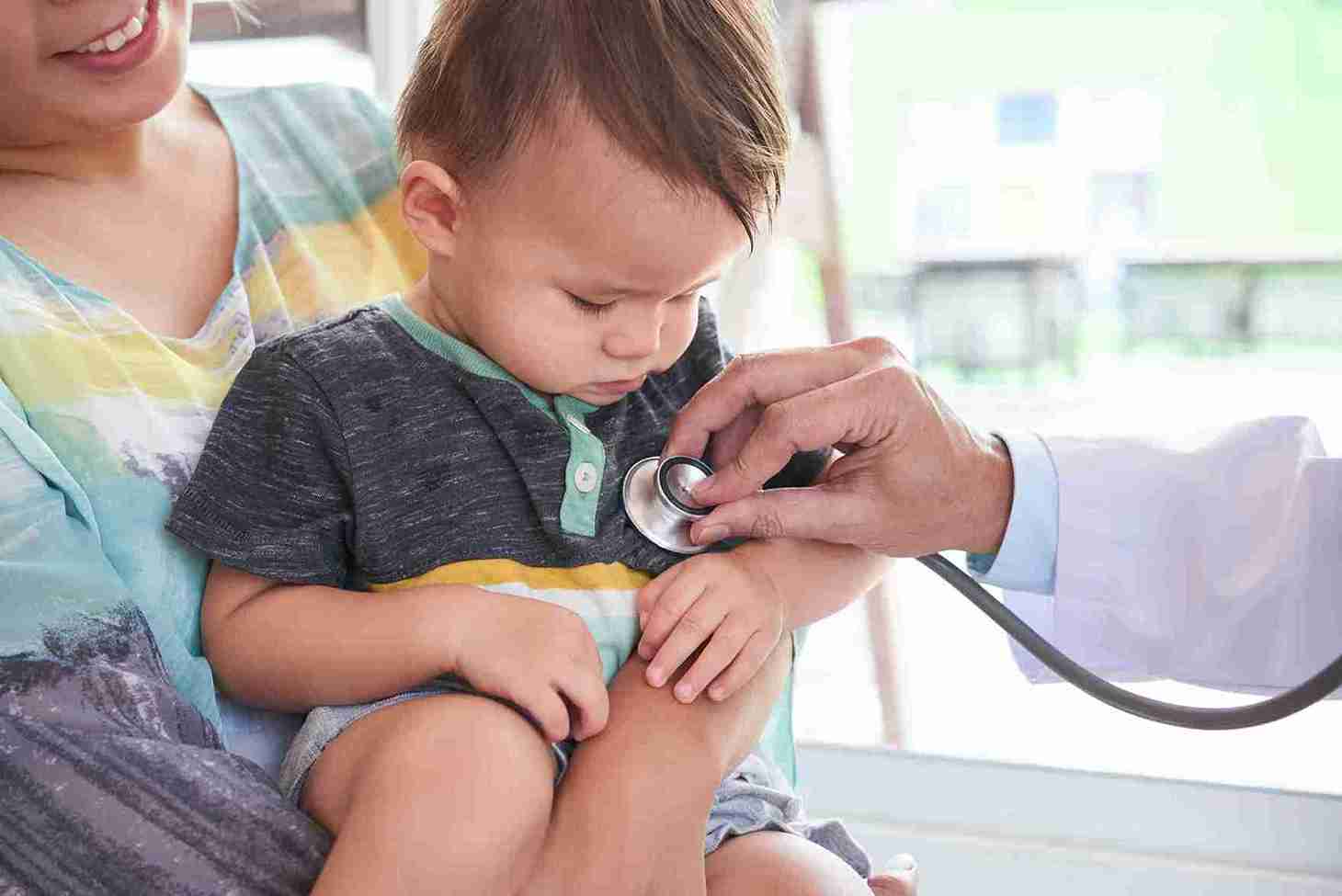
A paediatric wellness visit is not a quick in-and-out appointment. A thorough one covers several areas:
Height, weight, and head circumference (in younger children) are measured and plotted on a growth chart. A child who has been quietly falling off their growth curve may have a nutritional issue, a thyroid problem, or another condition affecting growth. A single measurement tells you very little. A pattern across visits tells you a great deal.
High blood pressure in children is more common than most parents realise, particularly with rising rates of childhood obesity in India. It usually causes no symptoms and is only found when checked. Left undetected, it puts strain on the heart and kidneys over time.
Children with poor vision often do not complain; they simply adapt. A child who cannot see the board clearly at school may be labelled inattentive or slow when the real problem is undetected short-sightedness. Vision screening at each annual visit catches this early.
Hearing problems affect speech development and school performance. Children with mild hearing loss often go undiagnosed for years because they compensate well in quiet environments but struggle in noisy classrooms.
The paediatrician checks whether the child is meeting age-appropriate milestones: in speech, motor skills, social development, and learning. This is where early signs of conditions like ADHD, autism spectrum disorder, learning disabilities, or developmental delay are picked up. Early identification means early intervention, which makes a significant difference to long-term results.
Many paediatricians do a basic dental assessment at wellness visits, checking for early tooth decay, crowding, or bite problems. India has a high burden of childhood dental decay, and early problems caught at a routine visit can prevent more serious issues later.
Eating habits, portion sizes, iron intake, vitamin D status, and any dietary concerns are discussed. Anaemia is very common in Indian children and is often picked up at a routine visit through a simple blood test.
As children get older, wellness visits include questions about mood, friendships, school stress, and screen time. Anxiety, depression, and social difficulties in children and teenagers are often first flagged at a routine check when the right questions are asked.

The value of the annual health exam for kids is not in any single finding: it is in the pattern over time. A paediatrician who has seen a child every year from infancy knows that child's baseline. They know what is normal for that particular child and what represents a change.
Many conditions that affect children develop gradually. A child who is slowly gaining weight in an unhealthy direction, a child whose growth is silently slowing, a child whose behaviour has been shifting over months, these patterns are visible to a doctor who sees the child regularly. They are invisible to one who only sees the child during illness.
Immunisation review is a core part of every annual pediatric wellness visit. At each visit, the paediatrician checks the child's vaccination record against the schedule and identifies any vaccines that are due, missed, or need a booster.
The Indian Academy of Paediatrics (IAP) immunisation schedule includes vaccines across childhood and into the teenage years, not just in infancy. Some vaccines that are due in the school years and early adolescence include:
Missing these vaccines is easy to do when wellness visits are skipped. The child seems fine, so the appointment does not feel urgent. But protection wanes, boosters are missed, and the window for certain vaccines like HPV closes with age.
In the first year of life, visits are more frequent, at birth, 6 weeks, 10 weeks, 14 weeks, 6 months, 9 months, and 12 months, following the immunisation schedule.
From age one onwards, an annual child health checkup is the standard recommendation. Some paediatricians recommend six-monthly visits through the toddler years. From school age through adolescence, once a year is the minimum.
Adolescence is a period when wellness visits are particularly valuable and particularly underused. Teenagers rarely discuss their health concerns with their parents. A private conversation with a paediatrician or adolescent medicine specialist, away from parents, gives them a space to raise concerns about mental health, relationships, weight, or substance use that they would not otherwise bring up.

A child who seems well still benefits from a yearly check. Growth, development, vision, hearing, vaccines, and nutrition are all areas where problems build silently and are best caught early. Annual paediatric wellness visits are not an extra when the child is sick. They are the visit that stops things from getting that far.

In the first year, visits follow the immunisation schedule, roughly every six to eight weeks. From age one onwards, a child's health checkup once a year is the standard practice. Some paediatricians suggest six-month visits through the toddler years. Adolescence is a period where annual visits are particularly important, as teenagers rarely volunteer health concerns, and a wellness visit gives them a dedicated space to do so.
A paediatric wellness visit allows the paediatrician to track growth over time, assess development, screen for vision and hearing problems, review vaccines, check blood pressure, and discuss nutrition and behaviour. The value is in the pattern across visits, a child's baseline is known, and changes are visible. Many conditions in children build gradually and are only caught when someone is looking for them regularly.
At each annual health exam for kids, the paediatrician reviews the child's immunisation record against the IAP schedule. Vaccines due in the school years and adolescence include typhoid booster, Tdap booster, HPV vaccine (ideally between 9 and 14 years), varicella booster, hepatitis A second dose, and annual influenza vaccine for at-risk children. Missed doses from earlier in childhood are also caught and completed at these visits.
Yes, this is one of their most important functions. Anaemia, vitamin D deficiency, poor vision, high blood pressure, hearing loss, and developmental delays are all conditions that build quietly and are best found through routine screening. A child health checkup with a basic blood test, vision check, and developmental assessment catches these before they affect school performance, physical health, or long-term development in ways that become harder to reverse.







 Best Gynecologists in Bellandur Best Gynecologists in Electronic City Best Gynecologists in HRBR LayoutBest Gynecologists in Jayanagar Best Gynecologists in Kanakapura RoadBest Gynecologists in Malleswaram Best Gynecologists in Nagarbhavi Best Gynecologists in Old Airport RoadBest Gynecologists in Sahakarnagar Best Gynecologists in Sarjapur RoadBest Gynecologists in ThanisandraBest Gynecologists in Varthur RoadBest Gynecologists in Whitefield Best Gynecologists in Industrial Area Phase IIBest Gynecologists in OMRBest Gynecologists in T NagarBest Gynecologists in New Industrial TownBest Gynecologists in IndirapuramBest Gynecologists in Golf Course RoadBest Gynecologists in Sector 14Best Gynecologists in Sector 47Best Gynecologists in Banjara HillsBest Gynecologists in GachibowliBest Gynecologists in Hitech CityBest Gynecologists in KompallyBest Gynecologists in Gomti NagarBest Gynecologists in MaladBest Gynecologists in NerulBest Gynecologists in VashiBest Gynecologists in Kailash ColonyBest Gynecologists in PatparganjBest Gynecologists in Punjabi BaghBest Gynecologists in VikaspuriBest Gynecologists in Gaur CityBest Gynecologists in Pari ChowkBest Gynecologists in Sector 51Best Gynecologists in Sector 5 Swastik ViharBest Gynecologists in Kalyani NagarBest Gynecologists in SB RoadBest Gynecologists in Pimple SaudagarBest Pediatricians in BellandurBest Pediatricians in Electronic CityBest Pediatricians in HRBR LayoutBest Pediatricians in JayanagarBest Pediatricians in Kanakapura RoadBest Pediatricians in MalleswaramBest Pediatricians in NagarbhaviBest Pediatricians in Old Airport RoadBest Pediatricians in SahakarnagarBest Pediatricians in Sarjapur RoadBest Pediatricians in ThanisandraBest Pediatricians in Varthur RoadBest Pediatricians in WhitefieldBest Pediatricians in Industrial Area Phase IIBest Pediatricians in OMRBest Pediatricians in T NagarBest Pediatricians in New Industrial TownshipBest Pediatricians in IndirapuramBest Pediatricians in Golf Course RoadBest Pediatricians in Sector 14Best Pediatricians in Sector 47Best Pediatricians in Hitech CityBest Pediatricians in Banjara HillsBest Pediatricians in GachibowliBest Pediatricians in KompallyBest Pediatricians in Gomti NagarBest Pediatricians in MaladBest Pediatricians in NerulBest Pediatricians in VashiBest Pediatricians in Kailash ColonyBest Pediatricians in PatparganjBest Pediatricians in Punjabi BaghBest Pediatricians in VikaspuriBest Pediatricians in Gaur CityBest Pediatricians in Pari ChowkBest Pediatricians in Sector 51Best Pediatricians in Sector 5 Swastik ViharBest Pediatricians in Kalyani NagarBest Pediatricians in SB RoadBest Pediatricians in Pimple Saudagar


