
Pregnancy comes with a list of things to watch for, and most of them turn out to be nothing. A twinge here, some spotting there, a day where the baby moves less than usual. Most of the time, everything is fine. But there are certain warning signs that genuinely should not be waited out, and placental abruption is at the top of that list.
It is not a condition most women have heard of before pregnancy. Yet it is one of the most serious complications that can occur, especially in the second half of pregnancy, and recognising it early can be the difference between a manageable situation and a life-threatening one for both mother and baby.
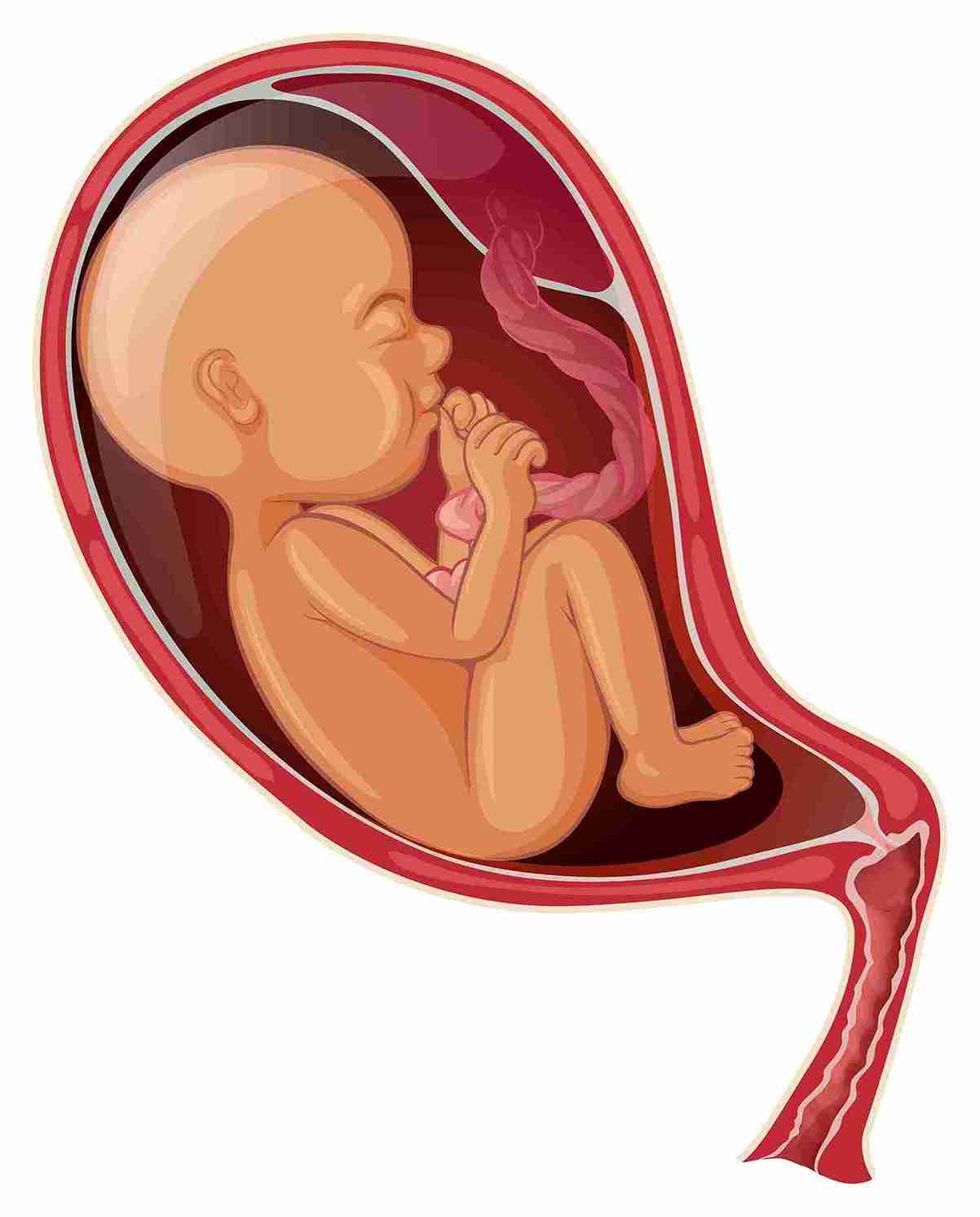
The placenta is attached to the wall of the uterus and is the baby's lifeline throughout pregnancy. It transports oxygen and nutrients from the mother to the baby and removes waste products from the baby to the mother. Placental abruption is a condition in which the placenta separates partially or completely from the uterine wall, much before delivery.
When placental abruption happens, the baby may not get an oxygen supply, and at the same time, the separation causes bleeding at the site where the placenta pulled away. Hence, this condition needs to be addressed immediately.
Placental abruption occurs in approximately one in every 100 pregnancies and is responsible for a significant proportion of third-trimester bleeding during pregnancy. It can happen suddenly, with little warning, which is precisely why knowing the risk factors and recognising the symptoms early matters so much.
Placental abruption symptoms do not always look the same in every woman, which makes them easy to misinterpret or dismiss.
The most common presentation is sudden, painful vaginal bleeding in the second or third trimester. The bleeding may be heavy or relatively modest, but the key distinction between placental abruption and other causes of bleeding during pregnancy is the pain. Uterine pain, tenderness and rigidity accompanying the bleeding are characteristic features.
In some cases, the blood does not flow outward at all. It can pool behind the placenta, called a concealed abruption. In such cases, there is no bleeding but severe abdominal or/and back pain along with uterine hardness. Other common symptoms are:
Any of these symptoms in the second or third trimester requires immediate hospital attendance. This is not a situation where it is reasonable to wait and see.

The precise causes of placental abruption are not always identifiable, but several risk factors are well established. Understanding these helps women and their medical teams identify who needs closer monitoring.
High blood pressure during pregnancy, whether pre-existing or pregnancy-induced, is one of the strongest risk factors for placental abruption. It is thought to damage the small blood vessels that connect the placenta to the uterine wall, making separation more likely. Women with preeclampsia, particularly severe preeclampsia, are at significantly elevated risk.
A direct blow to the abdomen, whether from a fall, a road traffic accident, or physical violence, can cause the placenta to shear away from the uterine wall. Even a relatively minor fall can be significant in pregnancy, particularly in the third trimester.
A woman who has experienced placental abruption in a previous pregnancy carries a substantially higher risk in subsequent pregnancies. The recurrence risk is estimated at around 10%, rising further if there have been two previous episodes.
Smoking during pregnancy can damage the placental blood vessels and reduce blood flow to the placenta. It is a dose-dependent risk factor - meaning the more cigarettes you smoke, the higher the risk. Cocaine use is also strongly associated with placental abruption and can trigger acute abruption even with a single episode of use during pregnancy. Alcohol consumption also increases risk.
Carrying twins or more places greater physical demands on the uterus and placenta. The risk of placental abruption is higher in multiple pregnancies, due to the increased uterine distension and also because multiple pregnancies are more likely to carry other complicating factors.
An excess of amniotic fluid, called polyhydramnios, increases the pressure inside the uterus. When membranes rupture and amniotic fluid drains fast, the sudden decompression can cause the placenta to move away from the uterine wall. This is a recognised mechanism for abruption.
Women over 35 and those who have had several previous pregnancies are at a higher risk of placental abruption. Age-related changes in uterine vasculature and the physical effects of multiple pregnancies on the uterus both contribute.
Thrombophilias, conditions that affect the blood's clotting mechanism, can also cause placental abruption. It can impair the integrity of placental blood vessels, leading to separation. They are often identified only after an abruption has occurred, which is why investigation for clotting disorders is recommended for women who have experienced an abruption.
Not all bleeding during pregnancy indicates placental abruption, and not all bleeding is the same. Spotting in the first trimester is common and often benign. Bleeding in the second or third trimester is always taken more seriously.
Bleeding during pregnancy that is accompanied by significant abdominal pain, uterine rigidity, or a change in fetal movement is an emergency until proven otherwise. Going to the nearest hospital the same day is the correct response.
Even heavy bleeding without pain, or pain without visible bleeding, in the second half of pregnancy needs the same-day evaluation. An ultrasound can sometimes detect an abruption, though it is not always visible on imaging. Clinical assessment, fetal heart rate monitoring, and blood tests are all part of the evaluation.
Placental abruption is one of those pregnancy complications that can arrive with very little warning and escalate quickly. Knowing the risk factors and recognising the symptoms, especially the combination of sudden pain and bleeding during pregnancy, gives women the best chance of getting help in time. If something feels wrong in the second half of pregnancy, the right response is always to seek medical attention immediately rather than wait.

Want to consult the best gynecologists in India? Please find the links below.
Want to consult the best Maternity Packages in India? Please find the links below.

Yes, significantly. When the placenta separates from the uterine wall, the baby's oxygen and nutrient supply is disrupted. The severity of harm depends on how much of the placenta has separated and how quickly treatment is received. Partial abruptions caught early may allow the pregnancy to continue safely. Severe abruption can cause fetal distress, premature birth, stillbirth, or long-term complications from oxygen deprivation if not managed immediately.
In moderate-to-severe cases, yes. Placental abruption symptoms, can be a sudden abdominal pain, uterine rigidity, heavy bleeding, and reduced fetal movement, constitute an obstetric emergency requiring immediate hospital assessment. Even milder presentations need the same-day evaluation. The condition can worsen rapidly and unpredictably, and a delay in recognition or treatment significantly worsens outcomes for both mother and baby. Any suspected abruption should be treated as an emergency until definitively assessed otherwise.
There is no direct evidence that emotional stress alone causes placental abruption. However, chronic stress is associated with elevated blood pressure, which is one of the strongest known causes of placental abruption. Severe physical trauma, from accidents or domestic violence, is a direct cause. Managing blood pressure carefully throughout pregnancy and reporting any abdominal trauma immediately to an obstetrician are both important steps in high-risk pregnancy care.
The key placental abruption symptoms to watch for include sudden, severe abdominal or back pain, a uterus that feels unusually hard or rigid, vaginal bleeding that may range from light to heavy, rapid and painful contractions, and reduced or absent fetal movement. In concealed abruption, there is no external bleeding, but severe pain persists. Any combination of these symptoms in the second or third trimester requires immediate hospitalisation.







 Best Gynecologists in Bellandur Best Gynecologists in Electronic City Best Gynecologists in HRBR LayoutBest Gynecologists in Jayanagar Best Gynecologists in Kanakapura RoadBest Gynecologists in Malleswaram Best Gynecologists in Nagarbhavi Best Gynecologists in Old Airport RoadBest Gynecologists in Sahakarnagar Best Gynecologists in Sarjapur RoadBest Gynecologists in ThanisandraBest Gynecologists in Varthur RoadBest Gynecologists in Whitefield Best Gynecologists in Industrial Area Phase IIBest Gynecologists in OMRBest Gynecologists in T NagarBest Gynecologists in New Industrial TownBest Gynecologists in IndirapuramBest Gynecologists in Golf Course RoadBest Gynecologists in Sector 14Best Gynecologists in Sector 47Best Gynecologists in Banjara HillsBest Gynecologists in GachibowliBest Gynecologists in Hitech CityBest Gynecologists in KompallyBest Gynecologists in Gomti NagarBest Gynecologists in MaladBest Gynecologists in NerulBest Gynecologists in VashiBest Gynecologists in Kailash ColonyBest Gynecologists in PatparganjBest Gynecologists in Punjabi BaghBest Gynecologists in VikaspuriBest Gynecologists in Gaur CityBest Gynecologists in Pari ChowkBest Gynecologists in Sector 51Best Gynecologists in Sector 5 Swastik ViharBest Gynecologists in Kalyani NagarBest Gynecologists in SB RoadBest Gynecologists in Pimple SaudagarBest Pediatricians in BellandurBest Pediatricians in Electronic CityBest Pediatricians in HRBR LayoutBest Pediatricians in JayanagarBest Pediatricians in Kanakapura RoadBest Pediatricians in MalleswaramBest Pediatricians in NagarbhaviBest Pediatricians in Old Airport RoadBest Pediatricians in SahakarnagarBest Pediatricians in Sarjapur RoadBest Pediatricians in ThanisandraBest Pediatricians in Varthur RoadBest Pediatricians in WhitefieldBest Pediatricians in Industrial Area Phase IIBest Pediatricians in OMRBest Pediatricians in T NagarBest Pediatricians in New Industrial TownshipBest Pediatricians in IndirapuramBest Pediatricians in Golf Course RoadBest Pediatricians in Sector 14Best Pediatricians in Sector 47Best Pediatricians in Hitech CityBest Pediatricians in Banjara HillsBest Pediatricians in GachibowliBest Pediatricians in KompallyBest Pediatricians in Gomti NagarBest Pediatricians in MaladBest Pediatricians in NerulBest Pediatricians in VashiBest Pediatricians in Kailash ColonyBest Pediatricians in PatparganjBest Pediatricians in Punjabi BaghBest Pediatricians in VikaspuriBest Pediatricians in Gaur CityBest Pediatricians in Pari ChowkBest Pediatricians in Sector 51Best Pediatricians in Sector 5 Swastik ViharBest Pediatricians in Kalyani NagarBest Pediatricians in SB RoadBest Pediatricians in Pimple Saudagar


