





Growth plate injuries are common in children and teenagers, especially those who play sports. Unlike adults, children have soft areas of growing tissue near the ends of their long bones. These areas, called growth plates, are vulnerable to injury. When hurt, they need prompt and proper care. Understanding how to prevent these injuries and how to support recovery can protect your child's long-term bone health and development.
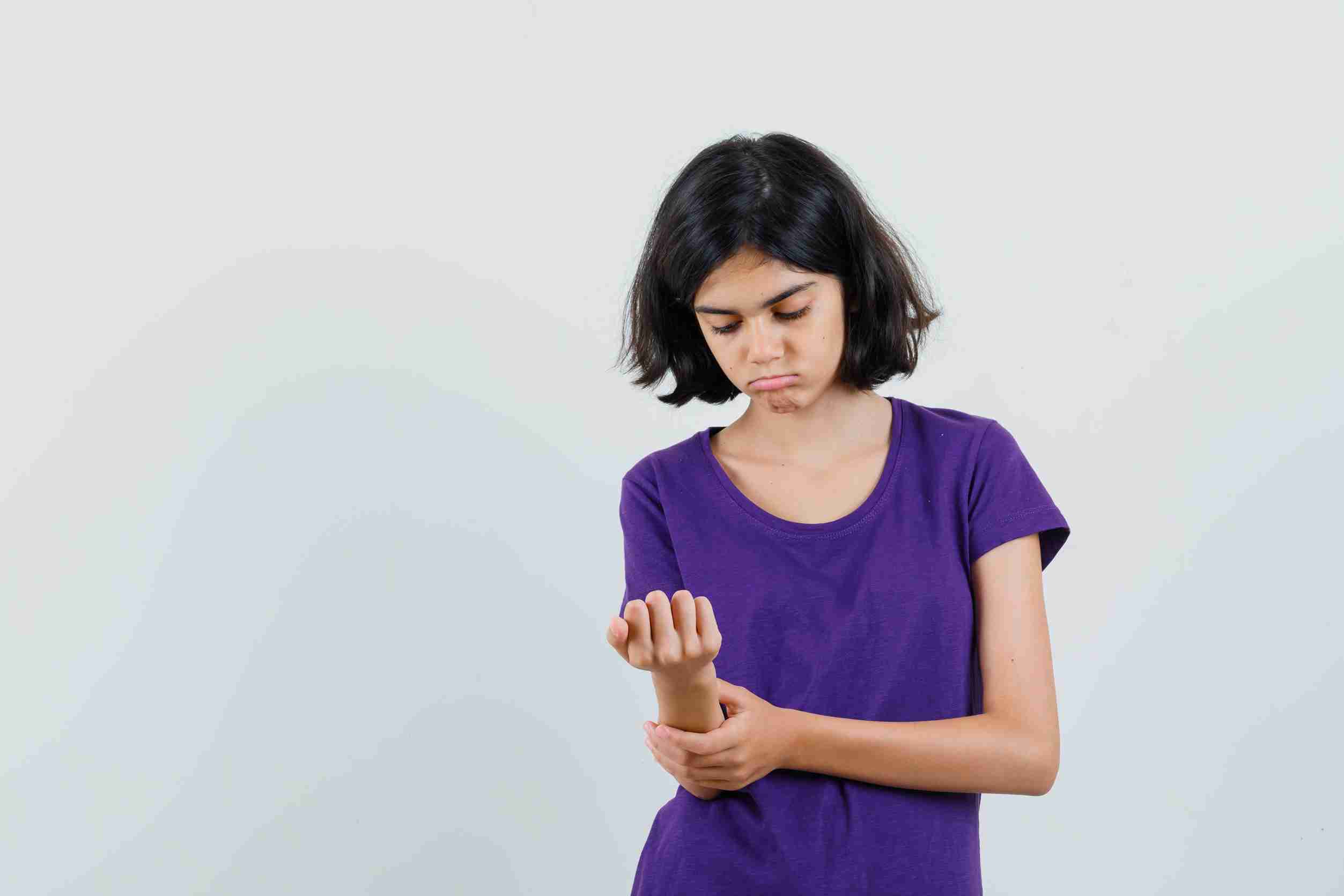
Growth plates are areas of soft cartilage near the ends of your child's long bones, in their arms, legs, hands, and feet. Think of them as the "factories" where new bone is made. As your child grows, these plates produce new bone tissue, lengthening their bones year after year.
Growth plates are softer than regular bone; they are weaker. An injury that might just sprain your ankle could fracture your child's growth plate.
About one in three childhood fractures involves a growth plate, which is a significant number. These injuries are most common in boys between the ages of 14 and 16, but they can also occur in younger children. Girls typically stop experiencing growth plate injuries around age 14-15 because their bones mature earlier.
There are two ways in which a paediatric growth plate fracture can happen :
Sudden injury: Sudden injuries—such as falling off a bike, getting tackled during football, or having an accident—are the most common cause of growth plate fractures. The force from these incidents can break the growth plate.
Overuse: Sometimes fractures develop slowly from repeated use of the same motion. This happens with young athletes who train intensely, cricketers who bowl for hours, gymnasts who practice daily, and runners who overtrain. In today's competitive sports culture, where children attend after-school coaching and training classes, overuse injuries are becoming increasingly common. The most common places for growth plate fractures are the wrist, ankle, knee, and fingers. Of particular concern are the growth plates in the knee and thigh, as they are more likely to affect future growth.

Pain: Not the kind that comes and goes and is easily dismissed, but real pain that does not subside.
Swelling and tenderness: The area is swollen and tender to the touch.
Can't use the limb: Your child refuses to put weight on the injured limb.
Looks wrong: The limb may look bent in an unusual way, shorter than usual, or deformed.
Limited movement: The child is unable to move the joint normally.
Don't assume it is just a bad sprain. What looks like a sprain may very well be a growth plate injury in children. Get it checked.
At the hospital, the doctor will ask how the injury happened, examine your child, and order X-rays. Growth plates don't show up clearly on X-rays because they are cartilage, not a bone. They appear as gaps between the bone shaft and the bone end. Sometimes fractures through growth plates are hard to see. If the doctor suspects a growth plate injury, they might order an MRI or CT scan to better visualise the soft tissue. These tests help doctors diagnose the kind of fracture and treat it accordingly.
There are five types of growth plate fractures according to the Salter-Harris classification system. Type I and Type II are the most commonly occurring types of fractures and have better healing outcomes. Types III, IV, and V are rarer but more serious as they are more likely to affect future bone growth. You don't need to memorise these types. What you need to know is that your child's doctor will determine the severity and plan treatment accordingly.
Once the bone heals, your child cannot just jump back into sports. Rehabilitation after a growth plate fracture is important.
Physical therapy: Your child will work with a physiotherapist to:
Timeline: Don't rush. Even after the cast comes off, it takes weeks to months to fully recover. Pushing too hard, too soon, can cause re-injury.
Returning to sports: Your doctor will tell you when it's safe to resume sports. Usually, your child needs medical clearance before returning to cricket, football, basketball, or any contact sport.
This is what worries every parent most.
The truth? Most growth plate fractures heal completely with no long-term problems. However, in cases of severe injury or delayed treatment, the growth plate may close prematurely. This might cause:
This is why follow-up appointments are so important. Your doctor will monitor your child's bone growth for months or even years after the injury to catch any problems early. If growth problems develop, additional treatment, sometimes surgery, may be needed to fix them.
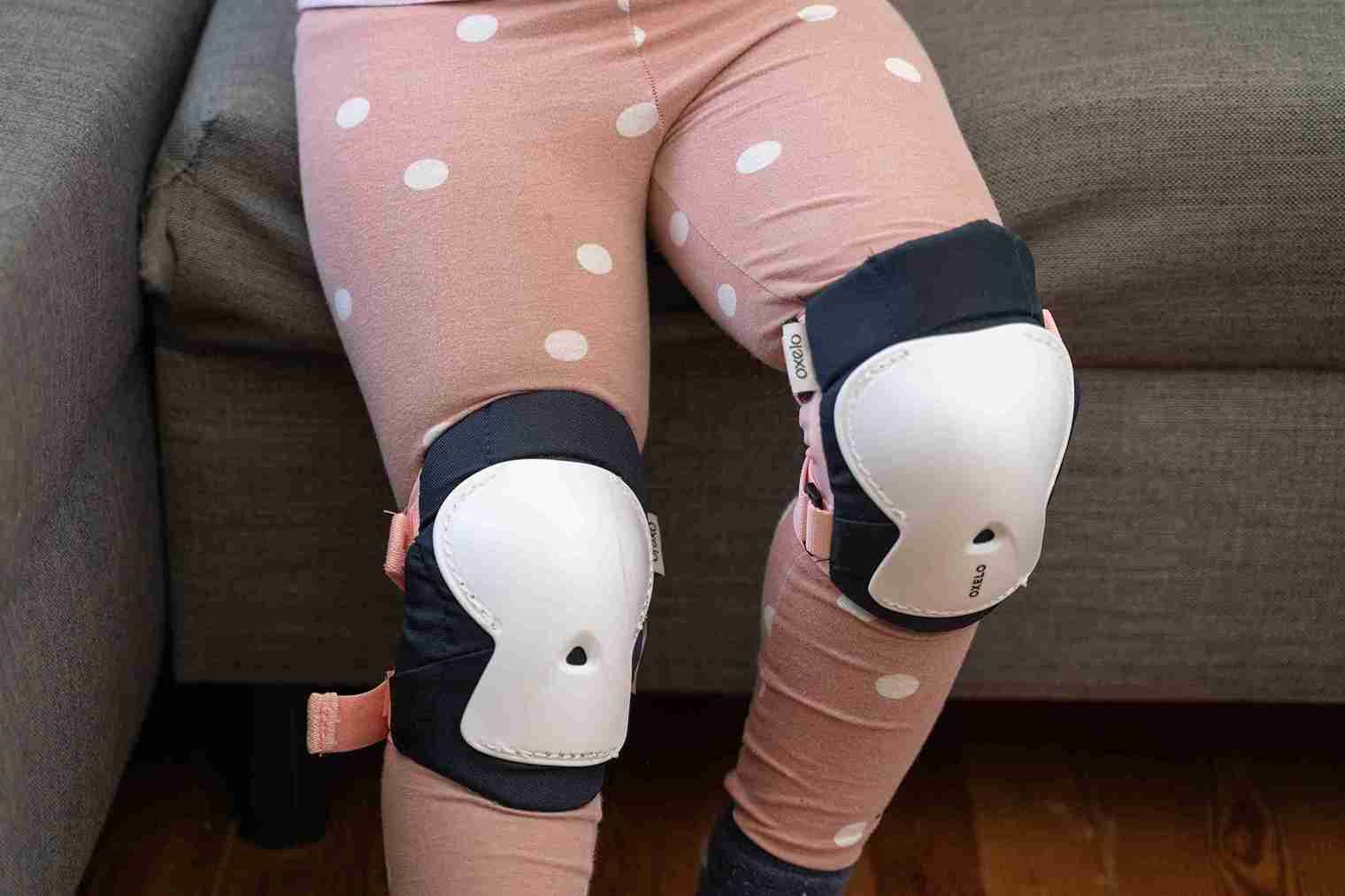
You can't prevent every injury, but you can reduce its risk:
Use safety gear: Helmets, knee pads, elbow pads, wrist guards. Yes, even when playing in your neighbourhood. Because falls happen.
Avoid overuse: If your child plays sports, be sure they:
Build strength: Encourage your child to participate in a variety of activities that build both muscle and bone strength, rather than focusing on a single sport.
Proper technique: Make sure your child uses proper technique in their sport. The wrong technique will put unnecessary stress on bones and joints.
Know when to stop: If your child complains of persistent pain, don't tell them to "tough it out." Listen to them. Pain is a warning sign.
Growth plate injuries in children are serious, yet preventable conditions. Proper warm-ups, use of protective gear, and avoiding overtraining can greatly reduce the chances of growth plate injuries. Should the child sustain such an injury, appropriate and timely medical care and rehabilitation can lead to full recovery and even stronger and healthier children.

Want to consult the best pediatrician in India? Please find the links below
best pediatrician in Bangalore
Best pediatrician in Chandigarh
best pediatrician in faridabad
best pediatrician in hyderabad
Best pediatrician in New Delhi
Best pediatrician in Panchkula
Best pediatrician in Ghaziabad

A growth plate injury happens when the soft cartilage area near the ends of a child's long bones gets fractured or damaged. Growth plates are regions where new bone develops, allowing children’s bones to lengthen as they grow. Because they are softer than regular bones, they're vulnerable to injury. About one-third of all childhood fractures involve growth plates. These injuries can occur from falls, sports accidents, or overuse. With proper treatment, most heal completely without affecting future growth.
Growth plate fractures happen in two ways: sudden trauma (falls, sports injuries, accidents) or overuse from repetitive stress. Common causes include falling during play, sports tackles, awkward landings during sports activities, or overtraining in sports like cricket, gymnastics, or running. Boys get these fractures twice as often as girls because girls' bones mature earlier. The wrist, fingers, ankle, and knee are most commonly affected. Any forceful impact on a growing bone can potentially fracture the growth plate.
Symptoms include persistent pain at the injury site, swelling and tenderness, inability to use or bear weight on the limb, visible deformity (limb looks unnaturally bent or different), and limited joint movement. Unlike sprains, which improve quickly, growth plate injuries cause ongoing pain that doesn't resolve. Your child might refuse to walk on the injured leg or use the injured arm. The area may appear swollen or visibly bruised. If you notice these signs after an injury, see a doctor immediately.
Doctors diagnose growth plate injuries through physical examination and imaging tests. First, they gather a history of how the injury occurred and examine the affected area. X-rays are the primary diagnostic tool, though growth plates themselves don't show clearly on X-rays since they're cartilage. Doctors look for gaps and fracture patterns. If needed, MRI or CT scans provide better views of soft tissue and cartilage. Sometimes, comparing X-rays of both limbs helps identify subtle fractures.


 Best Gynecologists in Bellandur Best Gynecologists in Electronic City Best Gynecologists in HRBR LayoutBest Gynecologists in Jayanagar Best Gynecologists in Kanakapura RoadBest Gynecologists in Malleswaram Best Gynecologists in Nagarbhavi Best Gynecologists in Old Airport RoadBest Gynecologists in Sahakarnagar Best Gynecologists in Sarjapur RoadBest Gynecologists in ThanisandraBest Gynecologists in Varthur RoadBest Gynecologists in Whitefield Best Gynecologists in Industrial Area Phase IIBest Gynecologists in OMRBest Gynecologists in T NagarBest Gynecologists in New Industrial TownBest Gynecologists in IndirapuramBest Gynecologists in Golf Course RoadBest Gynecologists in Sector 14Best Gynecologists in Sector 47Best Gynecologists in Banjara HillsBest Gynecologists in GachibowliBest Gynecologists in Hitech CityBest Gynecologists in KompallyBest Gynecologists in Gomti NagarBest Gynecologists in MaladBest Gynecologists in NerulBest Gynecologists in VashiBest Gynecologists in Kailash ColonyBest Gynecologists in PatparganjBest Gynecologists in Punjabi BaghBest Gynecologists in VikaspuriBest Gynecologists in Gaur CityBest Gynecologists in Pari ChowkBest Gynecologists in Sector 51Best Gynecologists in Sector 5 Swastik ViharBest Gynecologists in Kalyani NagarBest Gynecologists in SB RoadBest Gynecologists in Pimple SaudagarBest Pediatricians in BellandurBest Pediatricians in Electronic CityBest Pediatricians in HRBR LayoutBest Pediatricians in JayanagarBest Pediatricians in Kanakapura RoadBest Pediatricians in MalleswaramBest Pediatricians in NagarbhaviBest Pediatricians in Old Airport RoadBest Pediatricians in SahakarnagarBest Pediatricians in Sarjapur RoadBest Pediatricians in ThanisandraBest Pediatricians in Varthur RoadBest Pediatricians in WhitefieldBest Pediatricians in Industrial Area Phase IIBest Pediatricians in OMRBest Pediatricians in T NagarBest Pediatricians in New Industrial TownshipBest Pediatricians in IndirapuramBest Pediatricians in Golf Course RoadBest Pediatricians in Sector 14Best Pediatricians in Sector 47Best Pediatricians in Hitech CityBest Pediatricians in Banjara HillsBest Pediatricians in GachibowliBest Pediatricians in KompallyBest Pediatricians in Gomti NagarBest Pediatricians in MaladBest Pediatricians in NerulBest Pediatricians in VashiBest Pediatricians in Kailash ColonyBest Pediatricians in PatparganjBest Pediatricians in Punjabi BaghBest Pediatricians in VikaspuriBest Pediatricians in Gaur CityBest Pediatricians in Pari ChowkBest Pediatricians in Sector 51Best Pediatricians in Sector 5 Swastik ViharBest Pediatricians in Kalyani NagarBest Pediatricians in SB RoadBest Pediatricians in Pimple Saudagar


