
If you are trying to get pregnant and it is not happening, your thyroid might be the problem. Many women don't realise that TSH levels for pregnancy can make or break their chances of conceiving. Let's talk about what TSH levels you need and how they affect your ability to get pregnant.
What is TSH and Why Does it Matter?
TSH stands for thyroid-stimulating hormone. Your pituitary gland makes TSH to tell your thyroid to produce thyroid hormones T3 and T4. These hormones control your metabolism, energy levels, and fertility. When your thyroid hormone levels drop, your brain signals the pituitary gland to release more TSH. When thyroid hormone levels are too high, TSH production slows. For women trying to conceive, TSH needs to be in the right range.
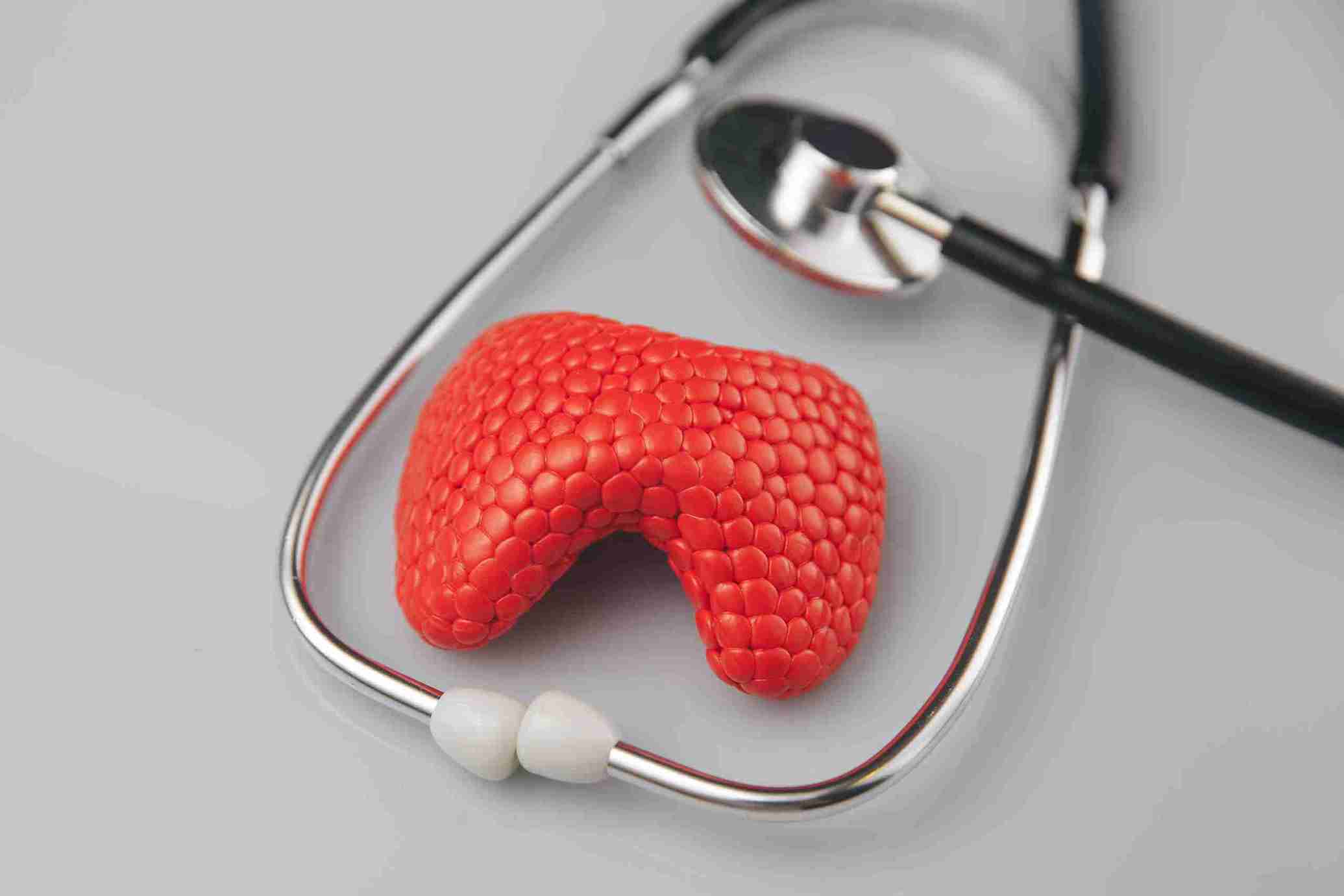
The normal TSH range for the general population is 0.4 to 4.5 mIU/L. But when you are trying to get pregnant, that range changes. Most fertility specialists now recommend keeping your ideal TSH levels for fertility below 2.5 mIU/L. Research shows that women with TSH above 2.5 take longer to conceive and have higher miscarriage rates. Why? Pregnancy puts extra demands on your thyroid. In the first three months, your baby depends entirely on your thyroid hormones for brain development. Some doctors want to see TSH between 1.0 and 2.0 mIU/L, especially for women doing IVF or those with a history of miscarriages.
The thyroid and fertility in women are closely linked. Your thyroid hormones affect reproduction. If your thyroid is not working properly, you might not ovulate regularly. High TSH can mess with your cycle. Thyroid hormones also help eggs mature properly. When TSH is high, egg quality suffers. Thyroid hormones prepare the uterine lining for implantation. High TSH can make the lining less receptive. During the first 12 weeks of pregnancy, your baby relies completely on your thyroid hormones. This is why doctors routinely check TSH in women having trouble getting pregnant.
High TSH and infertility go hand in hand. When TSH is above 4.0 mIU/L, research shows clear fertility problems like longer time to conceive, higher miscarriage rates, and lower IVF success. Even slightly high TSH (2.5-4.0 mIU/L) can cause issues. Most fertility experts treat TSH above 2.5 in women trying to conceive.
In India, the most common cause is hypothyroidism. Common causes include Hashimoto's thyroiditis, iodine deficiency, certain medications, and previous thyroid surgery. Symptoms include weight gain, constant tiredness, constipation, dry skin, feeling cold, depression, or irregular periods. Many women may have no symptoms.
Getting your TSH checked is simple. Your doctor takes a blood sample. Results usually come back in 24-48 hours. Test your TSH before trying to conceive, if you have been trying for 6-12 months without success, before starting IVF, if you have irregular periods, or if you have a family history of thyroid problems.
Once pregnant, ideal TSH levels change:
First trimester: 0.1 to 2.5 mIU/L
Second trimester: 0.2 to 3.0 mIU/L
Third trimester: 0.3 to 3.5 mIU/L
If you have hypothyroidism and you are on medication, you may need to increase your dose during pregnancy. Your doctor should check your TSH every 4-6 weeks.

High TSH is easy to fix. The treatment is levothyroxine, which you take once daily on an empty stomach. Most women need 25-75 mcg daily. Your doctor will recheck your TSH after 4-6 weeks. Once you find the right dose, your TSH should drop to the target within 2-3 months. Women with TSH above 4.0 who get treated have better pregnancy rates and lower miscarriage rates. The medicine is safe during pregnancy, so don't stop taking it once you conceive.
If you are planning IVF, your doctor will definitely check your TSH. Most IVF clinics in India won't start your cycle until TSH is below 2.5 mIU/L. IVF is expensive, and doctors may want to maximise your chances. High TSH reduces IVF success rates. Research shows that women undergoing IVF with TSH below 2.5 have better results, like more eggs retrieved, better embryo quality, higher implantation rates, and lower miscarriage rates.
Sometimes your TSH is normal, but you still have thyroid problems. This occurs when your immune system produces thyroid antibodies— proteins made by your immune system — which mistakenly target and attack your thyroid gland. Even with normal TSH, women with thyroid antibodies take longer to conceive, have higher miscarriage rates, and lower IVF success. If you have thyroid antibodies, your doctor might treat you with levothyroxine even if your TSH is below 2.5.
If you have thyroid problems while trying to get pregnant, take your medicine consistently on an empty stomach, get tested every 3-4 months, eat iodised salt and balanced meals, manage stress, and tell your doctor about supplements that might interfere with thyroid medicine.
See a fertility specialist if you are under 35 and have been trying for a year, you are over 35 and have been trying for 6 months, you have irregular periods, you have had multiple miscarriages, your TSH is above 4.0, or you have thyroid antibodies.

Your thyroid affects your fertility more than you might think. Getting your TSH levels right, ideally below 2.5 mIU/L, can make the difference. Thyroid problems are easy to diagnose and treat. A simple blood test and a small daily pill can fix the issue. Most women with treated hypothyroidism go on to have healthy pregnancies. If you are having trouble getting pregnant, get your TSH checked. It might be the missing piece.

Yes, a TSH of 3.5 mIU/L is higher than ideal for women trying to conceive or in early pregnancy. Most fertility specialists recommend keeping TSH below 2.5 mIU/L when trying to get pregnant. Studies indicate that TSH levels above 2.5 are associated with longer times to conceive and an increased risk of miscarriage. However, the cutoff isn't absolute; some women with TSH between 2.5 and 4.0 conceive without problems. Still, many doctors will start treatment at 3.5 to optimise your chances, especially if you are undergoing IVF or have had miscarriages.
Yes, high TSH can prevent pregnancy. TSH above 4.0 mIU/L definitely reduces fertility. It can disrupt ovulation, reduce egg quality, and make the uterine lining less receptive to embryo implantation. Even mildly high TSH may cause fertility problems in some women. High TSH also increases miscarriage risk by 60%, as per some studies. The good news is that treating high TSH with levothyroxine improves fertility. Most women see better conception rates and lower miscarriage rates once TSH is brought below 2.5 mIU/L with medication.
Absolutely yes. All reputable IVF clinics check TSH before starting treatment. Most won't begin your IVF cycle until TSH is below 2.5 mIU/L. This is because high TSH reduces IVF success rates with fewer eggs retrieved, poorer embryo quality, lower implantation rates, and higher miscarriage risk. Given the high costs of IVF per cycle, optimising TSH first makes financial sense. Testing is simple and cheap, while fixing high TSH before IVF can significantly boost your chances of success and a healthy pregnancy.
Yes, thyroid antibodies can affect fertility even when TSH levels are normal. Women with TPO (Anti-thyroid peroxidase) antibodies or thyroglobulin antibodies have higher rates of infertility and miscarriage. Research shows they take longer to conceive naturally and have lower IVF success rates. The antibodies indicate autoimmune thyroid disease, which can cause inflammation affecting ovarian function and the uterine environment. Some studies suggest that treating antibody-positive women with levothyroxine improves outcomes, though this is still debated. If you have thyroid antibodies, discuss treatment options with your fertility specialist even if your TSH is normal.







 Best Gynecologists in Bellandur Best Gynecologists in Electronic City Best Gynecologists in HRBR LayoutBest Gynecologists in Jayanagar Best Gynecologists in Kanakapura RoadBest Gynecologists in Malleswaram Best Gynecologists in Nagarbhavi Best Gynecologists in Old Airport RoadBest Gynecologists in Sahakarnagar Best Gynecologists in Sarjapur RoadBest Gynecologists in ThanisandraBest Gynecologists in Varthur RoadBest Gynecologists in Whitefield Best Gynecologists in Industrial Area Phase IIBest Gynecologists in OMRBest Gynecologists in T NagarBest Gynecologists in New Industrial TownBest Gynecologists in IndirapuramBest Gynecologists in Golf Course RoadBest Gynecologists in Sector 14Best Gynecologists in Sector 47Best Gynecologists in Banjara HillsBest Gynecologists in GachibowliBest Gynecologists in Hitech CityBest Gynecologists in KompallyBest Gynecologists in Gomti NagarBest Gynecologists in MaladBest Gynecologists in NerulBest Gynecologists in VashiBest Gynecologists in Kailash ColonyBest Gynecologists in PatparganjBest Gynecologists in Punjabi BaghBest Gynecologists in VikaspuriBest Gynecologists in Gaur CityBest Gynecologists in Pari ChowkBest Gynecologists in Sector 51Best Gynecologists in Sector 5 Swastik ViharBest Gynecologists in Kalyani NagarBest Gynecologists in SB RoadBest Gynecologists in Pimple SaudagarBest Pediatricians in BellandurBest Pediatricians in Electronic CityBest Pediatricians in HRBR LayoutBest Pediatricians in JayanagarBest Pediatricians in Kanakapura RoadBest Pediatricians in MalleswaramBest Pediatricians in NagarbhaviBest Pediatricians in Old Airport RoadBest Pediatricians in SahakarnagarBest Pediatricians in Sarjapur RoadBest Pediatricians in ThanisandraBest Pediatricians in Varthur RoadBest Pediatricians in WhitefieldBest Pediatricians in Industrial Area Phase IIBest Pediatricians in OMRBest Pediatricians in T NagarBest Pediatricians in New Industrial TownshipBest Pediatricians in IndirapuramBest Pediatricians in Golf Course RoadBest Pediatricians in Sector 14Best Pediatricians in Sector 47Best Pediatricians in Hitech CityBest Pediatricians in Banjara HillsBest Pediatricians in GachibowliBest Pediatricians in KompallyBest Pediatricians in Gomti NagarBest Pediatricians in MaladBest Pediatricians in NerulBest Pediatricians in VashiBest Pediatricians in Kailash ColonyBest Pediatricians in PatparganjBest Pediatricians in Punjabi BaghBest Pediatricians in VikaspuriBest Pediatricians in Gaur CityBest Pediatricians in Pari ChowkBest Pediatricians in Sector 51Best Pediatricians in Sector 5 Swastik ViharBest Pediatricians in Kalyani NagarBest Pediatricians in SB RoadBest Pediatricians in Pimple Saudagar


