





An ovarian dermoid cyst, also known as a mature cystic teratoma, is one of the most common benign ovarian tumours seen in women of reproductive age. It develops from germ cells, which have the unique ability to form different types of body tissues.
As a result, a dermoid cyst ovary may contain hair, skin, fat, or even teeth. Many women have no symptoms, and these cysts are often discovered incidentally during a routine pelvic examination or ultrasound. Fortunately, most ovarian dermoid cysts are non-cancerous and can be managed successfully with monitoring or surgery when required.
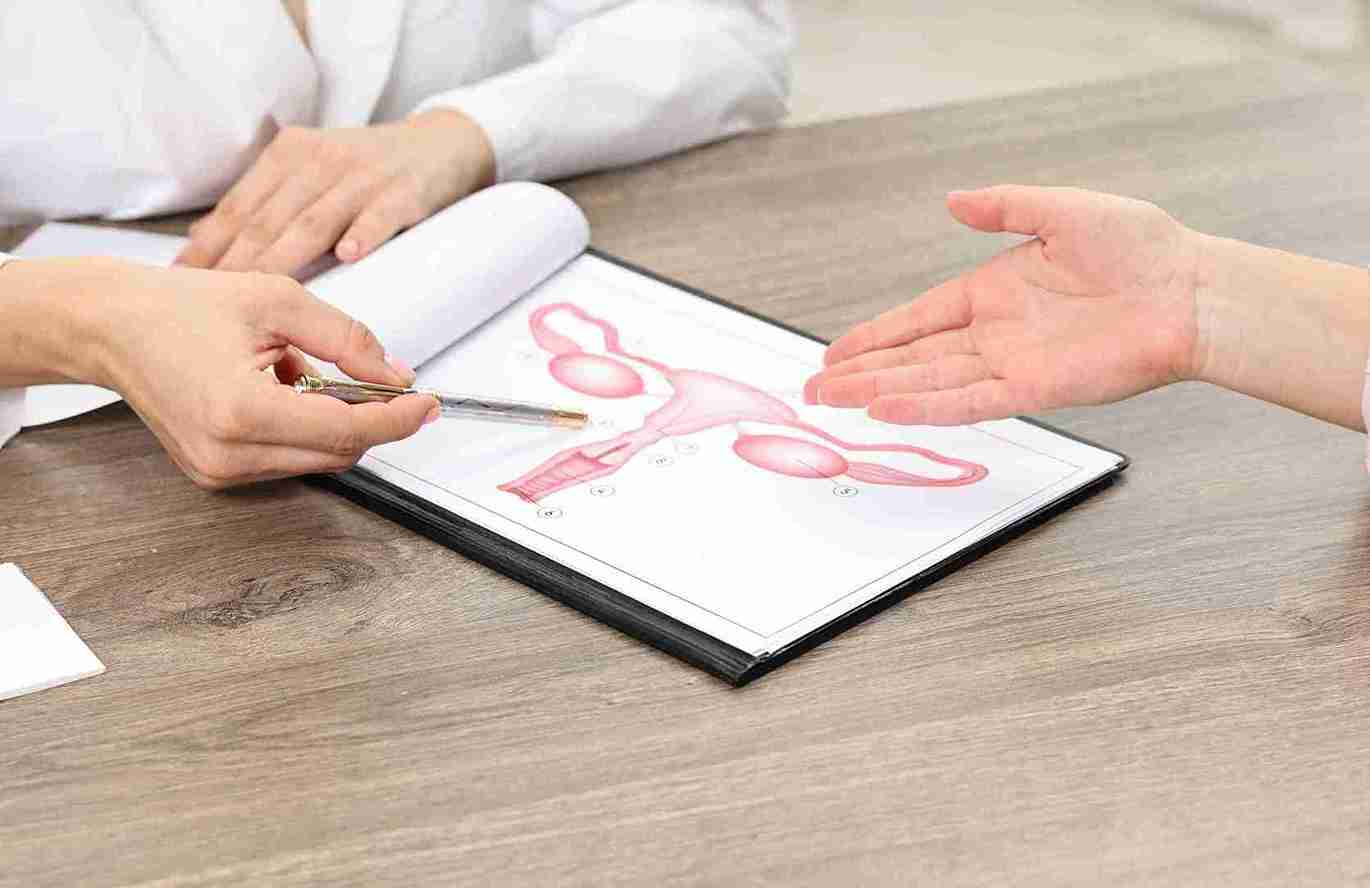
An ovarian dermoid cyst is a non-cancerous tumour that arises from germ cells located in the ovary. Called a mature cystic teratoma, it differs from functional ovarian cysts in that the former contains mature body tissues, whereas the latter contains fluid.
In contrast to the latter, dermoid cysts grow slowly and almost never become cancerous.
The causes of an ovarian dermoid cyst have not been fully studied yet. The cysts arise from the germ cells that have existed since birth; thus, they are congenital in nature. However, they often stay small and unnoticed until adolescence or adulthood. They do not depend on diet, lifestyle, or daily routines, and usually grow slowly over time and rarely become cancerous.
An ovarian dermoid cyst occurs mostly in women of reproductive age. At the same time, they are most common among young people and adolescents. Even though it is possible to have a dermoid cyst after menopause, in most cases, only one ovary is involved.
Small dermoid cysts typically present no symptoms and can only be seen on images. Larger ones could result in:
● Discomfort in the lower abdomen
● Feeling of pelvic pressure
● Bloating
● Infrequent menstrual irregularities
● Frequent urination if the cyst puts pressure on the bladder
● Sudden severe pain in case of ovarian torsion
The size of dermoid cysts varies from a few centimetres up to 10 cm or more. Although small and stable dermoid cysts are more common, the risk of problems associated with them increases along with the size of the cyst.
Women with an ovarian dermoid cyst usually have no problems with conception. Only in rare cases, when the cyst is rather big, can it impair ovarian functioning or affect ovulation. When it comes to surgery, surgeons try to remove a cyst but preserve as much healthy ovarian tissue as possible.

The ovarian dermoid cyst during pregnancy can be diagnosed in prenatal ultrasounds. In case it is small and does not produce any symptoms, it can be observed throughout the whole period of gestation. If some complications like ovarian torsion, fast-growing, or rupture develop, surgery will be delayed until birth. Treatment is always individualised for the sake of safety of both mother and child.
The ovarian dermoid cyst after pregnancy is diagnosed during the period after the birth of the baby. Follow-up ultrasound helps determine whether the cyst has changed in size or appearance. If it remains large or symptomatic, your doctor may recommend surgical removal after you have recovered from childbirth.
The diagnosis usually includes:
● Medical history
● Pelvic examination
● Pelvic ultrasound
● MRI or CT when more images are needed
● Blood tests in case of suspected malignancy, which is a rare condition.
The ultrasound image of a dermoid cyst may be very specific due to the presence of various types of tissues in the cyst. The contents, such as fat, calcifications, hair, and others, will make up specific ultrasound characteristics of the dermoid cyst.
Monitoring
An observation treatment can be recommended if your cyst is small in size and does not produce any symptoms.
Surgery
Surgery can be recommended if the cyst is big enough to produce symptoms, growing fast, or increasing the risk of a torsion of the ovary.
Your doctor may recommend surgery if there is:
● A large cyst
● Severe pain
● Ovarian torsion
● Cyst rupture
● Fast growth
● Rare case of malignancy.
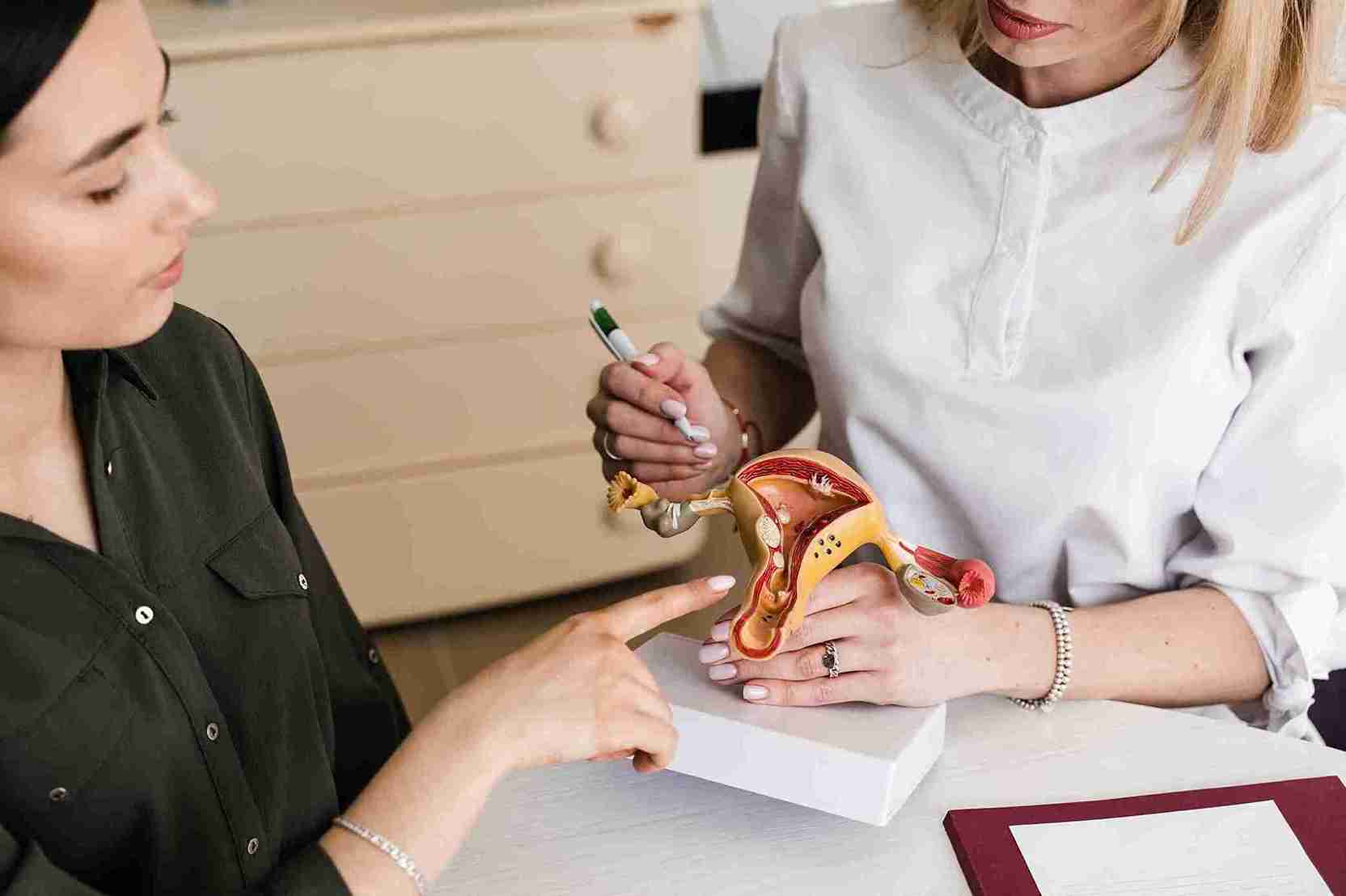
Recovery depends on the type of surgery performed. Most women undergoing laparoscopic surgery resume normal activities within two to four weeks, while open surgery may require a longer recovery. Pain management, avoiding strenuous activity, attending follow-up appointments, and discussing future pregnancy plans with your doctor are all important aspects of recovery.
Recurrence after removal is uncommon but can occur. Regular follow-up allows doctors to monitor the treated ovary and, when appropriate, assess the opposite ovary for new cyst development.
Seek medical advice if you experience persistent pelvic pain, increasing abdominal swelling, pain during intercourse, sudden severe abdominal pain, nausea or vomiting with pelvic pain, symptoms during pregnancy, or menstrual changes accompanied by pelvic discomfort.
Cloudnine provides comprehensive evaluation and treatment for ovarian cysts through a multidisciplinary team of experienced gynaecologists, radiologists, and minimally invasive surgeons. From accurate diagnosis using advanced ultrasound imaging to personalised treatment plans that prioritise fertility preservation whenever possible, Cloudnine ensures women receive evidence-based care tailored to their age, symptoms, and reproductive goals.

Ovarian dermoid is a benign and slow-growing ovarian tumour that is often discovered by chance. Most women will not experience any symptoms, but if the cysts are large, they should be under medical supervision or treated surgically. Early diagnosis and adequate medical care can lead to positive outcomes and good ovarian and fertility health.
Want to consult the best gynecologists in India? Please find the links below.
Want to consult the best Maternity Packages in India? Please find the links below.

Small cysts without symptoms may simply be monitored. However, large cysts continue growing and may become prone to complications such as ovarian torsion or rupture.
Young women of reproductive age, especially teenage girls and young women, are most vulnerable to developing ovarian dermoids.
There is no way to prevent ovarian dermoids since they develop out of germ cells which a woman is born with.
There is nothing you should or shouldn't eat in order to avoid developing dermoid cysts. A well-balanced diet is beneficial for general health but does not affect your risk of having this problem.


 Best Gynecologists in Bellandur Best Gynecologists in Electronic City Best Gynecologists in HRBR LayoutBest Gynecologists in Jayanagar Best Gynecologists in Kanakapura RoadBest Gynecologists in Malleswaram Best Gynecologists in Nagarbhavi Best Gynecologists in Old Airport RoadBest Gynecologists in Sahakarnagar Best Gynecologists in Sarjapur RoadBest Gynecologists in ThanisandraBest Gynecologists in Varthur RoadBest Gynecologists in Whitefield Best Gynecologists in Industrial Area Phase IIBest Gynecologists in OMRBest Gynecologists in T NagarBest Gynecologists in New Industrial TownBest Gynecologists in IndirapuramBest Gynecologists in Golf Course RoadBest Gynecologists in Sector 14Best Gynecologists in Sector 47Best Gynecologists in Banjara HillsBest Gynecologists in GachibowliBest Gynecologists in Hitech CityBest Gynecologists in KompallyBest Gynecologists in Gomti NagarBest Gynecologists in MaladBest Gynecologists in NerulBest Gynecologists in VashiBest Gynecologists in Kailash ColonyBest Gynecologists in PatparganjBest Gynecologists in Punjabi BaghBest Gynecologists in VikaspuriBest Gynecologists in Gaur CityBest Gynecologists in Pari ChowkBest Gynecologists in Sector 51Best Gynecologists in Sector 5 Swastik ViharBest Gynecologists in Kalyani NagarBest Gynecologists in SB RoadBest Gynecologists in Pimple SaudagarBest Pediatricians in BellandurBest Pediatricians in Electronic CityBest Pediatricians in HRBR LayoutBest Pediatricians in JayanagarBest Pediatricians in Kanakapura RoadBest Pediatricians in MalleswaramBest Pediatricians in NagarbhaviBest Pediatricians in Old Airport RoadBest Pediatricians in SahakarnagarBest Pediatricians in Sarjapur RoadBest Pediatricians in ThanisandraBest Pediatricians in Varthur RoadBest Pediatricians in WhitefieldBest Pediatricians in Industrial Area Phase IIBest Pediatricians in OMRBest Pediatricians in T NagarBest Pediatricians in New Industrial TownshipBest Pediatricians in IndirapuramBest Pediatricians in Golf Course RoadBest Pediatricians in Sector 14Best Pediatricians in Sector 47Best Pediatricians in Hitech CityBest Pediatricians in Banjara HillsBest Pediatricians in GachibowliBest Pediatricians in KompallyBest Pediatricians in Gomti NagarBest Pediatricians in MaladBest Pediatricians in NerulBest Pediatricians in VashiBest Pediatricians in Kailash ColonyBest Pediatricians in PatparganjBest Pediatricians in Punjabi BaghBest Pediatricians in VikaspuriBest Pediatricians in Gaur CityBest Pediatricians in Pari ChowkBest Pediatricians in Sector 51Best Pediatricians in Sector 5 Swastik ViharBest Pediatricians in Kalyani NagarBest Pediatricians in SB RoadBest Pediatricians in Pimple Saudagar


