
Many women tense up when they hear the words “pelvic exam.” Some even shy away or postpone it out of fear or embarrassment. These feelings are common. However, it is important to overcome such feelings. A pelvic exam is a crucial test and it’s the first step in checking reproductive health and spotting issues early.
In this article, we’ll take a quick look at the purpose of pelvic exams in women, when they are needed and even what happens during the procedure. You will also find tips on how to stay comfortable during the procedure. The aim is to help reduce worry and make the experience smoother for those attending a routine visit.
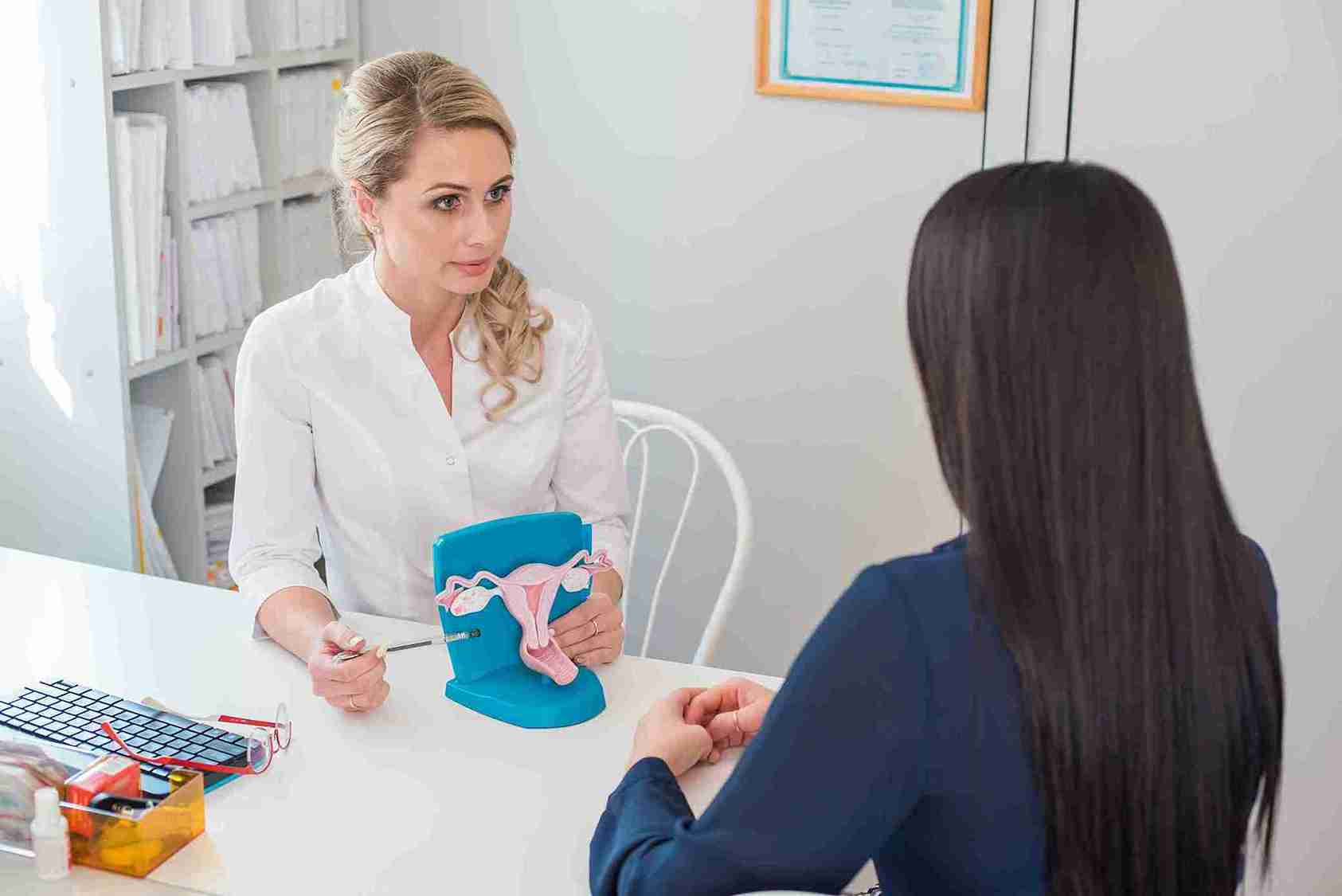
A pelvic exam, sometimes also called a "gynecological exam", is a quick check of your reproductive organs. A gynecologist or trained doctor does this exam. It's usually done during routine visits or when there are symptoms that need attention.
This exam checks the health of the organs in the pelvic area, including the vulva, vagina, cervix, uterus, ovaries and bladder. The doctor will look for any swelling, infection or changes in these organs. The results from this examination will help find reasons for pain, discharge or irregular bleeding. Apart from protecting fertility and maintaining stable reproductive health, early detection helps identify appropriate treatments for any issues detected during the exam.
Females between 21 and 65 years old are usually advised to have pelvic exams as part of routine care. In some cases, a doctor may suggest having the first exam before age 21, especially if symptoms or health concerns appear. Pelvic exams are also important for gender-fluid individuals who were assigned female at birth and have not had surgery to remove their female reproductive organs.
Pelvic exams and Pap smear tests are not really the same. A pelvic exam checks the health of the pelvic organs. A Pap smear is a screening test done to collect cells from the cervix and check for cervical cancer or early warning signs. In most cases, both tests will happen together.
Pelvic exams usually come up as part of routine treatment for women between the ages of 21 and 65. In some cases, doctors may suggest having the first exam before age 21, especially if health issues appear. Pelvic exams are even important for gender-fluid individuals who were assigned female at birth and have not had surgery to remove their female reproductive organs.
● Pelvic pain or pain during intercourse
● Irregular bleeding or spotting between periods
● Unusual discharge or itching
● Signs of infection or concern for sexually transmitted infections (STIs)
● Follow up after an abnormal Pap smear or HPV
● Family history of cervical or ovarian cancer
● Checking for fibroids, cysts, or other growths
● Pregnancy checks when advised
● Insertion or review of an IUD
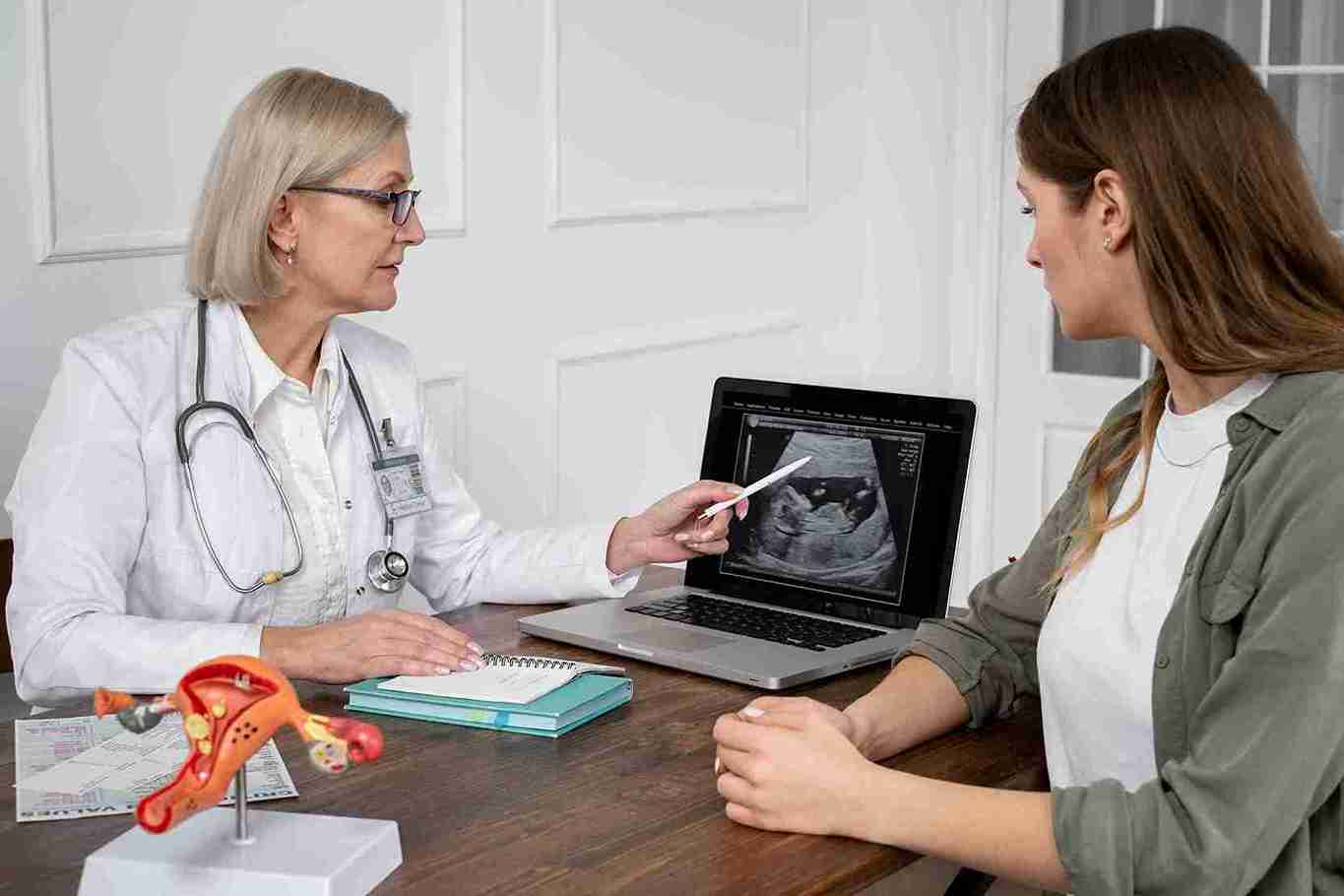
It’s actually quite natural to feel apprehensive or nervous before a pelvic exam, especially if this is the first time this procedure is being done. In order to relieve the tension, it’s best to have the pelvic exam procedure explained to you by your healthcare provider. Choose one who feels supportive and respectful. Communicate to them any fears that you may have about the procedure. Ask for details about the steps involved. This will ensure you are better prepared for all the steps involved in the procedure.
Given below are a few things that can be done to prepare yourself for the visit:
● Let the clinic know if it is the first pelvic exam. This will allow them to arrange a more convenient time and ensure someone who can clearly explain the pelvic exam step by step is available.
● Avoid sexual intercourse before the visit.
● If the visit is during the menstrual period, avoid using tampons.
● Ask if the pelvic exam can be rescheduled to a more convenient date if there is heavy menstrual bleeding.
Before the actual procedure begins, the doctor or nurse will enquire about your medical history. They may ask questions regarding the menstrual cycle, sexual activity, birth control methods being used, etc. They may test blood pressure, take a urine sample and measure one’s body weight. In some cases, women may be given a hospital gown to change into and may even be given the chance to go to the toilet to empty their bladder.
Next, the woman will be asked to lie down on the examination table. The doctor may perform a short breast exam to check for any abnormal lumps. They will then begin to press various points on the abdomen to feel for any swelling or tenderness in the pelvic area.
Once this is completed, the woman will be asked to slide towards the edge of the bed and her feet will be placed in holders called “stirrups”. An examination of the external genitalia will then commence. The doctor will inspect the vagina and vulva in order to check for any infections or abnormal discharge.
After the external exam, the doctor will slowly insert one or two gloved fingers into the vagina while the other hand presses on the lower abdomen. This helps check the size and position of the uterus and ovaries and identify any tenderness or swelling. Some women may feel slight discomfort at this stage.
A small device called the speculum will be used to widen the vaginal opening. This allows the doctor to clearly see the vagina and cervix and check for any signs of infection or other changes. If needed, a Pap smear test may also be performed and a small sample of cells from the cervix may be collected for testing.
In some cases, a rectovaginal exam may be conducted. This involves placing one finger in the vagina and another in the rectum to check the tissues behind the uterus and the lower pelvic area. It helps the doctor feel for any growths or tenderness that are not easily noticed during the regular internal exam. This part is brief and usually done only when needed.
The whole process is usually quick, usually lasting only a few minutes. Speaking up during the exam helps adjust the pace and reduce discomfort.
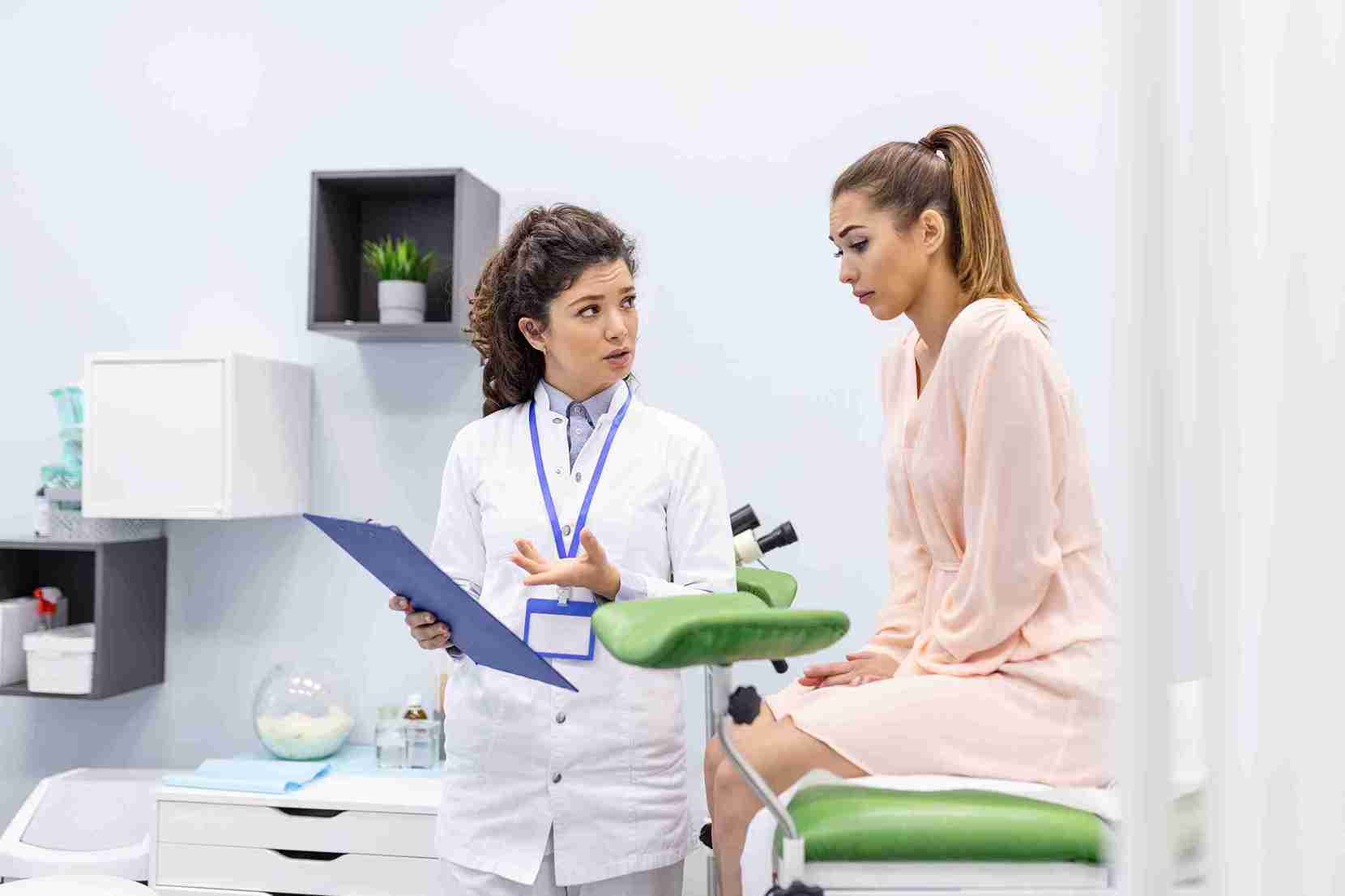
Pelvic exams are safe with minimal to no aftereffects. Slight discomfort or cramping may be experienced for a few hours after the exam. In a few cases, light bleeding or spotting may occur.
There’s bound to be some pelvic exam discomfort and tips like the ones given below can help.
● Be calm and take slow, steady breaths during the exam
● Relax the leg and hip muscles as much as possible
● Ask for a smaller speculum if discomfort is felt
● Request short pauses if anything feels painful
● Let the doctor know about any anxiety beforehand
● Ask for a chaperone or a support person if it helps
● Wear comfortable clothing to stay at ease before and after

A pelvic exam is one of the most useful gynaecological tests that help detect reproductive health issues early. While this test may look like a very embarrassing procedure, it is a standard part of women’s healthcare and usually takes only a few minutes. Avoiding this exam can lead to health problems going unnoticed until they become more serious. So, be proactive and attend visits that have scheduled pelvic exams!

Pelvic exams are usually recommended as part of routine healthcare visits. Sometimes, the appearance of certain symptoms, like pelvic pain or abnormal discharge, may necessitate the need for these exams.
During a pelvic exam, the doctor will physically examine the external as well as the internal parts of the female reproductive system.
A pelvic exam is usually quite quick, and it takes less than 10 minutes or so.
Pelvic exams can be done yearly, or as needed. A healthcare professional will determine the exact frequency of the test.







 Best Gynecologists in Bellandur Best Gynecologists in Electronic City Best Gynecologists in HRBR LayoutBest Gynecologists in Jayanagar Best Gynecologists in Kanakapura RoadBest Gynecologists in Malleswaram Best Gynecologists in Nagarbhavi Best Gynecologists in Old Airport RoadBest Gynecologists in Sahakarnagar Best Gynecologists in Sarjapur RoadBest Gynecologists in ThanisandraBest Gynecologists in Varthur RoadBest Gynecologists in Whitefield Best Gynecologists in Industrial Area Phase IIBest Gynecologists in OMRBest Gynecologists in T NagarBest Gynecologists in New Industrial TownBest Gynecologists in IndirapuramBest Gynecologists in Golf Course RoadBest Gynecologists in Sector 14Best Gynecologists in Sector 47Best Gynecologists in Banjara HillsBest Gynecologists in GachibowliBest Gynecologists in Hitech CityBest Gynecologists in KompallyBest Gynecologists in Gomti NagarBest Gynecologists in MaladBest Gynecologists in NerulBest Gynecologists in VashiBest Gynecologists in Kailash ColonyBest Gynecologists in PatparganjBest Gynecologists in Punjabi BaghBest Gynecologists in VikaspuriBest Gynecologists in Gaur CityBest Gynecologists in Pari ChowkBest Gynecologists in Sector 51Best Gynecologists in Sector 5 Swastik ViharBest Gynecologists in Kalyani NagarBest Gynecologists in SB RoadBest Gynecologists in Pimple SaudagarBest Pediatricians in BellandurBest Pediatricians in Electronic CityBest Pediatricians in HRBR LayoutBest Pediatricians in JayanagarBest Pediatricians in Kanakapura RoadBest Pediatricians in MalleswaramBest Pediatricians in NagarbhaviBest Pediatricians in Old Airport RoadBest Pediatricians in SahakarnagarBest Pediatricians in Sarjapur RoadBest Pediatricians in ThanisandraBest Pediatricians in Varthur RoadBest Pediatricians in WhitefieldBest Pediatricians in Industrial Area Phase IIBest Pediatricians in OMRBest Pediatricians in T NagarBest Pediatricians in New Industrial TownshipBest Pediatricians in IndirapuramBest Pediatricians in Golf Course RoadBest Pediatricians in Sector 14Best Pediatricians in Sector 47Best Pediatricians in Hitech CityBest Pediatricians in Banjara HillsBest Pediatricians in GachibowliBest Pediatricians in KompallyBest Pediatricians in Gomti NagarBest Pediatricians in MaladBest Pediatricians in NerulBest Pediatricians in VashiBest Pediatricians in Kailash ColonyBest Pediatricians in PatparganjBest Pediatricians in Punjabi BaghBest Pediatricians in VikaspuriBest Pediatricians in Gaur CityBest Pediatricians in Pari ChowkBest Pediatricians in Sector 51Best Pediatricians in Sector 5 Swastik ViharBest Pediatricians in Kalyani NagarBest Pediatricians in SB RoadBest Pediatricians in Pimple Saudagar


