
A yellow tinge to a newborn's skin or the whites of their eyes, that is noticed during the first few days at home, is one of the most common reasons new parents find themselves back at the hospital within a week of discharge. It is alarming to see. But in most cases, it is also one of the most manageable conditions of the newborn period.
Jaundice in newborn babies is extremely common. It affects around 60% of full-term newborns and up to 80% of premature babies in the first week of life. Understanding what causes it, what to watch for, and when it needs treatment takes a lot of the fear out of the situation.
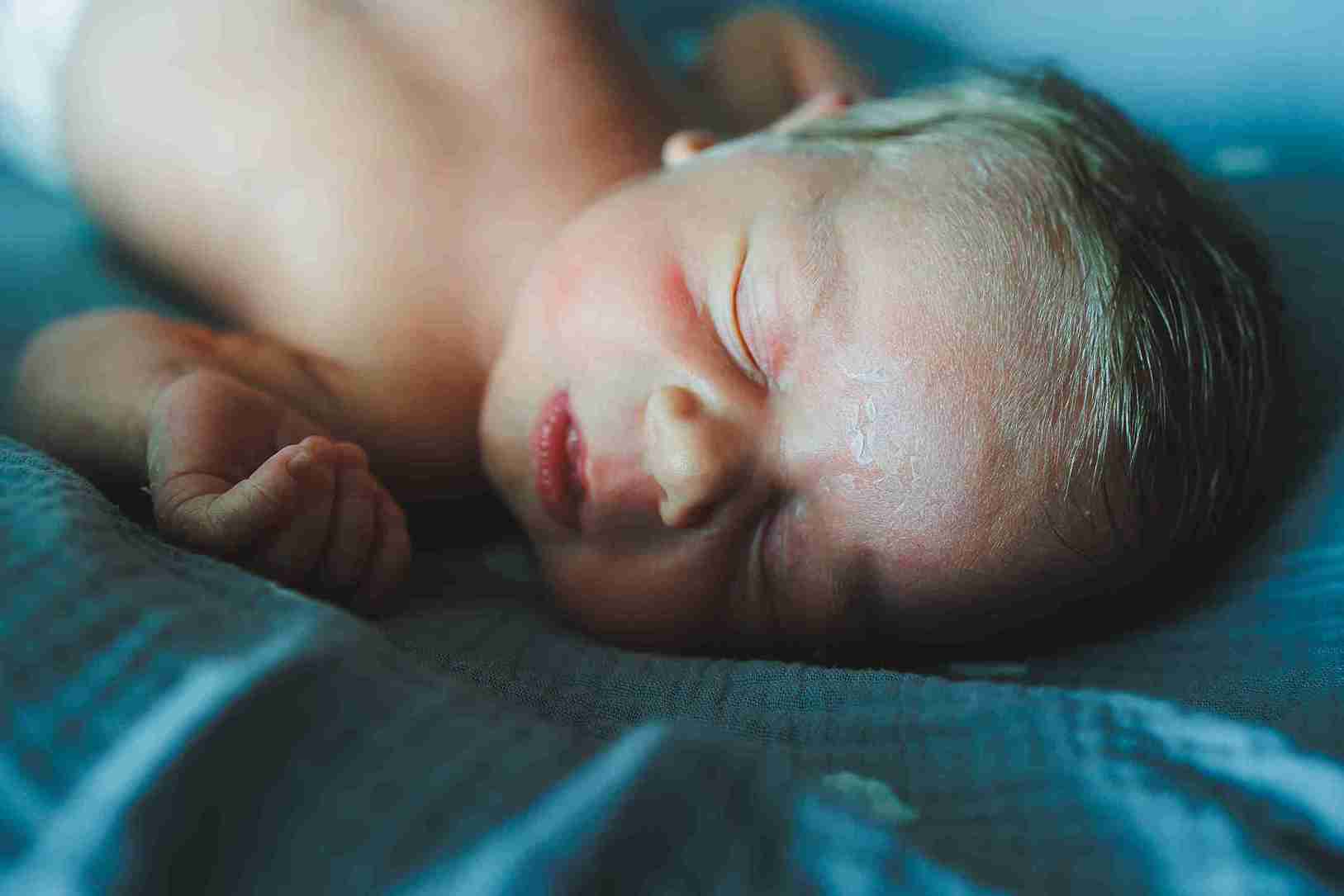
Jaundice is the yellowing of the skin and whites inside the eyes caused by a build-up of bilirubin in the blood. Bilirubin is a yellow substance produced when the RBCs (red blood cells) break down. In normal conditions, the liver processes bilirubin. It then removes it from the body through stools.
In newborns, the liver is still maturing. It cannot always process bilirubin fast enough to keep up with the amount being produced, especially in the first few days when the body is breaking down the extra red blood cells that were needed during pregnancy. Bilirubin increases in the blood and deposits in the skin, causing the yellow colour.
The yellowing usually starts on the face and forehead and moves downward to the chest, abdomen, and then the arms and legs, as bilirubin levels rise.
Newborn jaundice symptoms to watch for:
Yellowing is easier to see in natural daylight. Press gently on the tip of the nose or forehead. If the skin looks yellow when you release pressure, it is worth getting it checked. In babies with darker skin, checking the whites of the eyes and the gums is more reliable than looking at the skin alone.
Not all newborn jaundice has the same cause, and the cause affects how urgently it needs to be treated.
It is the most common type. It appears between day two and day four of life, peaks around days 3-5, and fades on its own by two weeks in full-term babies and three weeks in premature babies. It is caused by the normal breakdown of foetal red blood cells and the liver's temporary inability to keep pace.
It is sometimes called early breastfeeding jaundice. It appears in the first week when a baby is not feeding well or frequently enough, leading to low intake, less frequent stools, and therefore less bilirubin being cleared. The solution is more frequent and effective breastfeeding, and not stopping it.
It is different from breastfeeding jaundice. It is usually mild and resolves on its own. It appears after the first week, can persist for several weeks, and is believed to be caused by substances in some mothers' breast milk that may slow the processing of bilirubin.
It is when the mother and baby have incompatible blood groups (ABO or Rh incompatibility), the mother's antibodies can cross into the baby's blood and cause rapid breakdown of the baby's red blood cells. This produces jaundice that appears very early, within the first day, and rises quickly. This type needs urgent treatment.
Infections, liver conditions, genetic disorders like G6PD deficiency, and hypothyroidism can all cause or worsen newborn jaundice.
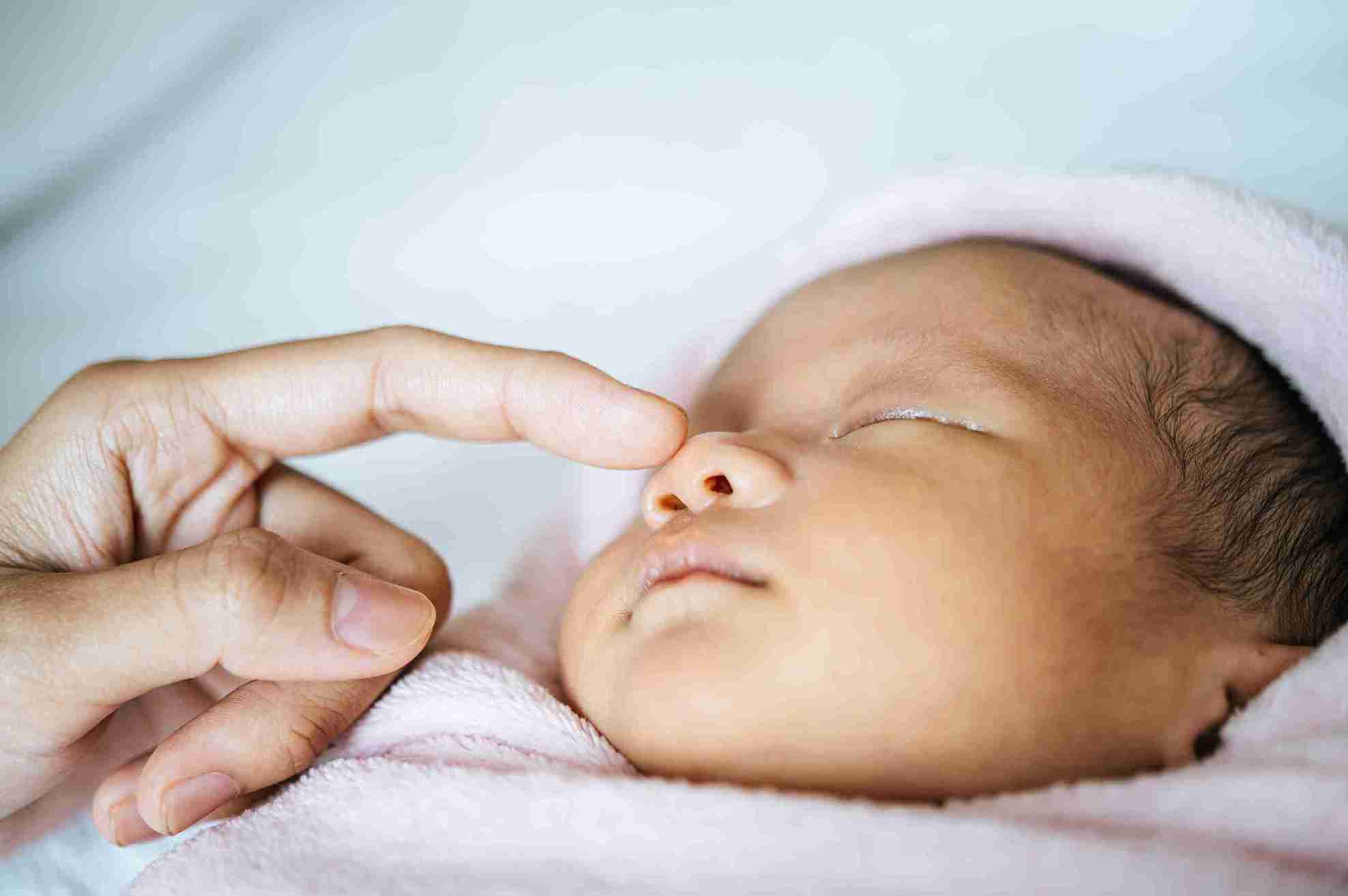
Mild, resolving jaundice is not dangerous. The concern is when bilirubin levels start to rise too high.
At very high levels, bilirubin can enter the brain and cause kernicterus, a type of brain damage that affects hearing, movement, and development. Kernicterus is preventable when jaundice is identified and treated promptly. This is why newborn bilirubin levels are taken seriously.
The dangerous level varies depending on the baby's age in hours, gestational age, and risk factors. There is no single number that applies to all babies. A bilirubin level that is acceptable at 72 hours may be concerning at 24 hours. Your paediatrician will use a chart called a nomogram to decide whether treatment is needed.
As a rough guide:
Signs that always need same-day assessment:
It is the main treatment for newborn jaundice. The baby is placed under special blue-spectrum lights (not sunlight) that break down bilirubin in the skin into a form the body can process and excrete more easily.
During phototherapy:
It is both a treatment and a prevention. Frequent breastfeeding, 8-12 times in 24 hours, helps clear bilirubin through the gut. Colostrum has a laxative effect that moves meconium (the first dark stools) out, which carries bilirubin with it.
It is used in severe cases, especially with blood group incompatibility, where bilirubin is rising very fast, and phototherapy is not keeping up. The baby's blood is partially replaced with donor blood to rapidly lower bilirubin. This is done in a neonatal intensive care unit (NICU) and is not common, but it is available in major hospitals across India.

Indirect sunlight, like sitting near a window with soft morning light falling on the baby's skin, was traditionally used before phototherapy was available, and it does have a mild effect. However, it is not a reliable substitute for hospital phototherapy when bilirubin levels are elevated. Direct sunlight carries the risk of sunburn on a newborn's delicate skin and should not be used.
If the paediatrician has checked your baby and confirmed the level is mild. Monitoring is the plan, keeping the baby in a well-lit room with indirect natural light is fine as a complementary measure, not a treatment in itself.
Newborn jaundice is common, usually mild, and very manageable with the right care. The key is not to ignore it: check the baby in natural daylight, feed frequently, and see a paediatrician promptly if the yellowing spreads rapidly, the baby is very sleepy, or jaundice appears in the first 24 hours. Most babies treated with phototherapy recover quickly and fully.

There is no single dangerous level; it depends on the baby's age in hours, gestational age, and risk factors. In a healthy full-term baby, bilirubin above 20 mg/dL is generally the treatment threshold. In premature or unwell babies, newborn jaundice treatment begins at lower levels. Jaundice appearing within the first 24 hours of birth is always treated as urgent, regardless of the actual bilirubin number.
Physiological jaundice does resolve on its own, usually by two weeks in full-term babies. However, causes of jaundice in newborns, like blood group incompatibility or G6PD deficiency, can cause rapidly rising levels that need phototherapy. A paediatrician should assess any jaundice. Mild, monitored jaundice in a well-feeding baby can be watched at home. Significant or worsening jaundice always needs medical treatment.
Feed every 2-3 hours, 8-12 times in 24 hours. Frequent feeding helps clear bilirubin through stools. Breastfed babies with jaundice in newborn babies should not be switched to formula unless specifically advised, colostrum and breast milk support bilirubin clearance. If the baby is very sleepy and not waking for feeds, wake them gently and encourage feeding. Poor feeding that continues needs a paediatrician review.
Indirect sunlight near a window has a mild effect and was used before hospital phototherapy was available. It is not a substitute for medical treatment for newborn jaundice when levels are elevated. Direct sunlight carries a real risk of sunburn on a newborn's skin and should be avoided.







 Best Gynecologists in Bellandur Best Gynecologists in Electronic City Best Gynecologists in HRBR LayoutBest Gynecologists in Jayanagar Best Gynecologists in Kanakapura RoadBest Gynecologists in Malleswaram Best Gynecologists in Nagarbhavi Best Gynecologists in Old Airport RoadBest Gynecologists in Sahakarnagar Best Gynecologists in Sarjapur RoadBest Gynecologists in ThanisandraBest Gynecologists in Varthur RoadBest Gynecologists in Whitefield Best Gynecologists in Industrial Area Phase IIBest Gynecologists in OMRBest Gynecologists in T NagarBest Gynecologists in New Industrial TownBest Gynecologists in IndirapuramBest Gynecologists in Golf Course RoadBest Gynecologists in Sector 14Best Gynecologists in Sector 47Best Gynecologists in Banjara HillsBest Gynecologists in GachibowliBest Gynecologists in Hitech CityBest Gynecologists in KompallyBest Gynecologists in Jawahar NagarBest Gynecologists in Gomti NagarBest Gynecologists in Phase 3, Sector 58Best Gynecologists in MaladBest Gynecologists in NerulBest Gynecologists in VashiBest Gynecologists in Kailash ColonyBest Gynecologists in PatparganjBest Gynecologists in Punjabi BaghBest Gynecologists in RohiniBest Gynecologists in VikaspuriBest Gynecologists in Gaur CityBest Gynecologists in Pari ChowkBest Gynecologists in Sector 51Best Gynecologists in Sector 5 Swastik ViharBest Gynecologists in Kalyani NagarBest Gynecologists in SB RoadBest Gynecologists in Pimple SaudagarBest Pediatricians in BellandurBest Pediatricians in Electronic CityBest Pediatricians in HRBR LayoutBest Pediatricians in JayanagarBest Pediatricians in Kanakapura RoadBest Pediatricians in MalleswaramBest Pediatricians in NagarbhaviBest Pediatricians in Old Airport RoadBest Pediatricians in SahakarnagarBest Pediatricians in Sarjapur RoadBest Pediatricians in ThanisandraBest Pediatricians in Varthur RoadBest Pediatricians in WhitefieldBest Pediatricians in Industrial Area Phase IIBest Pediatricians in OMRBest Pediatricians in T NagarBest Pediatricians in New Industrial TownshipBest Pediatricians in IndirapuramBest Pediatricians in Golf Course RoadBest Pediatricians in Sector 14Best Pediatricians in Sector 47Best Pediatricians in Hitech CityBest Pediatricians in Banjara HillsBest Pediatricians in GachibowliBest Pediatricians in KompallyBest Pediatricians in Jawahar NagarBest Pediatricians in Gomti NagarBest Pediatricians in Phase 3, Sector 58Best Pediatricians in MaladBest Pediatricians in NerulBest Pediatricians in VashiBest Pediatricians in Kailash ColonyBest Pediatricians in PatparganjBest Pediatricians in Punjabi BaghBest Pediatricians in RohiniBest Pediatricians in VikaspuriBest Pediatricians in Gaur CityBest Pediatricians in Pari ChowkBest Pediatricians in Sector 51Best Pediatricians in Sector 5 Swastik ViharBest Pediatricians in Kalyani NagarBest Pediatricians in SB RoadBest Pediatricians in Pimple Saudagar


