





Simple guide to identifying red flags in your infants and when to worry. Stop doomscrolling and start cuddling.
Waking up at 2 AM to a sick baby is stressful enough without Dr. Google convincing you it's a rare disease. Learn how to spot true danger signs in infants and toddlers, so that you can parent with confidence.
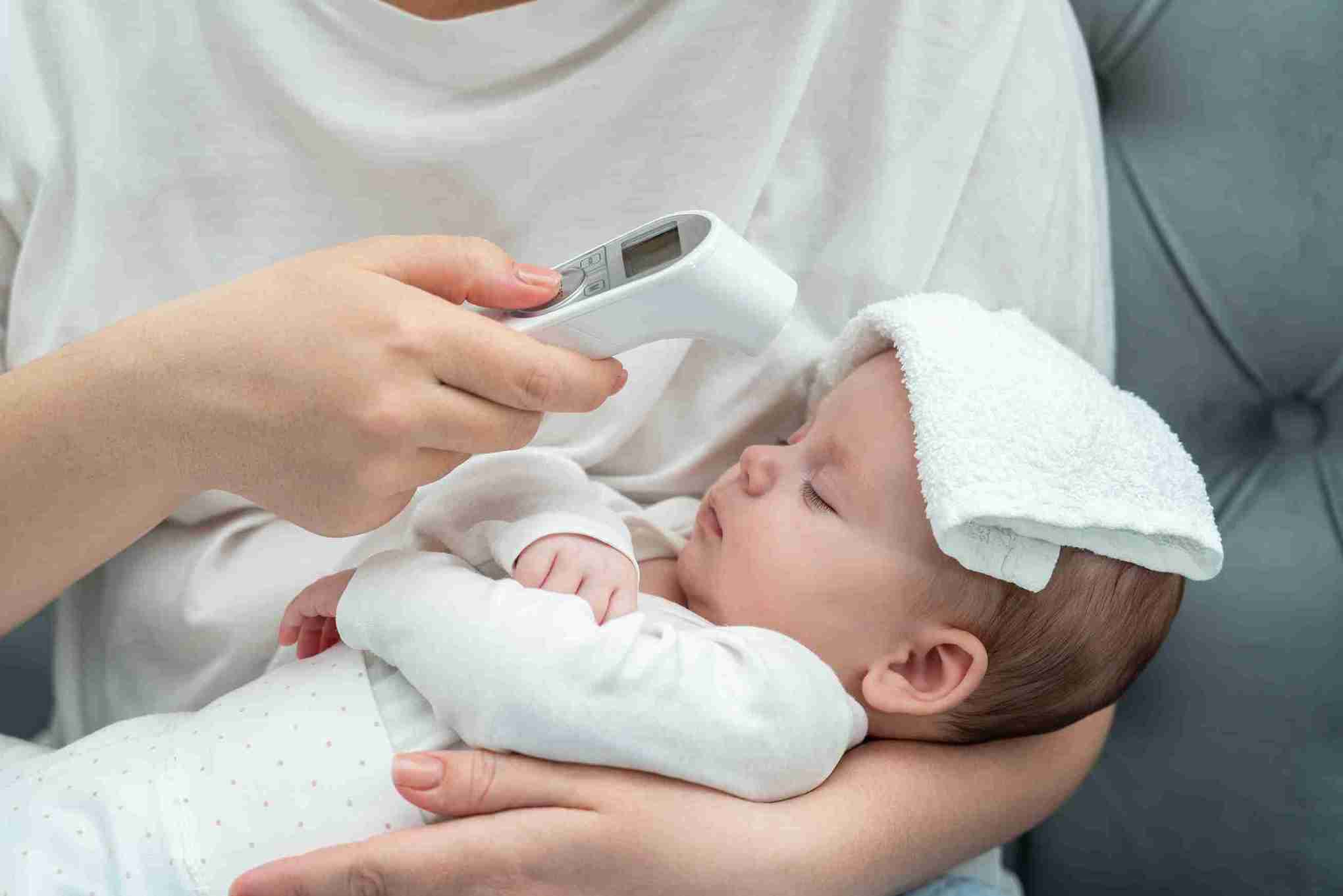
It’s 2 AM Your baby feels unusually warm, or perhaps they’ve just coughed in a way that sounds a little too harsh in the quiet of the night. You reach for your phone. You type one innocent question into a search engine.
Twenty minutes later, you’re convinced you’ve uncovered a disease so rare your paediatrician has probably never even seen it. One harmless cough has become pneumonia. One episode of vomiting has morphed into a serious abdominal issue. One Google search has turned into two hours of terrified doomscrolling while your baby sleeps peacefully beside you.
Take a deep breath. Pull up a chair. Imagine we are sitting together over a warm cup of coffee in my office.
In my clinical practice as a paediatrician and neonatologist, I have met thousands of wonderful, deeply loving parents who are paralysed by the fear of missing something important. Parents today have a universe of medical information in their pockets. While that access is incredible, it has also created an unprecedented level of health anxiety. We are drowning in information but starved for context.
Here is the secret they don't teach you in any new parent guide: The real skill isn't knowing every possible disease. It's knowing when to worry and, just as importantly, when not to. Understanding common baby emergency signs can help parents respond appropriately without unnecessary panic.
There are symptoms that deserve attention. Some symptoms deserve observation. Knowing the difference is one of the greatest parenting skills you will develop. Let's separate the scary internet myths from the infant red flags that genuinely deserve your attention, so you can stop scrolling and get back to enjoying time with your child.
If there is one symptom that causes more sleepless nights than any other, it is fever in babies. Parents are often conditioned to view fever as a dangerous enemy that must be crushed with medication immediately.
In reality, fever is one of your child’s greatest protectors. When a virus enters the body, the brain turns up the internal thermostat. Why? Because germs hate the heat. A fever is simply your baby’s immune system working exactly the way it was designed to.
Not every fever needs panic. In fact, a high number on the thermometer doesn't always mean a severe illness. I always tell parents to look at the child, not just the thermometer.
I remember a frantic midnight phone call from a first-time mother, Priya. Her eight-month-old son, Atharv, had a temperature of 102°F. Priya was in tears, ready to pack the car for the emergency room visit. I asked her one simple question: "What is Atharv doing right now?"
She paused. "He's... sitting on the floor playing with his set of favourite toys, talking his jargon language."
That was our answer. A child who is playing, making eye contact, and drinking fluids is generally handling their illness beautifully, regardless of what the thermometer says.
If your baby is older than three months, has a fever but is still staying hydrated, breathing comfortably, and having moments of playful alertness when their temperature comes down.
If the fever lasts more than three days, if your child is utterly exhausted and hard to wake up, not playful between the fever spikes or if they are refusing all fluids.
Any fever (100.4°F or higher) in a baby under three months old warrants an automatic emergency room visit. Their immune systems are simply too immature for us to take chances. In older children, seek immediate care if a fever is accompanied by a stiff neck, extreme lethargy, or a rash that looks like tiny purple or red dots that do not fade when you press against them.

If you are a parent of a young child, you are doing a lot of laundry. Babies spit up. Sometimes they spit up with impressive volume.
The muscle that keeps food in a baby's stomach is famously lazy in the first few months of life. This causes normal reflux. We call these babies "happy spitters." They might ruin your favourite shirt, but they are gaining weight, smiling, and entirely unbothered by the milk they just returned to you.
However, toddler vomiting or sudden vomiting in infants is different. A common stomach bug (a viral illness) will occasionally cause a child to vomit 2-3 times in 24 hours. It is exhausting and messy, but mostly requires patience and careful hydration.
The primary danger of vomiting isn't the stomach bug itself; it's the loss of body fluids. Recognising infant dehydration signs early can prevent a minor illness from becoming a medical emergency. Think of a well-hydrated baby like a freshly watered plant: plump, bright, and resilient. A dehydrated baby begins to wilt, with sunken eyes, poor skin turgor, poor urine output and sunken fontanelles. These are classic infant dehydration signs that should never be ignored.
The classic happy spitter, or a toddler with a stomach bug who vomits a few times but is still drinking small sips of fluid, producing wet diapers, and shedding tears when they cry.
If vomiting lasts more than 24 hours, or if you notice your child hasn't had a wet diaper in six to eight hours. A dry mouth, no tears when crying, and sunken eyes are your cues to make an urgent visit to your Paediatrician.
Watch out for "projectile vomiting" in young babies. This isn't just a burp that went a little too far; this is vomiting with such forceful pressure that it hits the floor a few feet away. In infants under two months, this can be a sign of a thickened stomach muscle that needs medical attention. Additionally, vomit that is bright green (bilious) or contains blood is always a reason to seek immediate emergency care.
New parents spend an astonishing amount of time discussing, analysing, and worrying about poop. It makes perfect sense that what comes out tells us a lot about what is going on inside.
First, let's establish what normal actually looks like. Breastfed babies often have mustard-yellow, seedy, and loose stools. It can look like diarrhea even when it isn't. Formula-fed babies might have slightly firmer, tan, or greenish stools. Babies also make incredible grunting noises and turn bright red when pooping. As long as the stool that eventually comes out is soft, they are not constipated; they are just learning how to use their abdominal muscles!
Stools that are yellow, brown, or green. An occasional loose stool or a baby who skips a day or two of pooping but is otherwise happy and eating well.
True constipation, where the stool looks like hard, dry little pellets or marbles, often accompanied by pain. You should also call if you see strings of mucus or mild diarrhea that lasts more than a few days. Reduced urine output (fewer than four wet diapers in 24 hours) always warrants a conversation.
There are three colours of poop that paediatricians care deeply about (take pics of diaper)
1. Red: Blood in the stool can look like red streaks or jelly.
2. Black: Very dark, tarry stools in an older baby (beyond the newborn meconium phase) can indicate bleeding higher up in the digestive tract.
3. White or Chalky Grey: This can be a sign that the liver is not digesting food properly.
If you see red, black, or white, it's time to get evaluated.
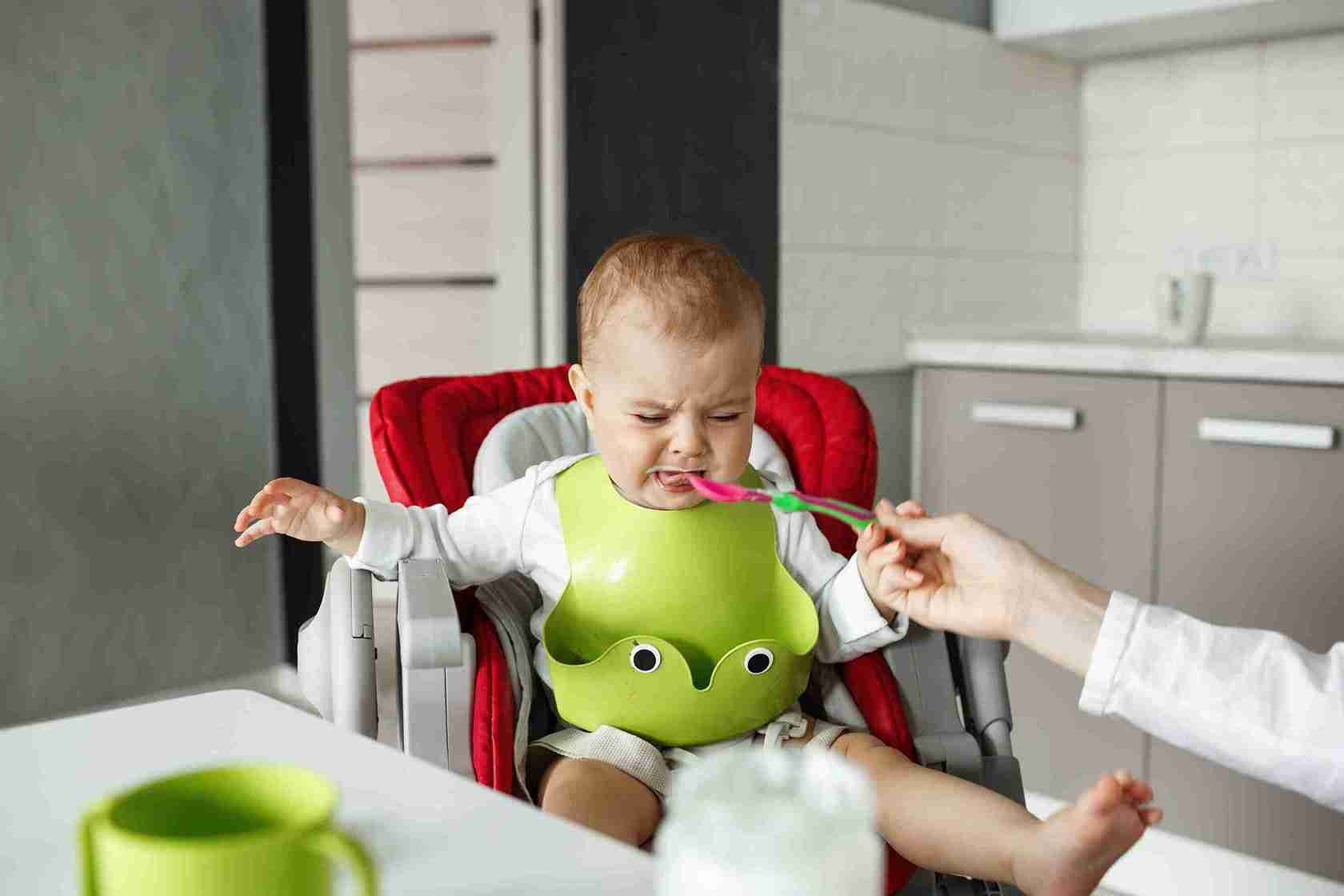
Feeding is a baby’s full-time job. So when they decide to go on strike, it naturally sends parents into a tailspin.
Feeding difficulty in babies can stem from many minor annoyances. A baby with a stuffy nose will struggle to nurse or take a bottle feed because they can't breathe and swallow at the same time. A teething toddler might refuse solid food because their gums are throbbing. These temporary feeding strikes are incredibly common and usually resolve within a few days.
Babies are wonderfully resilient. They will generally make up for lost calories once they feel better.
A baby who eats a little less than usual for a day or two but remains happy, alert, and hydrated. A toddler who suddenly decides they hate peas and refuses dinner.
If a baby is crying out in pain while swallowing, constantly arching their back in discomfort during feeds, or if a temporary strike turns into prolonged poor feeding where they are losing weight.
If a newborn baby is too weak or excessively sleepy to wake up for feeds. If your baby is so lethargic that they cannot maintain a latch or suck on a bottle, they need immediate evaluation to ensure their blood sugar and hydration levels are safe.
Breathing is something we do without thinking. Usually, it is invisible. We only notice our breathing, or our child’s breathing, when it becomes effortful hard work. Recognising breathing problems in babies is one of the most vital ways to identify danger signs in infants.
It is important to know that newborns are naturally weird breathers. They have a pattern called "periodic breathing," where they might breathe rapidly for ten seconds, pause for a few seconds, and then start again. This is entirely normal for their developing nervous systems.
However, respiratory viruses like RSV or the flu can settle in a child's chest and make the physical act of breathing difficult.
I once treated a sweet little girl named Aira. Her father brought her into the clinic during a busy winter flu season. He apologised for taking up my time, saying it was probably just a cold, but he noticed her belly was moving differently. He was absolutely right to bring her in. He had noticed "chest retractions," a true red flag, and his quick action helped us get Aira the nebulisations and oxygen support she needed smoothly and safely.
Here is how you can visualise the difference between a simple cold and respiratory distress:
A noisy, snotty, congested baby who sounds like a little freight train but is breathing at a normal, steady pace and colour.
If your baby is breathing faster than usual but is still able to eat, or if a harsh, barking cough (croup) develops.
Strip your baby down to their diaper and watch their chest. Look for these true emergency signs of laboured breathing. These are important baby emergency signs that require immediate medical attention: (count breaths for 1 full minute, >60/min in infants less than 3 months or >40 breaths/min in older kids warrants immediate medical attention)
• Retractions: The skin is visibly sucking in between the ribs, under the rib cage, or at the base of the neck with every single breath. The baby is using extra muscles just to pull air in.
• Nasal flaring: The nostrils are opening wide with every inhalation, like a racehorse.
• Grunting: This isn't the grunting of pushing out a poop. This is a rhythmic, short "ugh" sound made with every exhalation. The baby is instinctively trying to keep their tiny airways open.
• Colour changes: Any bluish or pale/grey tint around the lips, tongue, or face means oxygen levels are dropping.
As we wrap up, I want to leave you with the most comforting medical fact I know.
Google knows diseases. Your paediatrician knows your child. And you know your child better than anyone else on this earth.
Parenting a tiny human is a profound, beautiful, and sometimes terrifying responsibility. It is entirely normal to feel anxious. But perfect parenting isn't about recognising every obscure illness you find on the internet. It is about recognising when something is truly different with your child.
When your gut tells you that your baby’s cry sounds wrong, or that their lack of energy isn't just a missed nap, listen to that voice. We, as paediatricians, rely on your parental intuition. It is a powerful, biological alarm system.
When in doubt, your paediatrician would much rather answer a simple question than treat a delayed emergency. We never mind reassuring you that everything is okay.
So tonight, if your little one feels warm or starts coughing, step away from the search engine. Look at your baby. Assess their breathing, their hydration, and their mood. Knowing the difference between common childhood illnesses and true baby emergency signs can help you make confident decisions about when to seek medical care.
Less doomscrolling. More cuddles. And when you're unsure, let your paediatrician, not Dr. Google, be your first call.

Want to consult the best pediatrician in India? Please find the links below

A true medical fever is a core body temperature of 100.4°F (38°C) or higher. In babies under three months of age, any temperature of 100.4°F or higher requires immediate emergency medical evaluation.
Key infant dehydration signs include fewer than four to six wet diapers in a 24-hour period, a dry mouth and tongue, no tears when crying, sunken eyes, and excessive sleepiness or fussiness.
Laboured breathing involves extra effort to pull air into the lungs. Look for "retractions" (the skin sucking in between or below the ribs), the nostrils flaring wide, a rhythmic grunting sound when breathing out, or a bluish tint to the lips.
Yes, especially for breastfed babies. After the first few weeks of life, it is common for breastfed infants to go several days (sometimes up to a week) without a bowel movement. As long as the stool is soft when it passes, and the baby is happy and eating, it is normal.


 Best Gynecologists in Bellandur Best Gynecologists in Electronic City Best Gynecologists in HRBR LayoutBest Gynecologists in Jayanagar Best Gynecologists in Kanakapura RoadBest Gynecologists in Malleswaram Best Gynecologists in Nagarbhavi Best Gynecologists in Old Airport RoadBest Gynecologists in Sahakarnagar Best Gynecologists in Sarjapur RoadBest Gynecologists in ThanisandraBest Gynecologists in Varthur RoadBest Gynecologists in Whitefield Best Gynecologists in Industrial Area Phase IIBest Gynecologists in OMRBest Gynecologists in T NagarBest Gynecologists in New Industrial TownBest Gynecologists in IndirapuramBest Gynecologists in Golf Course RoadBest Gynecologists in Sector 14Best Gynecologists in Sector 47Best Gynecologists in Banjara HillsBest Gynecologists in GachibowliBest Gynecologists in Hitech CityBest Gynecologists in KompallyBest Gynecologists in Gomti NagarBest Gynecologists in MaladBest Gynecologists in NerulBest Gynecologists in VashiBest Gynecologists in Kailash ColonyBest Gynecologists in PatparganjBest Gynecologists in Punjabi BaghBest Gynecologists in VikaspuriBest Gynecologists in Gaur CityBest Gynecologists in Pari ChowkBest Gynecologists in Sector 51Best Gynecologists in Sector 5 Swastik ViharBest Gynecologists in Kalyani NagarBest Gynecologists in SB RoadBest Gynecologists in Pimple SaudagarBest Pediatricians in BellandurBest Pediatricians in Electronic CityBest Pediatricians in HRBR LayoutBest Pediatricians in JayanagarBest Pediatricians in Kanakapura RoadBest Pediatricians in MalleswaramBest Pediatricians in NagarbhaviBest Pediatricians in Old Airport RoadBest Pediatricians in SahakarnagarBest Pediatricians in Sarjapur RoadBest Pediatricians in ThanisandraBest Pediatricians in Varthur RoadBest Pediatricians in WhitefieldBest Pediatricians in Industrial Area Phase IIBest Pediatricians in OMRBest Pediatricians in T NagarBest Pediatricians in New Industrial TownshipBest Pediatricians in IndirapuramBest Pediatricians in Golf Course RoadBest Pediatricians in Sector 14Best Pediatricians in Sector 47Best Pediatricians in Hitech CityBest Pediatricians in Banjara HillsBest Pediatricians in GachibowliBest Pediatricians in KompallyBest Pediatricians in Gomti NagarBest Pediatricians in MaladBest Pediatricians in NerulBest Pediatricians in VashiBest Pediatricians in Kailash ColonyBest Pediatricians in PatparganjBest Pediatricians in Punjabi BaghBest Pediatricians in VikaspuriBest Pediatricians in Gaur CityBest Pediatricians in Pari ChowkBest Pediatricians in Sector 51Best Pediatricians in Sector 5 Swastik ViharBest Pediatricians in Kalyani NagarBest Pediatricians in SB RoadBest Pediatricians in Pimple Saudagar


