
An episiotomy is a surgical incision made in the perineum, the area between the vaginal opening and the anus, during vaginal childbirth when it is medically necessary. In the past, episiotomies were performed routinely, but current medical guidelines recommend them only for specific clinical situations where they may benefit the mother or baby.
Understanding the type of episiotomy used is important, as each incision has its own considerations. It is also helpful to know that episiotomy types and degrees are not the same. While the former refers to the surgical incision, the latter describes the severity of natural perineal tears that may occur during childbirth.
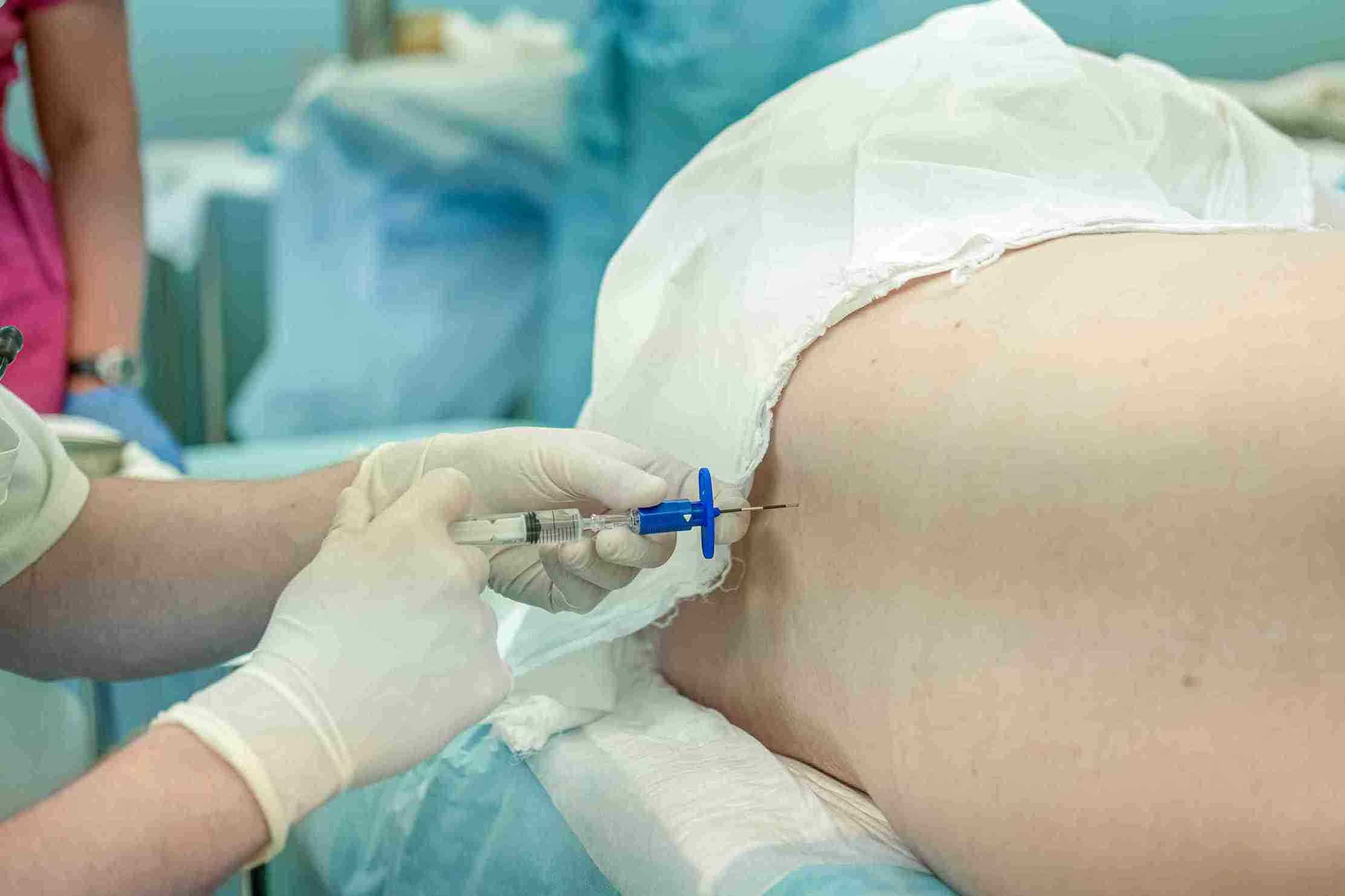
Episiotomy is a deliberate cut made in the perineum to enlarge the vagina during childbirth. This procedure is done by an obstetrician under proper anaesthesia when needed. The purpose is to facilitate a safer vaginal birth in situations where a quicker delivery is necessary or where the healthcare provider believes an incision may reduce complications.
Not all women need an episiotomy; it is done in certain conditions such as:
The decision is based on the progress of labour and the well-being of both mother and baby.
There are four different types of episiotomies. These differ based on the type of incision being performed and the clinical condition in which they can be done.
The median episiotomy goes directly down from the vagina to the anus. It tends to be easier to perform and causes fewer problems in terms of healing, but it has a tendency to extend beyond the anal sphincter, causing greater tearing.
The mediolateral episiotomy is the most common type of episiotomy performed. The cut is made from the vaginal opening towards the anus diagonally. While it may take slightly longer to heal compared to a midline incision, it poses lower risks of severe tearing of the anal sphincters.
A lateral episiotomy is made further away from the midline. It is used less frequently and is generally reserved for selected clinical situations where the obstetrician considers it appropriate.
This involves making a J-shaped incision from the midline to the side. This type of episiotomy is rarely done due to healing issues and lack of any advantages over other methods.
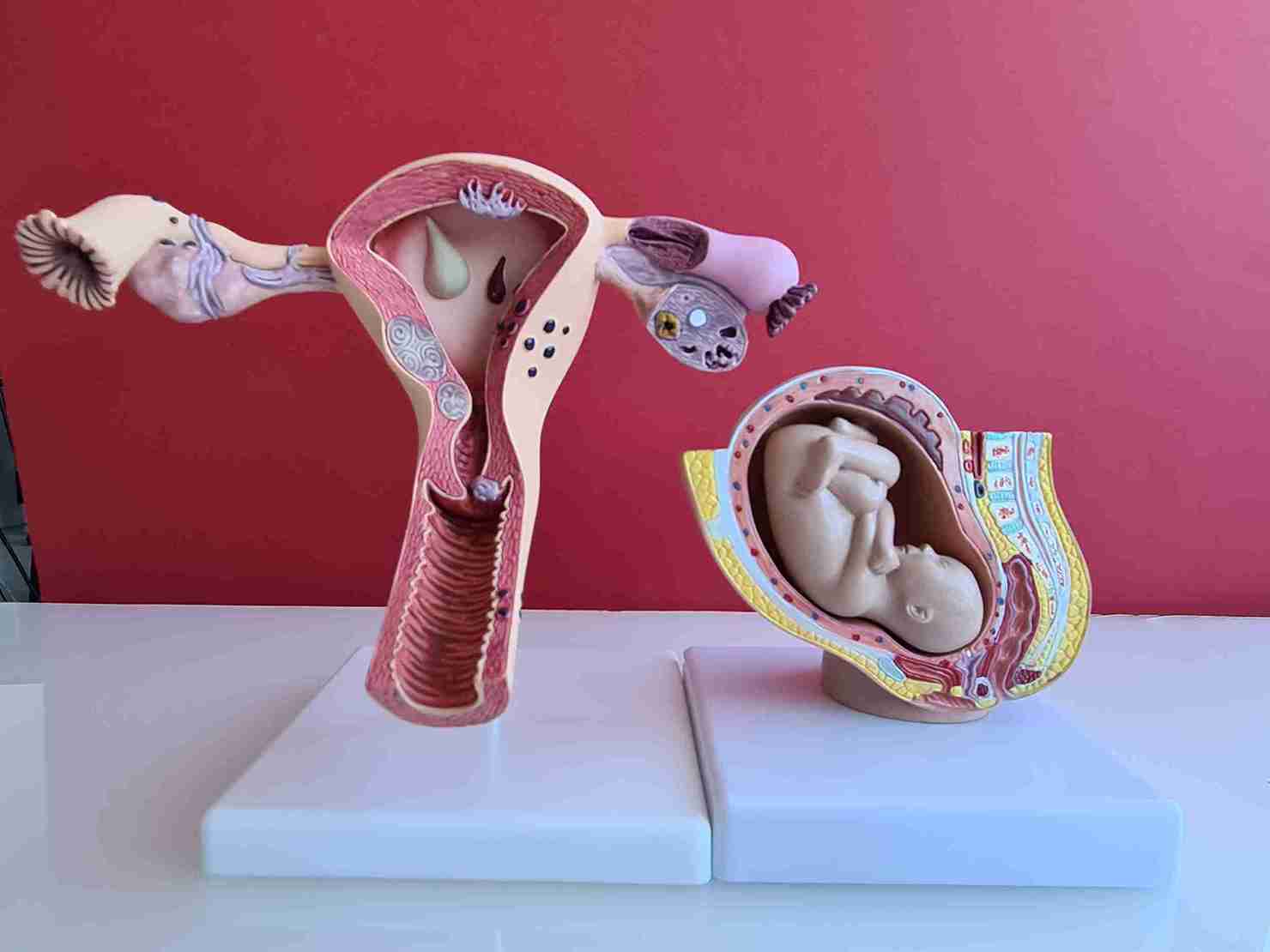
Episiotomy types and degrees are not the same. Types of episiotomy involve the pre-planned incision performed by an obstetrician, and degrees of episiotomy involve the extent of natural tearing in the course of delivery.
Involves only the outer layer of skin surrounding the vaginal opening. Minor tears that either heal spontaneously or require suturing.
The tear involves the skin and the underlying perineal muscles. This type of tearing is quite frequent and requires suturing.
It involves tearing the anal sphincter muscles. Repair surgery is required, and after that, strict post-delivery monitoring should be done.
The worst kind of tearing, which goes through the anus all the way up to the lining of the rectum.
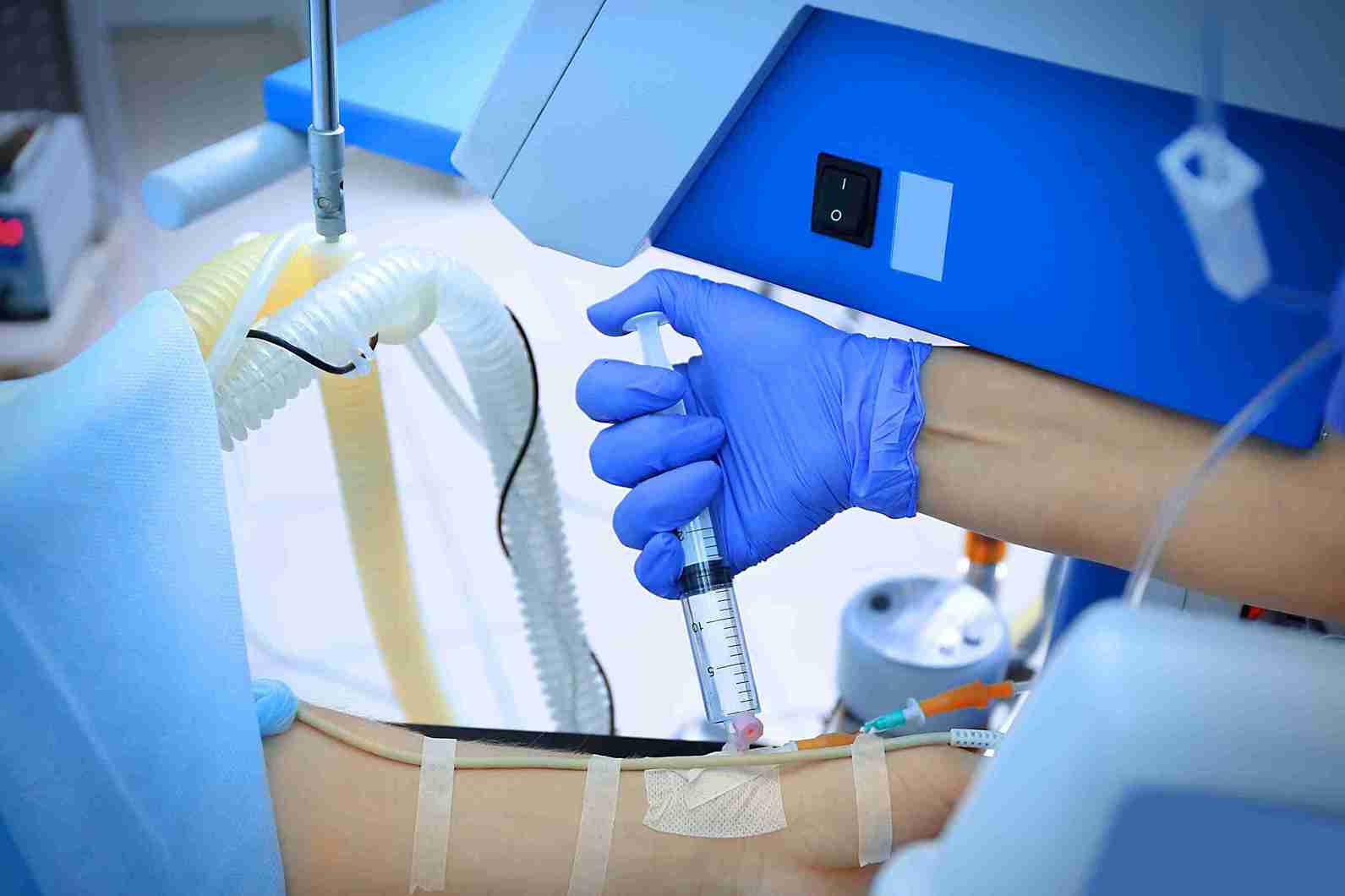
The procedure takes place under local anaesthesia or using epidural anaesthesia that is already in use; thus, the pain felt during the procedure is minimal. After delivery, the patient may experience minor pain in the sutured area. This pain can be effectively relieved through proper management.
Episiotomies heal within two to six weeks after surgery. It involves keeping proper perineal hygiene, changing maternity pads regularly, using ice packs or sitz baths if required, doing pelvic floor exercises as advised, taking medications, and undergoing post-partum visits.
To support healing:
Like any surgical procedure, an episiotomy carries some risks, including infection, bleeding, wound breakdown, pain during healing, discomfort during intercourse, and scar tenderness. Rare complications may also occur.
However, with appropriate care and timely follow-up, most women recover well without long-term problems.

Seek medical attention if you develop fever, increasing pain, heavy bleeding, foul-smelling discharge, difficulty passing urine or stool, separation of stitches, or persistent swelling around the incision site.
At Cloudnine, episiotomies are performed only when medically necessary and in line with evidence-based obstetric guidelines. Experienced obstetricians carefully assess every labour to minimise unnecessary interventions while prioritising the safety of both mother and baby. Comprehensive postpartum care, including pain management, wound care guidance, lactation support, pelvic floor rehabilitation, and regular follow-up, helps mothers recover comfortably and confidently after delivery.
Understanding the 4 types of episiotomy and the difference between episiotomy types and degrees can help expectant mothers feel better informed about childbirth. While an episiotomy is no longer performed routinely, it remains an important procedure in specific medical situations where it can support a safer delivery. Discussing your birth plan and any concerns with your obstetrician can help you make informed decisions and prepare for a smoother recovery after childbirth.

Want to consult the best gynecologists in India? Please find the links below.
Want to consult the best Maternity Packages in India? Please find the links below.

Most women recover completely. Although some may experience temporary discomfort or scar sensitivity, long-term complications are uncommon with proper treatment.
Yes. Most women heal well within a few weeks and gradually return to their usual daily activities.
Most episiotomies require stitches to ensure proper healing and reduce the risk of complications.
Stitches usually dissolve on their own, with most women experiencing significant healing within 2 to 6 weeks.







 Best Gynecologists in Bellandur Best Gynecologists in Electronic City Best Gynecologists in HRBR LayoutBest Gynecologists in Jayanagar Best Gynecologists in Kanakapura RoadBest Gynecologists in Malleswaram Best Gynecologists in Nagarbhavi Best Gynecologists in Old Airport RoadBest Gynecologists in Sahakarnagar Best Gynecologists in Sarjapur RoadBest Gynecologists in ThanisandraBest Gynecologists in Varthur RoadBest Gynecologists in Whitefield Best Gynecologists in Industrial Area Phase IIBest Gynecologists in OMRBest Gynecologists in T NagarBest Gynecologists in New Industrial TownBest Gynecologists in IndirapuramBest Gynecologists in Golf Course RoadBest Gynecologists in Sector 14Best Gynecologists in Sector 47Best Gynecologists in Banjara HillsBest Gynecologists in GachibowliBest Gynecologists in Hitech CityBest Gynecologists in KompallyBest Gynecologists in Gomti NagarBest Gynecologists in MaladBest Gynecologists in NerulBest Gynecologists in VashiBest Gynecologists in Kailash ColonyBest Gynecologists in PatparganjBest Gynecologists in Punjabi BaghBest Gynecologists in VikaspuriBest Gynecologists in Gaur CityBest Gynecologists in Pari ChowkBest Gynecologists in Sector 51Best Gynecologists in Sector 5 Swastik ViharBest Gynecologists in Kalyani NagarBest Gynecologists in SB RoadBest Gynecologists in Pimple SaudagarBest Pediatricians in BellandurBest Pediatricians in Electronic CityBest Pediatricians in HRBR LayoutBest Pediatricians in JayanagarBest Pediatricians in Kanakapura RoadBest Pediatricians in MalleswaramBest Pediatricians in NagarbhaviBest Pediatricians in Old Airport RoadBest Pediatricians in SahakarnagarBest Pediatricians in Sarjapur RoadBest Pediatricians in ThanisandraBest Pediatricians in Varthur RoadBest Pediatricians in WhitefieldBest Pediatricians in Industrial Area Phase IIBest Pediatricians in OMRBest Pediatricians in T NagarBest Pediatricians in New Industrial TownshipBest Pediatricians in IndirapuramBest Pediatricians in Golf Course RoadBest Pediatricians in Sector 14Best Pediatricians in Sector 47Best Pediatricians in Hitech CityBest Pediatricians in Banjara HillsBest Pediatricians in GachibowliBest Pediatricians in KompallyBest Pediatricians in Gomti NagarBest Pediatricians in MaladBest Pediatricians in NerulBest Pediatricians in VashiBest Pediatricians in Kailash ColonyBest Pediatricians in PatparganjBest Pediatricians in Punjabi BaghBest Pediatricians in VikaspuriBest Pediatricians in Gaur CityBest Pediatricians in Pari ChowkBest Pediatricians in Sector 51Best Pediatricians in Sector 5 Swastik ViharBest Pediatricians in Kalyani NagarBest Pediatricians in SB RoadBest Pediatricians in Pimple Saudagar


