





Starting fertility treatment can bring a mix of hope and anxiety, and one of the most common concerns is whether an IUI procedure is painful. The good news is that intrauterine insemination (IUI) is a quick, minimally invasive procedure that most women tolerate well. While mild cramping or pressure is possible, significant discomfort is uncommon. Knowing what happens before, during, and after the procedure can help you feel more prepared and confident.

An intrauterine insemination (IUI) is a type of assisted reproductive technique whereby sperm is transferred directly into the uterus close to the time of ovulation. It reduces the distance that the sperm has to swim in order to fertilise the egg.
There are various reasons why IUI is prescribed, including unexplained infertility, mild male factor infertility, ovulation problems, cervical factor infertility, or even when using donor sperm. The success of IUI therapy is influenced by many different factors and not necessarily by the process of the procedure itself.
Many women fear the pain of the IUI procedure, yet most say that their experience is one of mild discomfort without actual pain. The process is usually very similar to a standard pelvic exam or pap test.
While some women do not feel anything, others may feel brief cramping as the catheter is inserted into the cervix. Individual differences in pain tolerance play a significant role in how IUI procedure pain feels. Fortunately, the procedure lasts only alst a few seconds and does not involve any use of anaesthesia.
Preparation begins before the insemination itself. If fertility medications are prescribed, your doctor will monitor follicle growth with ultrasound scans. Once ovulation is near, you may receive a trigger injection to help time the procedure accurately.
On the day of IUI, the semen sample is processed in the laboratory through a technique called sperm washing. This concentrates healthy, motile sperm for insemination.
Your fertility specialist will explain any medication instructions and answer any questions before the procedure. Feeling anxious is normal, and understanding each step often helps reduce stress.

By understanding pain during IUI procedure, one will have reasonable expectations. In the process of the IUI procedure, the patient lies down on the examination table as the speculum is carefully placed inside her vagina. A thin catheter is then passed through the cervix into the uterus, and the prepared sperm is slowly introduced.
Most women experience just:
The insemination itself takes only a few minutes, and pain during IUI usually disappears soon after the catheter is removed.
For most women, IUI can be followed by returning to work and normal activities right away. Minor cramps, spotting, or discomfort may occur; however, they disappear within a few hours. Other possible side effects for some women taking fertility drugs can include bloating and breast tenderness.
The hardest part of the IUI process is waiting for two weeks to know if a pregnancy has happened. Normal activities can be resumed on the day of IUI unless stated otherwise.
Despite IUI being a relatively painless procedure, there are certain conditions that might lead to temporary discomfort, such as:
Sharing the information about any discomfort you've experienced during pelvic exams helps the fertility doctor make your procedure more comfortable.
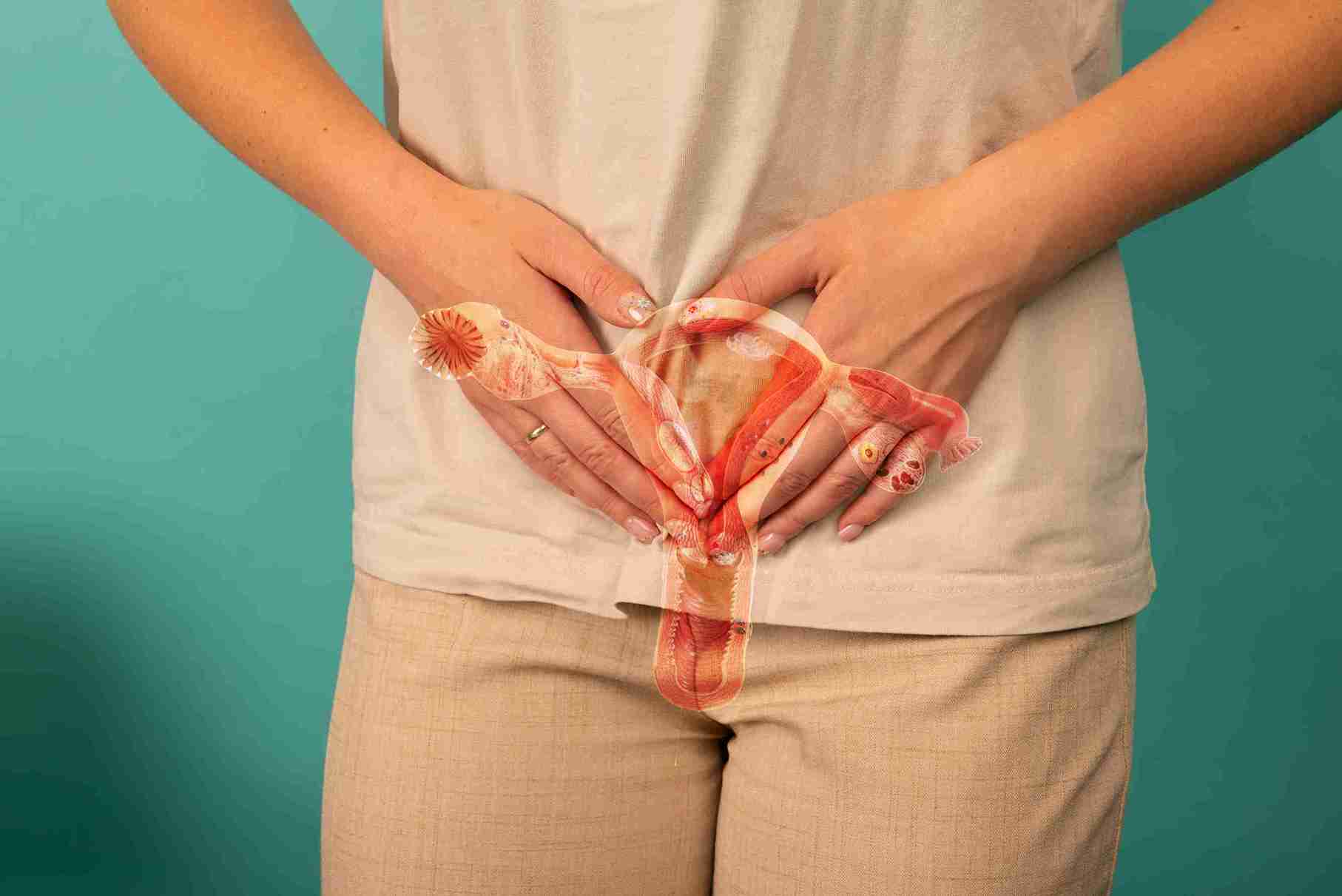
Pain post-IUI that is intense is rare and must always be checked by a healthcare provider.
Consult your fertility specialist when you have:
Abnormal issues such as infection, ovarian hyperstimulation syndrome, ovarian torsion, or ectopic pregnancy may cause these symptoms and demand immediate care.
No. Light cramps after the IUI procedure do not indicate that implantation has happened; however, lack of pain does not indicate that the procedure has failed. Every woman's body responds differently. The only way to find out if IUI has been successful is by conducting a pregnancy test when the fertility specialist recommends it.
At Cloudnine, fertility care is personalised to every individual and couple. Our experienced fertility specialists combine advanced diagnostics, evidence-based treatment protocols, and compassionate counselling to guide patients through every stage of their fertility journey. From cycle planning and IUI to ongoing support after the procedure, our multidisciplinary team focuses on providing safe, comfortable, and patient-centred care.
For most women, IUI is a simple, minimally invasive procedure that causes little to no pain. Mild cramping or spotting is common and usually resolves within a few hours. Knowing what to expect can ease anxiety and help you approach treatment with confidence. If you experience severe pain, heavy bleeding, or fever after the procedure, seek medical advice without delay.


Yes. Most women can safely climb stairs and resume normal daily activities after IUI unless their fertility specialist advises otherwise.
Eat a balanced diet that includes fruits, vegetables, whole grains, lean proteins, and healthy fats. While no specific food guarantees success, good nutrition supports overall reproductive health.
There is no evidence that any particular fruit should be avoided after IUI. A varied, nutritious diet is generally recommended unless your doctor advises otherwise.
Any discomfort after IUI is usually mild and lasts from a few minutes to several hours. Occasionally, light cramping may continue for up to one or two days before resolving on its own.


 Best Gynecologists in Bellandur Best Gynecologists in Electronic City Best Gynecologists in HRBR LayoutBest Gynecologists in Jayanagar Best Gynecologists in Kanakapura RoadBest Gynecologists in Malleswaram Best Gynecologists in Nagarbhavi Best Gynecologists in Old Airport RoadBest Gynecologists in Sahakarnagar Best Gynecologists in Sarjapur RoadBest Gynecologists in ThanisandraBest Gynecologists in Varthur RoadBest Gynecologists in Whitefield Best Gynecologists in Industrial Area Phase IIBest Gynecologists in OMRBest Gynecologists in T NagarBest Gynecologists in New Industrial TownBest Gynecologists in IndirapuramBest Gynecologists in Golf Course RoadBest Gynecologists in Sector 14Best Gynecologists in Sector 47Best Gynecologists in Banjara HillsBest Gynecologists in GachibowliBest Gynecologists in Hitech CityBest Gynecologists in KompallyBest Gynecologists in Gomti NagarBest Gynecologists in MaladBest Gynecologists in NerulBest Gynecologists in VashiBest Gynecologists in Kailash ColonyBest Gynecologists in PatparganjBest Gynecologists in Punjabi BaghBest Gynecologists in VikaspuriBest Gynecologists in Gaur CityBest Gynecologists in Pari ChowkBest Gynecologists in Sector 51Best Gynecologists in Sector 5 Swastik ViharBest Gynecologists in Kalyani NagarBest Gynecologists in SB RoadBest Gynecologists in Pimple SaudagarBest Pediatricians in BellandurBest Pediatricians in Electronic CityBest Pediatricians in HRBR LayoutBest Pediatricians in JayanagarBest Pediatricians in Kanakapura RoadBest Pediatricians in MalleswaramBest Pediatricians in NagarbhaviBest Pediatricians in Old Airport RoadBest Pediatricians in SahakarnagarBest Pediatricians in Sarjapur RoadBest Pediatricians in ThanisandraBest Pediatricians in Varthur RoadBest Pediatricians in WhitefieldBest Pediatricians in Industrial Area Phase IIBest Pediatricians in OMRBest Pediatricians in T NagarBest Pediatricians in New Industrial TownshipBest Pediatricians in IndirapuramBest Pediatricians in Golf Course RoadBest Pediatricians in Sector 14Best Pediatricians in Sector 47Best Pediatricians in Hitech CityBest Pediatricians in Banjara HillsBest Pediatricians in GachibowliBest Pediatricians in KompallyBest Pediatricians in Gomti NagarBest Pediatricians in MaladBest Pediatricians in NerulBest Pediatricians in VashiBest Pediatricians in Kailash ColonyBest Pediatricians in PatparganjBest Pediatricians in Punjabi BaghBest Pediatricians in VikaspuriBest Pediatricians in Gaur CityBest Pediatricians in Pari ChowkBest Pediatricians in Sector 51Best Pediatricians in Sector 5 Swastik ViharBest Pediatricians in Kalyani NagarBest Pediatricians in SB RoadBest Pediatricians in Pimple Saudagar


