
If you think you might be pregnant, it can be tempting to take a pregnancy test as soon as possible. However, testing at the right time is essential for getting an accurate result. Pregnancy tests work by detecting human chorionic gonadotropin (hCG), a hormone produced after a fertilised egg implants in the uterus. Since hCG levels need time to rise, testing too early may result in a false-negative result, even if you are pregnant. Understanding when to check pregnancy test, how pregnancy tests work, and when they are most reliable can help you avoid unnecessary confusion and anxiety.
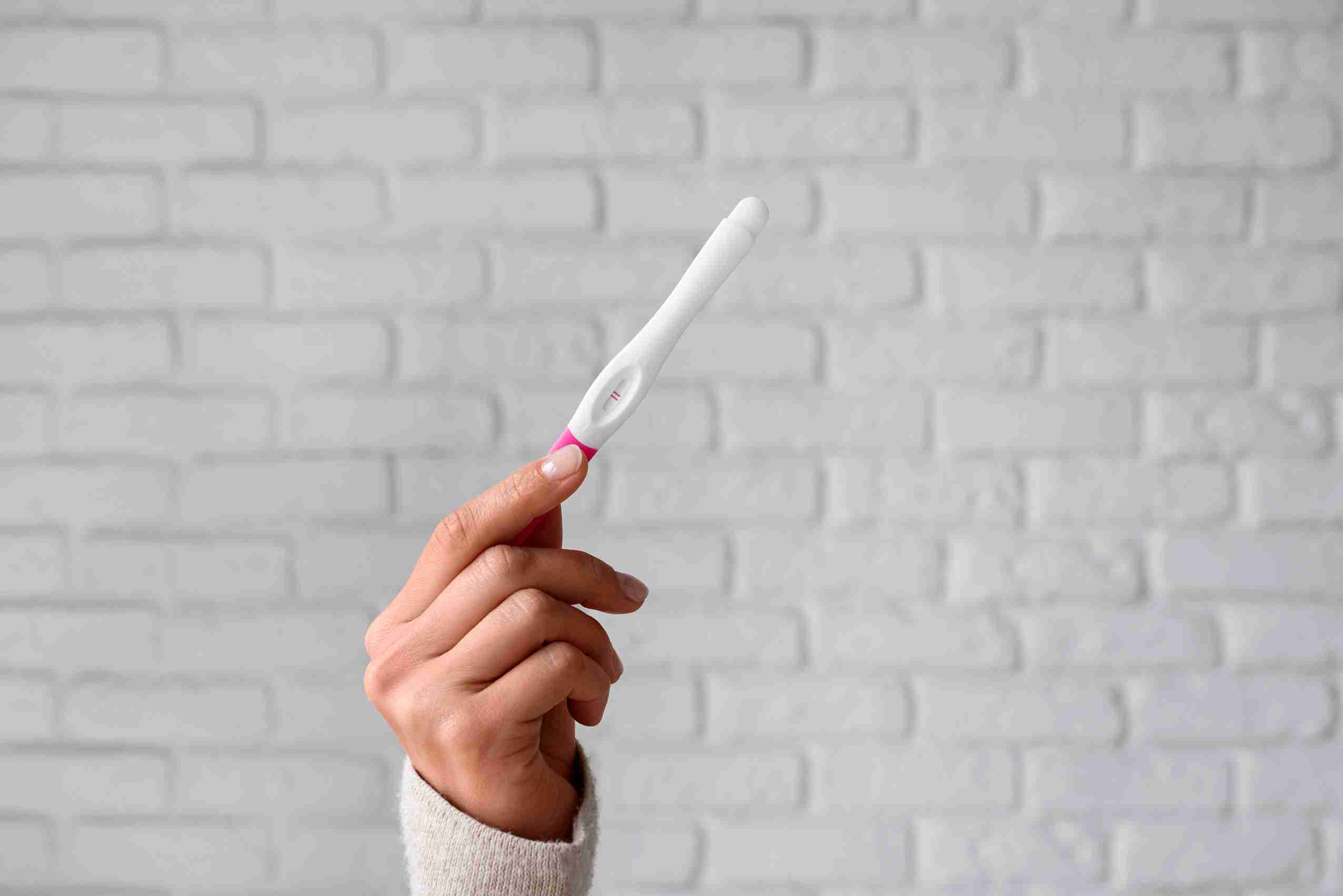
A pregnancy test measures hCG, a hormone that is produced by the placenta soon after implantation. When the fertilised egg implants itself in the lining of the uterus, the hCG hormone is produced in the body and its levels increase quickly thereafter.
There are mainly two kinds of pregnancy tests:
● The urine pregnancy test is done at home to detect hCG in urine.
● The blood pregnancy test is performed in the laboratory or clinic to check the hCG level in the blood.
As pregnancy progresses, hCG levels continue to increase, making pregnancy tests more accurate after a missed period.
Many women ask: When should I test for pregnancy? This is important as determining when to conduct a pregnancy test is one of the key factors for obtaining a correct result.
If your menstrual cycle is regular, then it is preferable to conduct a test on the first day of your missed period; at this moment, hCG levels are high enough to obtain a result using most pregnancy tests.
However, if you experience irregular periods, it will be more complicated to establish when to conduct the test; in this case, wait at least three weeks from unprotected intercourse or consult your physician for guidance.
Make sure that you strictly follow the manufacturer's recommendations since each product might have its unique method of conducting and interpreting the test.
What Is the Most Favourable Time of Day for Performing a Home Pregnancy Test?
Morning is considered to be the optimal time for conducting a home pregnancy test. First morning urine has high amounts of hCG, thus it will be easy to identify if there is a pregnancy. Once the pregnancy advances, it will not matter what time you take the test since the hCG hormone will be present in high quantities.
Many people wonder after how many days pregnancy can be confirmed following unprotected intercourse. Pregnancy does not occur immediately after sex. Several biological events must take place before a pregnancy test can detect hCG.
One of the most frequent questions is when to check for a pregnancy test after engaging in unprotected sexual activity.
The answer is that immediately following sexual intercourse will rarely provide a clear result since there will be no implantation and secretion of hCG yet. Waiting for the day of your period is usually the best option. In case the first test proves negative, while you have not had your period yet, you should re-test yourself after 48-72 hours.

While the experience is unique for everyone, some symptoms that indicate you could be pregnant are:
● Nausea
● Tender breasts
● Feeling tired all the time
● More frequent need to urinate
● Cramping
● Aversion to certain foods
However, keep in mind that these are non-pregnancy-related symptoms too and can also be caused by hormonal imbalances or stress.
The urine home pregnancy test is convenient, easy to use, and accurate when done properly after the missed period.
Health practitioners conduct the blood pregnancy test and can detect smaller levels of hCG compared to the urine test.
Most home pregnancy tests are very precise if used correctly and post-missed periods. The accuracy of home pregnancy tests is determined by testing at the right time, using the test properly according to the instructions, and interpreting the test results in the right time frame. Early testing is the most frequent cause of incorrect results.
Negative results do not always indicate that one is not pregnant. False-negative results may occur because of:
● Early testing
● Diluted urine because of excess water intake
● Improper use of the test
● Use of an expired pregnancy test
● Very low hCG levels during early pregnancy
In case of suspected pregnancy, repeat the test after two or three days.
In case of a positive pregnancy test, absence of menstruation despite conducting a negative test, severe abdominal pains, heavy vaginal bleeding, suspected ectopic pregnancy or inconclusive test results, you should see your doctor immediately.
At Cloudnine, pregnancy care begins even before your first antenatal visit. Our experienced obstetricians and gynaecologists provide comprehensive support, from confirming your pregnancy to guiding you through every stage of prenatal care.
With advanced diagnostic facilities, personalised care plans, nutrition counselling, fetal medicine expertise, and round-the-clock maternity support, Cloudnine ensures that you receive compassionate, evidence-based care tailored to your individual needs.

Testing during the proper time increases the likelihood of receiving an accurate outcome. Although it is easy to test immediately, waiting until the first day that you miss your period can help ensure proper detection. If your results are unclear or your symptoms persist despite a negative test, consult your healthcare provider for further evaluation and guidance.
Want to consult the best gynecologists in India? Please find the links below.
Want to consult the best Maternity Packages in India? Please find the links below.

Most home pregnancy tests become reliable on or after the first day of a missed period. Blood tests may detect pregnancy a few days earlier.
No. Five days after unprotected sex is generally too early because implantation and hCG production have usually not occurred yet.
In most cases, hCG is not detectable one week after intercourse. It usually begins to rise only after implantation, which occurs about 6–12 days after fertilisation.
No. Three days after unprotected sex is too early to confirm pregnancy using either a home urine test or a blood test. Waiting until your missed period provides the most accurate result.







 Best Gynecologists in Bellandur Best Gynecologists in Electronic City Best Gynecologists in HRBR LayoutBest Gynecologists in Jayanagar Best Gynecologists in Kanakapura RoadBest Gynecologists in Malleswaram Best Gynecologists in Nagarbhavi Best Gynecologists in Old Airport RoadBest Gynecologists in Sahakarnagar Best Gynecologists in Sarjapur RoadBest Gynecologists in ThanisandraBest Gynecologists in Varthur RoadBest Gynecologists in Whitefield Best Gynecologists in Industrial Area Phase IIBest Gynecologists in OMRBest Gynecologists in T NagarBest Gynecologists in New Industrial TownBest Gynecologists in IndirapuramBest Gynecologists in Golf Course RoadBest Gynecologists in Sector 14Best Gynecologists in Sector 47Best Gynecologists in Banjara HillsBest Gynecologists in GachibowliBest Gynecologists in Hitech CityBest Gynecologists in KompallyBest Gynecologists in Gomti NagarBest Gynecologists in MaladBest Gynecologists in NerulBest Gynecologists in VashiBest Gynecologists in Kailash ColonyBest Gynecologists in PatparganjBest Gynecologists in Punjabi BaghBest Gynecologists in VikaspuriBest Gynecologists in Gaur CityBest Gynecologists in Pari ChowkBest Gynecologists in Sector 51Best Gynecologists in Sector 5 Swastik ViharBest Gynecologists in Kalyani NagarBest Gynecologists in SB RoadBest Gynecologists in Pimple SaudagarBest Pediatricians in BellandurBest Pediatricians in Electronic CityBest Pediatricians in HRBR LayoutBest Pediatricians in JayanagarBest Pediatricians in Kanakapura RoadBest Pediatricians in MalleswaramBest Pediatricians in NagarbhaviBest Pediatricians in Old Airport RoadBest Pediatricians in SahakarnagarBest Pediatricians in Sarjapur RoadBest Pediatricians in ThanisandraBest Pediatricians in Varthur RoadBest Pediatricians in WhitefieldBest Pediatricians in Industrial Area Phase IIBest Pediatricians in OMRBest Pediatricians in T NagarBest Pediatricians in New Industrial TownshipBest Pediatricians in IndirapuramBest Pediatricians in Golf Course RoadBest Pediatricians in Sector 14Best Pediatricians in Sector 47Best Pediatricians in Hitech CityBest Pediatricians in Banjara HillsBest Pediatricians in GachibowliBest Pediatricians in KompallyBest Pediatricians in Gomti NagarBest Pediatricians in MaladBest Pediatricians in NerulBest Pediatricians in VashiBest Pediatricians in Kailash ColonyBest Pediatricians in PatparganjBest Pediatricians in Punjabi BaghBest Pediatricians in VikaspuriBest Pediatricians in Gaur CityBest Pediatricians in Pari ChowkBest Pediatricians in Sector 51Best Pediatricians in Sector 5 Swastik ViharBest Pediatricians in Kalyani NagarBest Pediatricians in SB RoadBest Pediatricians in Pimple Saudagar


