





Many women postpone a Pap smear because they feel completely healthy. Some are worried the test might be uncomfortable. Others assume they don't need it because they don't have any symptoms. This assumption is widespread, yet it remains one of the main reasons cervical changes are missed.
A Pap smear test is a simple cervical cancer screening test that helps detect abnormal changes in cervical cells before they become more serious. It doesn't prevent cervical cancer on its own, but it gives doctors the opportunity to identify abnormal cells early, when they can often be managed more effectively.
Understanding the importance of Pap smear screening can help you make informed decisions about your cervical health, even when you feel perfectly well.

The biggest benefit of a Pap smear test is that it looks for abnormal changes in cervical cells before they develop into cervical cancer. This is why cervical cancer screening is considered one of the most effective preventive health measures for women. Detecting abnormal cells early often allows them to be monitored or treated before they become cancerous.
One point is worth remembering. A Pap smear is a screening test, not a diagnostic test. Most abnormal results do not mean a woman has cervical cancer. They simply indicate that further assessment may be needed. That is also why regular screening is important. Cervical cell changes usually develop gradually and often do not cause symptoms in the early stages.
Many women wonder whether a Pap smear applies to them, especially if they have no symptoms or have never had any gynaecological concerns.
In general, the need for cervical screening depends on several factors, including:
Certain women—particularly those with immune system conditions—may need a specialised screening schedule tailored to their needs. Your gynaecologist will recommend the approach that is most appropriate for you.
One of the most common questions is “When should women get a Pap smear?” There’s no one-size-fits-all answer for everyone. The right time to begin screening, how often it should be repeated, and whether HPV testing should also be performed depend on your age, previous screening results, medical history and the latest clinical guidelines.
If you have never had a Pap smear test or are not sure whether you need one, you should talk to your gynaecologist about it when you next see them. They can tell you when you should have a Pap smear test.
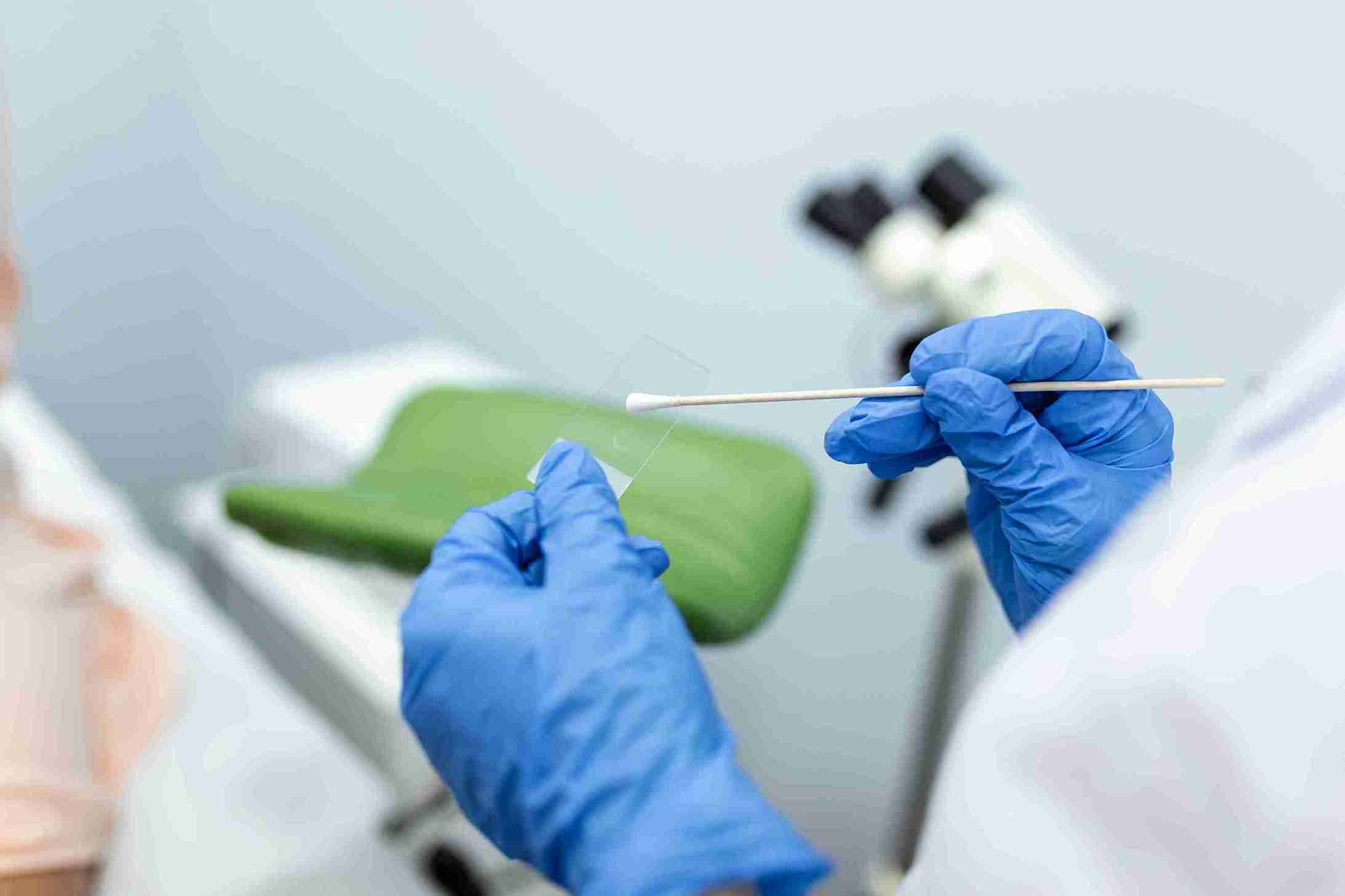
People often talk about these two tests together, but they are different. A Pap smear test checks the cells of the cervix for any changes that could turn into cancer if you leave them untreated. An HPV test checks for high-risk types of the human papillomavirus (HPV), the virus responsible for most cases of cervical cancer.
Depending on your age, medical history and current screening recommendations, your doctor may advise a Pap smear, an HPV test or both. Each test provides different information, and together they help guide decisions about further care and follow-up.
Knowing what to expect often makes the experience less stressful. The test is usually performed during a routine gynaecology visit and takes only a few minutes. While you lie comfortably on the examination couch, the doctor gently inserts a speculum into the vagina to see the cervix clearly. A small soft brush or spatula is then used to collect a sample of cells from the cervix. The sample is sent to a laboratory for examination.
Most women describe the test as uncomfortable rather than painful. When the doctor takes a sample, you might feel pressure, but it does not hurt for long. You don’t need anaesthesia for a Pap smear, and you can return to your usual activities immediately afterwards.
It is a good idea to prepare for the test so it goes smoothly and accurately. Your doctor may tell you to:
If you're unsure whether it's the right time for a Pap smear, your healthcare provider can guide you.
One reassuring aspect about a Pap smear is that there is usually no recovery period required. Most women can return to work, drive home or continue with their usual activities straight after the test. Some women may notice very mild spotting afterwards. This usually settles on its own within a day.
Your sample is sent to a laboratory, and the results are shared once they are available. If the report is normal, your doctor will advise when your next cervical cancer screening should be scheduled. If any abnormal changes are detected, it doesn't necessarily mean cancer is present. Your doctor may simply recommend further tests or closer follow-up to better understand the findings.

It's common to postpone a screening test, especially when you feel well. Here are some of the concerns women often have.
"I don't have any symptoms."
Early changes in the cervix usually don't cause symptoms. That's why a Pap smear test is recommended even when you feel completely healthy.
"I'm embarrassed."
Many women feel this way before their first Pap smear. Healthcare professionals perform this test regularly and understand that it can feel personal. They aim to make the experience as comfortable and respectful as possible.
"I've received the HPV vaccine."
The HPV vaccine offers excellent protection against several high-risk HPV types, but it doesn't prevent every type linked to cervical cancer. Regular screening is still important.
"I'll do it later."
Life gets busy, and preventive health checks are often postponed. But a Pap smear usually takes only a few minutes and can help keep your cervix healthy in the long run.
Myth: I feel healthy, so I don't need a Pap smear.
Fact: Early cervical cell changes often develop without symptoms. Regular screening helps detect these changes before they become more serious.
Myth: Only married women need a Pap smear.
Fact: The need for screening depends on factors such as age, sexual history, medical history and your doctor's advice. It is not based on marital status alone.
Myth: A Pap smear checks for every gynaecological cancer.
Fact: A Pap smear is designed to detect abnormal changes in cervical cells. It does not screen for ovarian, uterine or other gynaecological cancers.
A Pap smear is one of the simplest preventive health tests available for women. It takes only a few minutes and can help identify cervical cell changes long before they become a more serious concern. Even if you feel completely well, regular cervical cancer screening remains an important part of preventive healthcare.
If you're unsure whether you're due for a Pap smear test, speak with your gynaecologist. A simple conversation can help you understand what screening is appropriate for you and when it should be planned.


It is generally best to schedule a Pap smear when you are not having your menstrual period, as heavy bleeding can affect the sample. If your appointment coincides with your period, speak with your healthcare provider. They can advise whether the test should go ahead or be rescheduled.
Yes. The HPV vaccine protects against several high-risk HPV types, but it does not prevent all of them. This is why regular cervical cancer screening remains recommended even after vaccination.
An abnormal result does not automatically mean cervical cancer. It usually means that changes have been found in the cervical cells and that further evaluation may be recommended. Depending on the findings, your doctor may advise repeating the test, performing an HPV test or arranging a procedure called a colposcopy for a closer examination of the cervix.
Most women describe a Pap smear as mildly uncomfortable rather than painful. You may feel some pressure during the sample collection, but the procedure usually lasts only a few minutes.


 Best Gynecologists in Bellandur Best Gynecologists in Electronic City Best Gynecologists in HRBR LayoutBest Gynecologists in Jayanagar Best Gynecologists in Kanakapura RoadBest Gynecologists in Malleswaram Best Gynecologists in Nagarbhavi Best Gynecologists in Old Airport RoadBest Gynecologists in Sahakarnagar Best Gynecologists in Sarjapur RoadBest Gynecologists in ThanisandraBest Gynecologists in Varthur RoadBest Gynecologists in Whitefield Best Gynecologists in Industrial Area Phase IIBest Gynecologists in OMRBest Gynecologists in T NagarBest Gynecologists in New Industrial TownBest Gynecologists in IndirapuramBest Gynecologists in Golf Course RoadBest Gynecologists in Sector 14Best Gynecologists in Sector 47Best Gynecologists in Banjara HillsBest Gynecologists in GachibowliBest Gynecologists in Hitech CityBest Gynecologists in KompallyBest Gynecologists in Gomti NagarBest Gynecologists in MaladBest Gynecologists in NerulBest Gynecologists in VashiBest Gynecologists in Kailash ColonyBest Gynecologists in PatparganjBest Gynecologists in Punjabi BaghBest Gynecologists in VikaspuriBest Gynecologists in Gaur CityBest Gynecologists in Pari ChowkBest Gynecologists in Sector 51Best Gynecologists in Sector 5 Swastik ViharBest Gynecologists in Kalyani NagarBest Gynecologists in SB RoadBest Gynecologists in Pimple SaudagarBest Pediatricians in BellandurBest Pediatricians in Electronic CityBest Pediatricians in HRBR LayoutBest Pediatricians in JayanagarBest Pediatricians in Kanakapura RoadBest Pediatricians in MalleswaramBest Pediatricians in NagarbhaviBest Pediatricians in Old Airport RoadBest Pediatricians in SahakarnagarBest Pediatricians in Sarjapur RoadBest Pediatricians in ThanisandraBest Pediatricians in Varthur RoadBest Pediatricians in WhitefieldBest Pediatricians in Industrial Area Phase IIBest Pediatricians in OMRBest Pediatricians in T NagarBest Pediatricians in New Industrial TownshipBest Pediatricians in IndirapuramBest Pediatricians in Golf Course RoadBest Pediatricians in Sector 14Best Pediatricians in Sector 47Best Pediatricians in Hitech CityBest Pediatricians in Banjara HillsBest Pediatricians in GachibowliBest Pediatricians in KompallyBest Pediatricians in Gomti NagarBest Pediatricians in MaladBest Pediatricians in NerulBest Pediatricians in VashiBest Pediatricians in Kailash ColonyBest Pediatricians in PatparganjBest Pediatricians in Punjabi BaghBest Pediatricians in VikaspuriBest Pediatricians in Gaur CityBest Pediatricians in Pari ChowkBest Pediatricians in Sector 51Best Pediatricians in Sector 5 Swastik ViharBest Pediatricians in Kalyani NagarBest Pediatricians in SB RoadBest Pediatricians in Pimple Saudagar


