
Bringing a newborn home is one of the most overwhelming and joyful experiences a parent can go through. So when you notice your baby's skin or eyes turning yellow within the first few days, it is natural to feel a wave of anxiety. You may find yourself checking the baby under every light in the house or scrolling through the internet at 2:00 AM looking for answers. The good news is that newborn jaundice is one of the most common conditions seen in babies across India, and in most cases, it resolves on its own without any serious intervention.
That said, not every case is the same. While most instances of yellow baby skin are harmless and temporary, there are situations where rising bilirubin levels need to be addressed without delay. Having a basic understanding of what to look for, when to stay calm, and when to call your doctor can make a real difference.

Jaundice in newborns happens when there is too much bilirubin (yellow pigment) in the blood. It is produced during the breakdown process of red blood cells. In adults and older children, the liver processes bilirubin and removes it from the body. In newborns, the liver is still maturing and may not be efficient enough to keep up. This leads to a build-up, which shows up as a yellow tint on the skin and in the whites of the eyes.
A high bilirubin baby is not unusual in the first week of life. Most hospitals in India now routinely check bilirubin levels before discharge, so many cases are caught early before parents even notice any visible yellowing.
Most cases fall under what is called physiological jaundice, which simply means it is a normal part of the newborn's adjustment to life outside the womb. It typically appears on the second or third day after birth and begins to fade on its own by the end of the first week or two.
Some babies are more likely to develop jaundice than others. Premature babies, babies who are not feeding well, and those born with a different blood group than their mother are at higher risk. Breastfeeding jaundice, which happens when a baby is not getting enough milk, and breast milk jaundice, which is caused by substances in the breast milk itself, are two other common types seen in Indian newborns.

Baby yellow skin usually starts on the face and moves downward to the chest, belly, arms, and legs as bilirubin levels rise. A simple way to check at home is to press lightly on your baby's forehead or nose in natural light. If the skin looks yellow when you release the pressure, it is worth calling your paediatrician.
The yellowing of the whites of the eyes is another clear sign. If the soles of the feet or the palms of the hands look yellow, bilirubin levels are likely on the higher side and need to be assessed by a doctor without delay.
Mild jaundice in a well-feeding, alert baby is usually not something you need to worry about. However, there are specific signs that should prompt an immediate visit to the hospital.
A high bilirubin baby left untreated at extreme levels can, in rare cases, develop a condition called kernicterus, where bilirubin crosses into the brain and causes permanent damage. This is exactly why monitoring is taken seriously, even when the jaundice looks mild on the surface.
The approach to jaundice treatment depends entirely on how high the bilirubin level is and how old the baby is. Not every baby with yellow skin needs treatment beyond more frequent feeding and monitoring.
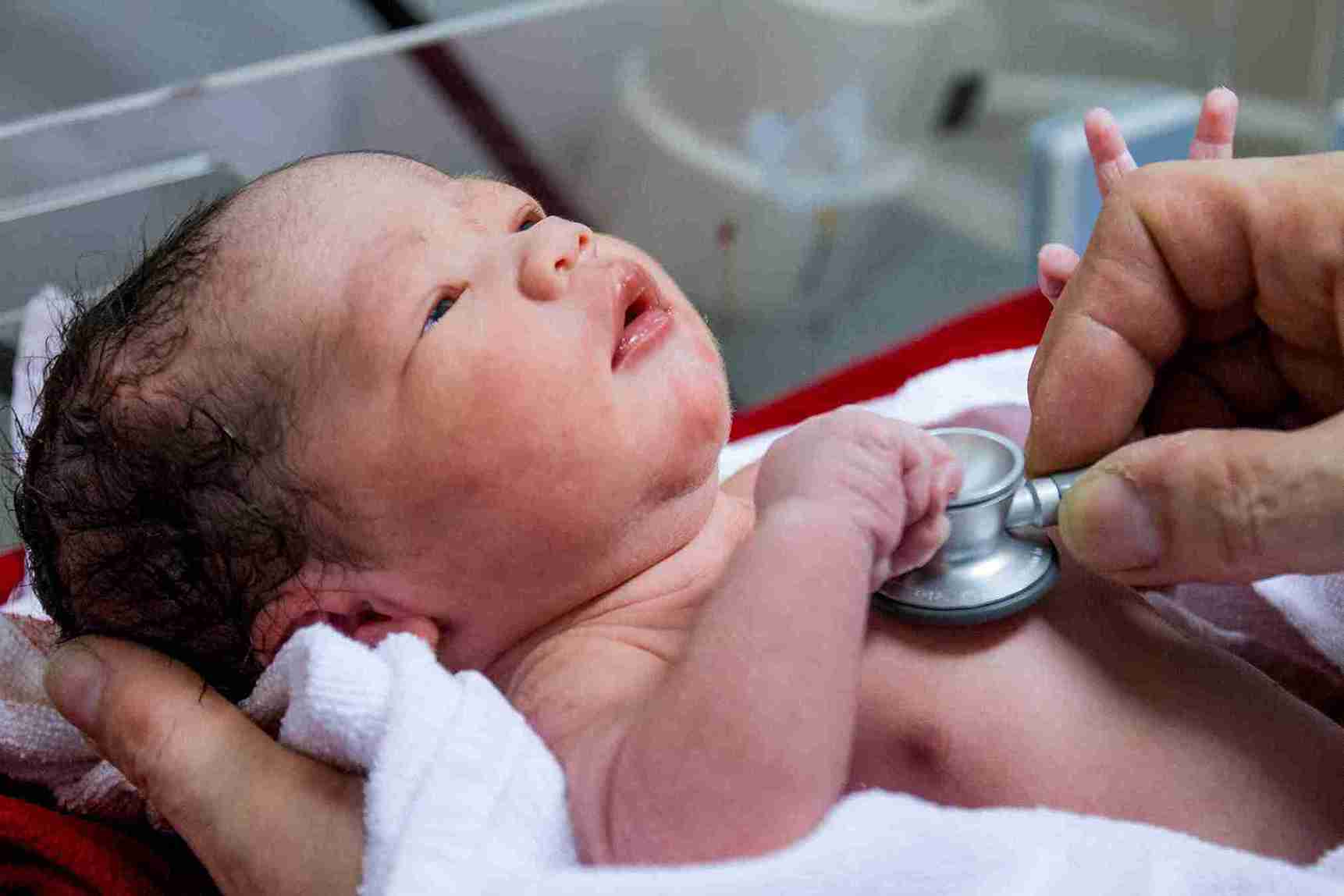
If you have ever seen a newborn lying under a blue glow in the hospital nursery, that is phototherapy. The baby is undressed and placed under special blue-spectrum lights with small eye pads to protect their vision. The light breaks down bilirubin in the skin so the body can clear it out naturally. It is safe and widely available across hospitals in India, and for mild to moderate cases, some paediatricians may arrange a home unit so the baby does not need to be admitted.
Reserved for very serious situations, this is when phototherapy alone is not bringing levels down fast enough. A small portion of the baby's blood is carefully replaced with donor blood to reduce bilirubin quickly. It is not common, but when it is needed, it is life-saving.
For breastfeeding jaundice, increasing the frequency of feeds is often all that is needed. More milk means more bowel movements, and bilirubin is cleared through the stool. If the mother's milk supply is still coming in, a lactation consultant can help during this period.
It is quite common for babies to be discharged while jaundice is still settling. If bilirubin levels were borderline or your baby arrived a little early, your paediatrician will probably want to see the baby again within 24 to 48 hours, so do not skip that visit even if things look fine at home.
Here is what to keep in mind during those first few days:

Newborn jaundice is far more common than many new parents realise, and for most babies, it is a passing phase that resolves with good feeding and a little time. What makes the difference is staying observant, attending follow-up appointments, and knowing which signs deserve a call to the doctor rather than a wait-and-watch approach. If your baby's skin looks yellow, do not dismiss it, but do not panic either. Get it checked, ask your questions, and trust the process. With the right monitoring and timely treatment for jaundice when needed, the vast majority of babies come through it without lasting effects.
Want to consult the best pediatrician in India? Please find the links below
best pediatrician in Bangalore
Best pediatrician in Chandigarh
best pediatrician in faridabad
best pediatrician in hyderabad
Best pediatrician in New Delhi
Best pediatrician in Panchkula
Best pediatrician in Ghaziabad

In most healthy, full-term babies, jaundice fades within one to two weeks without any treatment. In premature babies or those with breastfeeding challenges, it may last up to three weeks. If yellowing persists beyond this or seems to be worsening instead of improving, it is important to see a paediatrician for a proper bilirubin check.
Jaundice becomes dangerous when bilirubin levels rise very high and are left untreated. Warning signs include jaundice appearing in the first 24 hours of birth, spreading to the palms and feet, a baby who is difficult to wake, high-pitched crying, or yellowing that worsens after the first week. These signs need immediate medical attention to prevent serious complications.
Jaundice treatment depends on the severity. Mild cases are managed with frequent feeding and monitoring. Moderate to high bilirubin levels are treated with phototherapy, where the baby is placed under special blue lights that help break down bilirubin. In rare, severe cases, an exchange transfusion may be needed. Your paediatrician will recommend the right approach based on your baby's age and bilirubin levels.
Yes, newborn jaundice is very common and affects roughly 60% of full-term babies and up to 80% of premature babies in the first week of life. In most cases, it is a normal part of the newborn period and resolves without treatment. However, it still needs to be monitored closely, as some cases can become severe enough to require medical intervention.







 Best Gynecologists in Bellandur Best Gynecologists in Electronic City Best Gynecologists in HRBR LayoutBest Gynecologists in Jayanagar Best Gynecologists in Kanakapura RoadBest Gynecologists in Malleswaram Best Gynecologists in Nagarbhavi Best Gynecologists in Old Airport RoadBest Gynecologists in Sahakarnagar Best Gynecologists in Sarjapur RoadBest Gynecologists in ThanisandraBest Gynecologists in Varthur RoadBest Gynecologists in Whitefield Best Gynecologists in Industrial Area Phase IIBest Gynecologists in OMRBest Gynecologists in T NagarBest Gynecologists in New Industrial TownBest Gynecologists in IndirapuramBest Gynecologists in Golf Course RoadBest Gynecologists in Sector 14Best Gynecologists in Sector 47Best Gynecologists in Banjara HillsBest Gynecologists in GachibowliBest Gynecologists in Hitech CityBest Gynecologists in KompallyBest Gynecologists in Gomti NagarBest Gynecologists in MaladBest Gynecologists in NerulBest Gynecologists in VashiBest Gynecologists in Kailash ColonyBest Gynecologists in PatparganjBest Gynecologists in Punjabi BaghBest Gynecologists in VikaspuriBest Gynecologists in Gaur CityBest Gynecologists in Pari ChowkBest Gynecologists in Sector 51Best Gynecologists in Sector 5 Swastik ViharBest Gynecologists in Kalyani NagarBest Gynecologists in SB RoadBest Gynecologists in Pimple SaudagarBest Pediatricians in BellandurBest Pediatricians in Electronic CityBest Pediatricians in HRBR LayoutBest Pediatricians in JayanagarBest Pediatricians in Kanakapura RoadBest Pediatricians in MalleswaramBest Pediatricians in NagarbhaviBest Pediatricians in Old Airport RoadBest Pediatricians in SahakarnagarBest Pediatricians in Sarjapur RoadBest Pediatricians in ThanisandraBest Pediatricians in Varthur RoadBest Pediatricians in WhitefieldBest Pediatricians in Industrial Area Phase IIBest Pediatricians in OMRBest Pediatricians in T NagarBest Pediatricians in New Industrial TownshipBest Pediatricians in IndirapuramBest Pediatricians in Golf Course RoadBest Pediatricians in Sector 14Best Pediatricians in Sector 47Best Pediatricians in Hitech CityBest Pediatricians in Banjara HillsBest Pediatricians in GachibowliBest Pediatricians in KompallyBest Pediatricians in Gomti NagarBest Pediatricians in MaladBest Pediatricians in NerulBest Pediatricians in VashiBest Pediatricians in Kailash ColonyBest Pediatricians in PatparganjBest Pediatricians in Punjabi BaghBest Pediatricians in VikaspuriBest Pediatricians in Gaur CityBest Pediatricians in Pari ChowkBest Pediatricians in Sector 51Best Pediatricians in Sector 5 Swastik ViharBest Pediatricians in Kalyani NagarBest Pediatricians in SB RoadBest Pediatricians in Pimple Saudagar


