





Urinary tract infections (UTIs) are among the most common bacterial infections affecting children. They can involve the bladder, urethra, or kidneys and may occur at any age, from infancy through adolescence. While many UTIs are mild, delayed diagnosis or treatment can allow the infection to spread to the kidneys, increasing the risk of long-term complications. Recognising childhood UTI symptoms early and seeking timely care are essential.
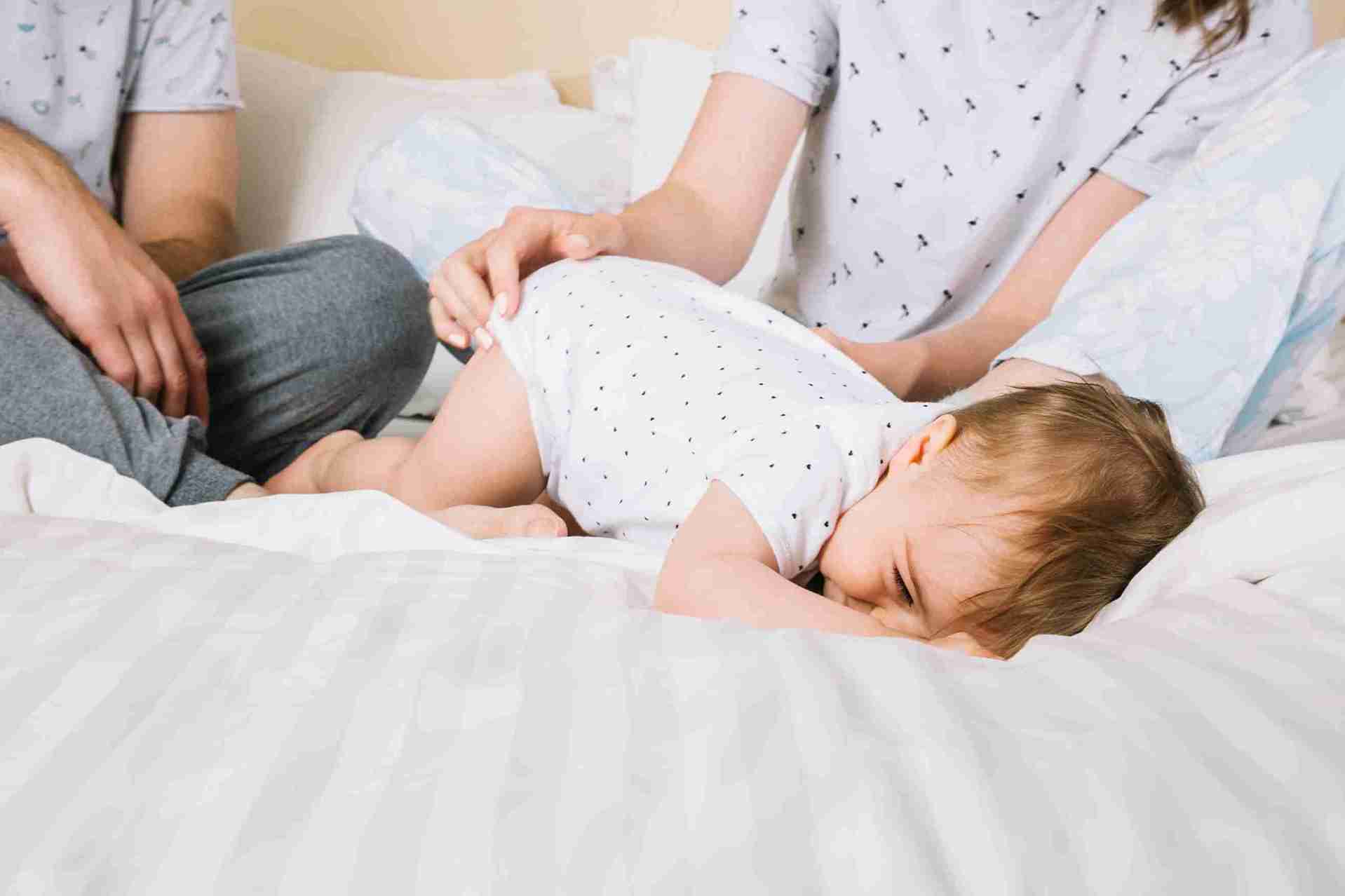
Paediatric UTI (urinary tract infection) can be described as a bacterial infection that occurs within any area of the urinary tract in children. Lower UTIs involve the bladder or urethra and usually cause urinary discomfort. Upper UTIs affect the kidneys (pyelonephritis) and are more serious, often causing fever and back pain.
The condition is caused by bacteria, such as E. coli, which come from the bowel and get into the urinary tract of the child.
Identifying UTI symptoms in children is not easy since they depend on age.
Infants may have nonspecific signs, including:
The following symptoms may occur in toddlers:
In older children, these signs and symptoms include:

Most UTIs in children are caused by the E. coli bacteria; however, other bacteria can also be responsible. There are various factors that put a child at increased risk of contracting the infection, such as poor toilet hygiene, retaining urine for a long time, constipation, incomplete bladder emptying, dehydration, and malformations of the urinary tract.
Children with vesicoureteral reflux (VUR), a condition wherein urine flows back into the kidneys, are at increased risk of repeated infections. Additionally, girls are more vulnerable due to the shorter length of the urethra, whereas infant boys who are not circumcised have a slightly increased risk during early infancy.
There are several risk factors for paediatric UTI that include:
Identification of these risk factors will help in minimising recurrences and management of UTIs.
The diagnosis starts with the patient’s medical history and a physical examination. Urine tests are performed to confirm the diagnosis if there is suspicion of a UTI.
Possible tests:
For different ages, urine tests differ in the following way:
Some children may also require imaging studies, particularly after recurrent infections or severe UTIs. These may include:
Imaging tests like kidney and bladder ultrasound may be ordered if recurrent infections or anatomical problems are suspected. In other cases, a VCUG or DMSA scan can be done.

It is determined by the age of the child and the severity of the infection symptoms, along with whether it affects the kidneys.
This usually entails:
Rechecking of urine samples in certain cases (repeated infections, etc.)
If promptly treated, the disease does not have any serious consequences.
Steps parents can take include:
At Cloudnine, children with urinary tract infections receive comprehensive, family-centred care from experienced paediatricians and paediatric specialists. From accurate diagnosis using age-appropriate urine collection techniques to evidence-based treatment and follow-up, every step is focused on ensuring your child's quick recovery while minimising the risk of recurrent infections,
A urinary tract infection can affect children of any age, but early recognition and timely treatment are key to preventing complications. Knowing the common childhood UTI symptoms, encouraging healthy bathroom habits, and seeking medical care when symptoms appear can help protect your child's urinary and kidney health. If your child develops a fever without a clear cause, painful urination, or recurrent UTIs, consult a paediatrician promptly for evaluation and appropriate treatment.

Want to consult the best pediatrician in India? Please find the links below

Most UTIs do not resolve on their own and usually require antibiotics. Delaying treatment can increase the risk of the infection spreading to the kidneys or causing other complications.
Conditions such as viral illnesses, constipation, vulvovaginitis, dehydration, bladder irritation, kidney stones, or dysfunctional voiding can cause symptoms similar to a UTI. A urine test is needed to confirm the diagnosis.
Symptoms vary with age but may include fever without an obvious cause, painful urination, frequent urination, foul-smelling urine, abdominal or back pain, vomiting, or new daytime wetting accidents.
Red flags include high fever in infants, vomiting, severe back or flank pain, blood in the urine, poor feeding, extreme lethargy, recurrent UTIs, or a child who appears very unwell. These symptoms require prompt medical evaluation.


 Best Gynecologists in Bellandur Best Gynecologists in Electronic City Best Gynecologists in HRBR LayoutBest Gynecologists in Jayanagar Best Gynecologists in Kanakapura RoadBest Gynecologists in Malleswaram Best Gynecologists in Nagarbhavi Best Gynecologists in Old Airport RoadBest Gynecologists in Sahakarnagar Best Gynecologists in Sarjapur RoadBest Gynecologists in ThanisandraBest Gynecologists in Varthur RoadBest Gynecologists in Whitefield Best Gynecologists in Industrial Area Phase IIBest Gynecologists in OMRBest Gynecologists in T NagarBest Gynecologists in New Industrial TownBest Gynecologists in IndirapuramBest Gynecologists in Golf Course RoadBest Gynecologists in Sector 14Best Gynecologists in Sector 47Best Gynecologists in Banjara HillsBest Gynecologists in GachibowliBest Gynecologists in Hitech CityBest Gynecologists in KompallyBest Gynecologists in Gomti NagarBest Gynecologists in MaladBest Gynecologists in NerulBest Gynecologists in VashiBest Gynecologists in Kailash ColonyBest Gynecologists in PatparganjBest Gynecologists in Punjabi BaghBest Gynecologists in VikaspuriBest Gynecologists in Gaur CityBest Gynecologists in Pari ChowkBest Gynecologists in Sector 51Best Gynecologists in Sector 5 Swastik ViharBest Gynecologists in Kalyani NagarBest Gynecologists in SB RoadBest Gynecologists in Pimple SaudagarBest Pediatricians in BellandurBest Pediatricians in Electronic CityBest Pediatricians in HRBR LayoutBest Pediatricians in JayanagarBest Pediatricians in Kanakapura RoadBest Pediatricians in MalleswaramBest Pediatricians in NagarbhaviBest Pediatricians in Old Airport RoadBest Pediatricians in SahakarnagarBest Pediatricians in Sarjapur RoadBest Pediatricians in ThanisandraBest Pediatricians in Varthur RoadBest Pediatricians in WhitefieldBest Pediatricians in Industrial Area Phase IIBest Pediatricians in OMRBest Pediatricians in T NagarBest Pediatricians in New Industrial TownshipBest Pediatricians in IndirapuramBest Pediatricians in Golf Course RoadBest Pediatricians in Sector 14Best Pediatricians in Sector 47Best Pediatricians in Hitech CityBest Pediatricians in Banjara HillsBest Pediatricians in GachibowliBest Pediatricians in KompallyBest Pediatricians in Gomti NagarBest Pediatricians in MaladBest Pediatricians in NerulBest Pediatricians in VashiBest Pediatricians in Kailash ColonyBest Pediatricians in PatparganjBest Pediatricians in Punjabi BaghBest Pediatricians in VikaspuriBest Pediatricians in Gaur CityBest Pediatricians in Pari ChowkBest Pediatricians in Sector 51Best Pediatricians in Sector 5 Swastik ViharBest Pediatricians in Kalyani NagarBest Pediatricians in SB RoadBest Pediatricians in Pimple Saudagar


