





Hand, Foot, and Mouth Disease (HFMD) is a common viral illness that primarily affects young children, particularly those under five years old. While it is generally mild and self-limiting, understanding HFMD can help parents recognize symptoms, manage care, and prevent its spread.

HFMD is caused by viruses from the enterovirus family, with coxsackievirus being the most common culprit. It spreads easily in settings like daycare centers and schools, making it prevalent during warmer months.
HFMD typically begins with mild symptoms that can progress to more noticeable signs. Common symptoms include:
Fever: Often the first symptom, typically low-grade.
Sore Throat: Discomfort may make it difficult for children to eat or drink.
Mouth Sores: Painful sores or ulcers develop in the mouth, usually on the tongue and inside the cheeks.
Rash: A red rash may appear on the hands, feet, and sometimes the buttocks. The rash can sometimes blister but generally does not itch.
Loss of Appetite: Due to mouth sores and general discomfort.
Symptoms usually last about 7 to 10 days, and most children recover without complications.
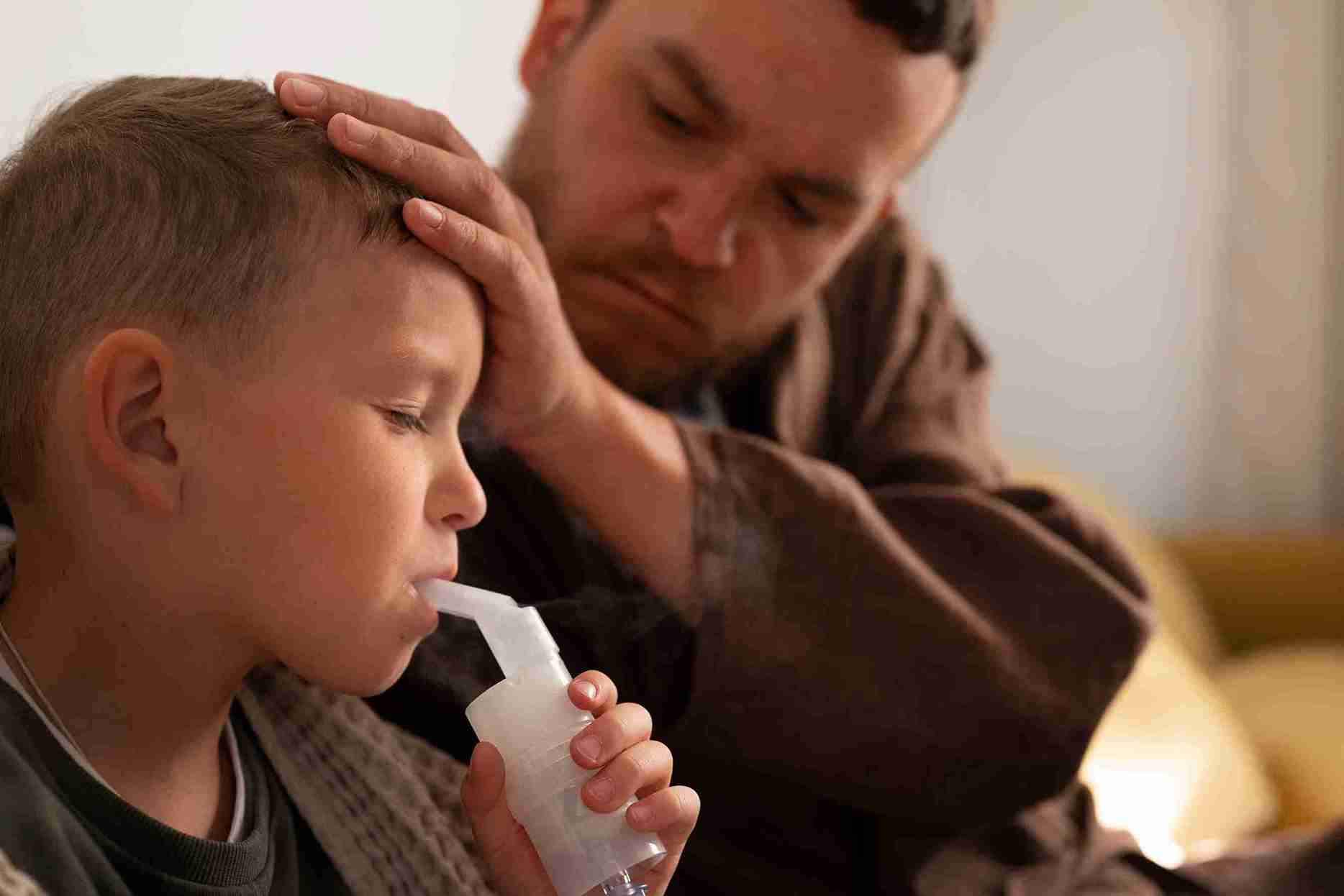
While HFMD is usually mild, parents should consult a healthcare provider if:
High Fever Persists: A fever exceeding 101°F (38.3°C) that does not respond to medication.
Severe Pain: If your child is in significant pain or discomfort, particularly due to mouth sores.
Dehydration Signs: Look for symptoms like dry mouth, no tears when crying, or infrequent urination.
Unusual Symptoms: If your child experiences severe headaches or other unusual symptoms.
Although HFMD typically resolves on its own, supportive care can help alleviate symptoms:
1. Hydration: Ensure your child drinks plenty of fluids. Offer water, diluted fruit juices, or oral rehydration solutions to prevent dehydration.
2. Pain Relief: Use age-appropriate pain relievers such as acetaminophen or ibuprofen to reduce fever and discomfort. Avoid aspirin in children due to the risk of Reye’s syndrome.
3. Soft Foods: Offer soft, bland foods that are easier to swallow, such as yogurt, applesauce, or smoothies. Avoid spicy or acidic foods that can irritate mouth sores.
4. Rest: Encourage your child to rest to help their body recover.
Preventive measures are key to reducing the risk of HFMD, especially in communal settings:
1. Hand Hygiene: Teach your child the importance of washing hands frequently with soap and water, particularly after using the bathroom and before meals.
2. Avoid Close Contact: Limit your child’s interactions with infected individuals. HFMD is contagious even before symptoms appear and during the first week of illness.
3. Disinfect Surfaces: Regularly clean and disinfect toys, doorknobs, and other frequently touched surfaces to reduce the risk of spreading the virus.
4. Stay Home When Sick: Keep your child home from school or daycare if they exhibit symptoms to prevent spreading the infection to others.

Hand, Foot, and Mouth Disease is a common viral illness that, while generally mild, can cause discomfort for children. Understanding its symptoms, management strategies, and prevention methods can empower parents to navigate this condition effectively. If you have concerns about HFMD or your child’s health, always consult with a healthcare provider for personalized advice and care. With proper awareness and proactive measures, you can help keep your child healthy and safe.
Want to consult the best pediatrician in India? Please find the links below

No! HFMD is an abbreviation of Hand, Foot, and Mouth Disease, a common condition seen in babies and young children. Known to be contagious, this disease is not life-threatening as it heals on its own within a week. It is caused by coxsackievirus, one of the common viruses from the enterovirus family. It spreads during warmer months, mostly in pre-school settings.
Medical findings reveal that HFMD among younger children is found highly contagious during the first 7-10 days. This is an average figure, but the virus can spread through respiratory droplets for three weeks. It lives in stools for many weeks. Prolonged HFMD symptoms need immediate attention.
Home care is required to manage HFMD, which can lead to high fever, a sore and blistered mouth, and dehydration. It is advisable to give children plenty of water and diluted fruit juices to prevent any sort of dehydration. It is important to consume soft foods such as yoghurt and smoothies because they are easy to swallow. The consumption of spicy and acidic foods should be avoided.
Yes! Adults too can get HFMD from their children either at home or at their child’s school. Generally, the disease goes unnoticed in adults. Parents of school-going children may observe the same HFMD symptoms as children. Though they may have mild symptoms, they can still pass on to others in the home or workplace.


 Best Gynecologists in Bellandur Best Gynecologists in Electronic City Best Gynecologists in HRBR LayoutBest Gynecologists in Jayanagar Best Gynecologists in Kanakapura RoadBest Gynecologists in Malleswaram Best Gynecologists in Nagarbhavi Best Gynecologists in Old Airport RoadBest Gynecologists in Sahakarnagar Best Gynecologists in Sarjapur RoadBest Gynecologists in ThanisandraBest Gynecologists in Varthur RoadBest Gynecologists in Whitefield Best Gynecologists in Industrial Area Phase IIBest Gynecologists in OMRBest Gynecologists in T NagarBest Gynecologists in New Industrial TownBest Gynecologists in IndirapuramBest Gynecologists in Golf Course RoadBest Gynecologists in Sector 14Best Gynecologists in Sector 47Best Gynecologists in Banjara HillsBest Gynecologists in GachibowliBest Gynecologists in Hitech CityBest Gynecologists in KompallyBest Gynecologists in Gomti NagarBest Gynecologists in MaladBest Gynecologists in NerulBest Gynecologists in VashiBest Gynecologists in Kailash ColonyBest Gynecologists in PatparganjBest Gynecologists in Punjabi BaghBest Gynecologists in VikaspuriBest Gynecologists in Gaur CityBest Gynecologists in Pari ChowkBest Gynecologists in Sector 51Best Gynecologists in Sector 5 Swastik ViharBest Gynecologists in Kalyani NagarBest Gynecologists in SB RoadBest Gynecologists in Pimple SaudagarBest Pediatricians in BellandurBest Pediatricians in Electronic CityBest Pediatricians in HRBR LayoutBest Pediatricians in JayanagarBest Pediatricians in Kanakapura RoadBest Pediatricians in MalleswaramBest Pediatricians in NagarbhaviBest Pediatricians in Old Airport RoadBest Pediatricians in SahakarnagarBest Pediatricians in Sarjapur RoadBest Pediatricians in ThanisandraBest Pediatricians in Varthur RoadBest Pediatricians in WhitefieldBest Pediatricians in Industrial Area Phase IIBest Pediatricians in OMRBest Pediatricians in T NagarBest Pediatricians in New Industrial TownshipBest Pediatricians in IndirapuramBest Pediatricians in Golf Course RoadBest Pediatricians in Sector 14Best Pediatricians in Sector 47Best Pediatricians in Hitech CityBest Pediatricians in Banjara HillsBest Pediatricians in GachibowliBest Pediatricians in KompallyBest Pediatricians in Gomti NagarBest Pediatricians in MaladBest Pediatricians in NerulBest Pediatricians in VashiBest Pediatricians in Kailash ColonyBest Pediatricians in PatparganjBest Pediatricians in Punjabi BaghBest Pediatricians in VikaspuriBest Pediatricians in Gaur CityBest Pediatricians in Pari ChowkBest Pediatricians in Sector 51Best Pediatricians in Sector 5 Swastik ViharBest Pediatricians in Kalyani NagarBest Pediatricians in SB RoadBest Pediatricians in Pimple Saudagar


