





Your baby finally falls asleep, and then the coughing begins. It's a situation that worries many parents, especially when the cough seems worse at night than during the day. In many cases, baby cough at night is linked to common conditions such as a cold or nasal congestion and improves as your baby recovers. However, because babies are still developing their immune and respiratory systems, it's important to know when a cough is simply uncomfortable and when it needs medical attention.
This guide explains the common causes of a baby's cough at night, how you can help your baby feel more comfortable, and the signs that mean it's time to seek professional advice.
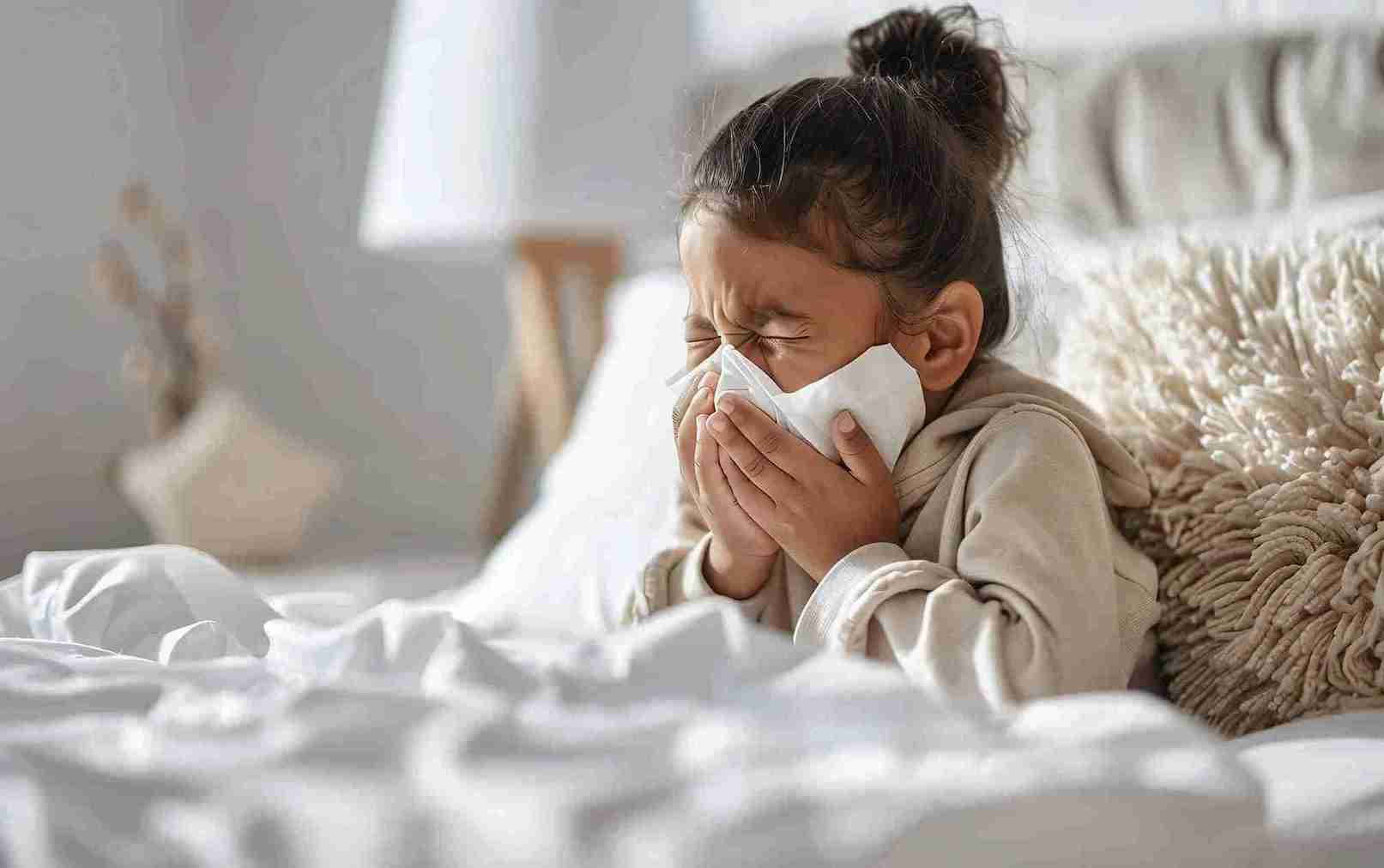
It's common for babies to cough more once they're lying down. When the baby is asleep, nasal mucus can get stuck at the back of the throat. It does not drain out easily like it is supposed to. This can make the baby cough because the body is trying to get rid of the material blocking the airways. The baby has small airways, so even a little bit of mucus can make the baby cough a lot. The baby will cough more often than older kids because their airways are smaller.
Dry indoor air, seasonal viral infections and mild irritation of the airways can also make baby coughing at night seem more frequent. Although the cough may sound worse after bedtime, it doesn't always mean the illness itself is becoming more serious.
Not always. Baby coughing at night is often associated with mild viral infections, temporary nasal congestion or irritation of the airways. In many babies, the cough gradually improves as the underlying illness settles.
When your baby is coughing, look at the baby's overall condition. If your baby is eating well, breathing easily, has wet nappies, and is alert when awake, then the cough is probably not due to something serious. But your baby should be checked if they are having trouble breathing, not eating much, or sleeping more than usual.
Several conditions can make a baby cough at night. You can also ask the doctor about things you can do at home to help your baby.
Common Cold
The common cold is one of the most frequent reasons babies develop a cough. Along with coughing, your baby may have a blocked nose, a mild fever, or be a little more unsettled than usual.
Nasal Congestion
Young babies breathe mainly through their noses. When their nose gets blocked by mucus, some of it can trickle into the throat when they lie down, triggering coughing during sleep.
Post-Nasal Drip
As mucus drains down the back of the throat, it can irritate the airway and stimulate the cough reflex. This is one reason coughing may become more noticeable at bedtime.
Viral Respiratory Infections
Viruses affecting the airways can cause inflammation, leading to coughing that may persist for several days, even after other cold symptoms have begun to improve.
Reflux
Some babies experience reflux, where milk flows back into the food pipe after feeds. In some cases, this can irritate the throat and contribute to coughing, particularly when lying down.
Environmental Irritants
Exposure to cigarette smoke, dust, strong perfumes, or room fresheners can irritate a baby's sensitive airways and worsen coughing.

Not every cough sounds the same, and the type of cough may provide useful clues about what's happening. However, the sound of a cough alone isn't enough to identify the cause.
A dry cough often sounds tickly and may occur with viral infections or airway irritation. A wet or chesty cough may suggest mucus in the airways. A barking cough has a harsh, seal-like sound and can occur with conditions such as croup, which may need medical assessment depending on the severity of symptoms.
While the sound of a cough can provide helpful information, your baby's age, breathing, feeding and overall condition are equally important when deciding whether medical care is needed.
If your baby has a mild cough but still feels comfortable, a few small changes may help them rest more easily.
Keep Your Baby Well Hydrated
Continue breastfeeding or formula feeding as usual. Offering feeds regularly helps keep your baby hydrated and may soothe an irritated throat.
Use Saline Nasal Drops if Needed
If your baby's nose is blocked, saline nasal drops can help to loosen the mucus. For younger babies, the doctor may suggest using a nasal aspirator after putting in the saline drops. This helps to clear the nose before feeds or bedtime.
Maintain a Comfortable Room Environment
Keep the room at a comfortable temperature and avoid exposing your baby to cigarette smoke, incense, room fresheners or strong perfumes, as these can irritate sensitive airways.
Hold Your Baby Upright After Feeds
If your baby has reflux or spits up frequently, holding them upright for a short time after feeds may help reduce throat irritation.
However, always place your baby flat on their back on a firm, flat sleep surface when it's time to sleep. Pillows, wedges and sleep positioners are not recommended for babies because they increase the risk of sleep-related accidents.
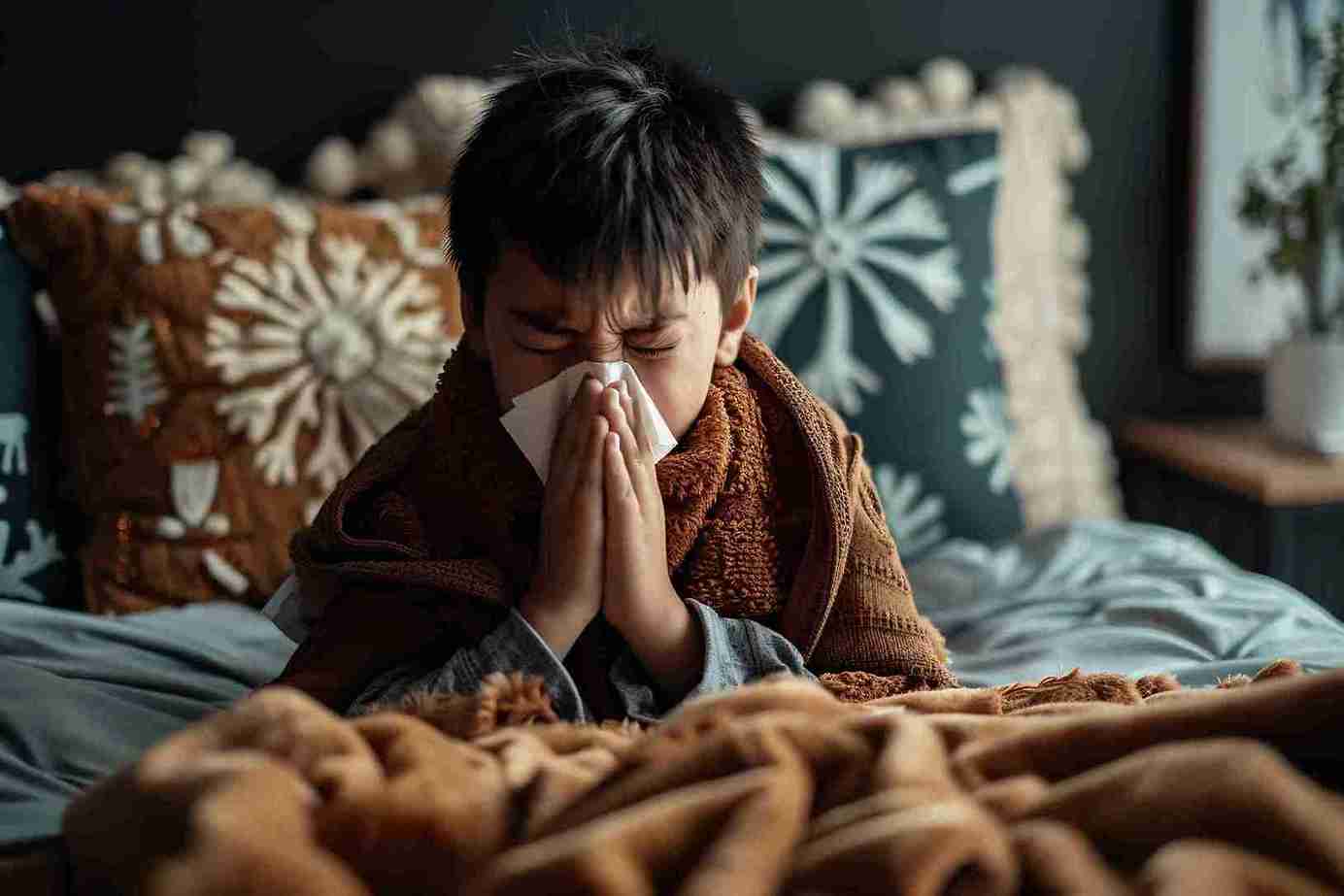
If your baby's cough is worse at night but seems to improve during the day, you're not alone. This is a common pattern with colds and nasal congestion. This often happens because lying flat allows mucus to collect at the back of the throat, triggering the cough reflex. During the day, feeding, movement and spending more time upright help mucus drain more easily.
This is a common pattern with colds and nasal congestion. Even then, if the cough is more frequent, interferes with feeding or is accompanied by breathing difficulties, it should be assessed by a healthcare professional.
When your baby has a cough, it's understandable to want quick relief. However, some commonly used remedies are either ineffective or unsafe for babies under 12 months.
Avoid:
When in doubt, it's always safer to choose supportive care and seek medical advice rather than trying unproven home remedies.
Most coughs improve with time, but some symptoms need prompt medical attention.
Seek medical care immediately if your baby:
Trust your instincts as a parent. If your baby seems unusually unwell, it's always appropriate to seek medical advice.
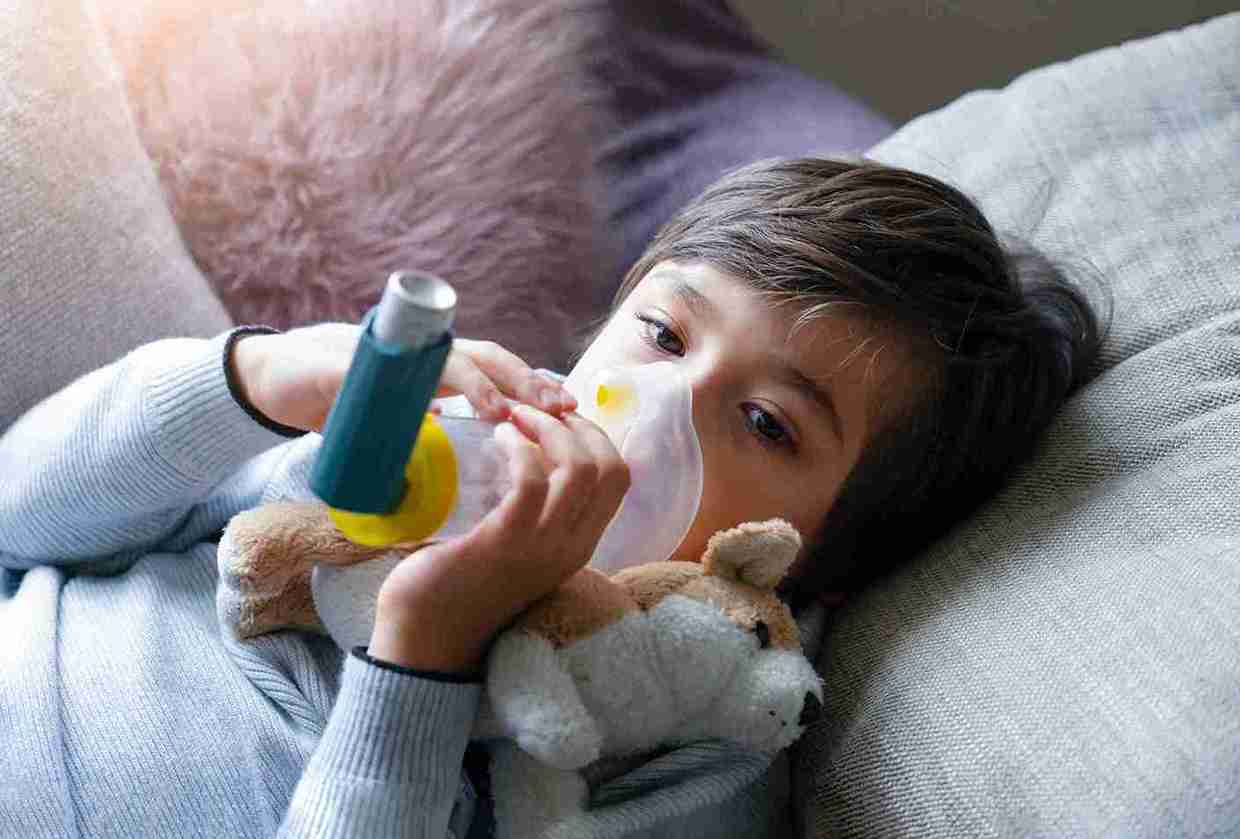
Usually, no. A baby cough at night on its own doesn't mean your baby has asthma. Diagnosing asthma in babies can be challenging because many common childhood illnesses also cause coughing and noisy breathing.
If your baby has repeated episodes of coughing, wheezing, breathing difficulties or symptoms that keep returning, your healthcare provider may recommend further assessment to understand the cause.
Before bedtime, ask yourself:
✔ Is my baby feeding as usual?
✔ Is my baby's breathing comfortable?
✔ Have I cleared a blocked nose if needed?
✔ Is the sleep environment smoke-free and safe?
✔ Does my baby have any warning signs that need medical attention?
Most babies with a mild cough begin to improve as the underlying illness resolves. During this time, keeping your baby comfortable and well hydrated, and following safe sleep practices, can make a real difference.
Remember that the cough is often the body's way of clearing the airways. While it can sound worrying, looking at your baby's breathing, feeding and overall behaviour gives a much clearer picture of how unwell they are than the cough alone.

Want to consult the Best Pediatrician in India? Please find the links below

Babies often cough more at night because mucus can collect at the back of the throat when they lie flat. This triggers the cough reflex as the body tries to keep the airways clear. Dry air, nasal congestion and viral infections can also make coughing more noticeable during sleep.
Keeping your baby comfortable and well hydrated is usually the best approach. Continue regular feeds, use saline nasal drops if the nose is blocked and keep the room free from smoke and other irritants. Always follow safe sleep guidance by placing your baby flat on their back to sleep.
Your baby should be assessed if they have breathing difficulties, poor feeding, persistent fever, or seem unusually sleepy or unwell. A cough that is getting worse, lasts longer than expected or is accompanied by concerning symptoms also needs medical evaluation. If you're ever unsure, it's safest to seek professional advice.
Not usually. A cough at night alone is not enough to diagnose asthma, especially in babies under one year. If your baby has repeated coughing, wheezing or ongoing breathing problems, further assessment may be needed to identify the cause.


 Best Gynecologists in Bellandur Best Gynecologists in Electronic City Best Gynecologists in HRBR LayoutBest Gynecologists in Jayanagar Best Gynecologists in Kanakapura RoadBest Gynecologists in Malleswaram Best Gynecologists in Nagarbhavi Best Gynecologists in Old Airport RoadBest Gynecologists in Sahakarnagar Best Gynecologists in Sarjapur RoadBest Gynecologists in ThanisandraBest Gynecologists in Varthur RoadBest Gynecologists in Whitefield Best Gynecologists in Industrial Area Phase IIBest Gynecologists in OMRBest Gynecologists in T NagarBest Gynecologists in New Industrial TownBest Gynecologists in IndirapuramBest Gynecologists in Golf Course RoadBest Gynecologists in Sector 14Best Gynecologists in Sector 47Best Gynecologists in Banjara HillsBest Gynecologists in GachibowliBest Gynecologists in Hitech CityBest Gynecologists in KompallyBest Gynecologists in Gomti NagarBest Gynecologists in MaladBest Gynecologists in NerulBest Gynecologists in VashiBest Gynecologists in Kailash ColonyBest Gynecologists in PatparganjBest Gynecologists in Punjabi BaghBest Gynecologists in VikaspuriBest Gynecologists in Gaur CityBest Gynecologists in Pari ChowkBest Gynecologists in Sector 51Best Gynecologists in Sector 5 Swastik ViharBest Gynecologists in Kalyani NagarBest Gynecologists in SB RoadBest Gynecologists in Pimple SaudagarBest Pediatricians in BellandurBest Pediatricians in Electronic CityBest Pediatricians in HRBR LayoutBest Pediatricians in JayanagarBest Pediatricians in Kanakapura RoadBest Pediatricians in MalleswaramBest Pediatricians in NagarbhaviBest Pediatricians in Old Airport RoadBest Pediatricians in SahakarnagarBest Pediatricians in Sarjapur RoadBest Pediatricians in ThanisandraBest Pediatricians in Varthur RoadBest Pediatricians in WhitefieldBest Pediatricians in Industrial Area Phase IIBest Pediatricians in OMRBest Pediatricians in T NagarBest Pediatricians in New Industrial TownshipBest Pediatricians in IndirapuramBest Pediatricians in Golf Course RoadBest Pediatricians in Sector 14Best Pediatricians in Sector 47Best Pediatricians in Hitech CityBest Pediatricians in Banjara HillsBest Pediatricians in GachibowliBest Pediatricians in KompallyBest Pediatricians in Gomti NagarBest Pediatricians in MaladBest Pediatricians in NerulBest Pediatricians in VashiBest Pediatricians in Kailash ColonyBest Pediatricians in PatparganjBest Pediatricians in Punjabi BaghBest Pediatricians in VikaspuriBest Pediatricians in Gaur CityBest Pediatricians in Pari ChowkBest Pediatricians in Sector 51Best Pediatricians in Sector 5 Swastik ViharBest Pediatricians in Kalyani NagarBest Pediatricians in SB RoadBest Pediatricians in Pimple Saudagar


