
Most women know that menopause brings hot flushes, sleep changes, and mood shifts. Far fewer know that it also marks the beginning of the fastest period of bone loss in a woman's life. In the 5-7 years after the last period, a woman can lose up to 20% of her bone density. That loss is largely silent; there is no pain, no visible sign until a fracture happens.
Bone density after menopause is one of the most important, but least discussed aspects of women's long-term health. Osteoporosis affects a significant proportion of Indian women over 60. The good news is that it is largely preventable, or at least significantly manageable, with the right approach started early enough.
Oestrogen does more than regulate the menstrual cycle. It plays a direct role in maintaining bone density by slowing the natural breakdown of bone. The body continuously remodels bone; old bone is broken down by cells called osteoclasts and new bone is built by cells called osteoblasts. Oestrogen keeps this process balanced, favouring bone formation.
When oestrogen levels fall at menopause, the brakes on bone breakdown are released. Osteoclast activity increases, bone is broken down faster than it is built, and the net result is a loss of bone density. This process is fastest in the first few years after menopause and then slows, but never fully stops.
Calcium is the main mineral in bone. After menopause, the recommended calcium intake increases because the gut absorbs calcium less efficiently and urinary calcium loss increases. Postmenopausal women need 1,200 mg of calcium per day.
Most Indian women get far less than this through diet alone. Good dietary sources of calcium include:
For women who cannot meet the 1,200 mg target through diet, a calcium supplement fills the gap. Calcium citrate is better absorbed and is the preferred option for women over 50.
Important: Calcium supplements should be taken in divided doses of no more than 500 mg at a time, as the body cannot absorb large amounts at once. They should not be taken at the same time as iron supplements.
Calcium needs vitamin D to be absorbed from the gut into the bloodstream. Without enough vitamin D, even a high calcium intake achieves very little.
Vitamin D and menopause are closely linked; vitamin D deficiency is extremely common in Indian women. After menopause, the kidneys also become less efficient at converting vitamin D into its active form. This means even women with borderline-adequate vitamin D may not have enough of the active form to support bone health.
The recommended vitamin D intake for postmenopausal women is 800-1000 IU per day. A blood test measuring 25-hydroxyvitamin D confirms whether the level is sufficient.
Food sources of vitamin D - egg yolks, fatty fish, and fortified foods are limited and usually insufficient alone. Supplementation is the practical solution for most Indian women.
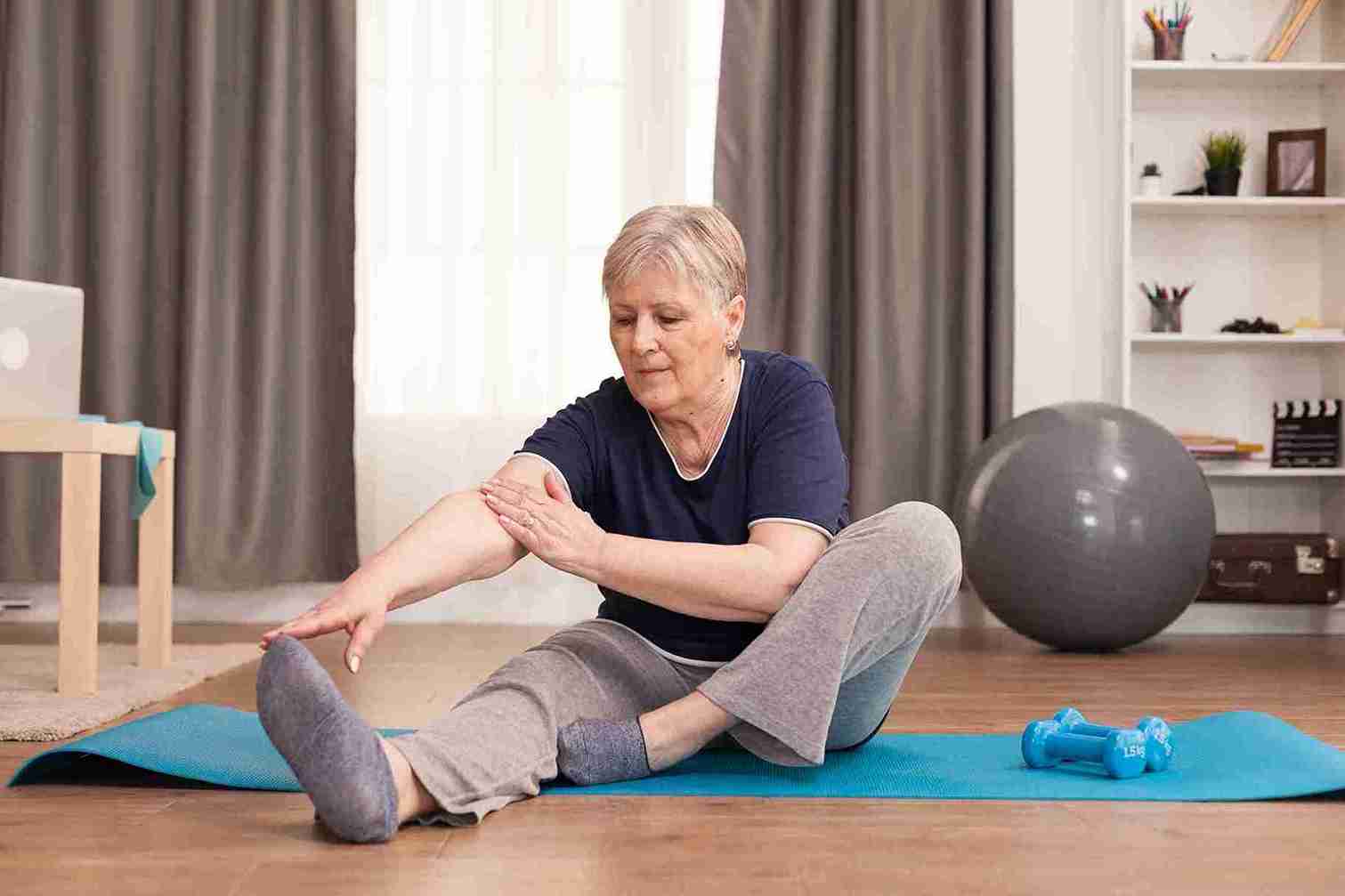
Bone is living tissue and responds to mechanical load. When bones are stressed by weight-bearing activity, osteoblasts are stimulated to build new bone. This is why exercise is not optional in menopause bone health tips; it is one of the most direct ways to slow bone loss.
Weight-bearing exercise - any activity where you support your own body weight against gravity is the most effective type. Walking, climbing stairs, dancing, and jogging all count. These are accessible to most women and can be done without a gym.
Resistance or strength training - lifting weights or using resistance bands adds load to the skeleton beyond bodyweight alone. Research consistently shows that strength training improves bone density in postmenopausal women, particularly in the spine and hips, the two most fracture-prone sites. Even simple exercises using 1 to 2 kg dumbbells, done two to three times a week, make a measurable difference over months.
Balance exercises - yoga and tai chi improve balance and coordination, which reduces the risk of falls. Falls are the main cause of fractures in older women; a bone that might not fracture under normal load can fracture during a fall. Preventing the fall matters as much as strengthening the bone.
Walking alone is helpful but not sufficient. A combination of walking, some form of resistance exercise, and balance training gives the best bone protection.
A bone density scan (DEXA scan) measures bone mineral density and identifies whether bone density is normal, reduced (osteopenia), or significantly reduced (osteoporosis). Results are reported as a T-score. The DEXA scan is widely available in private diagnostic centres across Indian cities and does not involve any injections or preparation.
For women with significantly low bone density or who have already had a fracture, lifestyle measures alone are not enough. Medications that slow bone breakdown, bisphosphonates, are effective and widely used. They are usually taken weekly as a tablet and are the first-line medical treatment for osteoporosis.
Hormone replacement therapy (HRT) also protects bone density but is used primarily for other menopausal symptoms; bone protection is a secondary benefit. The decision about HRT involves weighing broader benefits and risks and should be made with a gynaecologist.
Bone loss after menopause is real and significant, but it is not inevitable that it leads to fractures. Calcium for menopausal women, vitamin D, appropriate exercise, and regular monitoring build a practical, evidence-based defence. Start early, stay consistent, and treat bone health as a long-term priority, not something to address only after a fracture has already happened.

Want to consult the best gynecologists in India? Please find the links below.
Want to consult the best Maternity Packages in India? Please find the links below.

Full prevention is not always possible, but the rate of bone loss can be slowed significantly with the right steps. Adequate calcium for menopausal women, vitamin D supplementation, regular weight-bearing and resistance exercise, and avoiding smoking all make a meaningful difference. For women with already low bone density, medication alongside lifestyle changes offers the strongest protection. Starting before fractures occur is always more effective than treating after.
All postmenopausal women over 65 should have a DEXA scan. Women between 50 and 65 with risk factors like early menopause, family history of osteoporosis, low body weight, previous fragility fracture, or long-term steroid use should have one earlier. If the scan is normal and risk is low, repeating every three to five years is reasonable. Women on treatment for osteoporosis are usually rescanned every 1-2 years to monitor response.
Bone density after menopause declines without any symptoms; most women have no pain or obvious signs until a fracture happens. The first indication is often a fracture from a minor fall or even from a sneeze or cough in severe cases. Height loss over time and a stooping posture can indicate vertebral compression fractures that have occurred silently. This is why bone density testing matters; it finds the problem before the fracture.
Walking helps and is better than no weight-bearing activity. But walking alone is not enough to maintain or improve bone density after menopause. Resistance training like lifting light weights, using resistance bands, or bodyweight exercises adds mechanical load to the skeleton that walking does not provide. A combination of daily walking,







 Best Gynecologists in Bellandur Best Gynecologists in Electronic City Best Gynecologists in HRBR LayoutBest Gynecologists in Jayanagar Best Gynecologists in Kanakapura RoadBest Gynecologists in Malleswaram Best Gynecologists in Nagarbhavi Best Gynecologists in Old Airport RoadBest Gynecologists in Sahakarnagar Best Gynecologists in Sarjapur RoadBest Gynecologists in ThanisandraBest Gynecologists in Varthur RoadBest Gynecologists in Whitefield Best Gynecologists in Industrial Area Phase IIBest Gynecologists in OMRBest Gynecologists in T NagarBest Gynecologists in New Industrial TownBest Gynecologists in IndirapuramBest Gynecologists in Golf Course RoadBest Gynecologists in Sector 14Best Gynecologists in Sector 47Best Gynecologists in Banjara HillsBest Gynecologists in GachibowliBest Gynecologists in Hitech CityBest Gynecologists in KompallyBest Gynecologists in Gomti NagarBest Gynecologists in MaladBest Gynecologists in NerulBest Gynecologists in VashiBest Gynecologists in Kailash ColonyBest Gynecologists in PatparganjBest Gynecologists in Punjabi BaghBest Gynecologists in VikaspuriBest Gynecologists in Gaur CityBest Gynecologists in Pari ChowkBest Gynecologists in Sector 51Best Gynecologists in Sector 5 Swastik ViharBest Gynecologists in Kalyani NagarBest Gynecologists in SB RoadBest Gynecologists in Pimple SaudagarBest Pediatricians in BellandurBest Pediatricians in Electronic CityBest Pediatricians in HRBR LayoutBest Pediatricians in JayanagarBest Pediatricians in Kanakapura RoadBest Pediatricians in MalleswaramBest Pediatricians in NagarbhaviBest Pediatricians in Old Airport RoadBest Pediatricians in SahakarnagarBest Pediatricians in Sarjapur RoadBest Pediatricians in ThanisandraBest Pediatricians in Varthur RoadBest Pediatricians in WhitefieldBest Pediatricians in Industrial Area Phase IIBest Pediatricians in OMRBest Pediatricians in T NagarBest Pediatricians in New Industrial TownshipBest Pediatricians in IndirapuramBest Pediatricians in Golf Course RoadBest Pediatricians in Sector 14Best Pediatricians in Sector 47Best Pediatricians in Hitech CityBest Pediatricians in Banjara HillsBest Pediatricians in GachibowliBest Pediatricians in KompallyBest Pediatricians in Gomti NagarBest Pediatricians in MaladBest Pediatricians in NerulBest Pediatricians in VashiBest Pediatricians in Kailash ColonyBest Pediatricians in PatparganjBest Pediatricians in Punjabi BaghBest Pediatricians in VikaspuriBest Pediatricians in Gaur CityBest Pediatricians in Pari ChowkBest Pediatricians in Sector 51Best Pediatricians in Sector 5 Swastik ViharBest Pediatricians in Kalyani NagarBest Pediatricians in SB RoadBest Pediatricians in Pimple Saudagar


