
Screens have become part of everyday childhood. From online learning and homework to cartoons, video calls and games, children today spend more time looking at digital devices than ever before. It's no surprise that many parents are asking the all-important question: Is all this screen time harming my child's eyes?
A common concern is blue light exposure. You've probably seen advertisements for blue light-blocking glasses, or read articles warning about the dangers of excessive screen exposure. But how much of it is backed by science?
The short answer is this: blue light isn't the whole story. While blue light exposure in children is important to understand, the more significant issue is the way screens are used and the impact that extended screen time can have on children's eye health, sleep, and overall well-being.
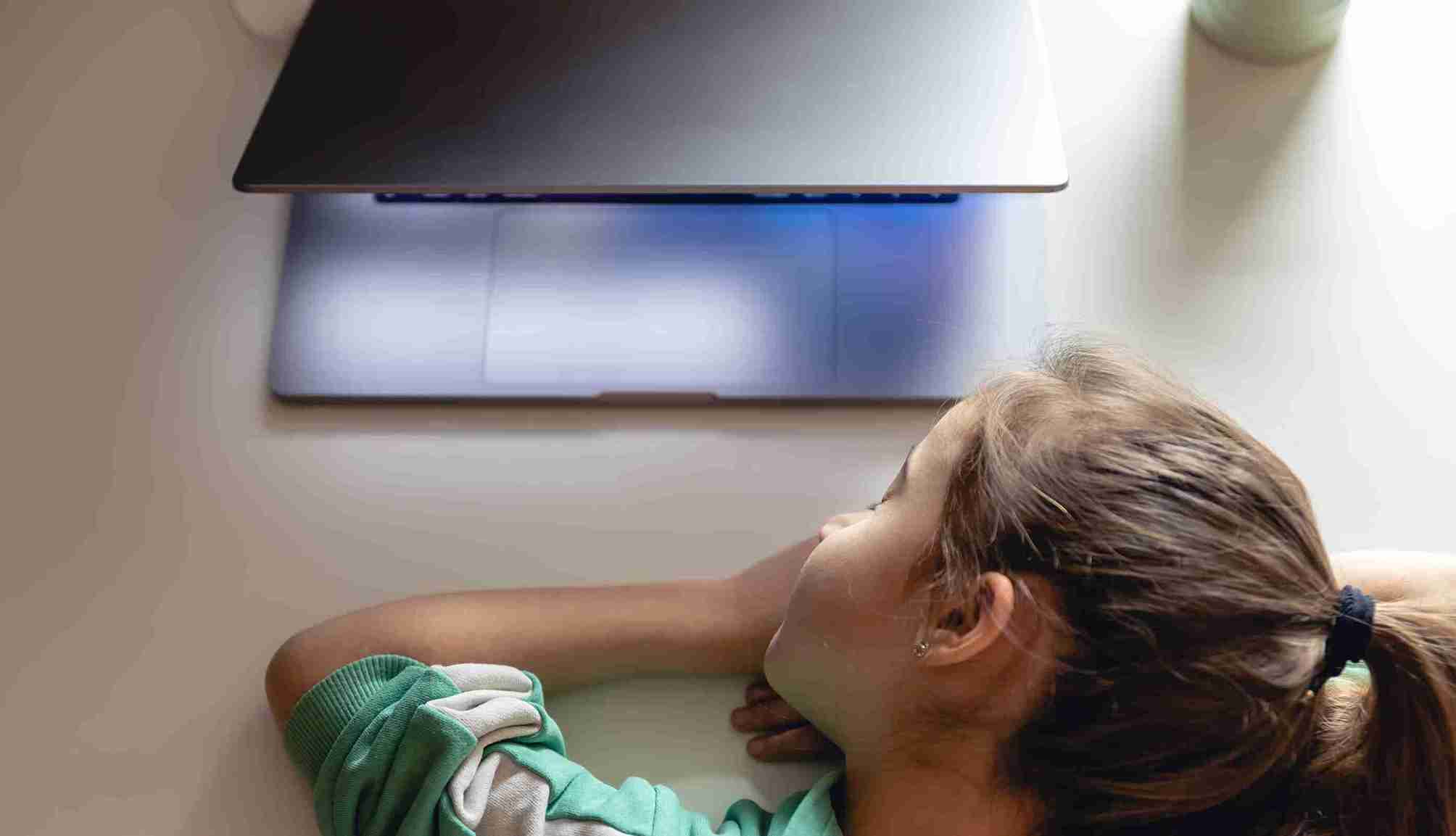
Not in the way many people think. Blue light is a type of visible light that's present naturally in sunlight. Digital devices such as phones, tablets, televisions and computers also emit blue light, but in much smaller amounts than the sun.
So, does that mean screens are damaging children's eyes? Current research suggests that the amount of blue light from everyday digital devices does not cause permanent damage to healthy eyes. That's reassuring for parents. However, that doesn't mean unlimited screen time is harmless. When children spend long periods staring at screens without breaks, they blink less often and keep their eyes focused at a short distance for extended periods. This discomfort is usually due to prolonged screen use rather than blue light itself.
In other words, when people talk about the blue light effects on children's eyes, they're often describing the effects of prolonged screen use rather than blue light alone.
If you’ve seen your child rub their eyes after watching videos or using a tablet for a long time, it’s not just your imagination. Extended screen use can lead to digital eye strain in kids, sometimes called computer vision syndrome. It's a temporary condition caused because of how our eyes function when focusing on digital screens for long periods.
Several factors contribute to it:
The good news is that digital eye strain usually improves with regular breaks and healthier screen habits.
The signs can be subtle, particularly in younger children who might not recognize when their eyes are tired.
Some common symptoms include:
Most of these symptoms improve once screen time is reduced or regular breaks are introduced. If symptoms persist despite these adjustments, consult your child's eye specialist.
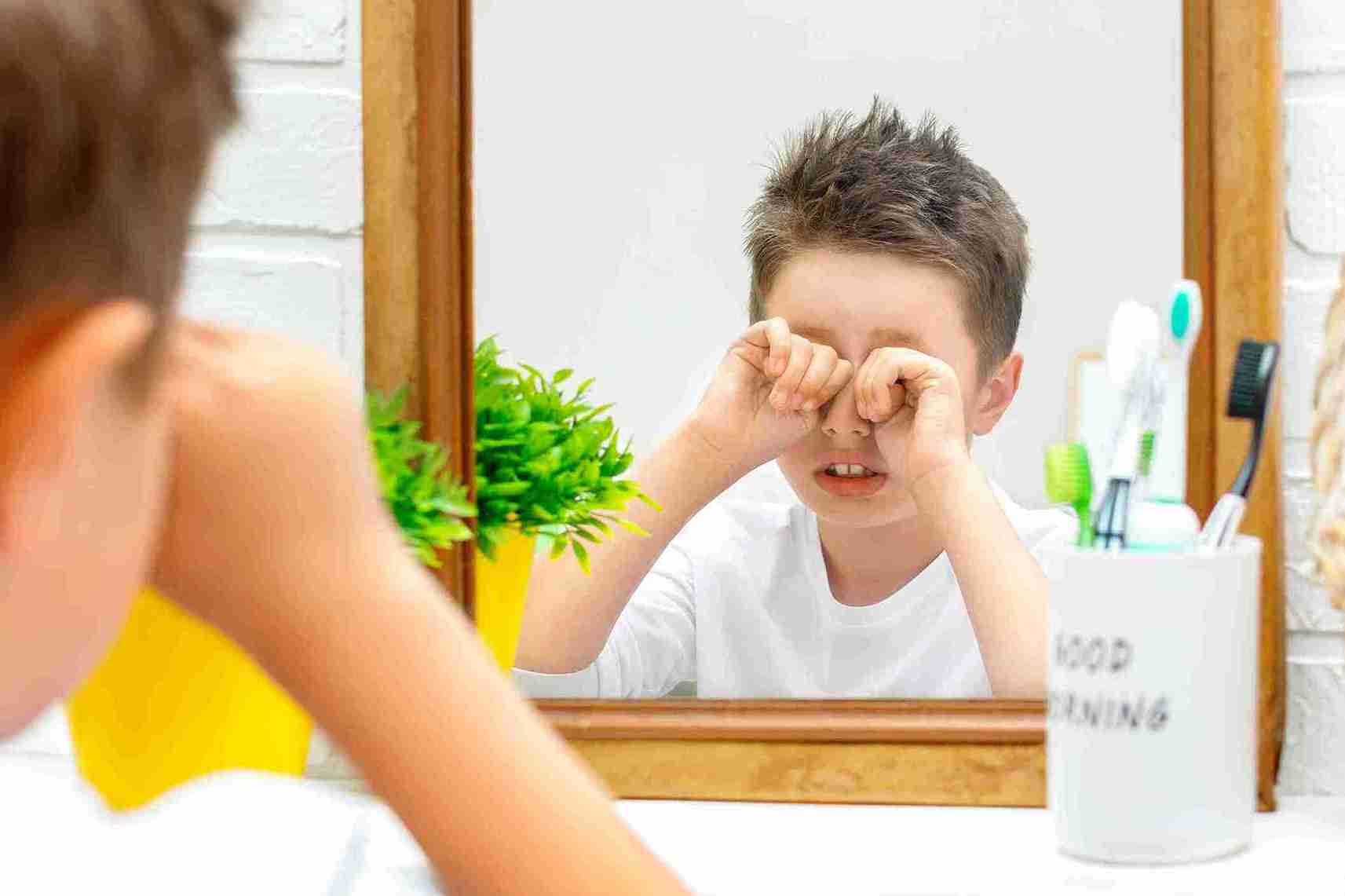
Myth: Blue light from digital devices permanently damages children's eyes.
Reality: Current evidence does not show that the blue light from everyday digital devices causes permanent eye damage. The bigger concern is prolonged screen use, which can contribute to digital eye strain, reduced blinking and poor sleep habits.
Myth: If my child isn't complaining, their eyes must be fine.
Reality: Many children don't recognise or mention symptoms such as eye fatigue or blurred vision. Changes in behaviour, frequent eye rubbing or sitting unusually close to the screen can sometimes be the first clues.
If blue light isn’t the main issue, what should parents really focus on? What matters most is how screens fit into a child's day. When children spend hours on digital devices without enough breaks, outdoor play or sleep, it's more likely to affect their comfort and overall eye health. That's why discussions about screen time and children's eye health focus on healthy habits rather than simply tracking minutes.
A few simple changes can make a noticeable difference:
One easy-to-remember tip is the 20-20-20 rule. After every 20 minutes of screen use, encourage your child to look at something about 20 feet away for at least 20 seconds. It gives the eye muscles a chance to relax. These habits won't eliminate screen-related discomfort overnight, but they go a long way in reducing digital eye strain.
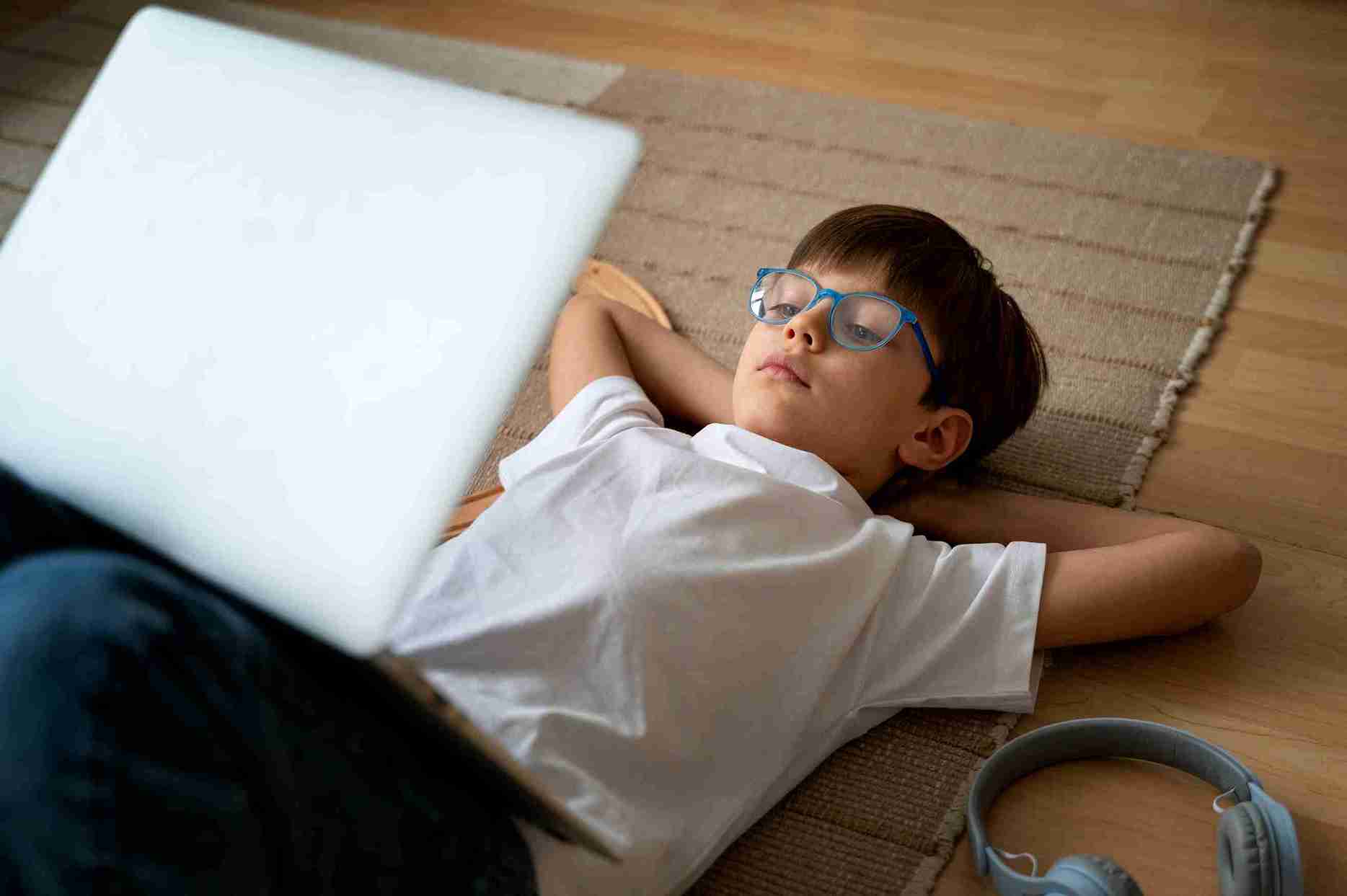
Many parents have this question, especially after seeing numerous advertisements for blue light-blocking glasses. At present, there isn't sufficient scientific evidence to recommend their routine use for children with healthy eyes. Most eye specialists agree that regulating screen habits is likely to have a greater impact than wearing special glasses.
If your child already wears prescription glasses, your eye specialist can advise whether any additional lens coatings are appropriate. But for most children, the focus should remain on:
Put simply, building healthy screen habits does more for children's eyes than using blue light glasses.
Occasional tired eyes after a long day of studying or screen use aren't unusual. But some symptoms should be checked by a specialist.
Consider arranging an eye examination if your child:
Even if there are no obvious concerns, routine eye check-ups are an important part of preventive healthcare. Children may not notice their vision has changed, since they often think everyone sees the world as they do.
Screens are now a normal part of childhood, and they aren't going away anytime soon. The goal isn't to eliminate them but to help children use them in ways that support healthy vision, learning and overall well-being. Most concerns linked to digital devices aren't caused by blue light alone. They're linked to long periods of uninterrupted screen use, reduced blinking, less time outdoors and poor sleep habits. By encouraging regular breaks, outdoor play and balanced screen routines, parents can support their child's eye health without making screens the enemy.


Blue light is a type of visible light found naturally in sunlight and also emitted in small amounts by digital devices. Research shows that blue light alone from excessive screen use does not cause permanent eye damage in children. However, prolonged screen use can contribute to eye strain and may affect sleep.
Current evidence doesn't suggest that normal screen use permanently damages eyesight in healthy children. However, excessive screen time can lead to digital eye strain, reduced blinking, and dry eyes, and may contribute to unhealthy lifestyle habits if it replaces outdoor play, physical activity, or sleep.
Common symptoms include tired eyes, headaches, blurred vision, dry or watery eyes, frequent eye rubbing, difficulty concentrating and holding screens very close to the face. These symptoms often improve after taking regular breaks from screens.
Recommendations vary slightly, but most experts advise avoiding screen time for children under 2 years, except for video calls. For children aged 2 to 5 years, around one hour of high-quality, supervised screen time is generally recommended. Older children should have consistent limits that allow enough time for sleep, physical activity, learning and family interactions.







 Best Gynecologists in Bellandur Best Gynecologists in Electronic City Best Gynecologists in HRBR LayoutBest Gynecologists in Jayanagar Best Gynecologists in Kanakapura RoadBest Gynecologists in Malleswaram Best Gynecologists in Nagarbhavi Best Gynecologists in Old Airport RoadBest Gynecologists in Sahakarnagar Best Gynecologists in Sarjapur RoadBest Gynecologists in ThanisandraBest Gynecologists in Varthur RoadBest Gynecologists in Whitefield Best Gynecologists in Industrial Area Phase IIBest Gynecologists in OMRBest Gynecologists in T NagarBest Gynecologists in New Industrial TownBest Gynecologists in IndirapuramBest Gynecologists in Golf Course RoadBest Gynecologists in Sector 14Best Gynecologists in Sector 47Best Gynecologists in Banjara HillsBest Gynecologists in GachibowliBest Gynecologists in Hitech CityBest Gynecologists in KompallyBest Gynecologists in Gomti NagarBest Gynecologists in MaladBest Gynecologists in NerulBest Gynecologists in VashiBest Gynecologists in Kailash ColonyBest Gynecologists in PatparganjBest Gynecologists in Punjabi BaghBest Gynecologists in VikaspuriBest Gynecologists in Gaur CityBest Gynecologists in Pari ChowkBest Gynecologists in Sector 51Best Gynecologists in Sector 5 Swastik ViharBest Gynecologists in Kalyani NagarBest Gynecologists in SB RoadBest Gynecologists in Pimple SaudagarBest Pediatricians in BellandurBest Pediatricians in Electronic CityBest Pediatricians in HRBR LayoutBest Pediatricians in JayanagarBest Pediatricians in Kanakapura RoadBest Pediatricians in MalleswaramBest Pediatricians in NagarbhaviBest Pediatricians in Old Airport RoadBest Pediatricians in SahakarnagarBest Pediatricians in Sarjapur RoadBest Pediatricians in ThanisandraBest Pediatricians in Varthur RoadBest Pediatricians in WhitefieldBest Pediatricians in Industrial Area Phase IIBest Pediatricians in OMRBest Pediatricians in T NagarBest Pediatricians in New Industrial TownshipBest Pediatricians in IndirapuramBest Pediatricians in Golf Course RoadBest Pediatricians in Sector 14Best Pediatricians in Sector 47Best Pediatricians in Hitech CityBest Pediatricians in Banjara HillsBest Pediatricians in GachibowliBest Pediatricians in KompallyBest Pediatricians in Gomti NagarBest Pediatricians in MaladBest Pediatricians in NerulBest Pediatricians in VashiBest Pediatricians in Kailash ColonyBest Pediatricians in PatparganjBest Pediatricians in Punjabi BaghBest Pediatricians in VikaspuriBest Pediatricians in Gaur CityBest Pediatricians in Pari ChowkBest Pediatricians in Sector 51Best Pediatricians in Sector 5 Swastik ViharBest Pediatricians in Kalyani NagarBest Pediatricians in SB RoadBest Pediatricians in Pimple Saudagar


