
Ovulation is the foundation of the conception process. Without it, there is no egg to fertilise, and pregnancy is not possible. Yet ovulation disorders are among the most common causes of female infertility, and many women do not know they have one until they have been trying to conceive for months without success.
The good news is that ovulation disorders are also among the most treatable causes of infertility. Once the cause is identified, ovulation can often be induced or regulated with medication, and many women go on to conceive with the right support.
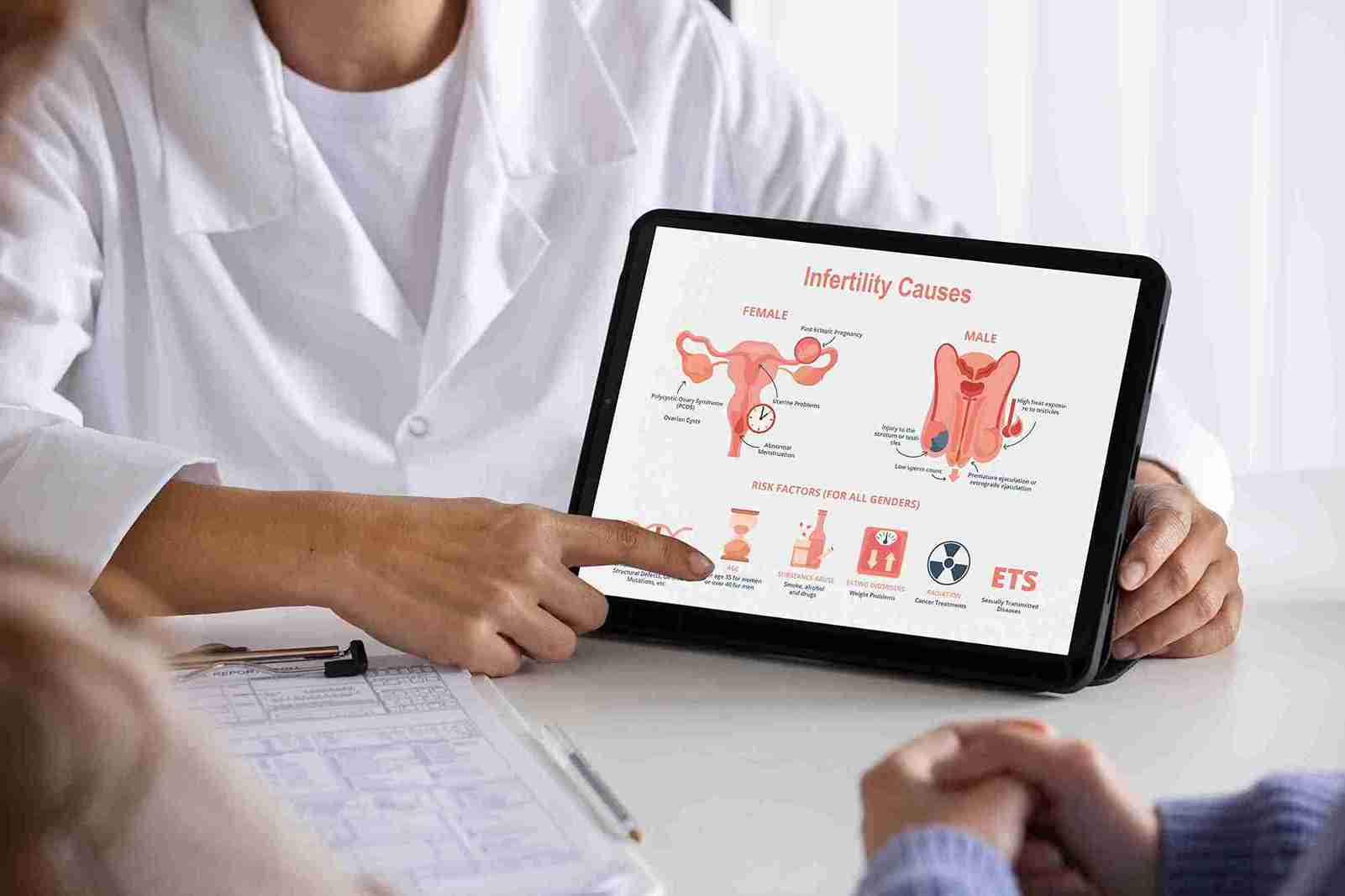
A condition referred to as an ovulation disorder is a disease that affects a woman’s ovary and prevents her from producing an egg regularly, whether partially or fully.
It is possible to highlight two kinds of ovulation disorders:
Anovulation causes and treatment: The lack of ovulation. No eggs are released at all or for extended periods of time. The women affected by anovulation may have some bleeding similar to menstruation; however, this type of bleeding is called anovulatory bleeding since there was no egg released during this time.
Oligovulation: An erratic ovulation process. The woman does ovulate, but not consistently; sometimes it happens, sometimes it does not, and the timing shifts significantly from cycle to cycle. Irregular ovulation and infertility go together because the fertile window becomes very hard to predict and may be missed entirely.
Ovulation is controlled by a hormonal chain; the hypothalamus in the brain signals the pituitary gland, which releases hormones (FSH and LH) that tell the ovary to develop and release an egg. Anything that disrupts this chain can cause an ovulation disorder.
PCOS is the most common cause of ovulation disorders, affecting a significant proportion of women of reproductive age. In PCOS, the hormonal signalling from the brain to the ovaries is disrupted, LH is elevated, insulin resistance plays a major role, and the result is multiple small follicles that do not mature properly and do not release an egg.
Women with PCOS often have irregular periods, sometimes going months without one or periods that appear regular but are anovulatory. PCOS is treatable, and ovulation can usually be induced with medication in women who want to conceive.
Both an underactive thyroid (hypothyroidism) and an overactive thyroid (hyperthyroidism) affect ovulation. Thyroid disorders are extremely common in women and are one of the most frequently missed causes of irregular ovulation and infertility.
Hypothyroidism raises prolactin levels and disrupts the hormones that regulate ovulation. Even subclinical hypothyroidism, where TSH is mildly elevated but not yet at diagnostic levels, can cause irregular or absent ovulation. Getting TSH levels into the right range before conception is essential.
Prolactin is the hormone responsible for milk production after childbirth. In women who are not breastfeeding, high prolactin levels suppress the hormonal signals that trigger ovulation. This is called hyperprolactinaemia and is one of the causes of ovulation disorders that is easily identified on a blood test and very responsive to treatment.
Causes include a small benign tumour on the pituitary gland called a prolactinoma, certain medications (including some antipsychotics and blood pressure drugs), and hypothyroidism.

The hypothalamus, part of the brain that starts the hormonal chain for ovulation, can be disrupted by significant physical or psychological stress. This is sometimes called functional hypothalamic amenorrhoea.
It is common in women who exercise at very high intensity, have very low body weight, follow very restrictive diets, or are under sustained emotional stress. The body reads these signals as conditions in which reproduction is not safe, and shuts down ovulation as a result.
As women get older, particularly after 35, the number and quality of eggs in the ovaries decrease. When the ovarian reserve drops significantly, the ovaries stop responding properly to the hormonal signals that trigger ovulation, and cycles become irregular before stopping altogether.
Both ends of the weight spectrum affect ovulation. Women who are significantly overweight, particularly with abdominal obesity and insulin resistance, are at higher risk of PCOS-related anovulation. Women who are significantly underweight or who have lost weight rapidly may stop ovulating because the body does not have sufficient fat reserves to support a pregnancy.
Many women with ovulation disorders have no obvious symptoms. The clearest indicators that ovulation may not be happening regularly include:
Irregular periods, cycles shorter than 21 days or longer than 35 days, or no period at all
Very light or very heavy periods compared to before
Absence of the typical mid-cycle signs, egg-white cervical mucus, mild ovulation pain, that signal ovulation is occurring
No rise in basal body temperature in the second half of the cycle
Negative or persistently unclear results on ovulation predictor kits (OPKs) across multiple cycles
A blood progesterone test on day 21 of the cycle (or seven days before the expected next period in longer cycles) is the most straightforward medical confirmation; a raised progesterone level confirms ovulation has occurred.
Treatment depends on the underlying cause. Identifying the cause through blood tests, FSH, LH, oestradiol, prolactin, TSH, AMH, and blood glucose or insulin alongside a pelvic ultrasound is the essential first step.
The first approach is lifestyle change; even a 5-7% reduction in body weight in overweight women with PCOS can restore ovulation in a significant proportion of cases. Where lifestyle change is not enough, medication like Letrozole, Clomiphene citrate, Metformin, and gonadotrophin injections of FSH or LH is used. Laparoscopic ovarian drilling is a surgical option for PCOS where small areas of ovarian tissue are treated.
Getting TSH into the normal range with thyroid hormone replacement in hypothyroidism, or antithyroid medication in hyperthyroidism, often restores regular ovulation without any additional fertility treatment.
Dopamine agonist medications, such as cabergoline or bromocriptine, bring prolactin levels down and restore ovulation reliably in most women. Cabergoline is generally better tolerated and is the preferred choice.
The main treatment option will be tackling the underlying cause, gaining more weight for underweight women, reducing excess exercise, and controlling chronic stress. In some cases, gonadotrophin injections may be prescribed to promote ovulation while dealing with the underlying cause.
Ovulation induction is less effective when the reserve is very low. Options include IVF with the remaining eggs, with the understanding that response may be poor, or IVF with donor eggs, which bypasses the woman's own ovarian reserve entirely and has high success rates.

Ovulation disorders are common, often silent, and in most cases treatable. The earlier they are identified, the more treatment options are available and the more time there is to act. If your periods are irregular, absent, or you have been trying to conceive for more than six months without success, an ovulation assessment is the logical first step.
Want to consult the best gynecologists in India? Please find the links below.
Want to consult the best Maternity Packages in India? Please find the links below.

Yes, many women with ovulation disorders do conceive either naturally once the underlying cause is treated, or with the help of ovulation induction medication. Anovulation causes and treatment are well understood, and ovulation can be triggered with medication in most cases. Success depends on the cause, the woman's age, and other fertility factors. Early assessment gives the most treatment options and the best outcomes
Anovulation means no egg is released either in a specific cycle or for extended periods. Irregular ovulation and infertility are linked because the egg is released inconsistently and unpredictably, making the fertile window very difficult to identify. Both affect fertility, but anovulation is more absolute. A woman can have regular-seeming periods with either condition; only tracking or blood tests confirm whether ovulation is actually occurring.
Yes. Both underactive and overactive thyroid can disrupt the hormonal signals that trigger ovulation. Hypothyroidism is a particularly common cause of ovulation disorders in women and is often picked up only when fertility testing is done. Even mildly elevated TSH subclinical hypothyroidism can affect ovulation and early pregnancy. Getting TSH into the right range before trying to conceive is important and often restores normal ovulation without additional treatment.
Track cervical mucus; at ovulation becomes clear, slippery, and stretchy. Use ovulation predictor kits (OPKs) to detect the LH surge before ovulation. Chart basal body temperature; a small rise after ovulation confirms it has occurred. A blood progesterone test on day 21 of the cycle is the most reliable medical confirmation. If periods are irregular or OPKs never show a clear positive, see a gynaecologist for a full assessment.







 Best Gynecologists in Bellandur Best Gynecologists in Electronic City Best Gynecologists in HRBR LayoutBest Gynecologists in Jayanagar Best Gynecologists in Kanakapura RoadBest Gynecologists in Malleswaram Best Gynecologists in Nagarbhavi Best Gynecologists in Old Airport RoadBest Gynecologists in Sahakarnagar Best Gynecologists in Sarjapur RoadBest Gynecologists in ThanisandraBest Gynecologists in Varthur RoadBest Gynecologists in Whitefield Best Gynecologists in Industrial Area Phase IIBest Gynecologists in OMRBest Gynecologists in T NagarBest Gynecologists in New Industrial TownBest Gynecologists in IndirapuramBest Gynecologists in Golf Course RoadBest Gynecologists in Sector 14Best Gynecologists in Sector 47Best Gynecologists in Banjara HillsBest Gynecologists in GachibowliBest Gynecologists in Hitech CityBest Gynecologists in KompallyBest Gynecologists in Gomti NagarBest Gynecologists in MaladBest Gynecologists in NerulBest Gynecologists in VashiBest Gynecologists in Kailash ColonyBest Gynecologists in PatparganjBest Gynecologists in Punjabi BaghBest Gynecologists in VikaspuriBest Gynecologists in Gaur CityBest Gynecologists in Pari ChowkBest Gynecologists in Sector 51Best Gynecologists in Sector 5 Swastik ViharBest Gynecologists in Kalyani NagarBest Gynecologists in SB RoadBest Gynecologists in Pimple SaudagarBest Pediatricians in BellandurBest Pediatricians in Electronic CityBest Pediatricians in HRBR LayoutBest Pediatricians in JayanagarBest Pediatricians in Kanakapura RoadBest Pediatricians in MalleswaramBest Pediatricians in NagarbhaviBest Pediatricians in Old Airport RoadBest Pediatricians in SahakarnagarBest Pediatricians in Sarjapur RoadBest Pediatricians in ThanisandraBest Pediatricians in Varthur RoadBest Pediatricians in WhitefieldBest Pediatricians in Industrial Area Phase IIBest Pediatricians in OMRBest Pediatricians in T NagarBest Pediatricians in New Industrial TownshipBest Pediatricians in IndirapuramBest Pediatricians in Golf Course RoadBest Pediatricians in Sector 14Best Pediatricians in Sector 47Best Pediatricians in Hitech CityBest Pediatricians in Banjara HillsBest Pediatricians in GachibowliBest Pediatricians in KompallyBest Pediatricians in Gomti NagarBest Pediatricians in MaladBest Pediatricians in NerulBest Pediatricians in VashiBest Pediatricians in Kailash ColonyBest Pediatricians in PatparganjBest Pediatricians in Punjabi BaghBest Pediatricians in VikaspuriBest Pediatricians in Gaur CityBest Pediatricians in Pari ChowkBest Pediatricians in Sector 51Best Pediatricians in Sector 5 Swastik ViharBest Pediatricians in Kalyani NagarBest Pediatricians in SB RoadBest Pediatricians in Pimple Saudagar


