
Many women begin looking for 1st week pregnancy symptoms soon after trying to conceive or noticing a missed period. However, pregnancy can be confusing in the earliest days because doctors calculate it from the first day of your last menstrual period (LMP), not from the day conception occurs. This means that during what is medically called "week 1," fertilisation has usually not happened yet.
While some women notice subtle changes soon after ovulation or implantation, others may not experience any symptoms for several weeks. Understanding what happens inside your body can help you distinguish between normal menstrual changes and possible pregnancy symptoms week 1, while setting realistic expectations about when pregnancy signs are likely to appear.
_11zon.jpg)
It is believed that pregnancy starts from the first day of your last menstrual period, although fertilisation takes place about two weeks later. The embryo moves towards the uterus after fertilisation takes place, and implantation occurs between 6 and 12 days after that. As every woman’s menstrual cycle is different, her symptoms may come on at different times. This means that some women start noticing their symptoms early, while many do not have any symptoms during the first week.
Technically, one does not experience pregnancy symptoms right away, as one's hormone levels would still be relatively low until after implantation takes place. After implantation, the hCG is then released, which causes the symptoms of pregnancy. It is hard to distinguish between PMS symptoms and pregnancy symptoms since they are somewhat similar.
The very early signs of pregnancy at 1 week vary depending on the individual woman, and most women have no symptoms at all.
For some women, light spotting occurs during implantation; it can be pinkish or brown and significantly lighter than the monthly cycle.
A little cramping may occur around the time of implantation, although it will probably not be as severe as menstrual cramps.
Changes in hormones may lead to sensitivity, swelling, or soreness in the breasts.
An increase in progesterone may cause fatigue for some women.
Hormones may lead to slowed digestion, resulting in mild bloating similar to premenstrual bloating.
The fluctuation of hormone levels can affect emotional sensitivity or mood swings.
An increase in the basal body temperature after ovulation could be an early sign of pregnancy for women who monitor their basal body temperature.
Some women experience vaginal discharge because of hormonal changes.
Some odours could become more distinct, though this occurs at a slightly later stage.
Nausea is uncommon this early, while frequent urination typically develops after hormone levels rise further.
Although these are recognised as pregnancy symptoms 1 week, they are not reliable enough to confirm pregnancy.
%20Why%20It%20Happens.jpg)
Many pregnancy symptoms week 1 overlap with PMS, making it difficult to distinguish between the two.
If symptoms continue and your period is delayed, pregnancy becomes more likely.
In the first week of pregnancy, your body is preparing for ovulation instead of nurturing an embryo. Hormones stimulate the ovaries to develop an egg, while the uterus creates a healthy lining ready for possible implantation.
Here’s a basic timetable of what happens:
It's no wonder that 1st week pregnancy symptoms are hard to spot.
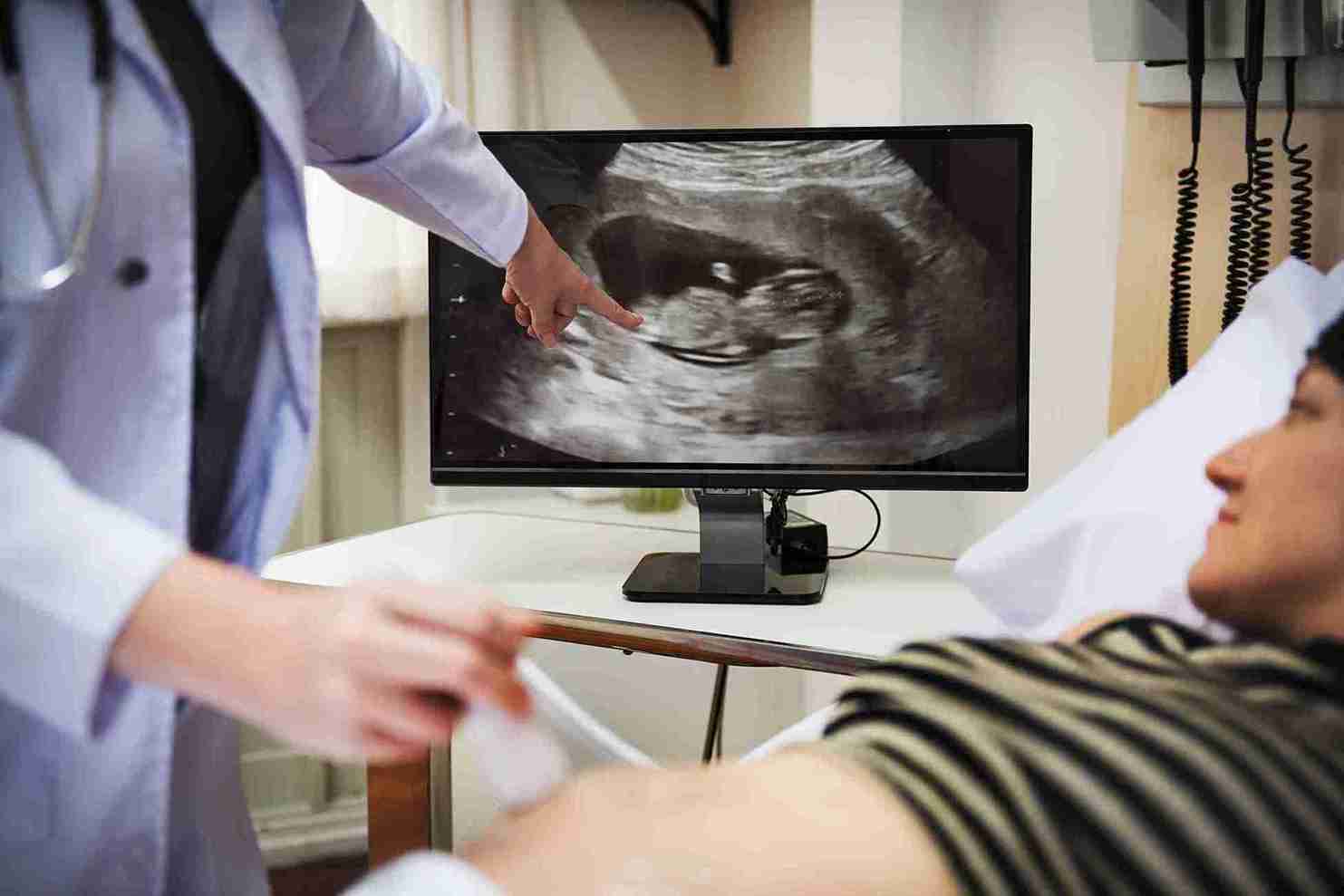
It should be noted that symptoms cannot prove your pregnancy. In order to find out whether you are pregnant or not, it is recommended to conduct a home pregnancy test after missing a period, since there is enough amounts of hCG hormone at that moment. A blood pregnancy test (Beta hCG) can identify pregnancy earlier than a urine test, while an ultrasound is usually performed a few weeks later to confirm the pregnancy and assess its location and development.
Consult your doctor when you get a positive pregnancy test result, feel severe abdominal pain, bleed heavily, get dizzy, have had an ectopic pregnancy in the past, suffer from repeated pregnancy loss, and have underlying health problems like diabetes and thyroid problems.
At Cloudnine, experienced obstetricians, fertility specialists, and fetal medicine experts provide personalised care from preconception through pregnancy and childbirth. With advanced diagnostic facilities, early pregnancy assessments, and comprehensive antenatal care, every woman receives evidence-based guidance tailored to her individual needs. The focus is on early diagnosis, continuous monitoring, and compassionate support to help ensure a healthy pregnancy journey.
While understanding 1-week pregnancy signs will help you identify signs, it is equally essential to know that not all women will feel any symptoms at this stage. Because pregnancy is medically dated since the first day of the last menstrual period, getting tested only after missing your period would give you a more accurate result.


It is usually too early to know for certain. A pregnancy test is most accurate after a missed period.
No. Most women do not experience symptoms this soon because implantation and hormone production have not yet occurred.
Early pregnancy discharge is typically thin, milky white, and odourless. If it changes colour, develops a foul smell, or causes itching, consult a doctor.
Early pregnancy cramps are usually mild and felt in the lower abdomen or pelvic area. Severe or one-sided pain should be assessed by a healthcare professional.







 Best Gynecologists in Bellandur Best Gynecologists in Electronic City Best Gynecologists in HRBR LayoutBest Gynecologists in Jayanagar Best Gynecologists in Kanakapura RoadBest Gynecologists in Malleswaram Best Gynecologists in Nagarbhavi Best Gynecologists in Old Airport RoadBest Gynecologists in Sahakarnagar Best Gynecologists in Sarjapur RoadBest Gynecologists in ThanisandraBest Gynecologists in Varthur RoadBest Gynecologists in Whitefield Best Gynecologists in Industrial Area Phase IIBest Gynecologists in OMRBest Gynecologists in T NagarBest Gynecologists in New Industrial TownBest Gynecologists in IndirapuramBest Gynecologists in Golf Course RoadBest Gynecologists in Sector 14Best Gynecologists in Sector 47Best Gynecologists in Banjara HillsBest Gynecologists in GachibowliBest Gynecologists in Hitech CityBest Gynecologists in KompallyBest Gynecologists in Gomti NagarBest Gynecologists in MaladBest Gynecologists in NerulBest Gynecologists in VashiBest Gynecologists in Kailash ColonyBest Gynecologists in PatparganjBest Gynecologists in Punjabi BaghBest Gynecologists in VikaspuriBest Gynecologists in Gaur CityBest Gynecologists in Pari ChowkBest Gynecologists in Sector 51Best Gynecologists in Sector 5 Swastik ViharBest Gynecologists in Kalyani NagarBest Gynecologists in SB RoadBest Gynecologists in Pimple SaudagarBest Pediatricians in BellandurBest Pediatricians in Electronic CityBest Pediatricians in HRBR LayoutBest Pediatricians in JayanagarBest Pediatricians in Kanakapura RoadBest Pediatricians in MalleswaramBest Pediatricians in NagarbhaviBest Pediatricians in Old Airport RoadBest Pediatricians in SahakarnagarBest Pediatricians in Sarjapur RoadBest Pediatricians in ThanisandraBest Pediatricians in Varthur RoadBest Pediatricians in WhitefieldBest Pediatricians in Industrial Area Phase IIBest Pediatricians in OMRBest Pediatricians in T NagarBest Pediatricians in New Industrial TownshipBest Pediatricians in IndirapuramBest Pediatricians in Golf Course RoadBest Pediatricians in Sector 14Best Pediatricians in Sector 47Best Pediatricians in Hitech CityBest Pediatricians in Banjara HillsBest Pediatricians in GachibowliBest Pediatricians in KompallyBest Pediatricians in Gomti NagarBest Pediatricians in MaladBest Pediatricians in NerulBest Pediatricians in VashiBest Pediatricians in Kailash ColonyBest Pediatricians in PatparganjBest Pediatricians in Punjabi BaghBest Pediatricians in VikaspuriBest Pediatricians in Gaur CityBest Pediatricians in Pari ChowkBest Pediatricians in Sector 51Best Pediatricians in Sector 5 Swastik ViharBest Pediatricians in Kalyani NagarBest Pediatricians in SB RoadBest Pediatricians in Pimple Saudagar


