





Hand hygiene is one of the most effective ways to prevent the spread of illness, especially among children who are more susceptible to infections. Teaching children proper handwashing techniques can significantly reduce the risk of illnesses, including colds, flu, and gastrointestinal infections. This blog will provide essential information for parents on the importance of hand hygiene, effective techniques, and how to instill these habits in children.
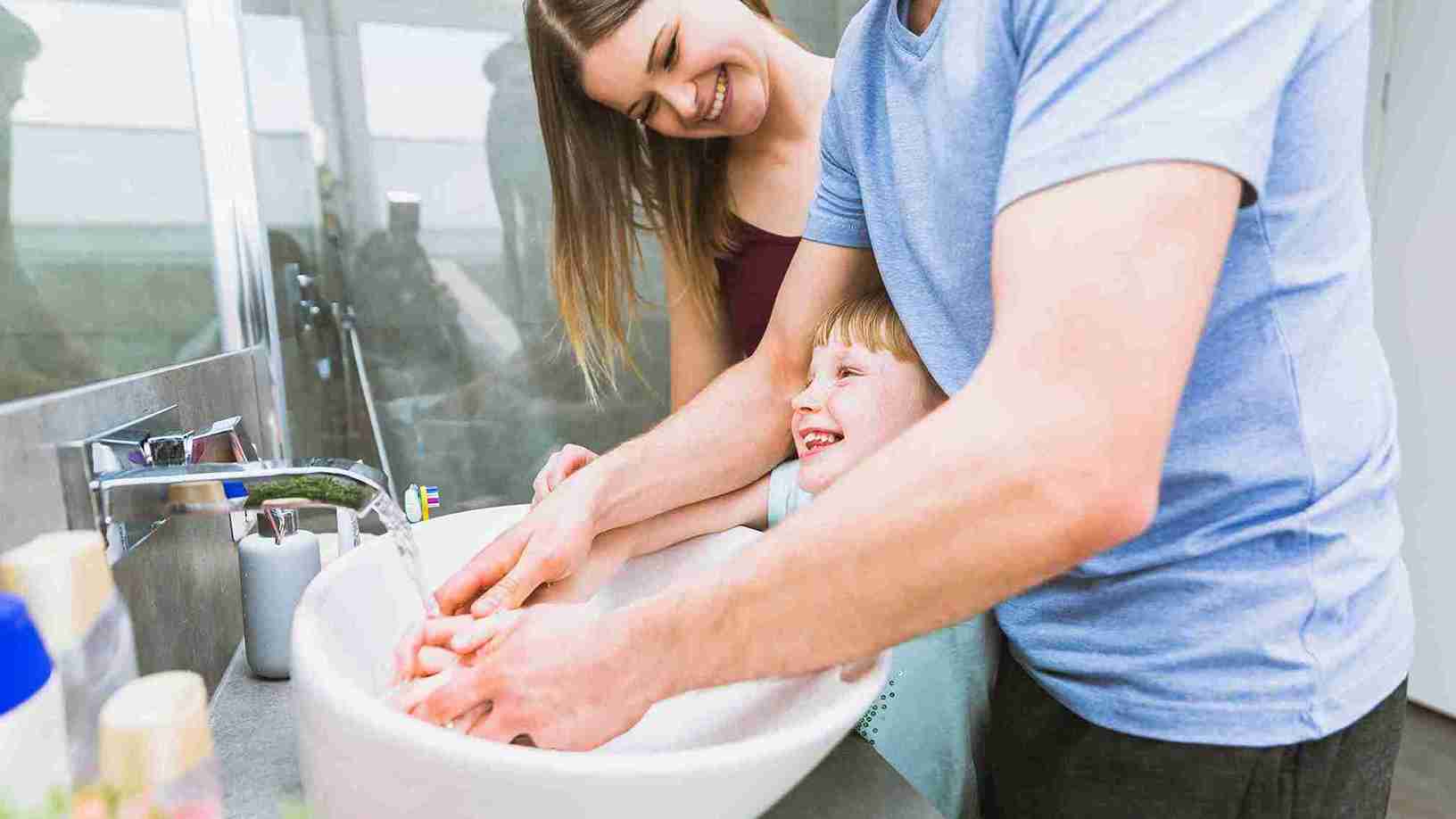
1. Germ Exposure: Children are often in close contact with other kids in schools, daycare centers, and playgroups, increasing their exposure to germs. Regular handwashing can mitigate this risk.
2. Infection Prevention: Proper hand hygiene can help prevent various infections, including respiratory illnesses, skin infections, and gastrointestinal diseases. Studies show that effective handwashing can reduce the incidence of diarrhea by up to 30%.
3. Healthy Habits for Life: Teaching children about hand hygiene instills lifelong habits that promote health and well-being.
Children should wash their hands at critical times, including:
- Before eating or preparing food
- After using the toilet
- After coughing, sneezing, or blowing their nose
- After playing with pets or animals
- After playing outside or in public areas
- When hands are visibly dirty
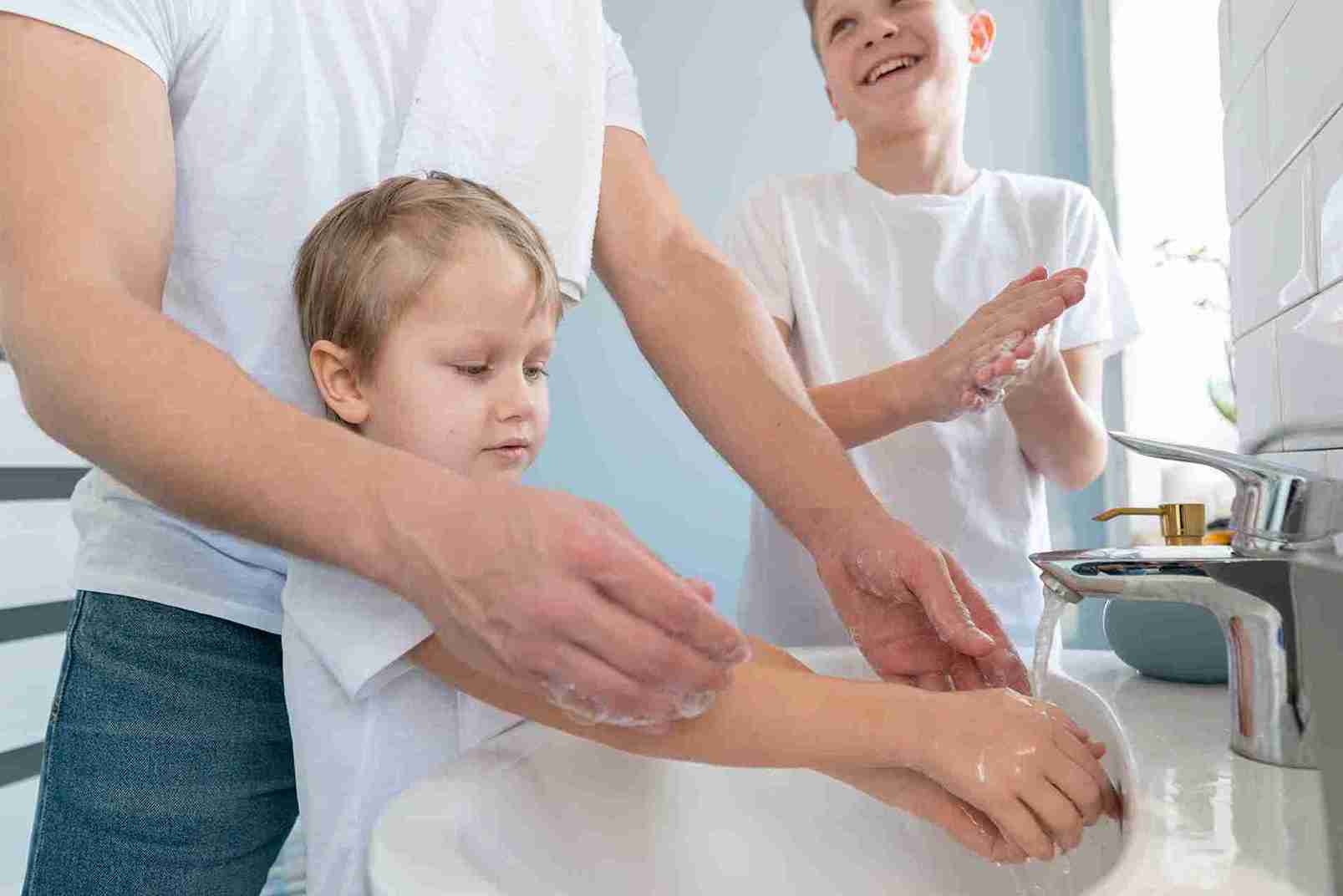
To ensure effective hand hygiene, teach your child the following steps:
1. Wet Hands: Use clean, running water (warm or cold) to wet hands thoroughly.
2. Apply Soap: Apply enough soap to cover all hand surfaces.
3. Lather and Scrub: Rub hands together to create a lather. Scrub all surfaces, including the back of the hands, between fingers, and under nails, for at least 20 seconds. Singing a song or counting to 20 can make this fun.
4. Rinse: Rinse hands well under clean, running water.
5. Dry: Dry hands using a clean towel or air dry. If possible, use the towel to turn off the faucet.
1. Lead by Example: Children are more likely to adopt good habits when they see adults practicing them. Make handwashing a family routine.
2. Make it Fun: Use songs, rhymes, or fun visuals to engage your child during handwashing. Consider using colorful soap or a fun step stool to make the process more appealing.
3. Create a Routine: Establish regular handwashing times, such as before meals and after playtime. Consistency helps reinforce the habit.
4. Discuss Germs: Use age-appropriate language to explain how germs can make them sick. Understanding the "why" behind hand hygiene can motivate children to wash their hands.
5. Positive Reinforcement: Praise your child when they wash their hands properly. Consider using a sticker chart to track their handwashing habits and reward them for consistency.
In situations where soap and water aren’t available, teach children to use hand sanitizer that contains at least 60% alcohol. Ensure they apply enough product to cover all surfaces of their hands and rub them together until dry. However, remind them that hand sanitizer is not a substitute for handwashing when hands are visibly dirty or greasy.

Teaching children about hand hygiene is essential for their health and well-being. By instilling good handwashing practices, you can significantly reduce their risk of illness and help them develop lifelong healthy habits. With consistent reinforcement, fun activities, and leading by example, you can make hand hygiene an enjoyable and important part of your child's daily routine. Always remember that healthy habits start at home, and your guidance can help create a healthier future for your child

Children must be taught about hand hygiene to prevent infection from germs. Considering their overall well-being, children are advised to clean their hands clean in five essential circumstances. These key moments include vital moments such as before eating, after eating, after using the bathroom, immediately after sneezing, after coming back from school and after touching pets and other animals.
Yes! Children need to know that soap and water form a perfect combination for maintaining good hand hygiene. Washing hands with soap and water eliminates dirt and kills germs, making hands perfectly hygienic. Though hand sanitisers can be handy while going out, they never eliminate dirt and eradicate toxic germs
Hand hygiene for school children is highly essential. As schools and day care centres are potential sources for transmitting germs, and schools can promote as well as encourage hand hygiene in the following ways: through proper education, by setting examples, offering a clean environment, by conducting funny interactive sessions, and by making hand-washing easy and convenient.
Yes! Indeed, hand washing is one of the best methods used to prevent the spread of infections like cold, flu, and even gastrointestinal diseases. It will definitely reduce your chances of catching any infection through the process of hand washing for at least 20 seconds. Using gloves does not in any way replace the act of hand washing.


 Best Gynecologists in Bellandur Best Gynecologists in Electronic City Best Gynecologists in HRBR LayoutBest Gynecologists in Jayanagar Best Gynecologists in Kanakapura RoadBest Gynecologists in Malleswaram Best Gynecologists in Nagarbhavi Best Gynecologists in Old Airport RoadBest Gynecologists in Sahakarnagar Best Gynecologists in Sarjapur RoadBest Gynecologists in ThanisandraBest Gynecologists in Varthur RoadBest Gynecologists in Whitefield Best Gynecologists in Industrial Area Phase IIBest Gynecologists in OMRBest Gynecologists in T NagarBest Gynecologists in New Industrial TownBest Gynecologists in IndirapuramBest Gynecologists in Golf Course RoadBest Gynecologists in Sector 14Best Gynecologists in Sector 47Best Gynecologists in Banjara HillsBest Gynecologists in GachibowliBest Gynecologists in Hitech CityBest Gynecologists in KompallyBest Gynecologists in Gomti NagarBest Gynecologists in MaladBest Gynecologists in NerulBest Gynecologists in VashiBest Gynecologists in Kailash ColonyBest Gynecologists in PatparganjBest Gynecologists in Punjabi BaghBest Gynecologists in VikaspuriBest Gynecologists in Gaur CityBest Gynecologists in Pari ChowkBest Gynecologists in Sector 51Best Gynecologists in Sector 5 Swastik ViharBest Gynecologists in Kalyani NagarBest Gynecologists in SB RoadBest Gynecologists in Pimple SaudagarBest Pediatricians in BellandurBest Pediatricians in Electronic CityBest Pediatricians in HRBR LayoutBest Pediatricians in JayanagarBest Pediatricians in Kanakapura RoadBest Pediatricians in MalleswaramBest Pediatricians in NagarbhaviBest Pediatricians in Old Airport RoadBest Pediatricians in SahakarnagarBest Pediatricians in Sarjapur RoadBest Pediatricians in ThanisandraBest Pediatricians in Varthur RoadBest Pediatricians in WhitefieldBest Pediatricians in Industrial Area Phase IIBest Pediatricians in OMRBest Pediatricians in T NagarBest Pediatricians in New Industrial TownshipBest Pediatricians in IndirapuramBest Pediatricians in Golf Course RoadBest Pediatricians in Sector 14Best Pediatricians in Sector 47Best Pediatricians in Hitech CityBest Pediatricians in Banjara HillsBest Pediatricians in GachibowliBest Pediatricians in KompallyBest Pediatricians in Gomti NagarBest Pediatricians in MaladBest Pediatricians in NerulBest Pediatricians in VashiBest Pediatricians in Kailash ColonyBest Pediatricians in PatparganjBest Pediatricians in Punjabi BaghBest Pediatricians in VikaspuriBest Pediatricians in Gaur CityBest Pediatricians in Pari ChowkBest Pediatricians in Sector 51Best Pediatricians in Sector 5 Swastik ViharBest Pediatricians in Kalyani NagarBest Pediatricians in SB RoadBest Pediatricians in Pimple Saudagar


