





A delayed period can be worrying, especially if your menstrual cycle is usually regular. Many people search for how to induce period or try home remedies, hoping to bring on menstruation quickly. While there are several traditional remedies, it is important to understand that no natural method has been scientifically proven to reliably start a period. The success of any remedy depends largely on why your period is late in the first place.
Before trying anything, rule out pregnancy with a home pregnancy test if there is any possibility of conception. If pregnancy is not the cause, identifying the underlying reason for the delay is the safest approach. Natural methods may support hormonal balance in some situations, while medical treatment may be needed for others.
_11zon.jpg)
Common reasons include pregnancy, stress, polyendocrine Metabolic Ovarian Syndrome (PMOS), thyroid disorders, excessive exercise, sudden weight loss, obesity, hormonal imbalance, breastfeeding, perimenopause, and certain medications. These conditions affect hormones differently; therefore, their treatment also varies.
Many individuals search for how to induce a period naturally, but the process is not as easy as one might think. It is believed that these natural solutions will work only if the delay is caused by any hormonal imbalance or stress. They cannot reliably induce menstruation in every case, and scientific evidence supporting most remedies remains limited. A proper diagnosis is essential because treating the underlying cause is often more effective than trying home remedies alone.
Meditation, yoga, deep breathing, and getting adequate rest may reduce stress hormones that may affect ovulation. Scientific evidence supports stress management for general menstrual health, but it doesn’t necessarily induce menstruation. The risks are minimal, so this is one of the safest approaches.
Walking, gentle yoga, and stretching promote blood circulation and proper hormone balance. But too much physical activity may only make your periods more delayed, because it interferes with ovulation. Moderate exercise is recommended.
Being underweight or overweight can affect oestrogen production and ovulation. Reaching a healthy weight through balanced nutrition and regular activity may help restore normal menstrual cycles over time.
The use of a heating pad and warm baths may help to relax pelvic muscles and provide some relief. There is not enough scientific research on whether heat therapy can actually cause menstruation.

Many people search for “how much vitamin C induces a period?”
However, there is no medically recommended dose of vitamin C to induce a period because there is no strong scientific evidence that it can reliably trigger menstruation. Taking large amounts of vitamin C is not advised, as excessive intake may lead to stomach irritation, diarrhoea, and, in some cases, an increased risk of kidney stones. Consulting a doctor is a safer option if your period is delayed.
Parsley is known for its use in inducing menstruation, though its effects on uterine contraction are slight. Though studies are limited, excessive consumption is not recommended during pregnancy because of the risks involved.
Ginger is an anti-inflammatory herb that may relieve period cramps. Traditional medicine recommends the use of ginger for the induction of menstruation, though there is insufficient evidence to support this practice.
This herb has been used for ages in traditional medicine and heals inflammation related to hormones. There is, however, inadequate evidence regarding its effect on the induction of menstruation.
Papaya is widely believed to help get periods early naturally, but scientific research supporting this claim is lacking. It can still be enjoyed as part of a balanced diet.
Bromelain is one of the enzymes present in pineapple. Even though many people think that pineapple causes menstruation, there is no proof that this claim is true.
Fenugreek is one of the herbs that have been used to improve health conditions for women; however, scientific studies about its effectiveness in causing periods are limited.
This herb is usually used for menopause; however, it can cause liver toxicity and should be taken only upon a doctor's recommendation.

When appropriate, doctors may prescribe progesterone tablets or hormonal birth control to regulate menstrual cycles. They may also treat underlying conditions such as PMOS, thyroid disorders, or hyperprolactinaemia. These medical treatments are generally far more reliable than natural remedies and should only be taken under professional supervision.
For people searching for “how to get periods early naturally”, there are several internet remedies that lack any scientific evidence, and these include apple cider vinegar, cinnamon, coffee, alcohol, detox drinks, and vitamin C. They cannot help induce menstruation and might lead to some unwanted side effects.
The risk of complications exists when inducing your periods, as you do not know the reason behind their delay. Complications associated with self-induced periods can include excessive bleeding, herbal supplement toxicity, allergic reactions, liver damage, drug interactions, pregnancy issues, and delayed diagnosis of conditions such as PMOS or thyroid disease.
Medical Note: Self-treatment should be avoided when there is a possibility of pregnancy, severe pain, heavy bleeding, fever, or irregular periods for a long time.
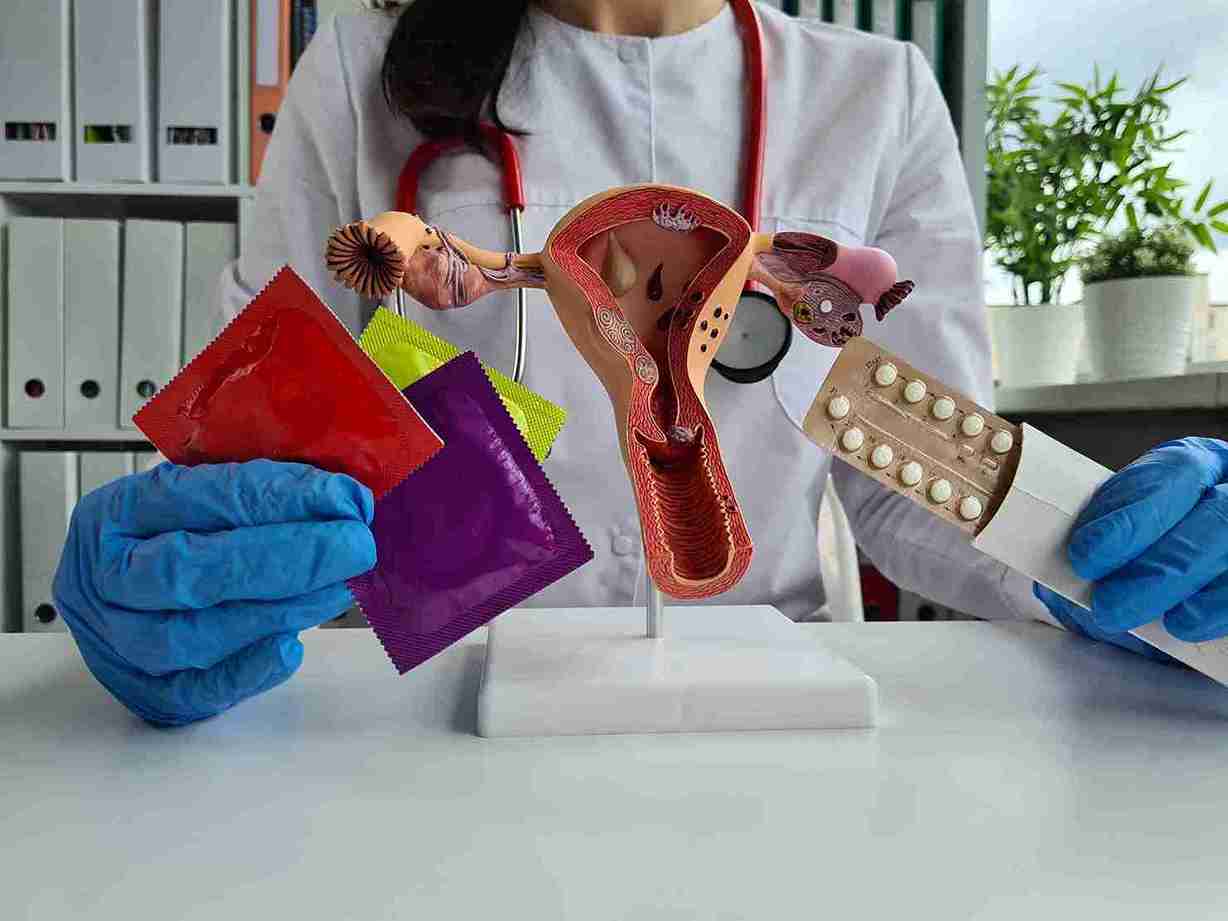
Consult a doctor if your period is delayed for more than 90 days, you repeatedly miss periods, experience severe pelvic pain, heavy bleeding, fever, abnormal vaginal discharge, symptoms of PMOS or thyroid disease, or receive a positive pregnancy test.
Cloudnine offers comprehensive women's healthcare with experienced gynaecologists, advanced diagnostic facilities, and personalised treatment plans for menstrual concerns. Whether your delayed period is linked to hormonal imbalance, PMOS, thyroid disorders, or another condition, the team focuses on identifying the underlying cause and recommending evidence-based treatment tailored to your needs.
While many natural remedies are widely discussed, none can guarantee that a delayed period will start. The safest approach is to understand why your period is late and seek medical advice if delays are frequent or prolonged. Early diagnosis helps ensure appropriate treatment and protects your long-term reproductive health.


No. Drinking hot water has not been scientifically proven to induce menstruation, although warmth may help relieve cramps.
If your period is more than 90 days late or you repeatedly miss periods, consult a doctor.
No. The first period is controlled by natural hormonal development and cannot be safely induced at home.
If prescribed by a doctor, progesterone or hormonal medicines usually cause withdrawal bleeding within a few days after completing the treatment, although timing varies between individuals.


 Best Gynecologists in Bellandur Best Gynecologists in Electronic City Best Gynecologists in HRBR LayoutBest Gynecologists in Jayanagar Best Gynecologists in Kanakapura RoadBest Gynecologists in Malleswaram Best Gynecologists in Nagarbhavi Best Gynecologists in Old Airport RoadBest Gynecologists in Sahakarnagar Best Gynecologists in Sarjapur RoadBest Gynecologists in ThanisandraBest Gynecologists in Varthur RoadBest Gynecologists in Whitefield Best Gynecologists in Industrial Area Phase IIBest Gynecologists in OMRBest Gynecologists in T NagarBest Gynecologists in New Industrial TownBest Gynecologists in IndirapuramBest Gynecologists in Golf Course RoadBest Gynecologists in Sector 14Best Gynecologists in Sector 47Best Gynecologists in Banjara HillsBest Gynecologists in GachibowliBest Gynecologists in Hitech CityBest Gynecologists in KompallyBest Gynecologists in Gomti NagarBest Gynecologists in MaladBest Gynecologists in NerulBest Gynecologists in VashiBest Gynecologists in Kailash ColonyBest Gynecologists in PatparganjBest Gynecologists in Punjabi BaghBest Gynecologists in VikaspuriBest Gynecologists in Gaur CityBest Gynecologists in Pari ChowkBest Gynecologists in Sector 51Best Gynecologists in Sector 5 Swastik ViharBest Gynecologists in Kalyani NagarBest Gynecologists in SB RoadBest Gynecologists in Pimple SaudagarBest Pediatricians in BellandurBest Pediatricians in Electronic CityBest Pediatricians in HRBR LayoutBest Pediatricians in JayanagarBest Pediatricians in Kanakapura RoadBest Pediatricians in MalleswaramBest Pediatricians in NagarbhaviBest Pediatricians in Old Airport RoadBest Pediatricians in SahakarnagarBest Pediatricians in Sarjapur RoadBest Pediatricians in ThanisandraBest Pediatricians in Varthur RoadBest Pediatricians in WhitefieldBest Pediatricians in Industrial Area Phase IIBest Pediatricians in OMRBest Pediatricians in T NagarBest Pediatricians in New Industrial TownshipBest Pediatricians in IndirapuramBest Pediatricians in Golf Course RoadBest Pediatricians in Sector 14Best Pediatricians in Sector 47Best Pediatricians in Hitech CityBest Pediatricians in Banjara HillsBest Pediatricians in GachibowliBest Pediatricians in KompallyBest Pediatricians in Gomti NagarBest Pediatricians in MaladBest Pediatricians in NerulBest Pediatricians in VashiBest Pediatricians in Kailash ColonyBest Pediatricians in PatparganjBest Pediatricians in Punjabi BaghBest Pediatricians in VikaspuriBest Pediatricians in Gaur CityBest Pediatricians in Pari ChowkBest Pediatricians in Sector 51Best Pediatricians in Sector 5 Swastik ViharBest Pediatricians in Kalyani NagarBest Pediatricians in SB RoadBest Pediatricians in Pimple Saudagar


