
Are you aware that about 90% of your child’s brain development happens by the age of 5 years? The first year of your child’s life is a crucial and busy one for both cognitive and physical growth. It is also a time for emotional, social and language skills. Critical brain connections for self-control, empathy, problem-solving and other high-level abilities are either formed or not formed during these early years. Without stimulation and positive interactions, these important connections may not fully develop, and it becomes harder to build upon them later in life. Knowing the signs of healthy infant brain development enables one to identify when something is not right, as every child is unique. Continue reading to understand infant brain development and what the signs of healthy growth are.
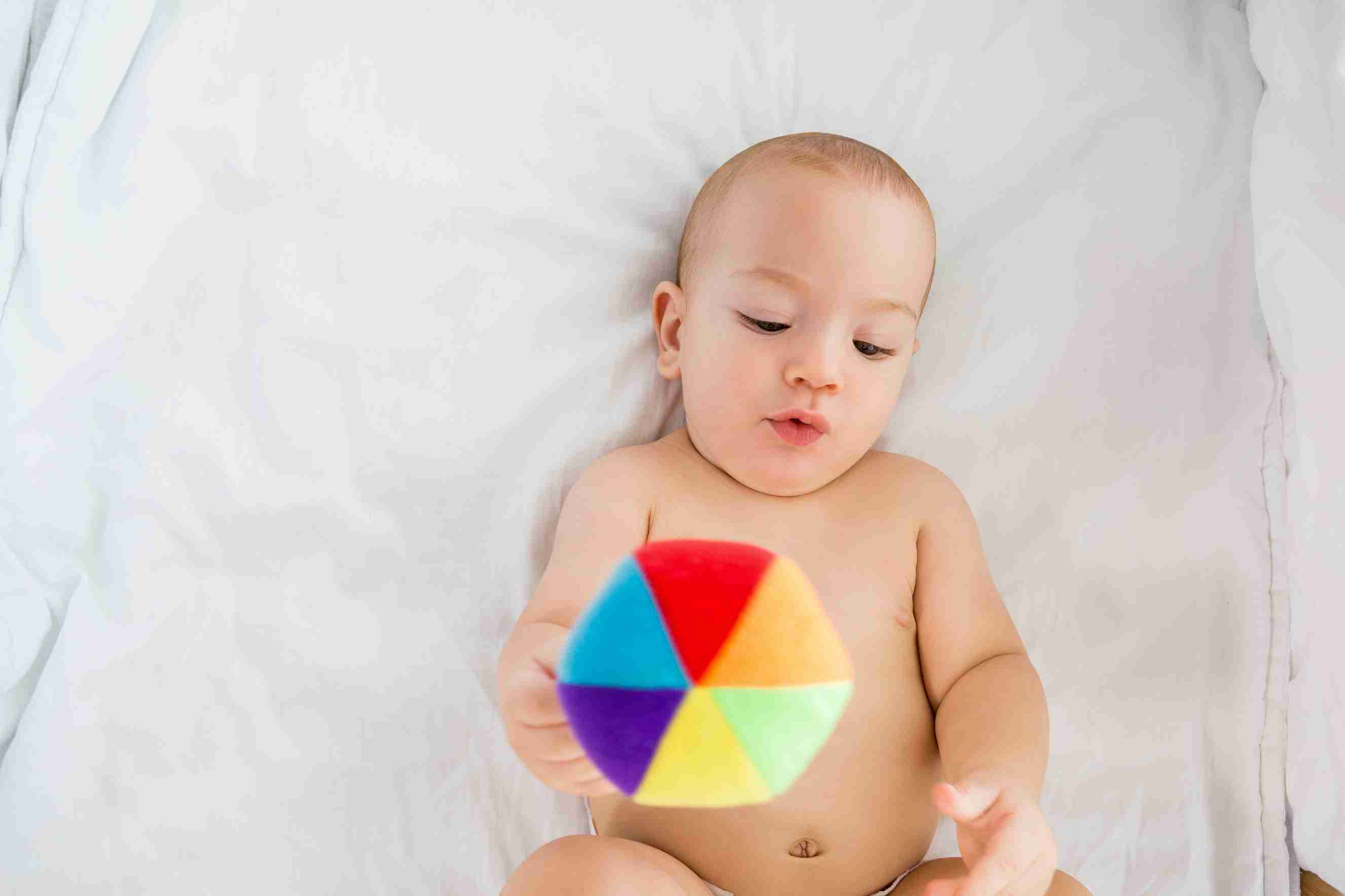
Genetics provides the initial map for development; however, it is parental relationships and everyday experiences that shape your baby’s brain. Between 2 and 6 months, the baby learns emotions by watching your reactions. By 9 months, the brain forms connections based on what the baby hears, sees, feels and tastes. Between 9 and 12 months, the baby becomes more vocal as their emotional development progresses. By age 3, the child has 1,000 trillion connections that are later pruned. These early foundations are crucial for lifelong cognitive development.
Loving relationships with parents, caregivers, teachers and community are crucial for a child’s healthy brain and physical development. Children thrive on nurturing and positive relationships. For instance, when the baby cries, coos or smiles, caregivers respond, and these back-and-forth interactions build strong bonds that create the foundation for self-regulation, motivation and communication. Adverse childhood experiences like violence, poverty, lack of love, etc., can derail and disrupt the baby's brain growth.
● Talking, singing, playing, and reading stimulate brain development.
● Parents or caregivers responding to a child is a key to proper mental development.
● Helping the baby explore and interact using all senses helps create neural connections for the rest of their life.
● Recognition and awareness: When babies become alert to voices and sounds, they smile at seeing a parent’s face or voice. Show facial expressions or noises to signal hunger or discomfort. Maintaining eye contact and engaging with others are signs of responsiveness.
● Reacts to sudden movements or sounds: When a child responds to verbal or physical cues or is startled at a loud noise, they throw their head back, extend their arms, pull their limbs back and cry during reflux. These are healthy signs of development.
● Tracking objects with eyes: A healthy baby can typically follow a moving object as their eyesight improves. By around 3 months, they develop arm and eye coordination to track moving objects and can focus on them.
● Smiling during interaction: When a baby smiles back at you, it's their way of having a conversation and bonding with you, which is a sign of normal brain development.
● Making and maintaining eye contact: Initially, the baby smiles without making eye contact. Between 3 and 6 months, they can maintain eye contact.
● Expressing emotions: Reacting and recognising familiar faces, smiling in response to voices, cooing, making small sounds to express feelings, spontaneous laughing, expressing sadness, anger, or affection to familiar caregivers and developing distress or displaying separation anxiety. Self-regulating emotions by holding a blanket, thumb sucking or moving away from a stressful environment is a healthy sign.
● Reaching out: Newborns have an involuntary grasping reflex, and by about 4 to 8 months, they can grasp, shake a toy, reach for and grab and start picking things and putting them into their mouth. Before their first birthday, they can typically pick objects. By 18, they learn to stack things or put them in boxes.
● Developing hand-eye coordination: The baby’s reach is more of an accident in the first six months, and after that, the grasp sharpens. By 1 to 3 years, self-feeding, stringing beads and flipping books display dexterity, hand-eye coordination and visual and motor integration.
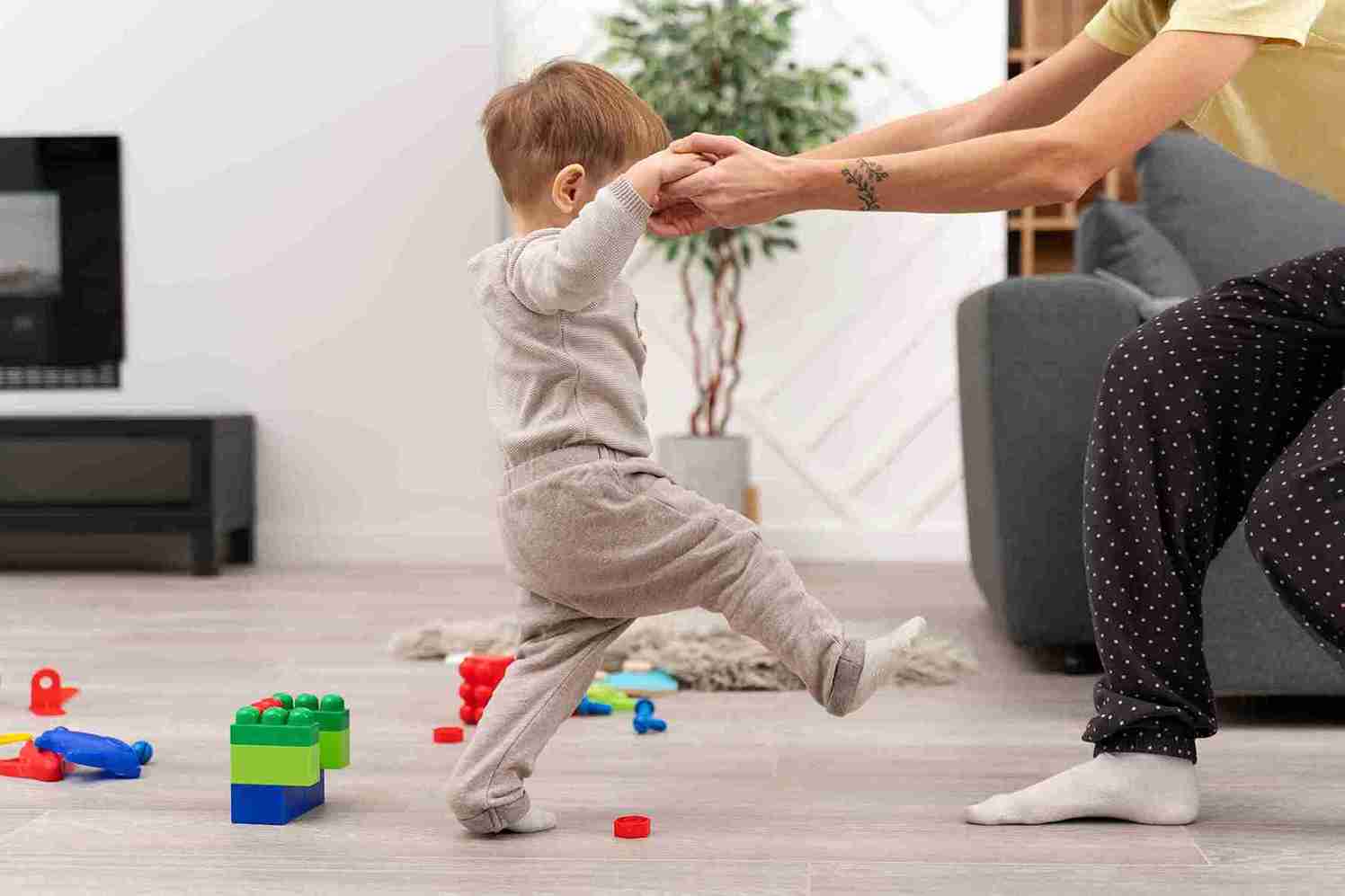
● Rolling, sitting, crawling and walking: These are important milestones of healthy brain development as they need muscle strength, coordination and balance, all of which are signs of proper cognitive development.
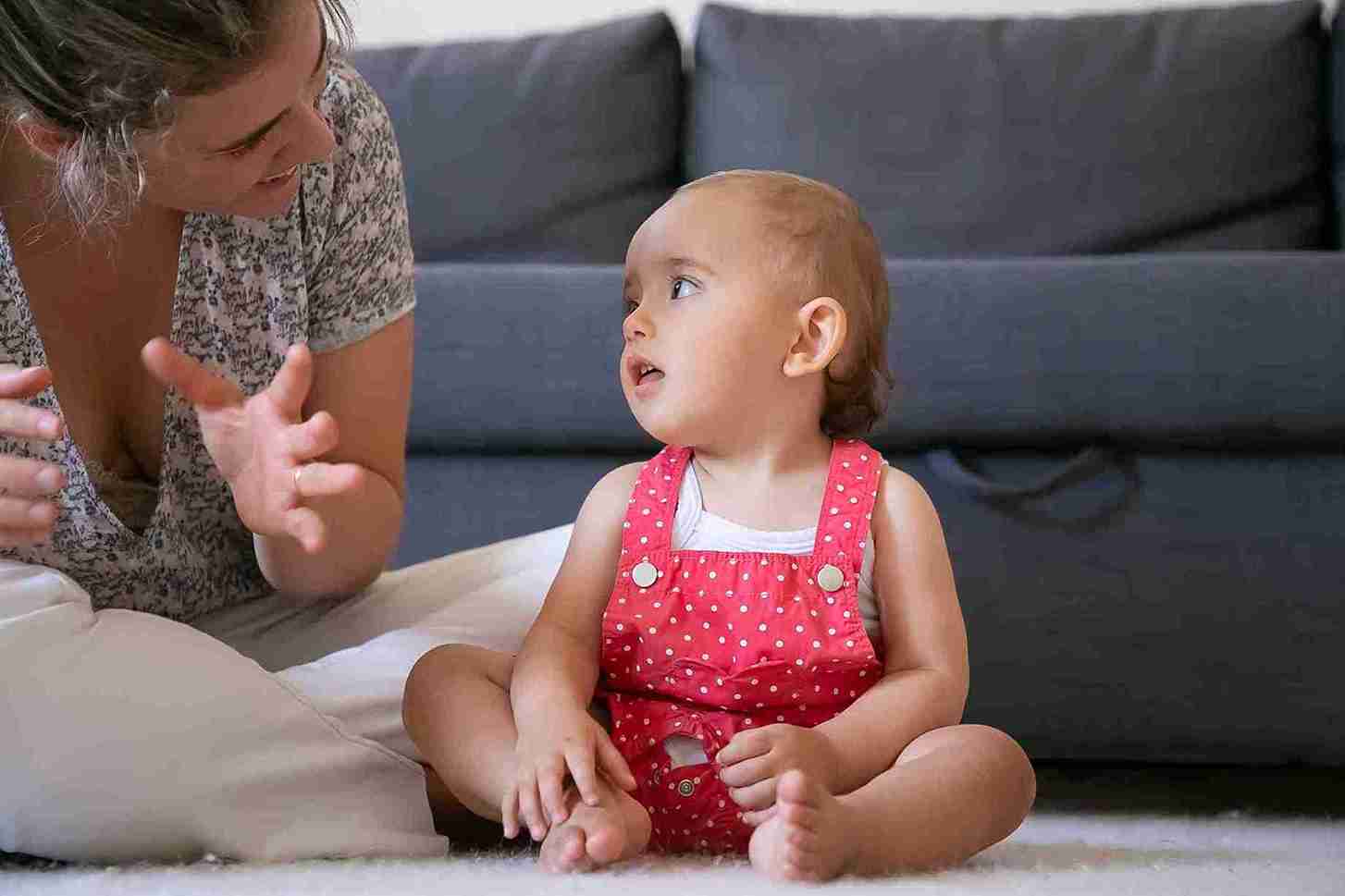
● Early cooing and babbling: Your baby's cooing, babbling, laughing and uttering the first word indicate that the body and brain are in sync to learn language and communication.
● Responding to simple words: By one year, the baby can follow clear and simple instructions. By 18 months, they can utter 10-15 words, soon understand sentences and speak well enough.
● Gesturing to express: Shaking a head, reaching, raising arms, waving, and blowing a kiss are gestures that kids mimic, marking important milestones in language development, emotion and social development.
● Recognising familiar people and objects: Babies prefer their favourite people, respond to their voice and differentiate between unfamiliar and familiar faces, which is memory development.
● Showing curiosity by exploring surroundings: Babies use their senses to interact and learn. They grasp, shake and even throw things to see how they work. Putting objects into their mouth is another way of exploration. Healthy infants observe, imitate and experiment.
● Problem solving: Trying to grab objects out of reach, experimenting by banging objects, dropping toys and showing persistence in play.
● Interactive play, talking, reading aloud and singing. Respond to your baby’s gestures and babbles.
● Create a safe, stimulating and explorative environment through age-appropriate toys.
● Ensure enough sleep for memory consolidation, brain function and immunity.
● Snuggle, hold and cuddle to form a loving and trusting relationship.
● Nurture the brain and body with nutritious food.
When babies do not crawl, drag a side of their body, lack smiles, do not gesture, do not make eye contact, do not respond to voice, or lose skills that were earlier present, these are warning signs. Some babies reach developmental milestones ahead of or lag behind. Trust your instincts, learn developmental milestones and consult a professional early for timely treatment.

The majority of brain development occurs in the first three years of a child’s life and is crucial for emotional, social and cognitive development. Since early childhood experiences are essential to cognitive development, read, sing, play, cuddle and create a bond with your child. Remember that every child is unique and has a different developmental pace.

The baby’s brain development begins in the womb, where neural connections are formed.
Tracking moving objects, recognising faces or objects, grasping and holding objects, finding hidden objects, banging things and stacking things are cognitive milestones in infants.
Yes. Every baby develops at its unique pace and reaches milestones early, late or on time. Beware of signs that could indicate developmental issues.
Hand-eye coordination, social and emotional development, vision, gross and fine motor skills are some signs of healthy brain development in infants.







 Best Gynecologists in Bellandur Best Gynecologists in Electronic City Best Gynecologists in HRBR LayoutBest Gynecologists in Jayanagar Best Gynecologists in Kanakapura RoadBest Gynecologists in Malleswaram Best Gynecologists in Nagarbhavi Best Gynecologists in Old Airport RoadBest Gynecologists in Sahakarnagar Best Gynecologists in Sarjapur RoadBest Gynecologists in ThanisandraBest Gynecologists in Varthur RoadBest Gynecologists in Whitefield Best Gynecologists in Industrial Area Phase IIBest Gynecologists in OMRBest Gynecologists in T NagarBest Gynecologists in New Industrial TownBest Gynecologists in IndirapuramBest Gynecologists in Golf Course RoadBest Gynecologists in Sector 14Best Gynecologists in Sector 47Best Gynecologists in Banjara HillsBest Gynecologists in GachibowliBest Gynecologists in Hitech CityBest Gynecologists in KompallyBest Gynecologists in Gomti NagarBest Gynecologists in MaladBest Gynecologists in NerulBest Gynecologists in VashiBest Gynecologists in Kailash ColonyBest Gynecologists in PatparganjBest Gynecologists in Punjabi BaghBest Gynecologists in VikaspuriBest Gynecologists in Gaur CityBest Gynecologists in Pari ChowkBest Gynecologists in Sector 51Best Gynecologists in Sector 5 Swastik ViharBest Gynecologists in Kalyani NagarBest Gynecologists in SB RoadBest Gynecologists in Pimple SaudagarBest Pediatricians in BellandurBest Pediatricians in Electronic CityBest Pediatricians in HRBR LayoutBest Pediatricians in JayanagarBest Pediatricians in Kanakapura RoadBest Pediatricians in MalleswaramBest Pediatricians in NagarbhaviBest Pediatricians in Old Airport RoadBest Pediatricians in SahakarnagarBest Pediatricians in Sarjapur RoadBest Pediatricians in ThanisandraBest Pediatricians in Varthur RoadBest Pediatricians in WhitefieldBest Pediatricians in Industrial Area Phase IIBest Pediatricians in OMRBest Pediatricians in T NagarBest Pediatricians in New Industrial TownshipBest Pediatricians in IndirapuramBest Pediatricians in Golf Course RoadBest Pediatricians in Sector 14Best Pediatricians in Sector 47Best Pediatricians in Hitech CityBest Pediatricians in Banjara HillsBest Pediatricians in GachibowliBest Pediatricians in KompallyBest Pediatricians in Gomti NagarBest Pediatricians in MaladBest Pediatricians in NerulBest Pediatricians in VashiBest Pediatricians in Kailash ColonyBest Pediatricians in PatparganjBest Pediatricians in Punjabi BaghBest Pediatricians in VikaspuriBest Pediatricians in Gaur CityBest Pediatricians in Pari ChowkBest Pediatricians in Sector 51Best Pediatricians in Sector 5 Swastik ViharBest Pediatricians in Kalyani NagarBest Pediatricians in SB RoadBest Pediatricians in Pimple Saudagar


