
Teething is a natural development when a baby's first set of teeth, also known as milk teeth or baby teeth, begin to emerge through the gums. Teething in most infants starts around 4–7 months, but it may start earlier or later in other infants. Teething is frustrating for parents and babies alike, as it typically accompanies pain, crankiness, drooling, and interrupted sleep.
Understanding teething symptoms and safe remedies allows parents to navigate through this period smoothly. This article gives an overview of the early signs and proactive measures to soothe teething pain while highlighting when professional consultation is needed.
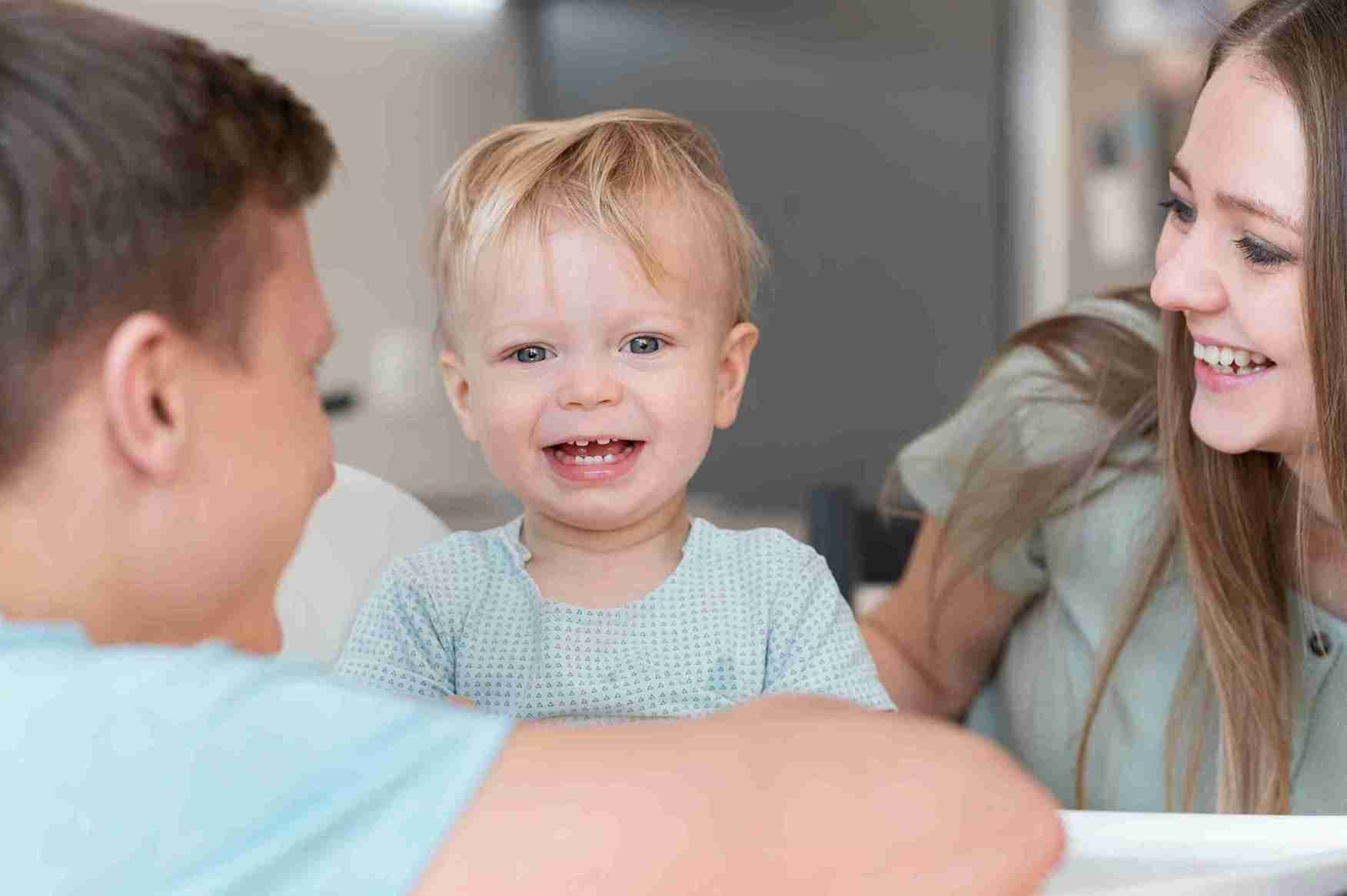
Teething is the process by which the teeth of an infant erupt through the gums and start to become visible in the mouth. This generally happens in a consistent order, with bottom central incisors often coming through first, followed by top incisors, then molars and canines.
Although the average teething schedule starts at around 4–7 months, each baby is different; some might start teething as young as 3 months, while others will not indicate until after their first year.
Some babies show signs of teething at 3 months. These teething symptoms at 3 months are usually mild irritability, frequent chewing, or drooling. The signs must be distinguished from other causes of fussiness, such as colic, minor infections, or an upset stomach. Increased patterns of behaviour like chewing on toys or fingers more frequently may indicate the onset of teething.
Teething symptoms also vary considerably from one infant to the next. Some infants have numerous signs, while others have only a few. Recognising these signs helps parents be in a position to provide relief and watch over their infant's progress.
There is increased saliva production during teething. Infants will chew toys, fingers, or blankets as a way to alleviate gum pain.
Infected gums can be red and sensitive to the touch, so babies become irritable or refuse to feed.
Teething pain can make babies fussy, clingy, or restless.
Teething pain can disrupt sleep patterns so that babies wake up more often during the night.
Pain caused by soreness in the gums makes sucking painful, and babies eat less for a period.
Infants may pull their ears or rub their cheeks as a response to referred pain of the gums.
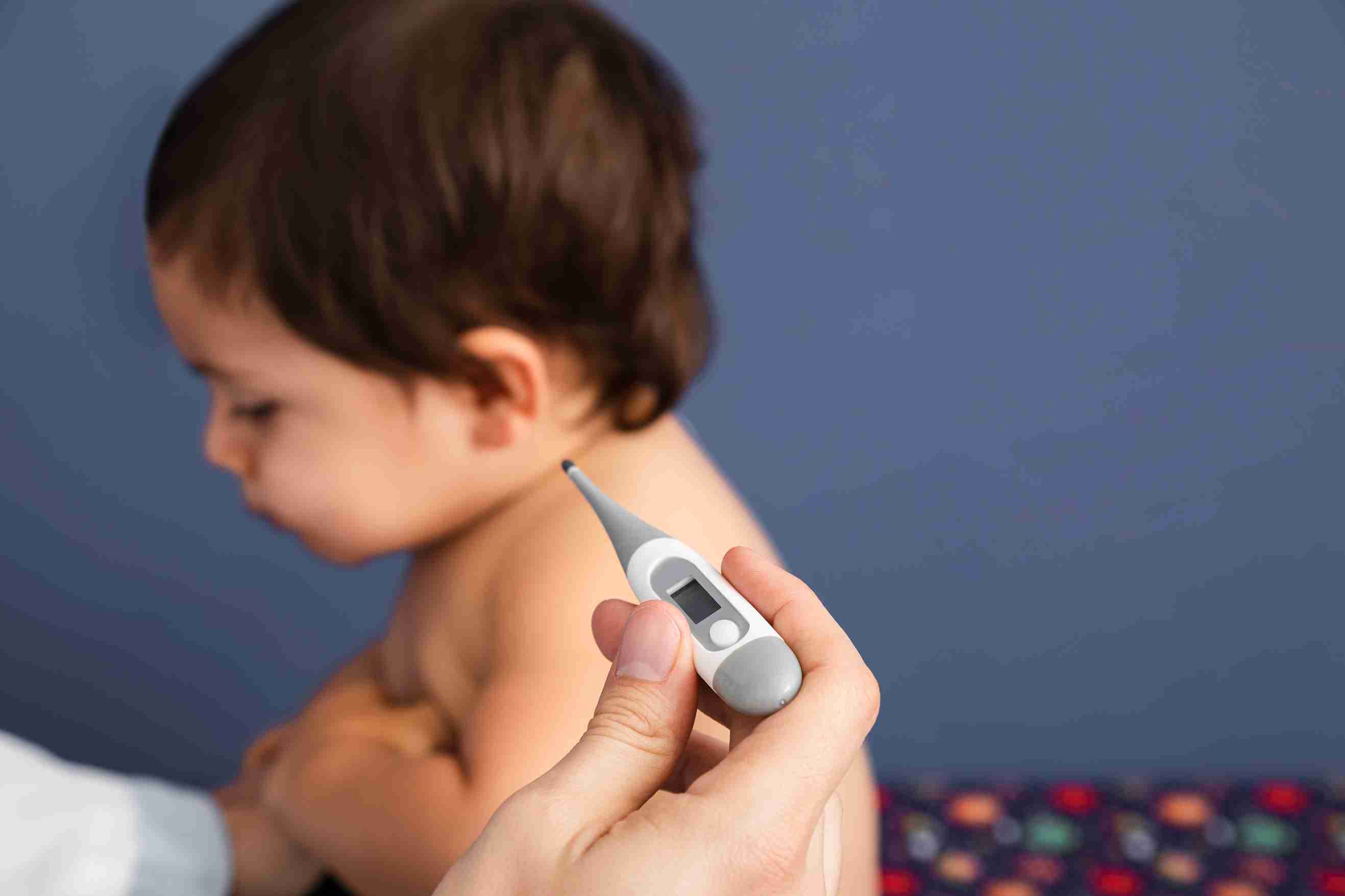
Mild elevation of temperature is normal, and fever is not induced by teething.
Excessive drooling can lead to skin irritation or a light rash about the chin, mouth, or neck.
Infants bite parents' fingers or toys in an attempt to relieve gum pressure.
Mild teething fever symptoms are observed in some infants; however, vomiting and diarrhoea are not due to teething. Medical attention becomes necessary if you notice the following signs:
● Recurrent high fever (over 100.4°F / 38°C)
● Recurrent vomiting or diarrhoea
● Signs of infection or lethargy
Teething symptoms usually start a day or two before a tooth comes out and continue for a couple of days thereafter. As teething occurs in phases, pain will recur with each tooth coming in, up to the age of 2–3 years.
Symptoms are not constant, but more so when a tooth is about to erupt and then fade away. An awareness of this pattern assists parents in having realistic expectations and providing ongoing reassurance.
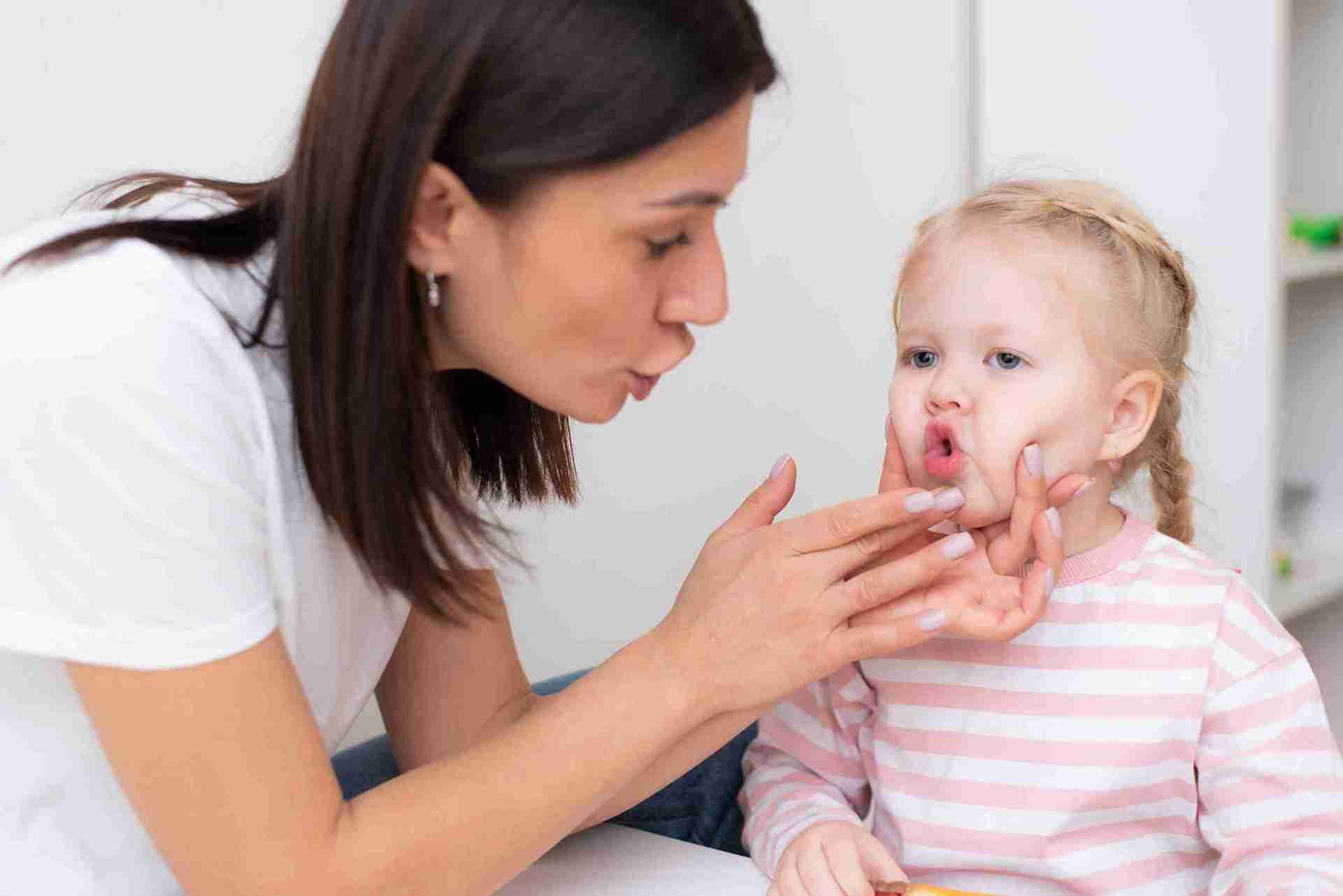
Gentle treatment can help a great deal in alleviating teething discomfort. Safe remedies include:
● Gently massaging gums with a clean finger or soft, damp washcloth.
● Providing chilled (not ice) teething rings or clean washcloths to chew on.
● Allowing the baby to chew on safe, soft toys.
● Providing cool water or cold purees if age-appropriate.
● Drying the face and chin to prevent drool rash.
● Providing extra cuddling, playtime, and comfort.
● Consult a paediatrician before administering any pain-relieving medication.
● Teething necklaces or gels containing numbing agents.
● Chilled toys that may hurt gums.
● Homely or herbal remedies without medical permission.
Although teething is normal, parents should see a doctor if they notice:
● Too much fever or a persistent rise in body temperature.
● Refusal to eat for a long period of time.
● Severe swelling, bleeding, or discharge on the gums.
● Diarrhoea, rash, or signs of an ear infection.
● General sickness aside from normal teething activity.
This checklist identifies complicated infants for early intervention.
Preventive oral care is essential for proper tooth development.
● Initiate once-a-day cleaning of your infant's gums with a soft, damp cloth.
● When the primary tooth erupts, brush with a soft infant's toothbrush and a pea-sized dab of fluoride toothpaste.
● Avoid sugary foods and beverages with new teeth.
● Encourage light brushing practices to inculcate a positive habit right from the start.
Cloudnine provides specialised teething care for babies at developmental stages. With paediatricians, kid-friendly centres, and customised coaching to parents, Cloudnine is committed to the health and comfort of babies at all times. From monitoring growth milestones to offering advice on safe remedies, Cloudnine combines medical expertise with warmth of attitude and emerges as a trusted companion in initial child healthcare.

Teething is one of the first challenges in a baby's developmental cycle, accompanied by joy, as well as temporary discomfort. With full awareness and gentle treatment, the process can be addressed comfortably. And if in doubt, on-time consultation with a paediatric specialist ensures your baby remains healthy, happy, and on track with their developmental milestones.

Massage the gums gently, use cold teething rings and maintain proper oral hygiene. Consult a paediatrician before giving any medicine.
Teething pain would usually start a couple of days before the tooth comes out and may last a couple of days after. Symptoms come in waves up to the age of 2–3 years.
While you can't speed up the eruption of teeth, offering safe chewing toys and an adequate diet will help in healthy growth.
The majority of infants start teething between 4 and 7 months, but some may show signs of early teething symptoms at 3 months.







 Best Gynecologists in Bellandur Best Gynecologists in Electronic City Best Gynecologists in HRBR LayoutBest Gynecologists in Jayanagar Best Gynecologists in Kanakapura RoadBest Gynecologists in Malleswaram Best Gynecologists in Nagarbhavi Best Gynecologists in Old Airport RoadBest Gynecologists in Sahakarnagar Best Gynecologists in Sarjapur RoadBest Gynecologists in ThanisandraBest Gynecologists in Varthur RoadBest Gynecologists in Whitefield Best Gynecologists in Industrial Area Phase IIBest Gynecologists in OMRBest Gynecologists in T NagarBest Gynecologists in New Industrial TownBest Gynecologists in IndirapuramBest Gynecologists in Golf Course RoadBest Gynecologists in Sector 14Best Gynecologists in Sector 47Best Gynecologists in Banjara HillsBest Gynecologists in GachibowliBest Gynecologists in Hitech CityBest Gynecologists in KompallyBest Gynecologists in Jawahar NagarBest Gynecologists in Gomti NagarBest Gynecologists in Phase 3, Sector 58Best Gynecologists in MaladBest Gynecologists in NerulBest Gynecologists in VashiBest Gynecologists in Kailash ColonyBest Gynecologists in PatparganjBest Gynecologists in Punjabi BaghBest Gynecologists in RohiniBest Gynecologists in VikaspuriBest Gynecologists in Gaur CityBest Gynecologists in Pari ChowkBest Gynecologists in Sector 51Best Gynecologists in Sector 5 Swastik ViharBest Gynecologists in Kalyani NagarBest Gynecologists in SB RoadBest Gynecologists in Pimple SaudagarBest Pediatricians in BellandurBest Pediatricians in Electronic CityBest Pediatricians in HRBR LayoutBest Pediatricians in JayanagarBest Pediatricians in Kanakapura RoadBest Pediatricians in MalleswaramBest Pediatricians in NagarbhaviBest Pediatricians in Old Airport RoadBest Pediatricians in SahakarnagarBest Pediatricians in Sarjapur RoadBest Pediatricians in ThanisandraBest Pediatricians in Varthur RoadBest Pediatricians in WhitefieldBest Pediatricians in Industrial Area Phase IIBest Pediatricians in OMRBest Pediatricians in T NagarBest Pediatricians in New Industrial TownshipBest Pediatricians in IndirapuramBest Pediatricians in Golf Course RoadBest Pediatricians in Sector 14Best Pediatricians in Sector 47Best Pediatricians in Hitech CityBest Pediatricians in Banjara HillsBest Pediatricians in GachibowliBest Pediatricians in KompallyBest Pediatricians in Jawahar NagarBest Pediatricians in Gomti NagarBest Pediatricians in Phase 3, Sector 58Best Pediatricians in MaladBest Pediatricians in NerulBest Pediatricians in VashiBest Pediatricians in Kailash ColonyBest Pediatricians in PatparganjBest Pediatricians in Punjabi BaghBest Pediatricians in RohiniBest Pediatricians in VikaspuriBest Pediatricians in Gaur CityBest Pediatricians in Pari ChowkBest Pediatricians in Sector 51Best Pediatricians in Sector 5 Swastik ViharBest Pediatricians in Kalyani NagarBest Pediatricians in SB RoadBest Pediatricians in Pimple Saudagar


