
Vomiting is common in babies and is often not serious. However, sometimes it can be a sign of a health problem. As a parent or caregiver, it is important to know when vomiting is normal and when it needs medical attention. The truth is, vomiting in babies is one of the most common reasons parents call their paediatrician, and in most cases, there is a straightforward explanation. But some vomiting is not straightforward at all, and knowing the difference between the two is the kind of knowledge that saves parents from unnecessary anxiety on one end and delayed care on the other.

To some extent, yes. During the first few months, a baby's digestive system is not fully developed. The muscle that controls the downward flow of food from the oesophagus to the stomach is still weak; this is called the lower oesophageal sphincter. It is difficult for a baby to retain milk because of the muscle's weakness, particularly after feeding, when a baby lies down, and even when there is abdominal pressure from a diaper change or play.
Is vomiting normal in infants? This question will be answered based on its frequency and appearance. A baby who vomits once or twice a day but is feeding well, gaining weight, and generally content is almost certainly fine. A baby who is vomiting frequently, losing weight, or appearing distressed is a different situation entirely.
Many parents use the words interchangeably, but they describe different things.
● Spit-up is effortless. Milk dribbles or flows gently out of the mouth, usually shortly after a feed. The baby does not seem bothered by it and goes straight back to whatever they were doing. This is reflux in its mildest form and is extremely common in the first six months.
● Vomiting is forceful. The stomach contracts, the baby may look uncomfortable or distressed beforehand, and the contents come out with some force. It is messier, louder, and the baby usually cries or looks upset around the time it happens.
● Projectile vomiting is a step further, where the milk shoots out with considerable force, sometimes travelling a significant distance. This is the type that most warrants investigation, particularly if it happens consistently after every feed.

Baby vomiting causes and treatment depend largely on what is driving the vomiting in the first place. The most common causes in infants include:
This is by far the most frequent cause of vomiting in the first year of life. The lower oesophageal sphincter allows stomach contents to reflux, and the baby vomits, sometimes multiple times a day. Most babies with reflux are perfectly comfortable and gaining weight normally. These are sometimes called happy spitters. Reflux usually improves significantly by the time a baby can sit up independently, typically around 4 to 6 months, and almost always resolves by 12 months.
A stomach that has taken in more than it can comfortably hold will get rid of the excess. Bottle-fed babies, in particular, can be overfed when caregivers encourage finishing the bottle even when the baby is still hungry. Slowing feeds down, watching for hunger and fullness cues, and avoiding overfeeding at any single session are the most straightforward interventions here.
Stomach bugs are common in babies and young children, and vomiting is usually the first symptom. Vomiting from a gastroenteritis infection tends to be acute, coming on suddenly, and may be accompanied by loose stools and mild fever. Most viral infections resolve within 24 to 72 hours, but dehydration during this time is the main concern, particularly in young infants.
This is a condition worth knowing about, particularly in newborns and young infants between two and eight weeks of age. The muscle controlling the opening between the stomach and the small intestine becomes abnormally thickened, blocking the passage of milk. The result is projectile vomiting after every feed, a baby who appears hungry immediately after vomiting, and progressive weight loss. Pyloric stenosis needs surgical correction and is more common in male babies. If a young baby is projectile vomiting after every feed, this diagnosis needs to be ruled out promptly.
Some babies, both breastfed and formula-fed, react to dietary proteins, most commonly cow's milk protein. Vomiting in these babies may be accompanied by other symptoms such as blood in the stool, significant irritability, skin rashes, or poor weight gain. Adjusting the mother's diet in breastfed babies, or switching to a specialised formula in formula-fed babies, usually brings clear improvement.
Ear infections, urinary tract infections, and respiratory infections can all cause vomiting in babies, even when the gut itself is not the source of the problem. If a baby is vomiting and also has a fever, is pulling at their ear, or seems generally unwell beyond just the vomiting, the possibility of an underlying infection should be considered.
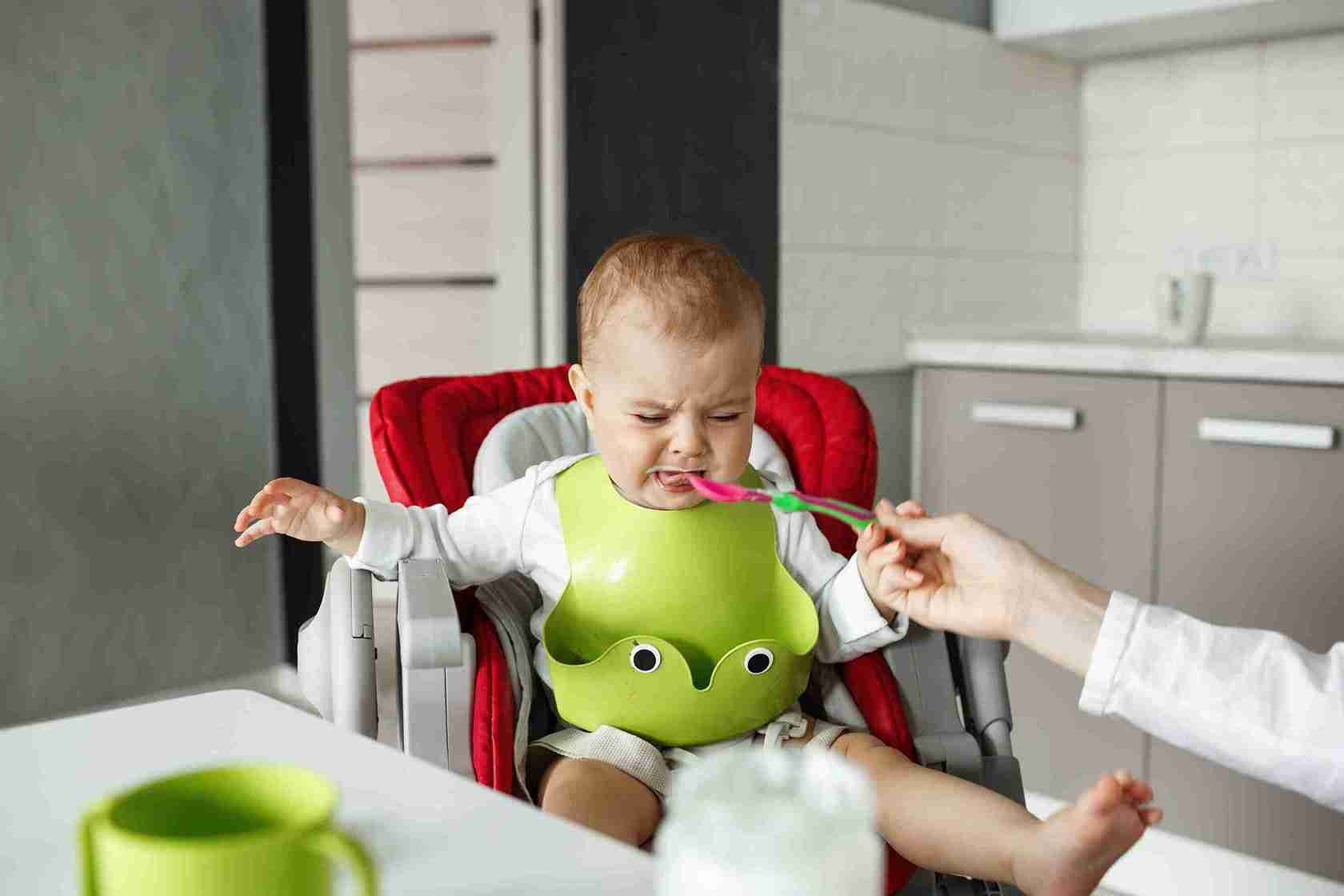
This is the question most parents really want answered. When to worry about baby vomiting comes down to a set of specific signs that should always prompt a same-day call to the paediatrician or a hospital visit. Call your doctor without delay if:
● The baby is vomiting projectile, forcefully, after every single feed, particularly in the first two months of life.
● The vomit is green or yellow. Green vomiting suggests bile, which indicates the digestive tract may be blocked below the stomach. This is a medical emergency and needs immediate assessment.
● There is blood in the vomit, even small streaks.
● The baby shows signs of dehydration. In infants, these include a sunken fontanelle (the soft spot on the top of the head), fewer than four wet nappies in 24 hours, dry mouth, no tears when crying, and unusual drowsiness or limpness.
● The baby has not kept any fluid down for more than four to six hours.
● The baby is younger than three months and has vomited more than once or twice.
● The baby appears to be in pain, is drawing up their legs, or is inconsolably crying between vomiting episodes.
● Weight loss or failure to regain birth weight is being observed at check-ups.
Most vomiting in babies is normal, manageable, and temporary. It is the kind of thing that makes new parents reach for their phone in panic, but almost always turns out to be nothing alarming. The skill worth building is knowing which signs mean 'watch and wait' and which mean 'go now'. With that knowledge, both parent and baby are better off.

Want to consult the best pediatrician in India? Please find the links below
best pediatrician in Bangalore
Best pediatrician in Chandigarh
best pediatrician in faridabad
best pediatrician in hyderabad
Best pediatrician in New Delhi
Best pediatrician in Panchkula
Best pediatrician in Ghaziabad

The most common causes include gastroesophageal reflux, overfeeding, viral gastroenteritis, and, in young male infants, pyloric stenosis. Food protein intolerance and infections such as ear or urinary tract infections can also trigger vomiting even when the gut is not directly involved. Baby vomiting causes and treatment depend on identifying the underlying reason, which is why persistent or concerning vomiting always warrants a paediatric review rather than home guesswork.
Spit-up is effortless and passive, milk that flows gently from the mouth without the baby appearing bothered. Vomiting involves visible stomach contractions, some force, and usually distress in the baby around the time it happens. Projectile vomiting, where milk shoots out with significant force, is the most concerning type and is one of the key signs of pyloric stenosis in young infants, which needs prompt medical assessment.
Seek same-day medical attention if vomiting is projectile after every feed, if the vomit is green or contains blood, if the baby shows signs of dehydration, if no fluid has been kept down for four to six hours, or if the baby is under three months. Frequent vomiting in babies that is accompanied by weight loss, inconsolable crying, or a generally unwell appearance should never be waited out at home.
Yes, it is one of the more common and easily corrected causes of baby vomiting. A stomach that receives more than it can hold will expel the excess. Bottle-fed babies are more vulnerable because the flow from a teat is faster and easier than from a breast, making it simpler to take in more than is needed before the fullness signal kicks in. Smaller, slower, and more responsive feeding usually resolves this without any further intervention.







 Best Gynecologists in Bellandur Best Gynecologists in Electronic City Best Gynecologists in HRBR LayoutBest Gynecologists in Jayanagar Best Gynecologists in Kanakapura RoadBest Gynecologists in Malleswaram Best Gynecologists in Nagarbhavi Best Gynecologists in Old Airport RoadBest Gynecologists in Sahakarnagar Best Gynecologists in Sarjapur RoadBest Gynecologists in ThanisandraBest Gynecologists in Varthur RoadBest Gynecologists in Whitefield Best Gynecologists in Industrial Area Phase IIBest Gynecologists in OMRBest Gynecologists in T NagarBest Gynecologists in New Industrial TownBest Gynecologists in IndirapuramBest Gynecologists in Golf Course RoadBest Gynecologists in Sector 14Best Gynecologists in Sector 47Best Gynecologists in Banjara HillsBest Gynecologists in GachibowliBest Gynecologists in Hitech CityBest Gynecologists in KompallyBest Gynecologists in Gomti NagarBest Gynecologists in MaladBest Gynecologists in NerulBest Gynecologists in VashiBest Gynecologists in Kailash ColonyBest Gynecologists in PatparganjBest Gynecologists in Punjabi BaghBest Gynecologists in VikaspuriBest Gynecologists in Gaur CityBest Gynecologists in Pari ChowkBest Gynecologists in Sector 51Best Gynecologists in Sector 5 Swastik ViharBest Gynecologists in Kalyani NagarBest Gynecologists in SB RoadBest Gynecologists in Pimple SaudagarBest Pediatricians in BellandurBest Pediatricians in Electronic CityBest Pediatricians in HRBR LayoutBest Pediatricians in JayanagarBest Pediatricians in Kanakapura RoadBest Pediatricians in MalleswaramBest Pediatricians in NagarbhaviBest Pediatricians in Old Airport RoadBest Pediatricians in SahakarnagarBest Pediatricians in Sarjapur RoadBest Pediatricians in ThanisandraBest Pediatricians in Varthur RoadBest Pediatricians in WhitefieldBest Pediatricians in Industrial Area Phase IIBest Pediatricians in OMRBest Pediatricians in T NagarBest Pediatricians in New Industrial TownshipBest Pediatricians in IndirapuramBest Pediatricians in Golf Course RoadBest Pediatricians in Sector 14Best Pediatricians in Sector 47Best Pediatricians in Hitech CityBest Pediatricians in Banjara HillsBest Pediatricians in GachibowliBest Pediatricians in KompallyBest Pediatricians in Gomti NagarBest Pediatricians in MaladBest Pediatricians in NerulBest Pediatricians in VashiBest Pediatricians in Kailash ColonyBest Pediatricians in PatparganjBest Pediatricians in Punjabi BaghBest Pediatricians in VikaspuriBest Pediatricians in Gaur CityBest Pediatricians in Pari ChowkBest Pediatricians in Sector 51Best Pediatricians in Sector 5 Swastik ViharBest Pediatricians in Kalyani NagarBest Pediatricians in SB RoadBest Pediatricians in Pimple Saudagar


