
When a child is suffering from diarrhoea, vomiting, or severe dehydration due to the heat, many parents reach out to the trusted ORS solution formulated by the WHO for rehydration. However, are the parents giving it the right way? What are some common mistakes parents make when giving ORS to children? Come, let’s find out.
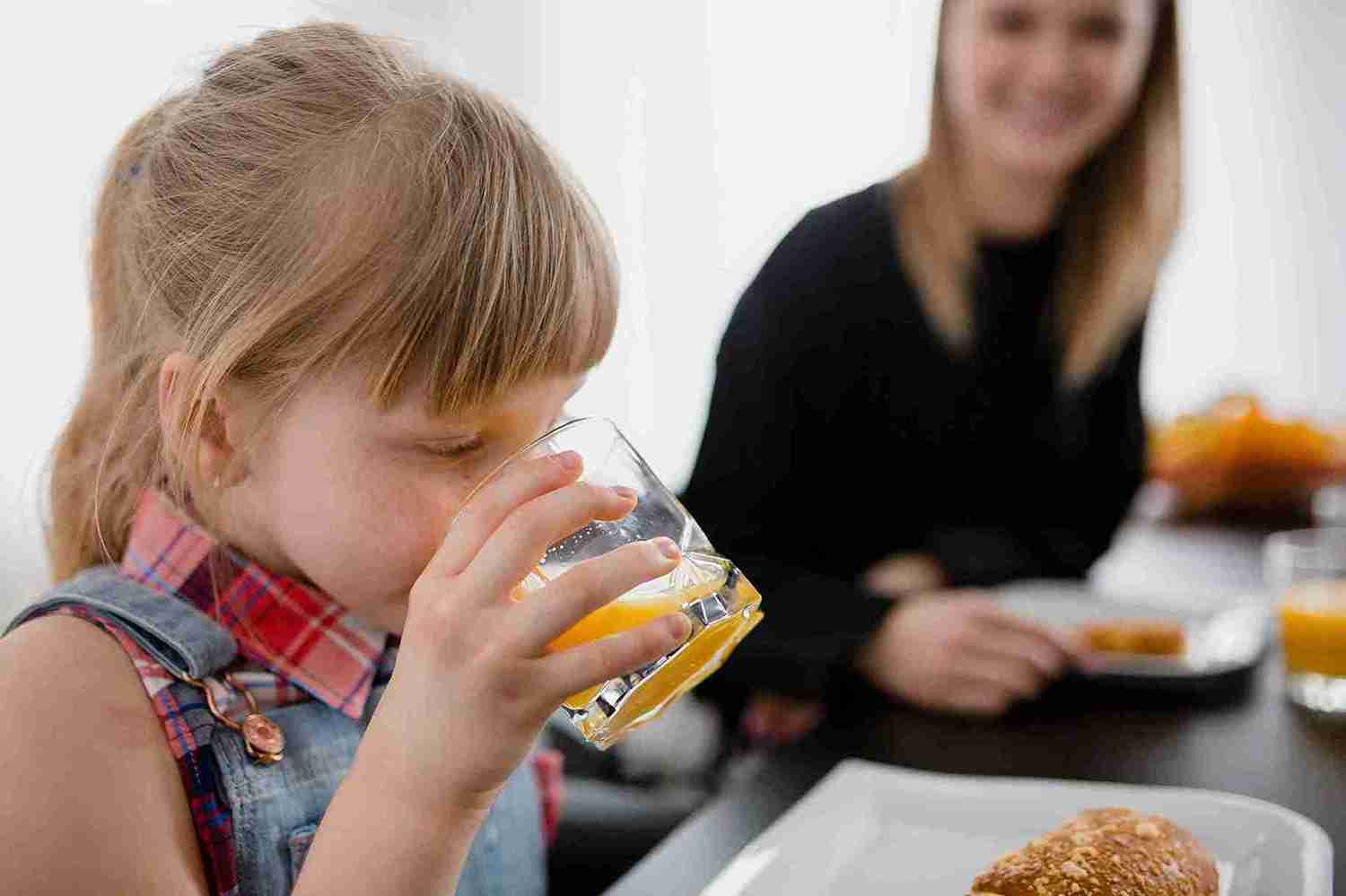
ORS, Oral Rehydration Solution. It is a solution specifically formulated by the WHO and approved by UNICEF for use in children with severe dehydration.
ORS is a simple mixture of salts, sugar, and water in a specific combination to help treat dehydration caused by diarrhoea and vomiting. It is quick, effective, and prevents complications in many cases.
ORS comes in small packets that need to be mixed with water for consumption. ORS is safe for infants, children of all ages, and adults. You can mix it at home with your regular drinking water and store it as recommended. You don’t need a doctor or any medically qualified person to help you mix or administer this solution, thus making it favourable for parents with sick children.
ORS is a formulated solution in powder form that contains electrolytes or salts essential for regular bodily functions. This includes sodium, potassium, and chloride, which help regulate nerve and muscle function. These are combined with sugar and water in a specific ratio to help maintain hydration and the delicate balance of the body salts.
ORS works much faster and helps the body absorb fluids more effectively, reducing dehydration. It restores the lost balances that water can’t. While water is necessary for hydration, it is insufficient in severe dehydration.
The ORS packet provides simple instructions for mixing and administering the ORS. Read the instructions carefully and prepare accordingly. Different brands may have slight variations in their instructions, so ensure you read them carefully if you are using a different brand of ORS than your usual one.
Preparation – Empty the contents of a 21 g packet into a bottle, then mix with 1 litre of clean drinking water. If you are using the smaller packet, it will contain approximately 4.4 g, and you will need 200 mL of water. You can use boiled and cooled water for better safety, especially in areas prone to water contamination.
Administer – Now, take a spoonful of the solution and give it to your child using the spoon itself. For infants, you can use a syringe to spray the liquid directly into their mouths. Older children can take a few small sips.
Wait – Give a few small sips of the solution at regular intervals. If your child starts vomiting after drinking the solution, wait for about 10 minutes and try giving it again. If they are experiencing loose stools, administer the solution after each bowel movement.
Dosage – For children under 2 years of age, you can give about 500-100 mL of the solution. Children between 2 and 10 years of age can have about 100-200 mL, and older children can drink as much as they need.
ORS is recommended for severe dehydration in children and adults. You can give ORS to your child at the following times –
Diarrhoea/Vomiting: If your child has very loose or watery stools or is vomiting frequently, they are losing significant fluid. You can start giving them ORS to prevent severe dehydration.
Excess Heat – Very hot weather can cause dehydration without our knowledge. When you don’t sweat much, you don’t feel thirsty, and so water intake decreases. However, the heat will cause dehydration, and symptoms may be very easy to spot. If you notice any symptoms, consult your doctor and give ORS to your child in addition to plain water. While water can quench their thirst and prevent further dehydration, they will need the electrolytes in ORS to support quick recovery.
Dehydration – Excessive thirst, dark urine, dry skin, dry or cracked lips, a fast heart rate, or fewer wet diapers. It can cause hypernatremia (high sodium) or hyponatremia (low sodium) and lead to muscle cramps, weakness, confusion, or even seizures in severe cases. ORS can help restore the delicate balance of the salts and glucose in the body.

Some common mistakes parents tend to make when giving ORS to children are –
Improper Mixing – More often than not, parents mix the ORS powder with either too little or too much water. When it is overly diluted (too much water), the ORS is not very effective, and it may take time to see the effects, or it may not work at all. When ORS is mixed with very little water, the solution becomes highly concentrated and can cause salt toxicity (hypernatremia).
Wrong ORS – For decades, many parents have been misled by sugary drinks labelled "ORS" rather than the original ORS formulated by the WHO. These sugary drinks include the word "ORS," which can confuse parents.
Only recently have such brands been advised by legal counsel not to use the term ORS in their names. However, such products remain on shelves and require vigilant monitoring by parents.
Wrong Dosage – ORS dosage can vary by age and the underlying cause of dehydration. It is best to consult a doctor to know how much ORS to give a child. However, many parents give either too much or too little, thus resulting in side effects or no effects.
Too Much Too Fast – ORS solution must be given in small sips at regular intervals, for children. Many parents tend to think that the faster the child drinks the ORS, the sooner they recover. Force-feeding or making the child drink too much of the solution will become counterproductive.
Force Feeding – Some parents worry when their sick or dehydrated child sleeps too deeply for too long. They may even wake up the child to give them some ORS, mistaking the deep sleep for inactivity due to severe dehydration. If the child is sleeping peacefully, it is best to let them sleep even if they miss a few dosages of the solution. The body will take care of itself when allowed to rest and recuperate.
Unnecessary Dosage – A child does not need ORS just because they vomited a little food they couldn’t digest properly. Some parents tend to worry and reach for the ORS even if the child has a small episode of loose stools or vomiting. ORS is strictly for severe dehydration and should not be given as a “just in case” solution.
ORS is meant to help a dehydrated child, especially if they are suffering from diarrhoea or vomiting. However, ORS can also cause negative effects in the following ways –
Consuming too much ORS when the body doesn’t need it can lead to an imbalance in the body's electrolytes.
Drinking the ORS too quickly can increase the vomiting, diarrhoea, and even lead to bloating or salt toxicity.
Other side effects include –
Nausea and vomiting
Loss of appetite
Stomach cramps
Feeling restless or irritable.
The best way to ensure you give your child ORS as recommended by the WHO is to follow the package instructions for mixing and administering the solution. It is recommended to consult a doctor regarding the dosage and frequency of giving ORS to children. This will prevent the most common mistakes and deliver better results.

ORS is a very convenient, readily available solution for dehydration in children. However, parents should be cautious when giving it to children and refrain from treating it as a casual or regular energy drink. Following the package instructions and the doctor’s advice can help the child derive the maximum benefit from the WHO-formulated ORS.

Parents either mix the powder with too much water, resulting in a very diluted solution, or with too little water, producing a highly concentrated, unsafe solution for children.
No. ORS must be mixed only with clean drinking water at the specified proportions. Mixing it with any other liquid will change the ORS's concentration and impact on the child’s health.
You can give them a 10-20 minute break, then resume ORS. Let the child sip on the solution, very slowly, once every 10 or 20 minutes. If the child seems to be vomiting the ORS every time they drink it, it is advisable to wait until you can consult the doctor for an alternate solution.
No, not all flavoured “ORS” drinks available in the market are WHO-approved. Check the label for WHO ORS Formula, and if flavours are listed, you can give it a try. Many brands use the letters “ORS” alongside their names, which confuses consumers.







 Best Gynecologists in Bellandur Best Gynecologists in Electronic City Best Gynecologists in HRBR LayoutBest Gynecologists in Jayanagar Best Gynecologists in Kanakapura RoadBest Gynecologists in Malleswaram Best Gynecologists in Nagarbhavi Best Gynecologists in Old Airport RoadBest Gynecologists in Sahakarnagar Best Gynecologists in Sarjapur RoadBest Gynecologists in ThanisandraBest Gynecologists in Varthur RoadBest Gynecologists in Whitefield Best Gynecologists in Industrial Area Phase IIBest Gynecologists in OMRBest Gynecologists in T NagarBest Gynecologists in New Industrial TownBest Gynecologists in IndirapuramBest Gynecologists in Golf Course RoadBest Gynecologists in Sector 14Best Gynecologists in Sector 47Best Gynecologists in Banjara HillsBest Gynecologists in GachibowliBest Gynecologists in Hitech CityBest Gynecologists in KompallyBest Gynecologists in Gomti NagarBest Gynecologists in MaladBest Gynecologists in NerulBest Gynecologists in VashiBest Gynecologists in Kailash ColonyBest Gynecologists in PatparganjBest Gynecologists in Punjabi BaghBest Gynecologists in VikaspuriBest Gynecologists in Gaur CityBest Gynecologists in Pari ChowkBest Gynecologists in Sector 51Best Gynecologists in Sector 5 Swastik ViharBest Gynecologists in Kalyani NagarBest Gynecologists in SB RoadBest Gynecologists in Pimple SaudagarBest Pediatricians in BellandurBest Pediatricians in Electronic CityBest Pediatricians in HRBR LayoutBest Pediatricians in JayanagarBest Pediatricians in Kanakapura RoadBest Pediatricians in MalleswaramBest Pediatricians in NagarbhaviBest Pediatricians in Old Airport RoadBest Pediatricians in SahakarnagarBest Pediatricians in Sarjapur RoadBest Pediatricians in ThanisandraBest Pediatricians in Varthur RoadBest Pediatricians in WhitefieldBest Pediatricians in Industrial Area Phase IIBest Pediatricians in OMRBest Pediatricians in T NagarBest Pediatricians in New Industrial TownshipBest Pediatricians in IndirapuramBest Pediatricians in Golf Course RoadBest Pediatricians in Sector 14Best Pediatricians in Sector 47Best Pediatricians in Hitech CityBest Pediatricians in Banjara HillsBest Pediatricians in GachibowliBest Pediatricians in KompallyBest Pediatricians in Gomti NagarBest Pediatricians in MaladBest Pediatricians in NerulBest Pediatricians in VashiBest Pediatricians in Kailash ColonyBest Pediatricians in PatparganjBest Pediatricians in Punjabi BaghBest Pediatricians in VikaspuriBest Pediatricians in Gaur CityBest Pediatricians in Pari ChowkBest Pediatricians in Sector 51Best Pediatricians in Sector 5 Swastik ViharBest Pediatricians in Kalyani NagarBest Pediatricians in SB RoadBest Pediatricians in Pimple Saudagar


