
Vaccination is one of the most effective ways to protect newborns from serious and potentially life-threatening diseases. A well-structured newborn vaccination schedule in India is followed to ensure timely immunisation and early development of immunity. From the very first day of life, vaccines help safeguard against infections like tuberculosis, polio, and hepatitis B.
The schedule is carefully designed based on national health guidelines and paediatric recommendations, ensuring that each vaccine is given at the right time for maximum effectiveness. Understanding this schedule helps caregivers stay prepared, avoid missed doses, and ensure comprehensive protection during the most vulnerable stages of life.
The vaccination schedule outlines the appropriate timing for administering vaccines. This is especially important because a newborn’s immune system is still developing. In India, immunisation guidelines are provided by the Ministry of Health and Family Welfare under the National Immunization Programme, while the Indian Academy of Paediatrics offers additional recommendations followed in clinical practice. These schedules are updated periodically as new vaccines are introduced.
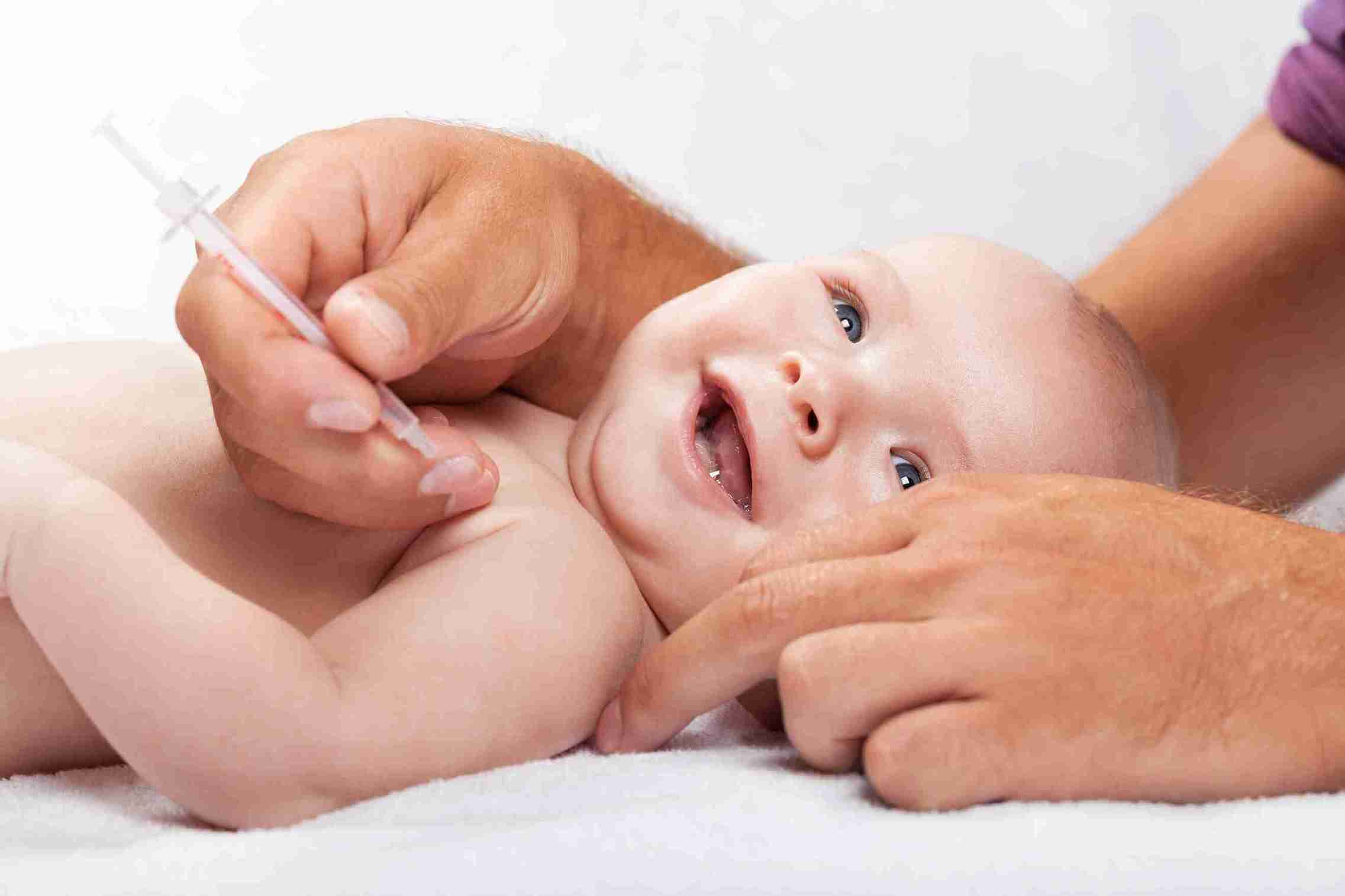
Below is a simplified newborn vaccination chart in India to help track essential vaccines during the first year:
This newborn vaccination schedule in India ensures protection against a wide range of infectious diseases during early life.

The first set of vaccines is usually given within 24 hours of birth, which is critical for early protection.
Timely administration of these vaccines is essential for building early immunity.
Vaccination is an essential factor that ensures a healthy beginning to life. The main advantages of vaccination include:
Babies are most susceptible due to underdeveloped immune systems. Vaccines provide a shield against diseases.

In India, vaccinations can be administered through both government programs and private healthcare providers.
While both schedules aim to protect against diseases, private schedules often provide extended coverage based on individual needs and paediatric advice.
Yes, the vaccines administered according to the newborn vaccine schedule in India are safe and extensively tested. Extensive clinical trials are conducted before any vaccine is declared fit for use.
Key Points:

Most vaccines are associated with mild and temporary side effects, as the body begins building immunity against diseases. Common side effects include:
The side effects tend to subside in a few days. However, it would be better to seek medical advice if the problem persists.
Following a few simple steps can make the vaccination process smoother:
Being prepared helps reduce stress and ensures timely immunisation.
In some cases, doses may get missed. However, it should be noted that:
All this will help protect your child effectively.

Cloudnine Hospitals offer comprehensive vaccination support aligned with the newborn vaccination schedule in India. With experienced paediatricians, digital vaccination tracking, and timely reminders, they help ensure that no dose is missed.
Their facilities maintain strict safety protocols and provide access to both government-recommended and additional vaccines. Parents also receive guidance on side effects, aftercare, and personalised vaccination plans, making the process smooth and stress-free.
The newborn vaccination schedule in India is a carefully designed roadmap to protect newborns from serious diseases during their most vulnerable phase. Following the schedule ensures timely immunity, reduces health risks, and supports overall well-being. Staying informed, keeping track of doses, and consulting healthcare professionals can make a significant difference in ensuring complete protection during the first year of life.

Want to consult the best pediatrician in India? Please find the links below
best pediatrician in Bangalore
Best pediatrician in Chandigarh
best pediatrician in faridabad
best pediatrician in hyderabad
Best pediatrician in New Delhi
Best pediatrician in Panchkula
Best pediatrician in Ghaziabad

At birth, newborns typically receive three vaccines: BCG, OPV, and Hepatitis B, followed by multiple vaccines in the first year.
Some vaccines are scheduled at 6 weeks because the immune system needs time to mature for an effective response.
At birth, vaccines include BCG, OPV, and Hepatitis B, with additional vaccines given at scheduled intervals.
Skipping vaccinations increases the risk of serious infections. Vaccination is strongly recommended for protection against preventable diseases.







 Best Gynecologists in Bellandur Best Gynecologists in Electronic City Best Gynecologists in HRBR LayoutBest Gynecologists in Jayanagar Best Gynecologists in Kanakapura RoadBest Gynecologists in Malleswaram Best Gynecologists in Nagarbhavi Best Gynecologists in Old Airport RoadBest Gynecologists in Sahakarnagar Best Gynecologists in Sarjapur RoadBest Gynecologists in ThanisandraBest Gynecologists in Varthur RoadBest Gynecologists in Whitefield Best Gynecologists in Industrial Area Phase IIBest Gynecologists in OMRBest Gynecologists in T NagarBest Gynecologists in New Industrial TownBest Gynecologists in IndirapuramBest Gynecologists in Golf Course RoadBest Gynecologists in Sector 14Best Gynecologists in Sector 47Best Gynecologists in Banjara HillsBest Gynecologists in GachibowliBest Gynecologists in Hitech CityBest Gynecologists in KompallyBest Gynecologists in Gomti NagarBest Gynecologists in MaladBest Gynecologists in NerulBest Gynecologists in VashiBest Gynecologists in Kailash ColonyBest Gynecologists in PatparganjBest Gynecologists in Punjabi BaghBest Gynecologists in VikaspuriBest Gynecologists in Gaur CityBest Gynecologists in Pari ChowkBest Gynecologists in Sector 51Best Gynecologists in Sector 5 Swastik ViharBest Gynecologists in Kalyani NagarBest Gynecologists in SB RoadBest Gynecologists in Pimple SaudagarBest Pediatricians in BellandurBest Pediatricians in Electronic CityBest Pediatricians in HRBR LayoutBest Pediatricians in JayanagarBest Pediatricians in Kanakapura RoadBest Pediatricians in MalleswaramBest Pediatricians in NagarbhaviBest Pediatricians in Old Airport RoadBest Pediatricians in SahakarnagarBest Pediatricians in Sarjapur RoadBest Pediatricians in ThanisandraBest Pediatricians in Varthur RoadBest Pediatricians in WhitefieldBest Pediatricians in Industrial Area Phase IIBest Pediatricians in OMRBest Pediatricians in T NagarBest Pediatricians in New Industrial TownshipBest Pediatricians in IndirapuramBest Pediatricians in Golf Course RoadBest Pediatricians in Sector 14Best Pediatricians in Sector 47Best Pediatricians in Hitech CityBest Pediatricians in Banjara HillsBest Pediatricians in GachibowliBest Pediatricians in KompallyBest Pediatricians in Gomti NagarBest Pediatricians in MaladBest Pediatricians in NerulBest Pediatricians in VashiBest Pediatricians in Kailash ColonyBest Pediatricians in PatparganjBest Pediatricians in Punjabi BaghBest Pediatricians in VikaspuriBest Pediatricians in Gaur CityBest Pediatricians in Pari ChowkBest Pediatricians in Sector 51Best Pediatricians in Sector 5 Swastik ViharBest Pediatricians in Kalyani NagarBest Pediatricians in SB RoadBest Pediatricians in Pimple Saudagar


